You’re staring at a quote for Fullway tires, and the price looks almost too good to be true. Before you hand over your cash, you need to know what you’re actually getting. This post breaks down the real performance, safety risks, and hidden costs behind these ultra-cheap tires.
What Are Fullway Tires?
Fullway tires come from Qingdao Fullrun Tyre Corp., a Chinese manufacturer established in 2003. The brand operates in the lowest-cost “budget” tier of the tire market, with prices often 30-40% less than established brands.
Here’s the catch: Fullway’s parent company is listed as “deadpooled” by business data aggregators. This means there’s no functioning corporate entity to honor warranties or handle recalls. You’re buying tires from a ghost brand.
Some Fullway tires are manufactured in China, while others come from Malaysia through a subsidiary. Don’t let the ISO certification fool you—that’s a process standard, not a quality guarantee.
The Performance Breakdown: Where Fullway Succeeds and Fails
Dry Weather Performance
This is where Fullway tires actually shine. Real-world testing rated dry performance at 4.6 out of 5. The rigid tread construction delivers precise handling and responsive steering.
User reviews consistently praise the strong grip on dry pavement. If you only drove on sunny days, these tires would seem like a bargain.
Wet Weather Performance: The Danger Zone
Here’s where things get sketchy. While technical scores show “adequate” wet handling, real-world experiences tell a different story.
Multiple users report “crazy hydroplaning on rainy days” and describe wet traction as “very poor.” One driver’s account is particularly alarming: the tires “lost all grip” in wet conditions, leading to an accident.
The pattern suggests these tires handle light rain but fail catastrophically in heavy downpours or standing water. That’s a risk you don’t want to take.
Comfort and Noise: The Budget “Trick”
This is Fullway’s party trick. Testing shows comfort rated at 4.1 out of 5 and noise at 4.0 out of 5. Users rave about the quiet, smooth ride with phrases like “don’t hear them” and “surprisingly good comfort.”
This isn’t magic—it’s a common budget-tier strategy. A quiet ride is relatively cheap to engineer through tread-pattern optimization. It gives you that “premium feel” when you first install them, masking the real problems lurking underneath: poor longevity and questionable safety.
Understanding the UTQG Rating: The Numbers Don’t Lie
The Fullway HP108, their most popular model, carries a 380 A A UTQG rating. Let’s decode what that means.
The 380 treadwear rating is objectively low. Premium all-season tires typically rate between 600 and 900+. This 380 rating is the manufacturer’s own admission that these tires won’t last long.
The A traction grade indicates acceptable (but not exceptional) wet stopping ability. It’s the second-highest grade, which sounds good until you read the hydroplaning reports from actual drivers.
The A temperature grade is the highest rating, meaning the tires resist heat well at high speeds. That’s one legitimate safety win.
Bottom line: the 380 treadwear rating proves these tires are designed to wear out fast, regardless of what any warranty claims.
The 50,000-Mile Warranty Scam
Some retailers advertise Fullway tires with a 50,000-mile warranty. Others list the warranty as “N/A” (Not Applicable). Expert reviews state flatly: “No treadwear warranty”.
Here’s why: the parent company is defunct. A dead company can’t honor a warranty. The 50,000-mile claim is marketing fiction designed to make the sale.
How Long Do Fullway Tires Actually Last?
Real-world reports paint a consistent picture. Users report “not a long life tire (20-30k mi)” and “they won’t last long.” Even satisfied customers note “they don’t seem to last as long.”
The realistic expectation is 20,000 to 30,000 miles. That’s less than half what you’d get from a quality tire.
The False Economy: Why Cheap Tires Cost More
Here’s the math that matters:
Premium Tire: $150 each, lasts 80,000 miles = $0.001875 per mile
Fullway Tire: $60 each, lasts 25,000 miles = $0.0024 per mile
The “cheap” Fullway tire is actually 28% more expensive per mile. You’ll also pay for mounting and balancing three times while a premium tire owner pays once.
Add up the time, hassle, and total cost—Fullway tires are a financial trap disguised as a bargain.
The “All-Season” Lie: Winter Weather Dangers
This is the most dangerous deception in Fullway’s marketing.
The HP108 and HS266: Not Really All-Season
Despite being sold as “all-season” tires, technical reviews identify the HP108’s “summer tread compound”. SimpleTire posts a direct warning: “Should not be used when temperatures are consistently below 45 degrees Fahrenheit.”
That’s not all-season. That’s a summer tire with false marketing.
Winter testing rated winter capabilities at a dismal 3.7 out of 5. One user’s experience says it all: “did fine until winter hit… we got just started snowing type weather and they lost all grip I slid a few times.”
If you live anywhere that sees snow or freezing temperatures, these tires are a safety hazard.
The M+S vs. 3PMSF Trap
Fullway’s all-season models carry the M+S (Mud + Snow) symbol. This is an outdated, self-declared label that doesn’t certify actual snow performance.
The modern standard for winter-capable tires is the Three-Peak Mountain Snowflake (3PMSF) symbol. This proves the tire passed standardized snow traction testing.
Fullway’s all-season tires are not 3PMSF-rated. They’re three-season tires at best, dangerous in winter conditions.
What About the SNOWTRAK Winter Tire?
Fullway makes a dedicated winter tire called the SNOWTRAK. It has winter-specific tread design with wide grooves and sipes for ice traction.
But here’s the red flag: no 3PMSF symbol appears anywhere in the marketing or product listings. If a winter tire passes 3PMSF certification, manufacturers shout it from the rooftops. The conspicuous absence means this tire either failed the test or was never submitted.
The SNOWTRAK is an “old-style” winter tire based on design alone, not certified performance. Don’t trust it in serious snow.
Fullway vs. The Competition: Better Budget Options Exist
Tier 3 Brands: The Smart Upgrade
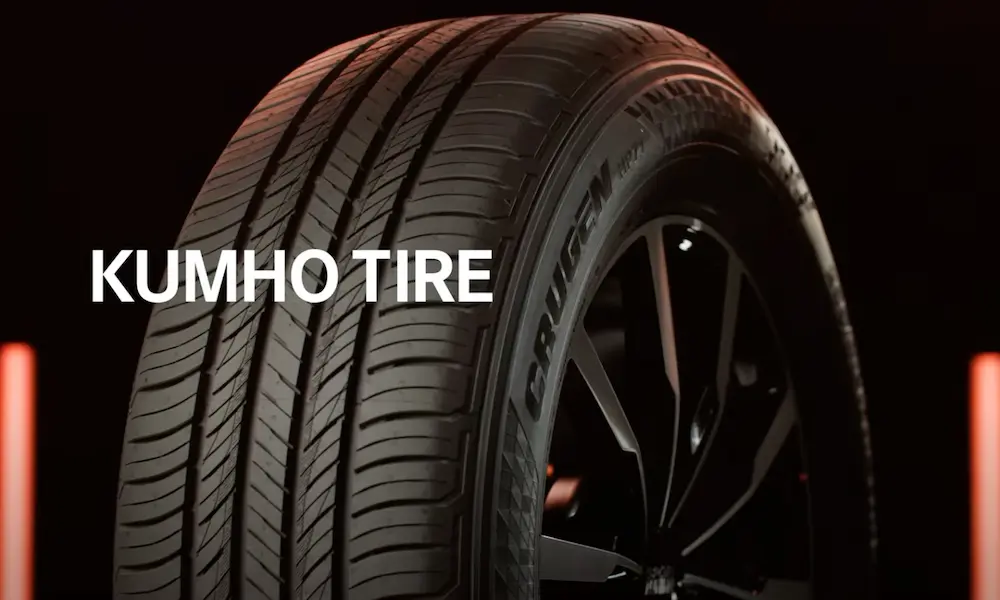
Tire professionals consistently recommend spending “another $10-15 per tire to get to Tier 3 tires of Kumho, Sumitomo, Hankook.”
That extra $15 per tire buys you:
- A solvent company that honors warranties
- Real R&D for safety engineering
- Transparent, enforceable tread-life guarantees
- Actual corporate accountability
It’s the difference between gambling and investing.
Budget Brand Comparison
Even against other budget brands, Fullway loses.
Lexani is owned by Nexen Tires, giving it legitimate corporate backing that Fullway lacks.
Westlake offers clear treadwear warranties (40,000-50,000 miles) and transparent corporate structure.
Milestar is the killer comparison. The Milestar WEATHERGUARD AW365 is budget-priced but 3PMSF-rated. For similar money, you get a tire that’s actually tested and certified safe for all seasons, including severe snow.
| Brand / Model | Real Tread Life | Warranty | Snow Rated? | Corporate Status |
|---|---|---|---|---|
| Fullway HP108 | 20,000-30,000 mi | None | No | Defunct |
| Milestar WEATHERGUARD | 40,000-50,000 mi | 50,000 mi | Yes | Active |
| Kumho Solus TA11 | 60,000-75,000 mi | 75,000 mi | No | Active |
| Westlake RP18 | 35,000-45,000 mi | 45,000 mi | No | Active |
Fullway doesn’t win a single category except absolute lowest price.
The Recall Risk: No Safety Net
A search of the National Highway Traffic Safety Administration (NHTSA) database shows zero recalls for Fullway tires. That’s not reassuring—it’s terrifying.
With no functioning parent company, there’s no entity to hold accountable if a widespread defect emerges. There’s no one to finance a recall.
This scenario has precedent. In 2007, U.S. officials ordered a recall of 450,000 defective Chinese tires missing critical safety components. The importer stated it didn’t have money for the recall, leaving consumers stranded with dangerous tires.
With Fullway’s “deadpooled” status, you face identical risk with zero recourse.
Who Should Consider Fullway Tires?
There are exactly three narrow use cases where Fullway tires might make sense:
The “Pass Inspection and Sell” Buyer: You’ve got a 15-year-old beater that needs tires to pass state inspection so you can sell it. The tires are a disposable part.
The Low-Mileage Retiree in Arizona: You drive 5,000 miles per year in a warm, dry climate. You’ll never see freezing temps or snow. Your priority is a quiet ride on a fixed income.
The Drift/Tuner Enthusiast: You’re intentionally buying the cheapest rubber to destroy quickly for motorsports. You have zero longevity expectations.
Who MUST Avoid Fullway Tires?
High-Mileage Commuters: If you drive 15,000+ miles annually, the false economy will crush you. You’ll spend more over time than buying quality tires once.
Four-Season Climate Drivers: Anyone in Chicago, the Northeast, or anywhere that sees snow and freezing temps. The summer compound and lack of 3PMSF certification make these tires genuinely dangerous.
Safety-Conscious Drivers: If you prioritize the safety of yourself, your family, or others on the road, the inconsistent wet performance and total lack of corporate accountability are unacceptable risks.
Family Vehicles: Don’t put your kids at risk to save $40 per tire. It’s not worth it.
The Verdict: Are Fullway Tires Good?
No. Fullway tires are not good by any standard measure of quality, longevity, or safety.
They’re exceptionally cheap, and they deliver a surprisingly quiet, comfortable ride in dry conditions. That’s where the positives end.
The defunct parent company creates an accountability vacuum. The 20,000-30,000 mile lifespan makes them more expensive per mile than quality tires. The deceptive “all-season” marketing poses genuine safety risks in wet and winter conditions.
What You Should Buy Instead
If your budget is tight, spend the extra $15-40 per tire for a Tier 3 brand like Kumho, Hankook, or General. You’ll get legitimate warranties, proven safety, and corporate accountability.
If you absolutely must stay budget-level, choose the Milestar WEATHERGUARD AW365. It’s similarly priced but offers certified 3PMSF winter performance—an infinitely higher safety margin for four-season driving.
The few dollars you save with Fullway aren’t worth the risk, the hassle, or the hidden long-term costs. Your tires are the only thing between you and the road. Don’t gamble on ghost-brand rubber to save the cost of a couple pizzas.