Shopping for tires on a tight budget? You’ve probably stumbled across Crosswind tires at Walmart and wondered if they’re legit or just cheap junk. Here’s the deal: Crosswind can be a smart buy—if you pick the right model. Choose wrong, and you’re gambling with your safety. Let’s break down which ones are worth your money.
What Are Crosswind Tires, Anyway?
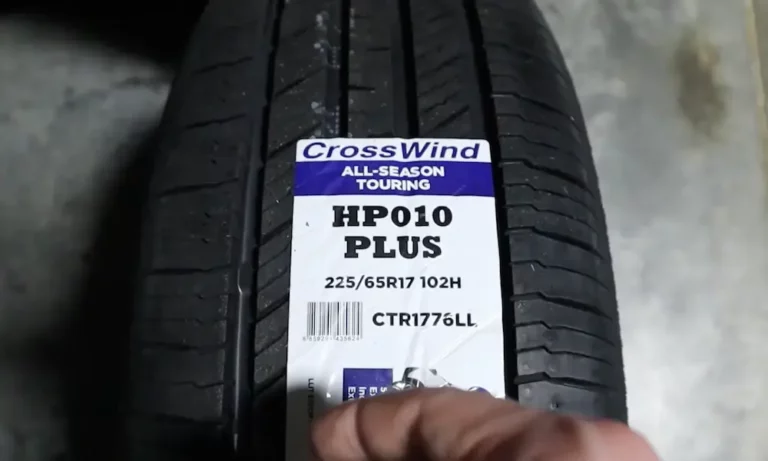
Crosswind isn’t some sketchy no-name brand. These tires come from Linglong, a major Chinese tire manufacturer that actually knows what it’s doing. In North America, TBC Corporation handles all the distribution—and they’re one of the biggest private brand tire sellers on the continent.
This corporate backing matters. You’re not buying random imports. You’re getting tires from a global producer that’s made over 79 million tires worldwide, sold through a distributor that independent dealers consistently rate #1 for product availability.
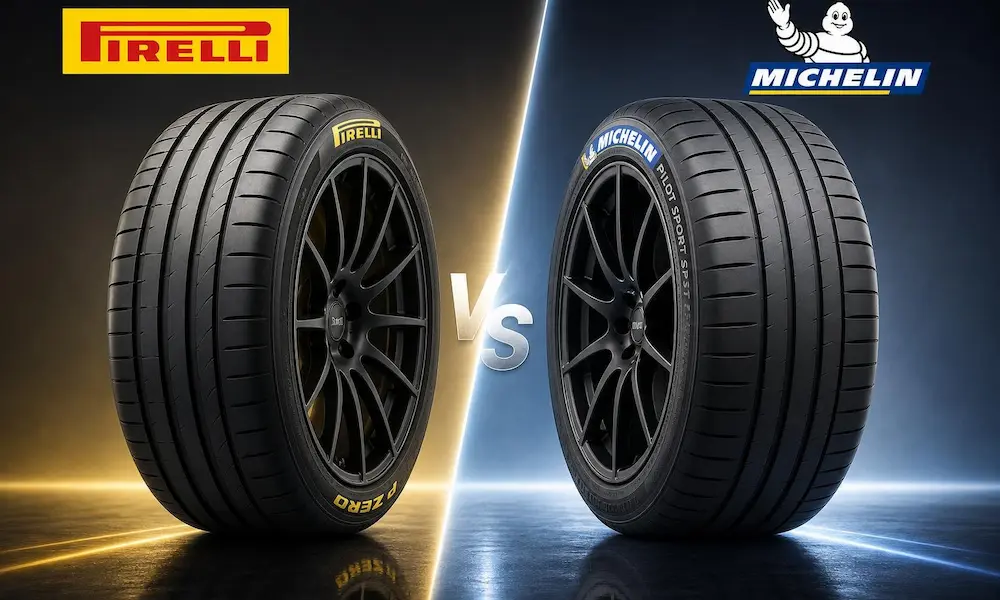
The catch? Crosswind operates squarely in the budget tier. They compete on price, not prestige. Don’t expect Michelin performance—expect solid, everyday reliability without the premium price tag.
The Good Stuff: Where Crosswind Shines
Price That Won’t Wreck Your Budget
Let’s cut to the chase: are crosswind tires good for your wallet? Absolutely. They’re priced to compete with the cheapest tires on the market while delivering better quality than you’d expect.
Real drivers report finding a sweet spot between price and quality. You’re not sacrificing everything for savings—you’re making a calculated trade-off.
Surprisingly Smooth Ride
Here’s something that’ll shock you: these budget tires are actually quiet and comfortable. Users consistently praise them as “super smooth” with minimal road noise.
For highway commuting, that comfort level punches way above the price point. You won’t feel like you’re driving on cardboard donuts.
Solid Traction (When It Counts)
Crosswind tires earn respectable traction grades. Many models hit “A” or even “AA” ratings for grip in wet and dry conditions. That’s not budget-tier performance—that’s genuinely reliable stopping power.
One driver in Chicago reported their Crosswinds “handled very well during winter.” The key word here? Certain models. We’ll get to that crucial distinction in a minute.
The Bad Stuff: Where You Need to Watch Out
The UHP Model Has Serious Problems
If you’re eyeing the Crosswind All Season UHP for your sporty car, pump the brakes. This model has a documented, dangerous flaw: thin sidewalls prone to cracking, bubbling, and separation.
We’re not talking minor complaints here. Multiple drivers have reported sidewall blowouts. For a performance tire that’s supposed to handle aggressive cornering, this is a deal-breaker.
The UHP delivers on traction (it earns that coveted AA rating), but it fails spectacularly on durability and safety. Skip this one entirely.
Rugged Models Can Be Noisy
The more aggressive all-terrain and mud-terrain varieties will make themselves heard on the highway. If you want library-quiet cruising, stick with the touring models.
Some users also worry the tread might not last as long on these rugged options, though that’s less universally reported than the noise factor.
Model-by-Model Breakdown: Which Ones Actually Work
Not all Crosswind tires are created equal. Here’s where are crosswind tires good becomes a model-specific question.
Best Pick: Eco-Touring
This tire is the brand’s MVP. With a UTQG treadwear rating of 600 and a 55,000-mile warranty, it’ll last longer than many premium tires.
If you’re a commuter who mostly drives highways and city streets, this is your answer. Excellent longevity, comfortable ride, and dirt-cheap pricing make it genuinely “good.”
Solid Choice: H/T and HT2
For SUVs and light trucks that rarely leave pavement, the H/T series delivers. The original H/T scores a 520 UTQG rating with a 50,000-mile warranty.
The newer HT2 bumps that up to a 560 UTQG rating with an “AA” traction grade—the highest possible. For a budget highway tire, that’s impressive.
Skip It: All Season UHP
We already covered the sidewall issues. Even without that fatal flaw, this tire’s UTQG rating ranges from a pathetic 280 to a mediocre 400. It wears out quickly and fails catastrophically.
Hard pass. Spend the extra money on a reputable performance tire from a major brand.
Off-Road Option: M/T Mud-Terrain
If you actually use your truck off-road, the M/T surprises. Users give it perfect 5.0 ratings for trail performance, praising “strong grip in loose mud” and sidewalls that “hold up against sharp rocks.”
The fact that Crosswind can build a durable, resilient sidewall makes the UHP’s thin sidewalls even more inexcusable. They have the capability—they just didn’t use it on that model.
Downside? The M/T isn’t certified for severe snow, and it’s loud on pavement. Pure off-road or fair-weather use only.
The Winter Question: Snow and Ice Performance
This is where things get confusing, and where picking the right model becomes critical.
Most Models Aren’t Winter Tires
The standard Crosswind lineup (H/T, Eco-Touring, the legacy A/T) carries M+S (Mud + Snow) ratings. That sounds winter-ready, but it’s not.
M+S only means they’re okay for light winter weather—think occasional flurries. These tires are explicitly not recommended for moderate to severe winter conditions.
One Reddit user got it right: they “would never trust Linglongs on ice”. If you live where winters mean business, don’t gamble with standard all-season Crosswinds.
The Exception: TrailTraxx Changes Everything
Here’s where are crosswind tires good in snow gets a “yes” answer: the Crosswind TrailTraxx.
This all-terrain tire carries the Three-Peak Mountain Snowflake (3PMSF) certification. That’s the real deal for severe snow service—the same rating you’ll find on dedicated winter tires.
TBC calls it “all-new”, and it represents a major evolution for the brand. The TrailTraxx transforms Crosswind from a 3-season budget option to a legitimate 4-season value brand.
Critical distinction: the older Crosswind A/T is NOT 3PMSF certified. If you need winter capability, verify you’re getting the TrailTraxx, not the legacy A/T.
Technical Specs: The Numbers Don’t Lie
Let’s look at the objective data. The UTQG system measures three things: treadwear (durability), traction (grip), and temperature resistance (heat handling).
| Model | Treadwear | Traction | Temperature | Warranty | Winter Rating |
|---|---|---|---|---|---|
| Eco-Touring | 600 | A | B | 55,000 miles | M+S only |
| HT2 | 560 | AA | A | 50,000 miles | M+S only |
| H/T | 520 | A | B | 50,000 miles | M+S only |
| Legacy A/T | 520 | A | B | 50,000 miles | M+S only |
| TrailTraxx | N/A | N/A | N/A | 55,000 miles | 3PMSF ✓ |
| All Season UHP | 280-400 | AA | A | 40,000 miles | M+S only |
The variance is massive. A 600 treadwear rating (Eco-Touring) means it’ll last more than twice as long as the 280-rated UHP.
Crosswind’s traction grades consistently hit A or AA across the board—that’s genuinely good grip. Temperature ratings stay in the A-B range, showing solid heat resistance.
The takeaway? Quality varies wildly by model. Are crosswind tires good depends entirely on which one you’re buying.
Who Should Buy Crosswind Tires?
You’re a Great Candidate If:
You’re a daily commuter putting on highway miles. The Eco-Touring or HT2 will save you serious money without compromising safety. That 600 treadwear rating means lower total cost of ownership.
You need winter capability on a budget. The TrailTraxx delivers legitimate 3PMSF certification at a fraction of premium tire prices. For northern drivers, it’s a smart play.
You off-road recreationally. The M/T offers surprisingly good trail performance with resilient sidewalls that can take a beating. Just keep it to 3-season use.
You prioritize value over brand names. If you don’t care about tire prestige and just want reliable performance, Crosswind delivers.
Skip Crosswind If:
You drive a performance car. That UHP model isn’t worth the risk. Spend more on a reputable performance tire from Michelin, Continental, or Bridgestone.
You need absolute winter confidence. Even the TrailTraxx, while 3PMSF-rated, isn’t a dedicated winter tire. If you face brutal winters regularly, invest in proper snow tires.
You demand premium longevity. While models like the Eco-Touring last surprisingly long, they won’t match the absolute best from premium manufacturers.
The Final Verdict on Crosswind Tires
So, are crosswind tires good? Yes—with major caveats.
Crosswind makes genuinely solid tires for specific applications. The Eco-Touring, HT2, and TrailTraxx punch way above their price point. They’re manufactured by a legitimate global company, distributed through a major North American network, and backed by meaningful warranties.
But they also make the deeply flawed All Season UHP, which demonstrates that not every Crosswind tire deserves your trust.
The brand succeeds when it focuses on what budget tires should do: deliver reliable, long-lasting performance for everyday driving. It fails when it tries to compete in performance categories where cutting costs means cutting corners on safety.
Here’s the smart play: if you’re buying for daily commuting, highway driving, or all-season versatility (with the TrailTraxx), Crosswind offers excellent value. You’re getting 80% of premium tire performance at 40% of the cost.
Just stay away from that UHP model, verify your winter certification if you need it, and set realistic expectations. You’re not buying top-tier tires—you’re buying smart-tier tires.
For most drivers, that’s exactly what you need.