Shopping for a new battery and wondering if AGM is worth the extra cash? The lifespan matters—a lot. AGM batteries typically last 3 to 7 years, but that range depends on how you use them. Let’s dig into what affects their longevity and how to squeeze every year out of your investment.
What Are AGM Batteries Anyway?
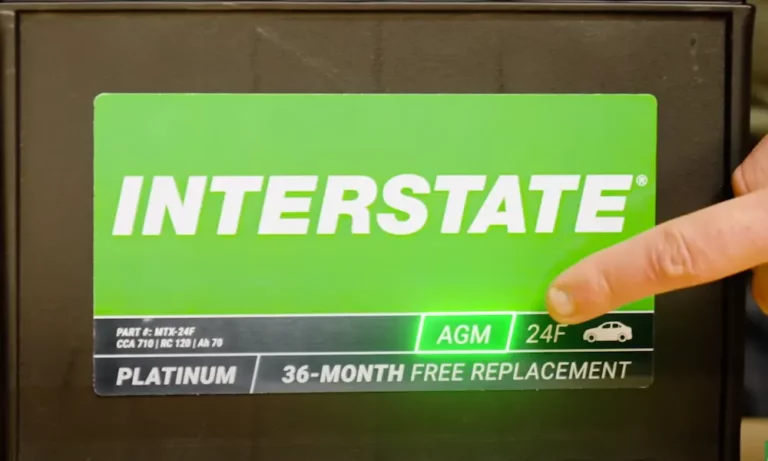
AGM stands for Absorbed Glass Mat. Instead of sloshing liquid acid like traditional batteries, AGM batteries trap the electrolyte in fiberglass mats. This design makes them spill-proof, vibration-resistant, and maintenance-free.
They’re pricier than standard flooded batteries, but AGM batteries offer superior vibration resistance thanks to their sealed design. You’ll find them in newer cars, boats, RVs, solar setups, and backup power systems.
How Long Do AGM Batteries Last in Different Uses?
In Your Car (Standard Starting)
For regular vehicles, AGM car batteries last 4 to 7 years on average. If you’re lucky with good driving habits and a healthy charging system, you might push that to 6-10 years.
Compare that to traditional flooded batteries at 3-5 years, and the math starts making sense despite the higher upfront cost.
In Start-Stop Vehicles
Got a newer car with start-stop technology? Your AGM battery’s working overtime. These batteries typically last 3 to 5 years because they handle thousands more engine starts than conventional setups.
The additional cycling in start-stop systems puts extra strain on the battery, but AGM still outperforms standard batteries in these demanding conditions.
In Boats and RVs (Deep Cycle Use)
When you’re using AGM batteries for deep cycling in marine or RV applications, expect 3 to 5 years of service. With meticulous maintenance and proper charging, you might stretch that to 7 years.
The key difference here is how deeply you discharge the battery regularly. More on that in a minute.
In Solar and Off-Grid Systems
For renewable energy storage, AGM batteries generally deliver 3 to 5 years of reliable performance. Premium models can hit 7 years if you size the system correctly and maintain proper charging protocols.
They’re not as long-lasting as lithium batteries in these applications, but they’re significantly cheaper upfront.
In Backup Power and UPS Systems
Here’s where AGM batteries shine. In standby applications like uninterruptible power supplies, they last 5 to 7 years—sometimes reaching 10-12 years under ideal conditions.
Their low self-discharge rate makes them perfect for sitting idle until you need them.
What Makes AGM Batteries Die Faster?
How Deep You Discharge Matters—Big Time
The depth of discharge dramatically impacts cycle life. Check out these numbers:
| Depth of Discharge | Expected Cycles |
|---|---|
| 30% | 1,500-2,000 |
| 50% | 1,000-1,200 |
| 80% | 500-600 |
| 100% | 300-400 |
Draining your battery to empty repeatedly will kill it fast. Keep your discharge above 50% capacity for regular use, and you’ll add years to its life.
Temperature Is Your Battery’s Worst Enemy
Heat kills batteries faster than anything else. Every 22°F increase above 77°F can cut battery life in half.
Here’s the temperature breakdown:
- 68-77°F: Full rated lifespan
- Above 100°F: Can slash lifespan by 50% or more
- Below 32°F: Reduces performance but causes less permanent damage than heat
If you park in a hot garage or live in Arizona, your battery won’t last as long as someone in a moderate climate. That’s just physics.
Charging Habits Make or Break Longevity
Using the wrong charger will trash your AGM battery. You need an AGM-compatible smart charger with temperature compensation.
Overcharging causes heat buildup and damages the plates. Undercharging leads to sulfation—crusty deposits that reduce capacity permanently.
For 12V batteries, maintain float voltages between 13.5-13.8V. Go higher, and you’re cooking your battery. Go lower, and sulfation sets in.
Your Driving Patterns Count
Short trips don’t give your alternator enough time to fully recharge the battery. If you’re only driving 10 minutes to work and back, your battery stays in a partial state of charge.
Longer drives help maintain a full charge and extend lifespan. Weekend road trips are actually good for your battery’s health.
AGM vs. Other Battery Types: Lifespan Showdown
Let’s compare how long different battery technologies last:
| Battery Type | Typical Lifespan | Maintenance | Relative Cost |
|---|---|---|---|
| Flooded Lead-Acid | 3-5 years | Regular water refills | Lowest |
| Enhanced Flooded (EFB) | 4-6 years | Minimal | Low-Medium |
| AGM | 4-7 years | None | Medium-High |
| Lithium-Ion | 8-15+ years | None | Highest |
AGM batteries can last 2-3 times longer than conventional flooded batteries while requiring zero maintenance. No more checking water levels or dealing with corrosive acid.
Warning Signs Your AGM Battery Is Dying
Don’t wait for a dead battery to strand you. Watch for these red flags:
Voltage Problems: If your battery’s resting voltage drops below 12.4V or can’t maintain above 12.5V after a full charge, it’s declining. A healthy AGM should rest around 12.7-12.8V when fully charged.
Failed Load Test: When performance drops below 75% of rated capacity, replacement time is near. Most auto parts stores test batteries for free.
Physical Damage: Swelling, cracks, or deformation of the case means immediate replacement. A damaged battery can leak or even rupture.
Electrical Gremlins: Slow cranking, dimming lights, or flickering dashboard lights often signal a weak battery—especially if these problems happen when the engine’s off.
Age Alone: Any battery over 5 years deserves close monitoring. By 6-7 years, replace it regardless of how well it seems to work. Batteries fail suddenly, not gradually.
How to Make Your AGM Battery Last Longer
Size It Right From the Start
Undersized battery banks force deep discharge cycles. If your power needs drain the battery below 50% regularly, you need more capacity.
Add up your amp-hour requirements and choose a battery that keeps you in the sweet spot of 30-50% discharge.
Invest in a Quality Charger
Cheap chargers don’t have the smarts to properly charge AGM batteries. AGM-specific smart chargers with temperature compensation adjust charging voltage based on ambient temperature.
This prevents overcharging in summer and undercharging in winter—both of which shorten lifespan.
Control the Temperature
Park in shade when possible. If you store batteries for backup power, keep them in a climate-controlled space.
Even a simple insulated battery box can buffer extreme temperatures and add years to battery life.
Monitor Regularly
Check voltage monthly with a multimeter. Clean terminals twice a year to prevent resistance buildup.
Catching small problems early prevents big failures later.
Avoid Deep Discharges
Keep discharge above 50% whenever possible. If you’re running deep cycle applications, size your battery bank so normal use stays in the shallow discharge range.
Those extra cycles at shallow discharge add up to years of additional life.
Keep Connections Clean
Corrosion increases resistance, which makes your charging system work harder and generates heat. Clean terminals with a wire brush and apply terminal protector spray.
It takes five minutes and can prevent premature failure.
Is the Extra Cost Worth It?
AGM batteries cost more upfront—sometimes twice as much as flooded batteries. But here’s the math that matters:
A quality AGM lasts 6 years with zero maintenance. A flooded battery lasts 3-4 years and needs water refills every few months.
You’ll buy two flooded batteries in the time one AGM lasts. Plus you’ll spend time maintaining the flooded batteries. For most people, AGM batteries offer better total value.
The exception? If you’re replacing a battery in an old beater you’ll sell next year, save your money and buy the cheap one.
The Bottom Line on AGM Battery Lifespan
How long do AGM batteries last? Between 3 and 7 years in most applications, with standby use pushing toward 10+ years under ideal conditions.
The wide range exists because your habits matter more than the battery itself. Proper charging, temperature control, and avoiding deep discharges can double your battery’s useful life.
Buy quality, charge smart, and don’t cook your battery in extreme heat. Do that, and you’ll get every year of service AGM technology can deliver—and probably save money compared to cheaper batteries that die young.