Thinking about buying a GMC Acadia? You’re probably wondering if it’s a vehicle you can count on for the long haul. I’ve researched extensively to bring you the unfiltered truth about Acadia reliability—from its troubling transmission issues to its standout model years. Let’s dive into what you need to know before signing on that dotted line.
GMC Acadia Reliability Rating: The Hard Numbers
Let’s not sugarcoat it—the GMC Acadia’s reliability rating isn’t impressive. It scores a 3.0 out of 5.0 according to RepairPal, ranking 23rd out of 26 midsize SUVs. That’s firmly in the “below average” category.
The numbers tell a clear story:
- Annual repair costs: $734 (higher than the $573 midsize SUV average)
- Repair frequency: 0.4 visits per year (about average)
- Serious problems: 19% of repairs are major issues (compared to just 13% for other midsize SUVs)
Over a 10-year period, you’re looking at spending about $8,533 on maintenance and repairs—roughly $325 more than the average SUV. Plus, there’s a 23.55% chance you’ll face a major repair during that time.
Best and Worst GMC Acadia Model Years
Not all Acadias are created equal. Some model years shine while others should be avoided at all costs.
The Stars: Model Years Worth Considering
If you’re set on an Acadia, focus your search on these years:
- 2015-2016: The pinnacle of first-generation reliability. These models benefited from years of refinement and most early issues had been resolved.
- 2019: A standout year for the second generation, having moved past the problematic 2017-2018 launch period.
- 2021-2023: Recent models show improved reliability, with the 2023 earning an impressive 85/100 from J.D. Power.
The Troublemakers: Years to Avoid
Steer clear of these problematic years:
- 2007-2009: Widespread transmission wave plate failures (typically around 70,000 miles) and engine oil leaks from defective timing cover gaskets were so common that GM extended warranties to 120,000 miles.
- 2014: Experienced a resurgence of problems after several improved years.
- 2017: The poster child for second-generation issues, particularly the infamous “shift to park” warning problems where the vehicle’s computer failed to recognize when the transmission was in park.
Common GMC Acadia Problems by Generation
Understanding the typical issues for each generation can help you make a more informed decision.
First Generation (2007-2016): Mechanical Headaches
The first-gen Acadias struggled with several significant mechanical issues:
- Transmission failures: Wave plates would break and damage other components, particularly in 2007-2009 models.
- Engine oil leaks: Timing cover gaskets on 2007-2008 models often started with minor seepage that worsened over time.
- Power steering issues: Many owners reported sudden heavy steering, especially after driving through puddles.
- AC condenser problems: Failures led to expensive repairs and uncomfortable summer driving.
- Power liftgate malfunctions: A common annoyance for owners of this generation.
Second Generation (2017-2023): Electronic Gremlins
The second generation traded some mechanical issues for electronic ones:
- “Shift to park” warnings: The vehicle wouldn’t recognize being in park, leading to electrical drain and potential safety concerns.
- Electronic system failures: Including instrument cluster shutdowns while driving, electrical shorts, and rearview camera failures.
- Fuel pump issues: Random shutoffs and stalling plagued some models.
- Brake problems: Loud squealing and reduced effectiveness were reported by numerous owners.
Recent models continue to face thermostat problems, AC condenser issues, shifter wiring harness failures, and carbon buildup in direct-injection engines.
Third Generation (2024-2025): New Engine Concerns
The newest Acadias bring their own set of problems:
- Engine refinement issues: The mandatory 2.5-liter turbocharged four-cylinder engine has been described as “noisy and unpleasant, even at moderate revs,” with multiple sources comparing it to “a lawnmower in the cabin.”
- Recent recalls: Include windshield bonding issues, half-shaft separation problems, and brake system failures.
- Brake system failures: A particularly concerning technical service bulletin addresses master cylinder and control system failures that can result in “total loss of brakes.”
How the Acadia Stacks Up Against Competitors
When compared to its rivals, the Acadia consistently falls short in the reliability department:
| Vehicle | Reliability Rating | Avg. Annual Repair Costs | Major Repair Likelihood (10 years) |
|---|---|---|---|
| GMC Acadia | 3.0/5.0 | $734 | 23.55% |
| Toyota Highlander | 4.0/5.0 | $500-650 | Under 15% |
| Honda Pilot | 3.5/5.0 | $550-650 | Under 18% |
The Toyota Highlander and Honda Pilot consistently outperform the Acadia in dependability, with lower annual maintenance costs and fewer serious issues. One comparison study noted: “The Highlander has slightly better reliability than the Acadia. Drive both. Pick the one you like best. If it’s the Acadia, expect to spend a little more in repairs than the Highlander.”
Recent Reliability Trends for GMC
Understanding GMC’s overall reliability performance provides important context:
- In J.D. Power’s 2024 Vehicle Dependability Study, GMC ranked 18th overall with 206 problems per 100 vehicles, below the industry average of 190.
- Consumer Reports’ December 2024 reliability report scored GMC at just 33 points out of 100, ranking it 22nd out of 32 automotive brands.
There is a silver lining, though. The GMC Acadia won first place in the Upper Midsize SUV category in J.D. Power’s 2025 Vehicle Dependability Study. This suggests that while overall GMC reliability remains concerning, the Acadia specifically may be improving compared to its immediate competitors.
The Real Cost of Owning an Acadia
When considering an Acadia, you need to look beyond the sticker price:
- Maintenance costs: Approximately $2,758 over five years, with more recent estimates suggesting $5,634 for the same period.
- Insurance costs: Average $2,212 annually.
- Depreciation: The largest expense at approximately $27,567 over five years.
These higher maintenance and repair costs can significantly impact long-term ownership value compared to more reliable competitors. That 23.55% chance of a major repair within 10 years represents a meaningful financial risk you should factor into your decision.
Transmission Issues: The Acadia’s Achilles Heel
Transmission problems have plagued the Acadia throughout much of its history, particularly in first-generation models. The wave plate failures in 2007-2009 models were so widespread that GM extended warranties.
Common transmission symptoms to watch for include:
- Sudden jerking or lurching during gear changes
- Delayed engagement when shifting from park to drive
- Strange noises like grinding or whining
- Transmission fluid leaks
- Complete transmission failure, often around 70,000-100,000 miles
Second-generation models (2017+) improved transmission reliability somewhat but introduced the “shift to park” issue where the vehicle wouldn’t recognize when it was in park. This could prevent the vehicle from shutting down properly, draining the battery and potentially creating safety hazards.
Engine Reliability: Mixed Results
The Acadia’s engine reliability varies significantly by generation and engine option:
- 3.6L V6 (First Generation): Generally reliable once early timing cover gasket issues were addressed, but oil consumption problems persisted in some models.
- 2.5L Four-Cylinder and 3.6L V6 (Second Generation): The V6 proved more reliable than the four-cylinder, which suffered from carbon buildup issues common to direct-injection engines.
- 2.5L Turbocharged Four-Cylinder (Third Generation): Too new for long-term reliability data, but early reports suggest refinement issues and concerning noise levels.
One recurring issue across generations is carbon buildup on intake valves, particularly in direct-injection engines. This can lead to poor performance, reduced fuel economy, and eventually expensive cleaning procedures.
Electrical System Problems
As the Acadia has evolved, electrical issues have become increasingly common:
- Power window failures: Regulators and motors frequently fail, especially in first-generation models.
- Instrument cluster malfunctions: Gauges and warning lights that work intermittently or display incorrect information.
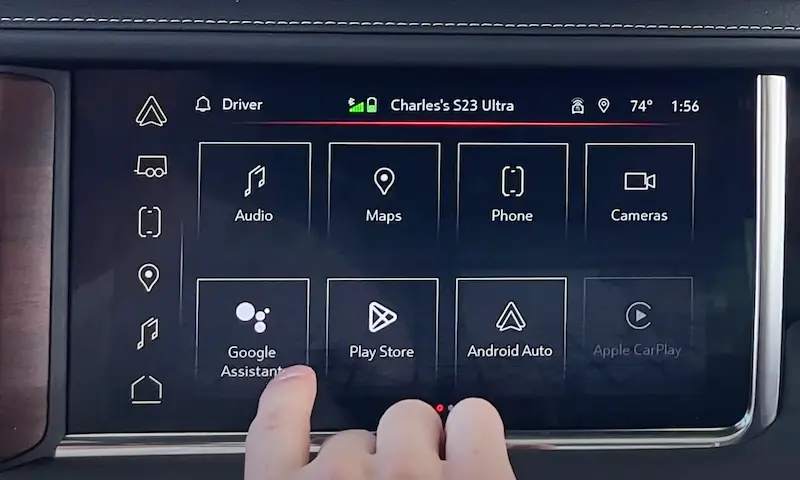
- Infotainment system glitches: Touchscreen freezes, audio cutting out, and Bluetooth connectivity problems.
- Battery drain issues: Often related to the “shift to park” problem in second-generation models.
Many owners report frustrating diagnostic experiences with electrical problems, as they can be intermittent and difficult for technicians to reproduce during service visits.
Suspension and Steering Concerns
The Acadia’s ride quality is generally praised, but several suspension and steering issues have emerged over the years:
- Steering rack failures: Leading to heavy steering or complete loss of power assist.
- Premature strut and shock absorber wear: Particularly in models used on rough roads.
- Front-end alignment problems: Leading to uneven tire wear and handling issues.
- Power steering pump failures: Often preceded by whining noises when turning the wheel.
These issues typically become apparent as vehicles age past the 60,000-mile mark, with repair costs often exceeding $1,000 for major components.
Interior and Exterior Durability
Beyond mechanical reliability, how does the Acadia hold up over time?
Interior wear points:
- Third-row seat mechanisms commonly fail after repeated use
- Center console lids and hinges break with regular use
- Climate control buttons lose their lettering
- Seat upholstery shows premature wear, especially in leather-trimmed models
Exterior concerns:
- Paint chipping and peeling, particularly on the hood and front bumper
- Premature rusting in northern climates, especially around wheel wells
- Tailgate and liftgate alignment issues develop over time
- Headlight lenses fog and yellow faster than competitors
Is a Used GMC Acadia a Good Buy?
If you’re considering a used Acadia, proceed with caution. Here’s what you need to know:
- Prioritize the right model years: Focus on 2015-2016 for first-gen models or 2019, 2021-2023 for second-gen.
- Demand service records: Look for evidence of regular maintenance and prompt repairs.
- Check for recalls: Use the NHTSA website to verify all recalls have been addressed.
- Budget for repairs: Even the best Acadia years will likely cost more to maintain than many competitors.
- Consider a pre-purchase inspection: Have a trusted mechanic specifically check the transmission, engine, and electrical systems.
A thorough pre-purchase inspection is especially important with Acadias. Many issues aren’t immediately apparent during a test drive but can be detected by an experienced mechanic.
Is the 2024-2025 GMC Acadia Worth Buying New?
The completely redesigned 2024-2025 Acadia represents a fresh start for the model, but early reports show mixed results:
Pros:
- Attractive new styling inside and out
- More spacious interior than previous generations
- Improved technology features
- Strong initial quality scores
Cons:
- Engine noise and refinement complaints are widespread
- Concerning early reports about brake system issues
- Unknown long-term reliability with the new powertrain
- Higher starting price than previous generations
It’s generally wise to avoid the first model year of any major redesign, and early owner reports suggest the 2024 Acadia might follow this pattern. If you’re set on the new generation, waiting for the 2025 or 2026 model year might be prudent to allow GM time to address initial problems.
The Verdict: Are GMC Acadias Reliable?
After thorough analysis, the answer is clear: GMC Acadias are generally less reliable than most midsize SUV competitors. While certain model years offer acceptable dependability, the nameplate consistently ranks below average in reliability metrics.
If you prioritize reliability above all else, vehicles like the Toyota Highlander, Honda Pilot, or Mazda CX-9 will likely serve you better with lower long-term costs. However, if you’re drawn to the Acadia’s styling, features, or value proposition, you can minimize reliability risks by:
- Choosing recommended model years (2015-2016, 2019, 2021-2023)
- Budgeting for higher-than-average maintenance costs
- Following the maintenance schedule rigorously
- Addressing minor issues promptly before they become major problems
The GMC Acadia can be a satisfying vehicle for many owners, but it requires more attention, maintenance, and repair budget than most of its competitors. Enter ownership with realistic expectations, and you’ll be better prepared for the journey ahead.