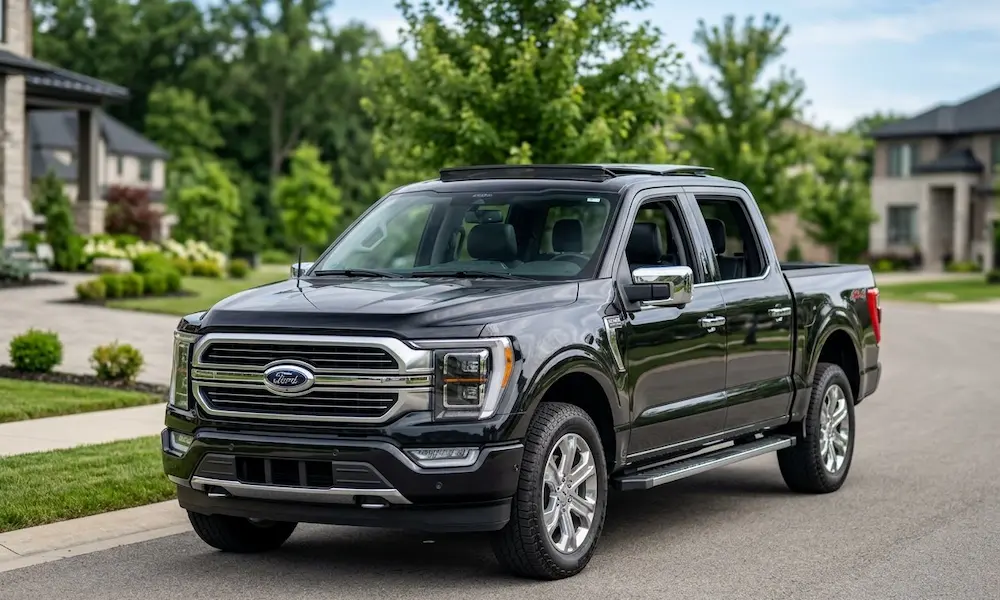
Having trouble with your truck’s heating or cooling? You might be dealing with a faulty blend door actuator. These small motors control the airflow in your Ford F150’s HVAC system, and when they fail, they can cause all sorts of climate control headaches. Let’s dive into where these pesky components are located and how you can address common problems.
What Is a Blend Door Actuator?
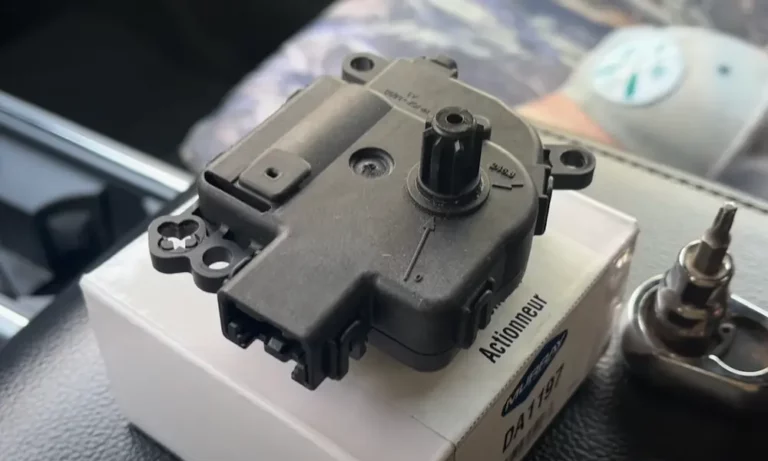
A blend door actuator is an electric motor that controls the position of air doors inside your F150’s HVAC system. These doors direct airflow through different paths to control temperature and ventilation. Your truck has several actuators that work together to maintain your desired cabin climate.
When working properly, these actuators respond to your climate control settings by moving blend doors to direct air through the heater core for warmth or bypass it for cool air. In dual-zone systems, separate actuators handle driver and passenger temperature settings.
How to Identify a Failed Blend Door Actuator
Before hunting for these components, make sure you actually have an actuator problem. Common symptoms include:
- Clicking or ticking noises from behind the dashboard
- Temperature control problems (too hot, too cold, or inconsistent)
- Stuck airflow direction that won’t change when you adjust settings
- No air coming from certain vents
That persistent clicking sound is often the first sign of trouble—it happens when an actuator’s plastic gears start to strip and the motor keeps trying to move the door.
Ford F150 Blend Door Actuator Locations (2009-2014 Models)
Passenger-Side Temperature Blend Door Actuator
This is one of the most commonly failing actuators in the 2009-2014 F150s.
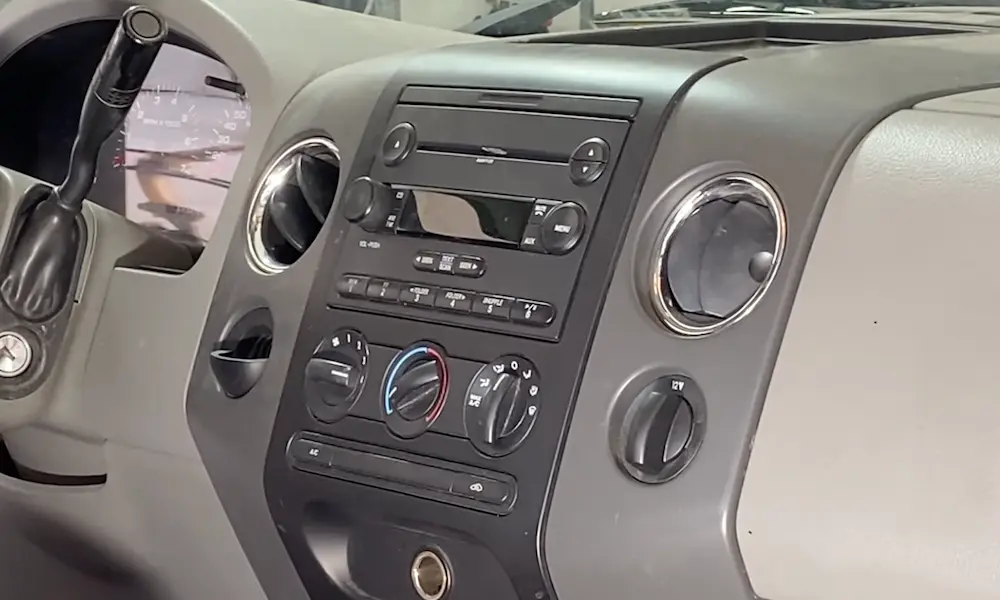
Location: Behind the center stack of your dashboard, near the glove box area.
Access steps:
- Remove the glove box (usually involves squeezing sides to release)
- Take out the auxiliary port module if present
- Remove center stack trim using a plastic pry tool
- Look for the actuator near the evaporator core, secured by two 8mm or T20 Torx screws
This actuator is responsible for temperature regulation and often causes clicking sounds when failing. According to technical guides, you’ll need trim removal tools and a socket set for proper access.
Driver-Side Mode Door Actuator
Location: Above the brake pedal, attached to the HVAC housing.
Access steps:
- Remove the lower dashboard panel under the steering column
- Locate the actuator above the brake pedal assembly
- Disconnect the electrical connector
- Remove two 8mm mounting screws to free the actuator
This actuator controls which vents receive airflow. When it fails, you might notice air only coming from certain vents regardless of your settings. Repair manuals indicate this is usually easier to access than the passenger-side actuator.
Ford F150 Blend Door Actuator Locations (2015-2020 Models)
The 13th generation F150s have a slightly different layout for their HVAC components.
Passenger-Side Temperature Blend Door Actuator
Location: Behind the glove box, attached to the HVAC housing.
Part Number: FL3Z-19E616-B (for 2015-2020 models)
Access steps:
- Lower the glove box by squeezing the sides and allowing it to hang down
- Remove the side panel of the glove box compartment
- Look for the actuator near the blower motor, secured by two T20 Torx screws
- Disconnect the electrical connector before removing
This actuator is much more accessible in newer F150s compared to earlier generations. According to technical videos, this is one of the simpler actuator replacements.
Driver-Side Main Mode Door Actuator
Location: Under the steering column, next to the gas pedal.
Part Number: FL3Z-19E616-C
Access steps:
- Remove the knee bolster panel under the steering wheel
- Use a T20 Torx socket with extensions to reach the actuator
- Disconnect the wiring harness
- Remove mounting screws and replace
This actuator controls the main mode doors that direct air to different vent locations. Repair guides show this can be challenging to access due to its position deep under the dash.
Air Inlet Door Actuator (Recirculation)
Location: Passenger-side footwell, near the blower motor.
Function: Controls whether you’re getting fresh outside air or recirculated cabin air.
This actuator typically fails less often than the temperature and mode actuators but can cause issues with the recirculation function when it does. Technical resources indicate this is usually accessible after removing lower dash panels.
Tools Needed for Blend Door Actuator Replacement
Before starting any actuator replacement, gather these essential tools:
- Trim removal tools (plastic pry bars to prevent dashboard damage)
- T20 Torx bits and driver
- 8mm socket and ratchet
- Flexible extensions for your ratchet
- Flashlight or headlamp
- Gloves to protect your hands from sharp edges
Taking your time with trim removal is crucial—rushing can lead to broken clips and damaged interior pieces.
Blend Door Actuator Part Numbers and Compatibility
| Part Description | Part Number | Model Years |
|---|---|---|
| Passenger-Side Blend Actuator | FL3Z-19E616-B | 2014-2020 |
| Driver-Side Mode Actuator | FL3Z-19E616-C | 2014-2020 |
| Air Inlet Actuator | FR3Z-19E616-E | 2015-2020 |
| Single-Zone Blend Actuator | YH-1881 | 2009-2014 |
Always verify the correct part for your specific truck’s year and climate control system (single vs. dual-zone) before purchasing replacements.
Troubleshooting Specific Blend Door Actuator Issues
Clicking Noises from Dashboard
Likely cause: Stripped gears in the temperature blend door actuator.
Fix: Replace the failing actuator—usually the passenger-side temperature actuator is the culprit. The clicking occurs when the plastic gears inside try to turn but skip teeth. This is the most common symptom of actuator failure.
One-Side Temperature Failure (Dual-Zone)
Likely cause: Faulty passenger- or driver-side temperature actuator.
Diagnosis: If your dual-zone climate control only works on one side, the blend door actuator for the affected side has likely failed. User reports indicate this is a common issue, especially in 2015+ models.
No Airflow Through Vents
Likely cause: Stuck mode door actuator.
Solution: Replace the main mode door actuator, which is typically located on the driver’s side under the dash. When this actuator fails, it can leave doors stuck in positions that block airflow to vents.
Calibration After Actuator Replacement
After installing a new blend door actuator, you’ll need to perform a calibration procedure:
- Disconnect the negative battery terminal for about 10 minutes
- Reconnect the battery
- Turn the ignition to “ON” position (don’t start the engine)
- Set the climate control to various settings, cycling through all modes and temperatures
This procedure allows the system to recognize the new actuator and reset its position limits. Skipping this step can lead to continued HVAC issues even with the new actuator.
The Importance of OEM Parts
While aftermarket actuators are available at lower prices, many F150 owners report better reliability with genuine Ford parts. The plastic gears in OEM actuators tend to be more durable than those in cheaper alternatives.
The extra cost often pays off in longevity, especially considering the labor involved in accessing these components. According to repair experts, OEM parts typically have better quality control and fit.
Preventing Future Blend Door Actuator Failures
To extend the life of your new actuators:
- Avoid aggressive temperature changes (rapidly switching from max heat to max A/C)
- Regularly service your climate control system
- Keep your cabin air filter clean to reduce strain on the system
- Address unusual noises promptly before complete failure occurs
Most actuators fail due to wear on their plastic gears over time. Unfortunately, this is somewhat inevitable but can be prolonged with gentle use.
Dual-Zone vs. Single-Zone Considerations
Trucks with dual-zone climate control have additional actuators to manage separate temperature zones. This makes diagnosis slightly more complicated—you’ll need to determine which side is having issues.
In single-zone systems, there are fewer actuators, but the replacement process is generally similar. The main difference is in the number and location of components rather than the replacement procedure itself.
Time and Cost Expectations
A professional mechanic will charge 1-3 hours of labor for most blend door actuator replacements, depending on location. The parts themselves typically cost between $30-$80 each for OEM components.
DIY replacement can save significant labor costs if you’re comfortable working with dashboard components. Owner experiences suggest most actuators can be replaced in 1-2 hours once you know what you’re doing.
By understanding where these crucial components are located and how to access them, you can restore proper function to your F150’s climate control system and enjoy comfortable driving in any weather.