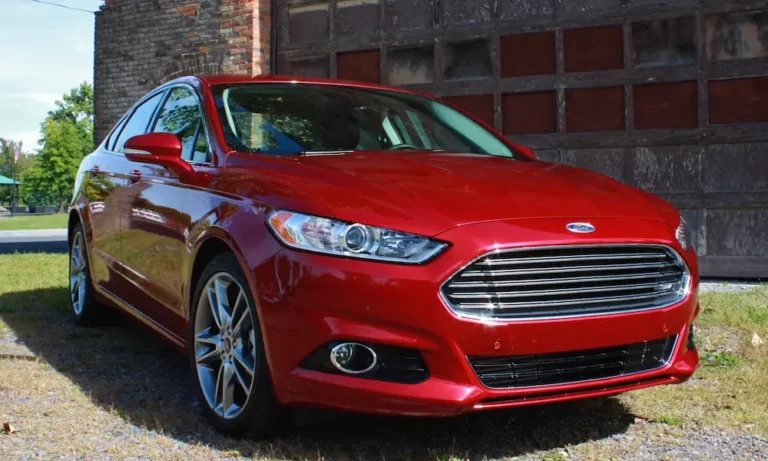
If your Ford Fusion is slipping gears, shuddering on the highway, or suddenly losing reverse, you’re dealing with one of the most documented headaches in the used car market. Ford Fusion transmission problems have frustrated owners for over a decade — and some of them come with serious safety risks. Read this before you hand over money to a shop.
Which Ford Fusion Transmissions Actually Cause Problems?
Not every Fusion transmission is a ticking clock. The trouble really depends on what’s under the hood and what year you’re driving.
Here’s a quick look at the main transmission types across the Fusion’s lifespan (2006–2020):
| Model Years | Engine | Transmission | Reliability |
|---|---|---|---|
| 2006–2009 | 2.3L I4 | FNR5 / G5M (Mazda) | ✅ Solid |
| 2006–2009 | 3.0L V6 | Aisin AWF21 | ✅ Generally good |
| 2010–2020 | Most gas engines | Ford 6F35 | ❌ Problematic |
| 2017–2019 | 2.7L V6 Sport | Ford 6F55 | ⚠️ Watch it |
| 2013–2020 | Hybrid/Energi | HF35 eCVT | ✅ More reliable |
| 2019–2020 | 1.5L / 2.0L EB | Ford 8F35 | ⚠️ Still being tracked |
The Ford 6F35 is the main offender. It covers nearly every gas-powered second-generation Fusion (2013–2020) and the refreshed first-gen models from 2010 onward. If you own one of these, this post is for you.
The Ford 6F35: Why It Fails So Often
The 6F35 was designed as a joint venture between Ford and General Motors. On paper, it looked great — compact, fuel-efficient, and electronically controlled. In reality, it developed a long track record of hydraulic wear, gear loss, and shuddering that’s still biting owners today.
The Valve Body Wears Out Too Fast
The valve body is the brain of the 6F35. It converts electronic signals into physical gear changes by routing hydraulic fluid through a series of small bores.
Here’s the problem: those bores are made of aluminum. The valves moving through them are steel. Steel wins that fight every time.
Over thousands of drive cycles — especially in stop-and-go traffic — the steel valves erode the aluminum bores. Once that happens, the transmission can’t hold consistent hydraulic pressure. You’ll start losing 4th, 5th, and 6th gears. Shifts flare — meaning your RPM spikes between gear changes before the transmission catches up.
The solenoid regulator valve bore is the first to go on units built between 2009 and 2013.5. High-mileage city drivers tend to hit this failure faster than highway drivers.
Highway Shudder Is a Torque Converter Problem
That annoying vibration you feel cruising at 40–60 mph — like you’re driving over rumble strips — isn’t your tires. It’s your torque converter clutch slipping.
Ford programs the 6F35 to lock the torque converter aggressively to improve fuel economy. That high duty cycle chews through the torque converter clutch (TCC) regulator valve bore. When that bore wears, the clutch grabs and releases erratically instead of locking smoothly.
Leave it alone long enough, and the friction material inside the torque converter shreds. That metallic debris travels through the whole transmission, taking out solenoids and valve bores along the way.
You Can Lose Reverse Overnight
This one catches owners completely off guard. The 6F35 has a steel separator plate inside the valve body with a “Drive 2” check ball that repeatedly slams into the same spot. Eventually, that check ball either damages the seat or punches straight through the plate.
When that happens, you lose Reverse entirely. Some drivers also experience a “Neutral” feeling during the 2-3 shift — the car just coasts with no power delivery. This isn’t a software glitch. It’s a physical breach inside the transmission.
The Case Itself Can Wear Out
Even the aluminum transmission case isn’t safe. The differential housing bearing surface wears down over time, creating a gap where the bearing rides. You’ll hear a clunk every time you accelerate or lift off the gas.
In most cases, fixing this means replacing an entire case half — not a cheap afternoon job.
Ford Fusion Hybrid Transmission: More Reliable, But Not Perfect
Good news if you drive a Fusion Hybrid or Energi: the HF35 eCVT is a fundamentally different design. It uses a planetary gear set and two electric motor-generators instead of clutches and hydraulic circuits. That means it skips most of the failure modes that plague the 6F35.
Technical data supports that the HF35 is significantly more reliable than its gas counterparts, with many units crossing high mileage marks without major issues.
That said, it’s not bulletproof. Units built on or before August 15, 2015, can develop a thumping or grinding noise that’s present any time the car moves. This NHTSA technical service bulletin ties the noise to physical damage in the differential roller bearings or the damper housing. Unlike a 6F35 valve body repair, this failure usually requires a full transmission replacement — and dealer quotes for HF35 swaps often exceed $8,000.
The Shifter Bushing Recall: A Safety Issue, Not Just a Nuisance
This one’s different from mechanical gear failures, but it’s arguably more dangerous.
A plastic bushing connects your shifter cable to the transmission. Heat and humidity break it down over time. When it fails, the cable detaches from the transmission’s manual lever. You move the shifter to Park. The display says Park. But the transmission is still in Drive or Reverse.
You pull the key. You walk away. The car rolls.
NHTSA recall 18V-471 flagged this issue, and Ford eventually expanded it into a massive multi-stage recall campaign:
| Recall | Year | Vehicles Covered | Scale |
|---|---|---|---|
| 18S20 | 2018 | 2013–16 Fusion, 2013–14 Escape | ~550,000 |
| 19S16 | 2019 | 2013–16 Fusion (2.5L) | ~259,000 |
| 22S43 | 2022 | 2013–19 Escape, 2013–16 Fusion + others | ~2.9 Million |
Ford’s fix replaces the bushing with a stronger material and adds a protective cap. If you haven’t had this done yet, check your VIN at the NHTSA recall database immediately.
Until then: always use your parking brake when you exit the car. Every single time.
Software Updates Won’t Save a Worn Transmission
The 6F35 uses “adaptive learning” — the Transmission Control Module (TCM) watches how long each shift takes and adjusts hydraulic pressure to compensate for wear. It sounds clever, and it can smooth out early-stage problems.
But software has limits.
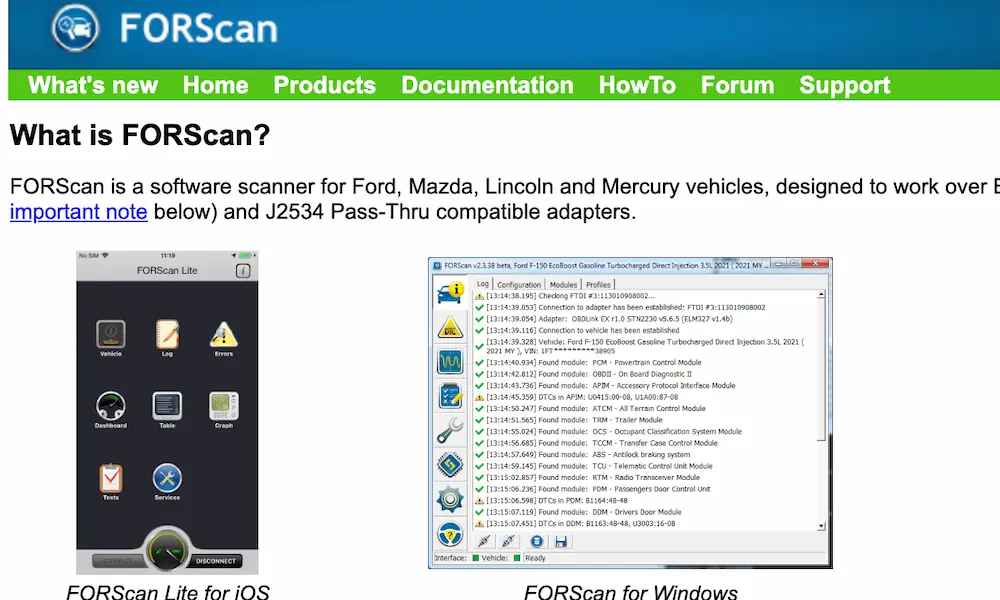
Ford technicians use the Integrated Diagnostic System (IDS) and reference TSB 13-9-4 to reprogram the PCM/TCM and monitor shift behavior through specific data channels. If the RPM difference between input and output shafts exceeds 250 RPM during a clutch apply event, no software patch fixes that. The hardware needs replacing.
The bigger concern: many owners report that software updates acted as temporary patches that kept the transmission limping along just long enough to fall outside the powertrain warranty window. That’s not a coincidence — it’s a pattern that’s now at the center of a class action lawsuit.
Also worth knowing: every time you disconnect the battery or have transmission work done, the TCM’s Keep Alive Memory (KAM) resets. The transmission has to relearn your driving habits, which means expect firmer-than-normal shifts for several days after any service.
The “Sealed for Life” Fluid Myth Is Costing Owners Thousands
Ford originally marketed the 6F35 as a sealed-for-life unit — no fluid changes needed until 150,000 miles. That advice has aged terribly.
The 6F35 runs hot. Mercon LV fluid — the only approved fluid for this transmission — oxidizes under heat and loses its protective qualities well before that 150,000-mile mark. As the fluid breaks down, it stops protecting the aluminum bores and bushings that are already vulnerable.
Making it worse: the internal filter sits deep inside the case and isn’t serviceable without splitting the transmission. Every mile you drive, metallic debris from normal wear stays in the fluid and keeps grinding away at your solenoids and valve bores.
Here’s what actual experts recommend versus what Ford says:
| Service Task | Ford’s Official Interval | What Experts Recommend |
|---|---|---|
| Fluid exchange | 150,000 miles | Every 30,000–45,000 miles |
| Fluid type | Mercon LV | Mercon LV only — no substitutes |
| Inspection | As needed | Every oil change |
| Software check | As needed | Every 30,000 miles |
One critical warning: Mercon LV and Mercon V are not compatible. Using the wrong fluid can destroy your seals and destabilize hydraulics fast. Don’t let a shop guess on this.
What Ford Fusion Transmission Repairs Actually Cost
Your repair bill depends heavily on how far the damage has gone.
- Solenoid replacement: $250–$600
- Remanufactured valve body: $375–$1,000 installed
- Full 6F35 remanufactured unit: $2,460 for the part alone; $3,000–$7,000 total with labor
- HF35 hybrid replacement: Often $8,000+ at dealers
On the rebuild vs. remanufactured question: a local rebuild costs $1,000–$3,500 and depends entirely on your tech’s skill level. A remanufactured unit typically comes with upgraded internals — reinforced valve body bores, updated check balls — plus a longer warranty. For high-mileage Fusions, the remanufactured route is usually the smarter long-term call.
The Class Action Lawsuit: What It Means for You
In March 2024, a class action lawsuit (Case No. 2:24-cv-10721) was filed in Michigan targeting Ford’s 6F35 transmission in 2010–2020 Fusions and 2009–2021 Escapes. The core allegation is that Ford knew about these defects since at least 2009 and chose software patches over a real mechanical recall.
The lawsuit also claims owners who sought warranty repairs often got the same defective components back — effectively running out the clock until coverage expired.
If you’ve had repeated 6F35 failures and paid out-of-pocket, it’s worth checking in with a lemon law attorney to understand your options. The 8F35 eight-speed transmission is also listed tentatively in the suit, pending a court review of whether its issues match the 6F35’s pattern.
Spot the Warning Signs Early
Catching Ford Fusion transmission problems early can save you thousands. Watch for:
- RPM flare between shifts — engine revs up, but the car hesitates to accelerate
- Shudder at highway speeds — feels like rumble strips at 40–60 mph
- Sudden loss of Reverse — no warning, just gone
- Clunk when you accelerate or lift off — case bearing wear
- Grinding or thumping in a Hybrid — differential bearing damage
- Shifts feel sluggish or harsh after sitting overnight — fluid breakdown or solenoid wear
Don’t wait for a warning light. The 6F35 can fail hard without much notice, and by the time the light comes on, the damage is usually already expensive.