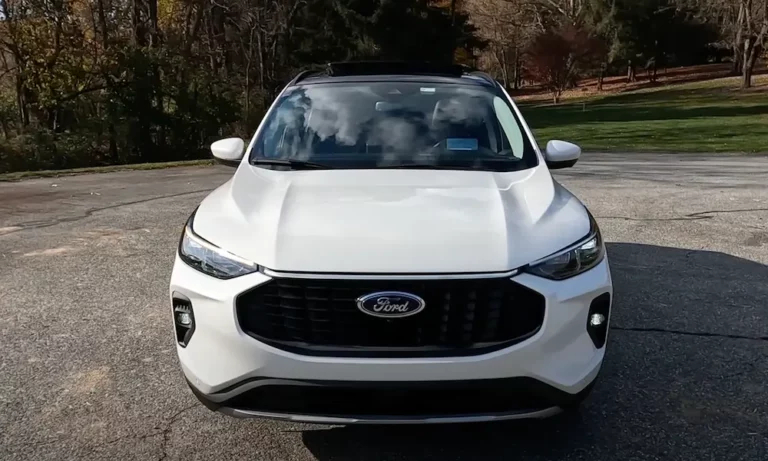
Thinking about a Ford Escape Hybrid? While these vehicles offer impressive fuel efficiency and eco-friendly features, they’re not without their share of headaches. We’ve researched the most common Ford Escape Hybrid problems to help you make an informed decision before signing on the dotted line.
Electrical System and 12-Volt Battery Issues
The 2020-2021 Escape Hybrids frequently suffer from rapidly depleting 12-volt batteries. This isn’t just an inconvenience – it can leave you stranded with a vehicle that won’t start and disabled electronics including remote start and door locks.
These battery issues typically show up as:
- Sudden no-start conditions
- “Deep Sleep” warnings on the FordPass app
- Disabled electronics and security features
- Battery drain even when the vehicle isn’t being used
The problems get worse if you:
- Only make short, infrequent trips
- Store the vehicle in cold weather
- Keep plug-in hybrid variants continuously connected when already fully charged
Many owners have found success by upgrading to higher-capacity AGM batteries. You can also help maintain the 12-volt charge by taking longer drives and avoiding exclusively short trips.
High-Voltage Battery and Hybrid System Defects
A manufacturing defect affecting the high-voltage battery cells in 2020-2024 models poses serious safety concerns. Approximately 20,484 Escape and Corsair PHEVs were recalled for these battery-cell defects.
The most alarming issues include:
- Internal short circuits in battery cells
- Sudden loss of propulsion while driving
- Risk of thermal venting
- Potential fire hazards
- “Stop Safely Now” warning messages
If you own an Escape Hybrid from these model years, check your VIN with Ford or on the NHTSA website to see if your vehicle is affected by the recall.
Engine Failure and Fire Risks
The 2020-2023 models equipped with the 2.5L hybrid engine face a significant recall (23S27) due to engine block or oil-pan failures. These problems can release oil and fuel vapor into hot areas of the engine compartment, creating a serious fire risk.
According to Ford’s support page, over 125,000 Escapes are affected by this recall. Warning signs include:
- Unusual engine noises
- Sudden power loss
- Smoke or burning smells
- Oil leaks or puddles under the vehicle
If you experience any of these symptoms, stop driving immediately and contact your dealer. Ford has developed updated engine components and software to detect block breaches, with repair parts becoming available in late 2023.
Steering Assist Failures
One of the most frightening problems reported in Ford Escape Hybrids is sudden steering assist failure. This issue affects numerous model years but was especially prevalent in 2008-2010 vehicles.
Signs of steering problems include:
- Sudden loss of power steering while driving
- “Power Steering Assist Fault” warnings on the dashboard
- Excessively stiff steering that requires significant effort
- Steering that becomes progressively harder to turn
This problem can be particularly dangerous when it occurs at highway speeds or during parking maneuvers. Owners of older models face particularly expensive repairs, with replacement costs for discontinued EPS modules or rack-and-pinion components often exceeding $2,000.
While there was an earlier recall (NHTSA Campaign 14V-284000), many pre-2011 models aren’t covered by current recalls, leaving owners with hefty repair bills.
Transmission Issues and Failures
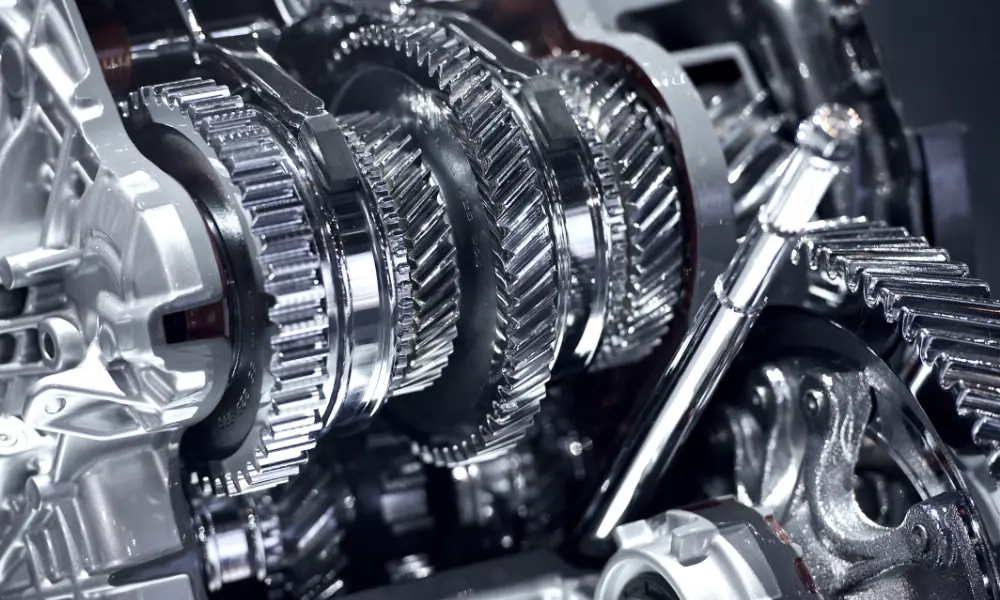
Several 2020 Escape Hybrid owners have reported a distinctive rattling noise from the e-CVT transmission during deceleration. This is often attributed to wear in the planetary gears.
For earlier generations (2005-2014), common transmission problems include:
- Hard shifting
- Slipping transmission
- Grinding or whining noises
- Hesitation when accelerating
While not subject to a formal recall, if you notice transmission noise in your Escape Hybrid, have the dealer check for software updates and inspect the hybrid transaxle before the problem worsens.
Brake and Suspension Problems
The braking system in Ford Escape Hybrids has its share of issues:
- Brake boost-pressure loss, particularly in 2010 models
- Brake pedal traveling to the floor on startup
- Faulty brake-booster assemblies requiring replacement
Beyond brakes, owners have reported:
- Rear differential and transfer case failures (especially in 2006 4WD Hybrids)
- Excessive rust in wheel wells and frame rails (common in 2005-2006 models)
- Suspension component failures accelerated by corrosion
These issues not only affect comfort and handling but can compromise safety. Regular inspections and undercoating are recommended, especially for vehicles in regions with harsh winters and road salt exposure.
Reliability Ratings: Mixed Reviews
The reliability ratings for the Ford Escape Hybrid show significant discrepancies depending on the source:
| Source | Rating | Notes |
|---|---|---|
| Consumer Reports (2025) | 21/100 | Among least reliable vehicles |
| J.D. Power (2025) | 85/100 | Estimates 120,000 miles before major issues |
According to Ford Authority, the 2025 Escape Hybrid earned a dismal 21/100 in Consumer Reports’ predicted reliability, ranking it among the least reliable vehicles in its class. Issues span across hybrid battery components, brakes, electronics, and various leaks.
In contrast, TopSpeed reports that J.D. Power gave the same model year an 85/100 reliability score, suggesting longevity of approximately 120,000 miles before major faults develop.
This stark difference highlights how varied the ownership experience can be and underscores the importance of thorough research and pre-purchase inspections.
Recommendations for Buyers and Current Owners
For Prospective Buyers:
- Run a VIN check: Before purchasing, check the vehicle’s history and verify any open recalls.
- Get a pre-purchase inspection: Have a mechanic familiar with hybrid systems thoroughly examine the vehicle, paying close attention to:
- Battery health (both 12V and high-voltage)
- Steering system functionality
- Transmission noise and performance
- Evidence of rust or corrosion
- Brake system operation
- Consider model year carefully: Later models (after 2020) offer improved fuel efficiency but come with their own set of problems. The sweet spot may be 2017-2019 models, which have fewer reported issues.
- Budget for an extended warranty: Given the potential for expensive hybrid component failures, an extended warranty that specifically covers hybrid-system components may be worth the investment.
For Current Owners:
- Stay on top of recalls: Regularly check for open recalls using your VIN on the NHTSA website. Current critical recalls include:
- Battery-cell defects (24V-954)
- Engine failure (23S27)
- Fuel-injector fire risk (25V-467) for 2020-2022 models
- Maintain your 12-volt battery: Consider upgrading to a higher-capacity AGM battery and make sure to take longer drives periodically to maintain charge.
- Watch for warning signs: Don’t ignore dashboard warnings, unusual noises, or changes in vehicle performance. Early intervention can prevent more expensive repairs.
- Follow a rigorous maintenance schedule: Hybrid vehicles have unique maintenance needs. Follow Ford’s recommended service intervals and use qualified technicians familiar with hybrid systems.
- Document everything: Keep detailed records of all services, repairs, and issues. This documentation can be valuable for warranty claims and when selling the vehicle.
A Cost-Benefit Analysis
Despite these problems, the Ford Escape Hybrid offers compelling benefits:
| Pros | Cons |
|---|---|
| Excellent fuel economy (40+ mpg city) | Potential battery and electrical issues |
| Lower emissions | Higher repair costs for hybrid components |
| Available AWD with hybrid powertrain | Reliability concerns in certain model years |
| Spacious interior for its class | Expensive transmission repairs if needed |
| Generous standard features | Recall-related safety concerns |
The Ford Escape Hybrid represents a complex value proposition. While it offers impressive fuel economy and environmental benefits, prospective buyers must weigh these against the potential for costly repairs and reliability concerns.
By familiarizing yourself with these common Ford Escape Hybrid problems and taking preventive measures, you can make an informed decision about whether this vehicle fits your needs and risk tolerance. For current owners, staying vigilant about maintenance and recalls will help maximize your vehicle’s lifespan and minimize unexpected hassles.