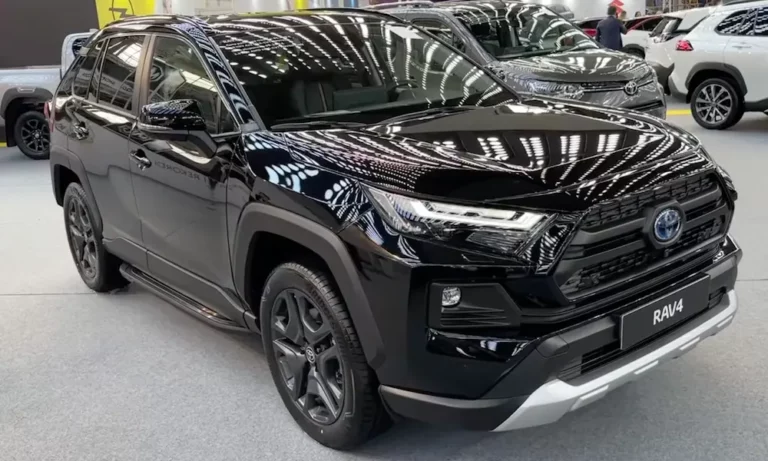
Facing potential battery issues with your Toyota RAV4 Hybrid? The good news is that these vehicles feature some of the most reliable hybrid systems on the market. But if you’re approaching high mileage or experiencing battery warning signs, you probably want to know what you’re in for. I’ll break down everything about RAV4 Hybrid battery replacement—from costs and warning signs to warranty coverage and ways to extend battery life.
How Long Does a Toyota RAV4 Hybrid Battery Last?
Toyota’s hybrid batteries are designed for impressive longevity. The engineering target for both nickel-metal-hydride and newer lithium-ion batteries is 10-15 years or 150,000-200,000 miles under typical driving conditions.
Real-world data backs this up. Many RAV4 Hybrid owners report hitting the 200,000-mile mark on their original battery pack with no issues. Toyota dealer service records show remarkably low failure rates during the first 8 years of ownership.
What affects battery life:
- Driving habits (gentle acceleration preserves battery health)
- Climate (extreme heat accelerates degradation)
- Maintenance (keeping cooling vents clean is crucial)
- Usage patterns (regular driving prevents cell imbalance)
Toyota RAV4 Hybrid Battery Warranty Coverage
Good news for newer RAV4 Hybrid owners—Toyota significantly extended their hybrid battery warranty in recent years:
| Model Year | Hybrid Battery Warranty | Other Hybrid Components |
|---|---|---|
| 2020 – present | 10 years / 150,000 miles | 8 years / 100,000 miles |
| 2019 and earlier | 8 years / 100,000 miles | 8 years / 100,000 miles |
This enhanced hybrid battery warranty covers all parts and labor for replacement if your battery fails during the covered period. The warranty transfers to subsequent owners, making certified pre-owned RAV4 Hybrids an attractive option.
Toyota’s warranty extension shows their confidence in their hybrid technology. According to data from Toyota dealerships, less than 1% of RAV4 Hybrid batteries require warranty replacement.
What Does Toyota RAV4 Hybrid Battery Replacement Cost?
If your battery fails outside warranty coverage, you have several options with varying costs:
| Replacement Option | Parts Cost | Installed Total | Warranty |
|---|---|---|---|
| New OEM Toyota battery | $3,000-$8,000 | $4,000-$9,000 | Varies by dealer (typically 1-3 years) |
| Remanufactured/refurbished | $1,500-$3,500 | $2,000-$4,500 | 1-3 years depending on shop |
| Used (salvage) battery | $800-$2,000 | $1,500-$3,000 | 90 days to 1 year typically |
Labor costs add approximately $500-$1,000 to these prices, as replacement typically takes 2-4 hours for a qualified technician. According to Green Tec Auto, labor rates vary significantly by region, ranging from $120 to $180 per hour at dealerships.
A complete battery replacement includes:
- Removal and reinstallation of the sealed battery assembly
- Reuse of the metal battery case/housing
- Reset of battery management system calibrations
- High-voltage system testing and verification
Warning Signs Your RAV4 Hybrid Battery Is Failing
Don’t wait for complete failure—catching battery issues early can sometimes save you from a full replacement. Here are the key warning signs to watch for:
- Decreased fuel economy: A sudden drop of 5+ MPG can indicate battery problems
- Increased gas engine use: Engine running more frequently or not shutting off at stops
- Erratic charge gauge: The battery charge indicator fluctuates wildly or shows empty despite driving conditions
- Warning lights: “Check Hybrid System” or battery-specific warnings on your dashboard
- Unusual hybrid cooling fan noise: Constant or extremely loud cooling fan operation
Many owners report experiencing reduced acceleration or power before complete battery failure, especially when driving uphill or attempting to pass other vehicles.
How to Extend Your RAV4 Hybrid Battery Life
You can maximize your battery’s lifespan with these practices:
- Maintain good airflow: Keep cabin air filters clean and ensure battery cooling vents remain unobstructed by cargo or debris
- Avoid temperature extremes: Park in shade or garages during hot weather when possible
- Drive regularly: Weekly drives help maintain cell balance and prevent deep discharge
- Keep software updated: Dealer service updates often include battery management optimizations
- Follow maintenance schedule: Regular scheduled service maintains overall vehicle health
Toyota Cleveland Heights recommends having your hybrid system inspected annually after 100,000 miles, even if no warning signs appear.
Choosing the Right Replacement Option
When faced with battery replacement, consider these factors:
New OEM Toyota Battery
- Pros: Highest quality, longest potential lifespan, guaranteed compatibility
- Cons: Highest cost, may be unnecessary for older, high-mileage vehicles
- Best for: Owners planning to keep their RAV4 for many more years or those concerned about reliability
Remanufactured Battery
- Pros: Significant cost savings, often good reliability, reduced environmental impact
- Cons: Quality varies by supplier, shorter warranty than new OEM
- Best for: Budget-conscious owners with vehicles beyond warranty but under 200,000 miles
Used Battery
- Pros: Lowest upfront cost, can extend vehicle life economically
- Cons: Unknown history, shortest lifespan, minimal warranty protection
- Best for: Older RAV4s with lower overall value or temporary budget solutions
Many owners with higher-mileage RAV4 Hybrids opt for quality remanufactured options to balance cost and reliability.
The Battery Replacement Process
The replacement procedure involves specialized knowledge and tools:
- Diagnosis: Battery management system testing to confirm failure
- Preparation: Vehicle powered down and high-voltage system safely disabled
- Removal: Rear seats and paneling removed to access the battery compartment
- Replacement: Old battery removed using insulated tools and new unit installed
- Activation: System recalibration and diagnostic testing
- Verification: Test drive and monitoring to ensure proper operation
Safety note: Hybrid battery replacement involves high-voltage components (over 200 volts). This is not a DIY job unless you have specialized training and equipment.
Replacement vs. Reconditioning
Some shops offer battery reconditioning services that target individual failing cells rather than replacing the entire pack. This approach typically costs $700-$1,500 and carries a shorter warranty (often 6 months to 1 year).
While tempting cost-wise, reconditioning works best for batteries with only a few bad cells. According to Yahoo Tech, complete replacement provides more reliable long-term results, particularly for batteries more than 8 years old.
Insurance and Financing Options
Few insurance policies cover battery replacement, as it’s considered wear and tear rather than accident damage. However, you have options to manage the expense:
- Many dealers offer financing for major repairs
- Third-party auto repair financing (like Affirm or CarCareOne)
- Some hybrid specialists offer payment plans
- Extended warranties (if purchased before failure)
Battery Recycling and Environmental Impact
Toyota has a comprehensive battery recycling program. When your battery is replaced:
- 95%+ of battery materials are recycled
- Nickel, cobalt and other metals are recovered
- Plastic components are repurposed
- The process meets strict environmental standards
Choosing a dealer or reputable independent shop ensures proper disposal. Your old battery has value in the recycling stream and shouldn’t be discarded improperly.
Bottom Line: What to Expect for RAV4 Hybrid Battery Replacement
Thanks to Toyota’s generous warranty coverage, most RAV4 Hybrid owners never pay for battery replacement. If you do need replacement outside warranty, budget $4,000-$5,000 for a brand-new OEM pack or $2,500-$3,500 for a high-quality remanufactured option.
The investment makes sense considering the overall reliability and fuel savings of the RAV4 Hybrid system. With proper maintenance, even a replacement battery can deliver another 8+ years of service, making it a worthwhile investment to extend your vehicle’s lifespan.
The key takeaway? Monitor your vehicle for warning signs, keep up with maintenance, and if replacement becomes necessary, research your options thoroughly to find the right balance of cost, quality, and warranty protection for your specific situation.