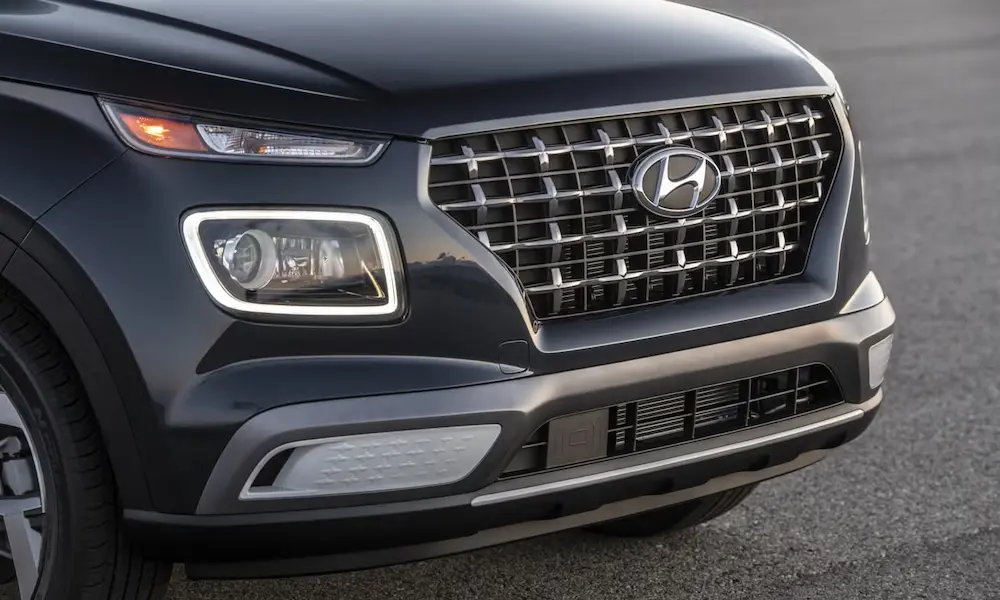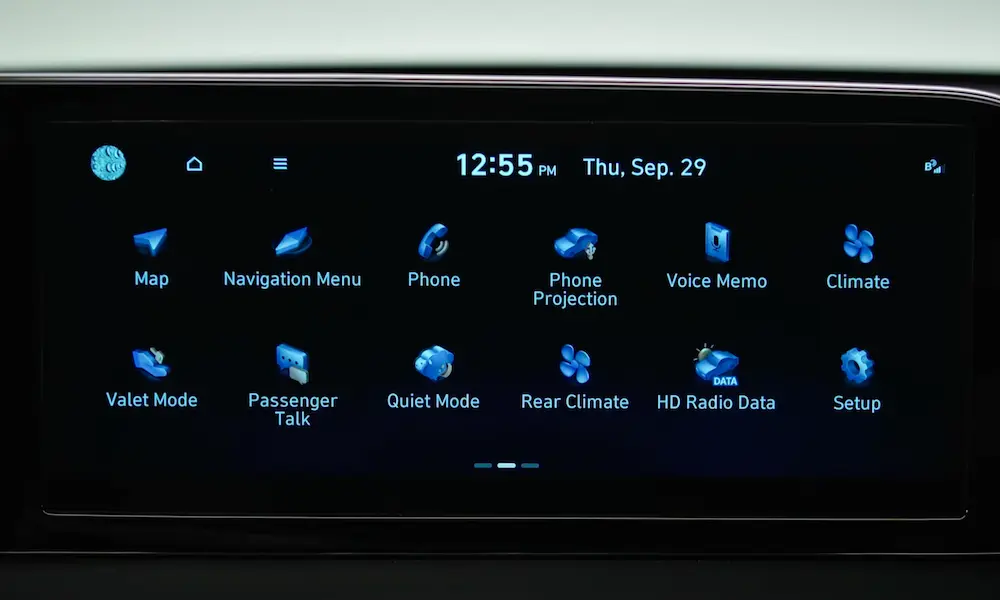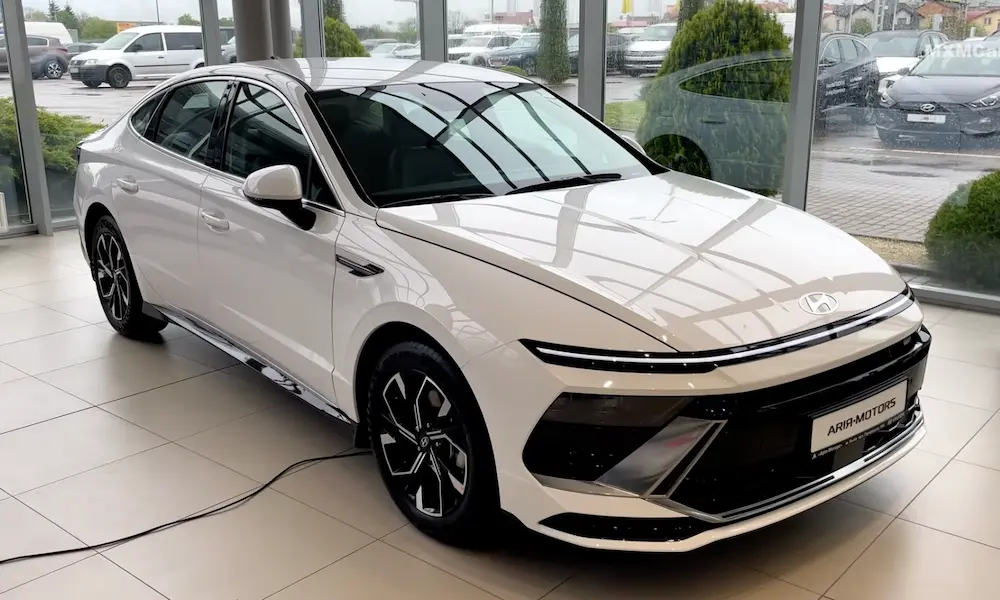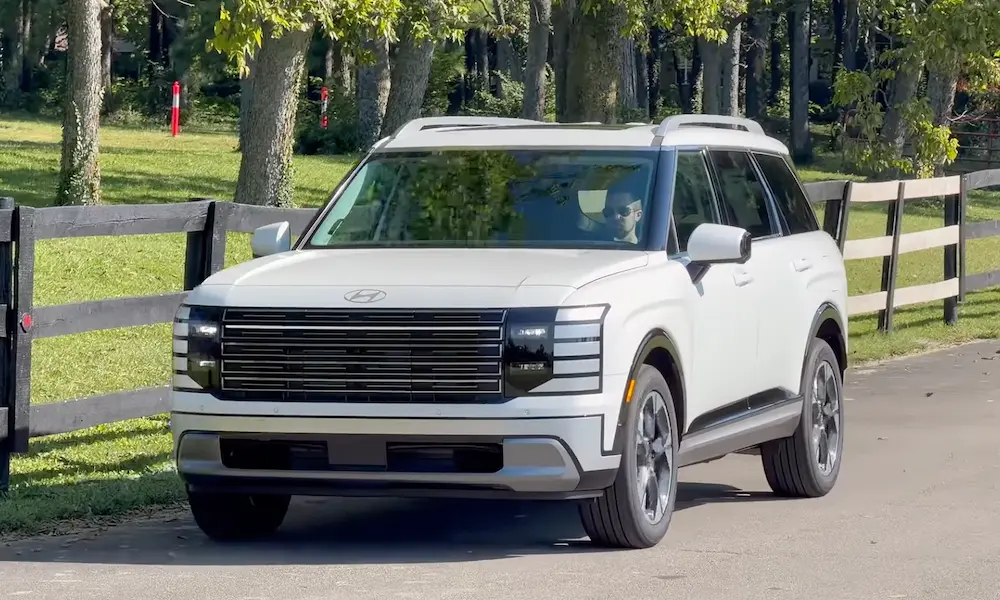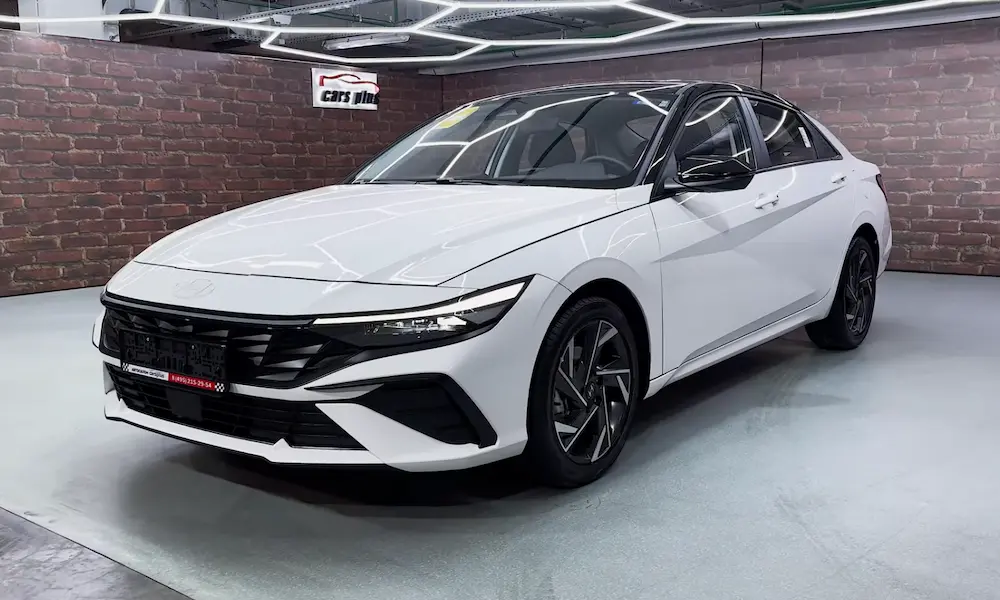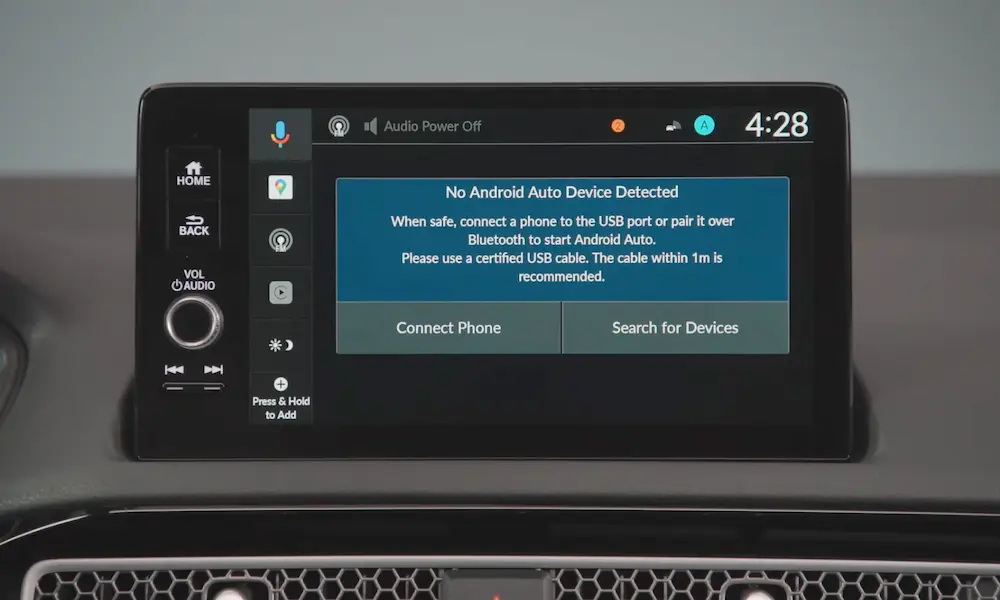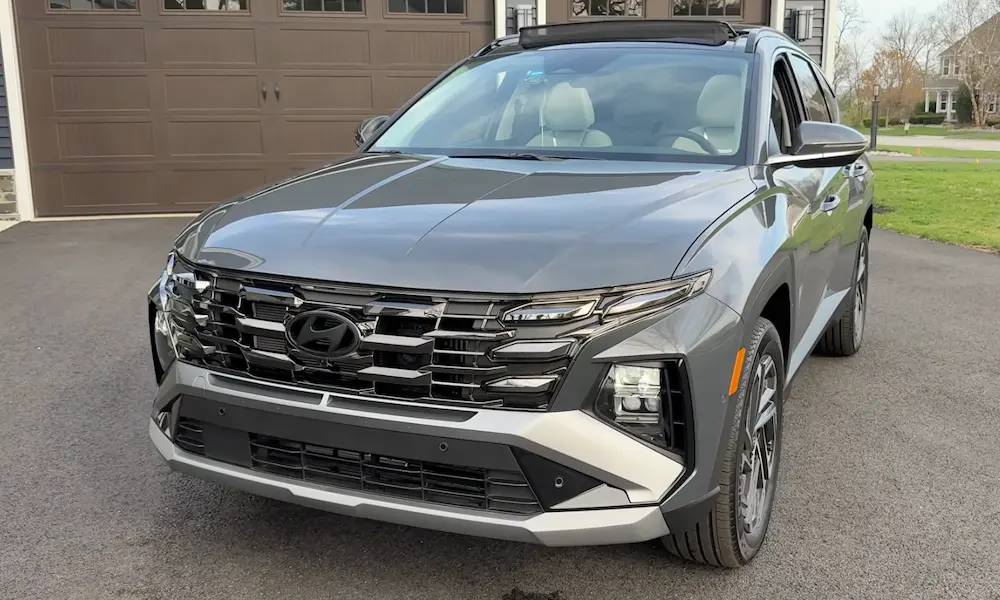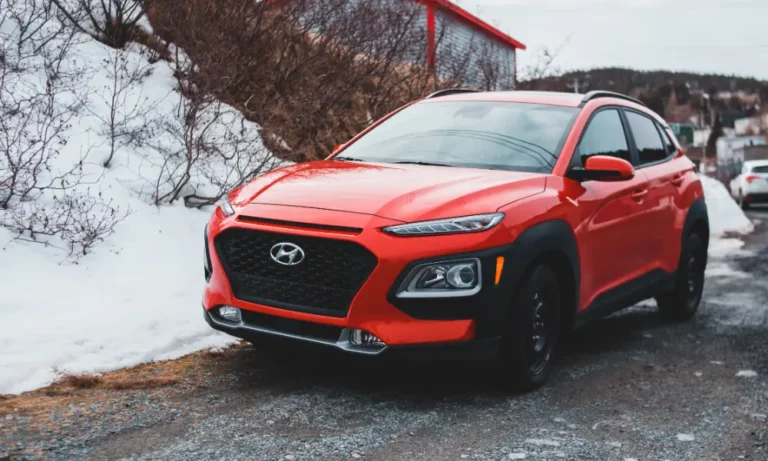
Ever noticed how Honda and Hyundai both start with “H” and have similar-looking logos? You’re not alone if you’ve wondered whether these car brands are connected. Let’s clear up this common confusion once and for all with a detailed look at what makes these two automotive giants distinctly different.
The Origins: Two Different Countries, Two Different Stories
Honda and Hyundai come from completely different parts of the world, with unique founding stories that shaped their brand identities.
Honda’s Japanese Engineering Legacy
Honda Motor Company was founded in 1948 by Soichiro Honda in Japan. The company initially focused on motorcycles before expanding into automobiles in 1963. Honda’s engineering prowess quickly earned global respect, especially after wins at prestigious motorcycle races like the Isle of Man TT.
By the 1970s, Honda had introduced now-iconic models like the Civic and Accord, which became synonymous with fuel efficiency and reliability. The company established U.S. manufacturing plants in states like Ohio, Indiana, and Alabama, cementing its global presence.
Hyundai’s South Korean Rise
Hyundai Motor Company was founded in 1967 in South Korea as part of the Hyundai Industrial Group. Unlike Honda’s engineering-first approach, Hyundai began as a construction and shipbuilding company before entering the automotive world.
Their first car, the Cortina, was actually a collaboration with Ford in 1968. Hyundai made its U.S. debut with the Excel in 1986, though early quality issues created challenges the company would later overcome through massive improvements. A turning point came in 1999 when designer Peter Schreyer joined, revitalizing Hyundai’s design language.
Brand Philosophy: Different Approaches to Automaking
The companies operate with distinctly different philosophies that influence everything from design to marketing.
Honda: Engineering Excellence and Reliability
Honda’s approach centers around engineering excellence and reliability. The company’s slogan “The Power of Dreams” reflects its founder’s engineering passion. Honda vehicles typically offer:
- Driver-focused experiences with responsive handling
- High-quality, reliable engines (like the famous VTEC system)
- Strong resale value due to proven longevity
- A more conservative, evolutionary design approach
Honda’s engineering ethos emphasizes driver engagement, which is evident in vehicles like the Civic Type R and even in mainstream models like the CR-V, where handling and driving dynamics receive special attention.
Hyundai: Value, Technology and Bold Design
Hyundai has positioned itself as a value-forward, technology-driven brand with increasingly bold designs. Their approach includes:
- Competitive pricing with more standard features than competitors
- Industry-leading warranty coverage (10-year/100,000-mile powertrain)
- Cutting-edge technology integration
- Distinctive, sometimes avant-garde styling
Hyundai’s N Performance division has helped redefine the brand’s image, creating genuine enthusiasm among driving enthusiasts while maintaining the value proposition that made the company successful in the first place.
The Product Lineup: Head-to-Head Competitors
Both brands offer full vehicle lineups that compete directly across multiple segments.
Compact Cars: Civic vs. Elantra
The Honda Civic and Hyundai Elantra represent each brand’s approach to compact sedans:
| Feature | Honda Civic | Hyundai Elantra |
|---|---|---|
| Starting Price | Higher by ~$2,600 | More affordable |
| Performance | 158-315 hp range | 147-276 hp range |
| Interior Focus | Quality materials, practical design | Tech-forward, dual 10.25″ displays |
| Driving Dynamics | More engaging handling | Comfortable, feature-focused |
| Performance Variant | Civic Type R (315 hp) | Elantra N (276 hp) |
While the Civic focuses on driving dynamics and refinement, the Elantra counters with more tech features at a lower price point.
SUV Comparison: CR-V vs. Tucson
In the popular compact SUV segment, the differences continue:
| Feature | Honda CR-V | Hyundai Tucson |
|---|---|---|
| Cargo Space | 75.8 cubic feet (class-leading) | 61.9 cubic feet |
| Fuel Economy | Up to 40 MPG combined (hybrid) | Up to 38 MPG combined (hybrid) |
| Design Approach | Practical, evolutionary | Bold, avant-garde styling |
| Optional Features | More à la carte | More inclusive packages |
| PHEV Option | Not available in US | 33 miles electric range |
The CR-V continues Honda’s practical approach with class-leading cargo space, while the Tucson makes a bolder style statement while offering more features at a lower price point.
Reliability and Safety: Strong Performers with Different Priorities
Both brands score well in safety tests and reliability data, but with some notable differences.
Safety Features and Ratings
Honda’s Sensing Suite and Hyundai’s SmartSense both offer comprehensive safety technology:
- Both brands consistently achieve IIHS Top Safety Pick+ awards
- Honda Sensing includes Traffic Sign Recognition and Driver Attention Monitor
- Hyundai’s Highway Driving Assist II enables semi-autonomous lane changes
- Both offer automatic emergency braking, lane keep assist, and adaptive cruise control
The National Highway Traffic Safety Administration (NHTSA) gives both manufacturers strong overall safety ratings, with most models earning 5-star ratings.
Reliability and Warranty Differences
Where the brands differ significantly is in their approach to reliability:
- Consumer Reports typically ranks Honda above Hyundai in predicted reliability
- Honda has fewer reported transmission and electrical issues
- Hyundai counters with an industry-leading warranty: 10-year/100,000-mile powertrain
- Honda offers a more standard 5-year/60,000-mile powertrain warranty
Honda’s reputation for longevity attracts buyers planning to keep vehicles beyond 10 years, while Hyundai’s warranty provides peace of mind for those concerned about repair costs.
Cost of Ownership: Initial Price vs. Long-Term Value
The financial equation differs significantly between these brands.
Purchase Price and Value
Hyundai consistently prices its vehicles below comparable Honda models:
- The Tucson typically starts around $16,350 versus the CR-V’s $21,500
- The Elantra undercuts the Civic by about $2,600
- Hyundai often includes more standard features at each price point
- Honda tends to charge more for option packages
For budget-conscious shoppers, Hyundai’s lower entry price and more inclusive packaging create immediate appeal.
Resale Value and Long-Term Costs
Honda makes up ground in the long run:
- Honda vehicles typically retain 52% of their value after five years
- Hyundai vehicles average about 48% retention in the same period
- Honda’s maintenance simplicity can reduce long-term expenses
- Hyundai’s longer warranty may offset some repair costs
This difference means the initial price gap narrows over time, making the total cost of ownership closer than it first appears.
Future Direction: Different Approaches to Electrification
Both companies are embracing electrification, but with different strategies and timelines.
Hyundai’s Aggressive EV Push
Hyundai has taken an early lead in the electric revolution:
- The Ioniq 5, crowned 2022 World Car of the Year, offers 800V ultra-fast charging
- Plans include launching 18 new EVs by 2030
- The Ioniq 5 N delivers 641 hp from its electric powertrain
- Hyundai’s E-GMP platform was designed specifically for EVs
Hyundai’s acquisition of Boston Dynamics signals ambitions beyond traditional automaking, potentially revolutionizing mobility solutions through robotics and AI.
Honda’s Measured Transition
Honda has taken a more gradual approach to electrification:
- Focusing on hybrids as a bridge technology (CR-V Hybrid, Accord Hybrid)
- Partnering with GM for the Prologue EV rather than developing a platform in-house
- Plans for a dedicated EV platform by 2026
- Aiming for 100% EV sales by 2040, a longer timeline than many competitors
Honda’s partnership with Sony to develop Afeela EVs highlights its collaborative approach to catching up in the electrification race.
Which Brand Is Right For You?
The choice between Honda and Hyundai depends on your priorities:
Choose Honda If You Value:
- Driving dynamics and handling
- Long-term reliability reputation
- Higher resale value
- Refined engineering
- Evolutionary, timeless design
Choose Hyundai If You Prioritize:
- Lower initial purchase price
- More features for the money
- Longer warranty coverage
- Bold, distinctive styling
- Cutting-edge infotainment and technology
The Verdict: Separate Companies With Different Strengths
Despite their similar-sounding names and logo shapes, Honda and Hyundai are completely separate companies with no corporate connection. They represent different automotive philosophies from different parts of the world.
Honda, with its Japanese engineering heritage, continues to emphasize driving dynamics and long-term reliability. Hyundai, representing South Korean innovation, focuses on value, technology, and increasingly bold design directions.
Both manufacturers produce quality vehicles that compete directly across multiple segments. Your choice ultimately depends on whether you prefer Honda’s refined driving experience and reliability reputation or Hyundai’s value proposition and technological innovation.
What’s certain is that these two brands are definitely not the same – they’re distinct competitors with unique approaches to winning your business.