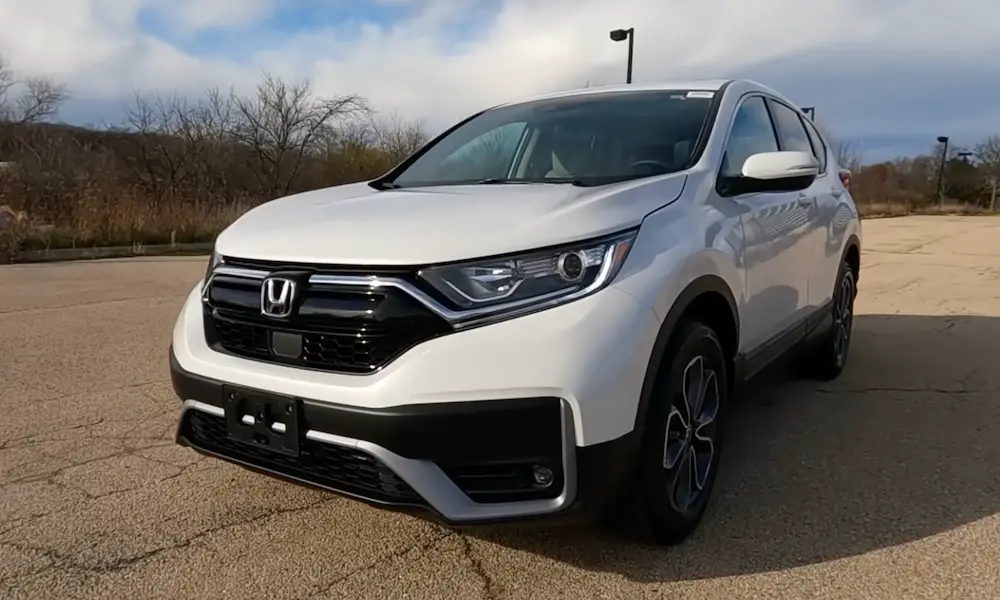
Thinking about buying a Honda CR-V but wondering if it’s a dependable choice for your daily drives and adventures? You’ve come to the right place. We’ve done the heavy lifting by analyzing reliability data, owner experiences, and expert ratings to give you the complete picture of Honda CR-V reliability.
Honda CR-V Reliability Ratings
Honda CR-Vs consistently earn impressive reliability scores across major rating organizations. The 2023-2024 models received an 80/100 from J.D. Power for reliability, while RepairPal awarded the CR-V an impressive 4.5 out of 5 stars, placing it among the most dependable compact SUVs on the market.
What makes these ratings particularly meaningful is how they compare to competitors:
| Rating Source | Honda CR-V | Segment Average |
|---|---|---|
| RepairPal | 4.5/5 | 4.0/5 |
| J.D. Power (2023-24) | 80/100 | 76/100 |
| Annual Maintenance Costs | $358-$407 | $473 |
These numbers tell a clear story: Honda CR-Vs typically require fewer repairs and cost less to maintain than many rival SUVs in the same class.
CR-V Longevity: How Many Miles Can You Expect?
One of the most impressive aspects of Honda CR-V reliability is its potential lifespan. With proper maintenance, CR-Vs regularly reach the 200,000-mile mark, with many owners reporting 300,000+ miles on their vehicles.
The key mileage benchmarks for Honda CR-Vs typically look like this:
- 100,000 miles: Still considered relatively young for a CR-V
- 150,000-200,000 miles: Mid-life for a well-maintained model
- 250,000+ miles: Achievable with consistent maintenance and care
A properly maintained CR-V can easily last 15-20 years, making it one of the longest-lasting compact SUVs available.
Most and Least Reliable Honda CR-V Model Years
Not all CR-V model years are created equal when it comes to reliability. Here’s a breakdown of the standouts and the troublemakers:
Most Reliable CR-V Years
- 2008 and 2011 models (Third Generation): Scored an impressive 90/100 in reliability ratings, with owners reporting minimal mechanical issues and excellent longevity.
- 2014 model (Fourth Generation): Earned 85/100 from J.D. Power and features the robust Earth Dreams engine technology.
- 2020-2024 models (Fifth Generation, post-refresh): After addressing early issues with the 1.5L turbo engine, these later years show improved reliability and fewer reported problems.
Least Reliable CR-V Years
- 2017-2019 models (Early Fifth Generation): These years experienced several notable issues:
- HVAC system malfunctions
- Oil dilution problems in the 1.5L turbocharged engine
- Unintended emergency braking incidents
- Some 2019 models: Reports of PCM/ECM failures led to dealership visits and lemon law claims, particularly in Certified Pre-Owned vehicles.
Common Honda CR-V Problems to Watch For
Even reliable vehicles have their weak spots. Here are the most common issues reported by CR-V owners:
1. Collision Mitigation Braking System (CMBS) Issues
The 2017-2022 CR-V models have been subject to an NHTSA investigation regarding unintended emergency braking. This system has been linked to 1,294 complaints, including 31 crashes and 58 injuries.
2. Oil Dilution in 1.5L Turbo Engines
Early fifth-generation models (2017-2018) with the 1.5L turbocharged engine experienced oil dilution problems, especially in cold climates. Honda has addressed this with software updates and extended warranties for affected vehicles.
3. HVAC System Failures
The air conditioning and heating systems in 2017-2018 CR-Vs sometimes develop issues, including:
- Inconsistent heating
- AC compressor failures
- Climate control system malfunctions
4. Battery and Electrical Issues in Hybrid Models
CR-V Hybrid variants tend to score lower in reliability assessments due to battery-related concerns and power inverter problems. The hybrid system, while fuel-efficient, has had more reported issues than standard gas-powered models.
Hybrid vs. Non-Hybrid CR-V Reliability
When comparing hybrid and non-hybrid CR-V models, a clear reliability pattern emerges:
Non-Hybrid CR-V Reliability
The standard gas-powered CR-V models generally outperform their hybrid counterparts in reliability metrics. The 2.4L i-VTEC engine (used pre-2017) can easily reach 250,000 miles before requiring major service, while the 1.5L turbo (post-2017) has proven increasingly reliable after early issues were addressed.
Hybrid CR-V Reliability
The CR-V Hybrid, introduced more recently, faces more reliability challenges:
- Higher repair frequencies for battery cooling systems
- More reported issues with power inverters
- More complex technology with more potential failure points
According to Reddit discussions, many owners find the hybrid technology still maturing in terms of long-term reliability.
CR-V Maintenance Costs: What to Expect
One of the CR-V’s strongest selling points is its relatively low ownership costs. The average annual maintenance cost ranges from $358 to $407, significantly below the segment average of $473.
Here’s what typical maintenance looks like for a CR-V:
| Service | Interval | Approximate Cost |
|---|---|---|
| Oil Change | 6,000-7,500 miles | $35-$75 |
| Tire Rotation | 6,000-7,500 miles | $20-$50 |
| Air Filter | 15,000-30,000 miles | $20-$50 |
| Brake Pads | 30,000-70,000 miles | $150-$300 |
| Timing Belt/Chain | 90,000-105,000 miles | $200-$700 |
The CR-V also averages just 0.8 unscheduled repairs annually, compared to 0.9 for the Toyota RAV4, its closest competitor.
Honda CR-V vs. Competitors: Reliability Comparison
How does the CR-V stack up against its main rivals in the reliability department?
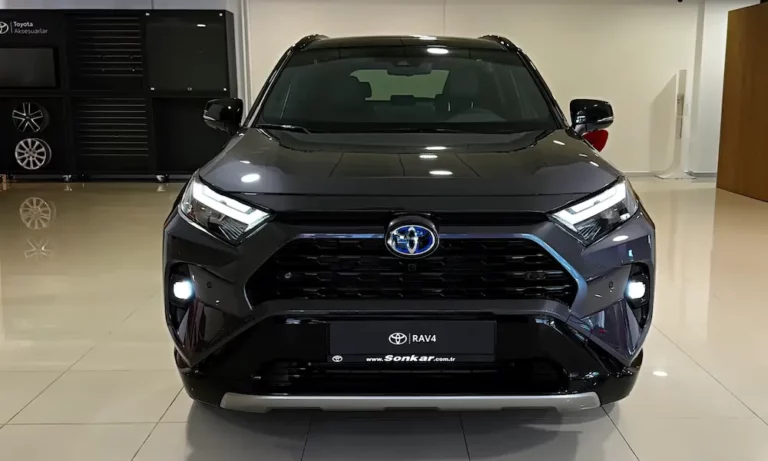
CR-V vs. Toyota RAV4
While the RAV4 edges ahead in Consumer Reports rankings (78 vs. 75/100), the CR-V counters with:
- Lower overall ownership costs
- Fewer unscheduled repairs (0.8 vs. 0.9 annually)
- More comfortable ride quality
The RAV4 Hybrid system has proven more reliable than the CR-V Hybrid, however, with fewer reported issues and slightly better fuel efficiency (40 MPG combined vs. 38 MPG).
CR-V vs. Mazda CX-5
The CX-5 delivers excellent reliability ratings, matching the CR-V in most metrics. Where they differ:
- CR-V offers more interior space and practicality
- CX-5 provides more engaging driving dynamics
- Both have similar maintenance costs and repair frequencies
CR-V vs. Subaru Forester
The Forester’s reliability has historically been slightly below the CR-V’s, with:
- Higher average repair costs
- More frequent transmission issues
- Standard AWD as a counterbalance to reliability concerns
Tips for Maximizing Your Honda CR-V’s Reliability
Follow these guidelines to ensure your CR-V delivers the best possible reliability:
1. Follow the Maintenance Schedule
The single most important factor in CR-V longevity is adhering to Honda’s recommended maintenance schedule:
- Change oil every 6,000 miles (or per your owner’s manual)
- Rotate tires regularly
- Replace transmission fluid at recommended intervals
- Don’t skip scheduled inspections
2. Address Small Issues Quickly
Many major problems start as minor ones. Pay attention to:
- Unusual noises
- Warning lights
- Changes in performance or fuel economy
- Fluid leaks, no matter how small
3. Choose the Right Model Year
Based on reliability data:
- Consider 2020-2024 EX or Touring trims with the 1.5L turbo engine
- Approach 2017-2019 models with caution
- Look for 2010-2014 models for maximum value and reliability in used options
4. Pre-Purchase Inspection
When buying used, always:
- Verify CMBS software is up-to-date
- Check hybrid battery health (if applicable)
- Review maintenance records thoroughly
- Have a trusted mechanic perform a comprehensive inspection
The Bottom Line on Honda CR-V Reliability
Are Honda CRVs reliable? The data strongly suggests yes. With proper care, the CR-V stands as one of the most dependable compact SUVs on the market today.
Its strengths include:
- Consistent top-tier reliability ratings
- Impressive longevity, regularly exceeding 200,000 miles
- Lower-than-average maintenance costs
- Strong resale value reflecting market confidence
The CR-V’s reputation for reliability isn’t just marketing—it’s backed by solid engineering, comprehensive safety features, and a proven track record of owner satisfaction. While no vehicle is perfect, the CR-V delivers exceptional reliability within its class, particularly in its non-hybrid configurations and post-2020 model years.
When maintained properly and with informed model year selection, a Honda CR-V represents one of the wisest reliability investments in today’s automotive market.