Ever wondered why Hyundai and Kia vehicles look similar but have different badges? You’re not alone. These two Korean automakers have a complicated relationship that often confuses car shoppers. Let’s clear up the confusion and explore what makes these brands both related and distinct.
The Relationship Between Hyundai and Kia
Hyundai and Kia are not the same company, but they’re definitely family. Hyundai Motor Group owns about 33.7% of Kia, making it the largest shareholder. This relationship began during the 1997 Asian financial crisis when Hyundai acquired a struggling Kia to prevent it from falling into foreign ownership.
The companies operate under what’s called a chaebol structure—a unique Korean business model where companies maintain separate operations while sharing resources. Think of them as siblings rather than twins—related but with their own personalities.
How the Partnership Began
The story starts during the turbulent Asian financial crisis of 1997. Kia Motors was facing bankruptcy and desperately needed a lifeline. Instead of letting a foreign competitor like General Motors take over, Hyundai stepped in and purchased a controlling stake in Kia in 1998.
Originally, Hyundai held a 51% stake in Kia, but this has reduced to 33.7% over time. Interestingly, Kia has also acquired shares in several Hyundai subsidiaries like Hyundai Steel and Hyundai Mobis, creating a web of cross-ownership that strengthens both companies.
What Hyundai and Kia Share
Platforms and Technology
Both brands share several fundamental elements:
| Shared Element | Examples | Purpose |
|---|---|---|
| Vehicle Platforms | N3 platform (Tucson/Sportage) | Cost efficiency |
| Electric Vehicle Architecture | E-GMP (Ioniq 5/EV6) | Shared R&D investment |
| Engine Technology | Smartstream engines | Economy of scale |
| Transmission Systems | 8-speed dual-clutch | Consistent performance |
The Hyundai-Kia R&D Division jointly develops these core technologies, allowing both companies to save billions in development costs while still maintaining separate identities.
Parts and Components
If you look closely at parts from both manufacturers, you’ll notice many components stamped with both Hyundai and Kia logos. Hyundai Mobis, a parts subsidiary within the group, manufactures components for both brands.
This sharing extends to powertrains too. For example, the Hyundai Kona and Kia Niro use identical hybrid and electric drivetrains, while the Hyundai Ioniq 5 and Kia EV6 share the revolutionary E-GMP electric platform.
How Hyundai and Kia Differ
Despite their shared DNA, both companies work hard to maintain separate identities.
Design Philosophy
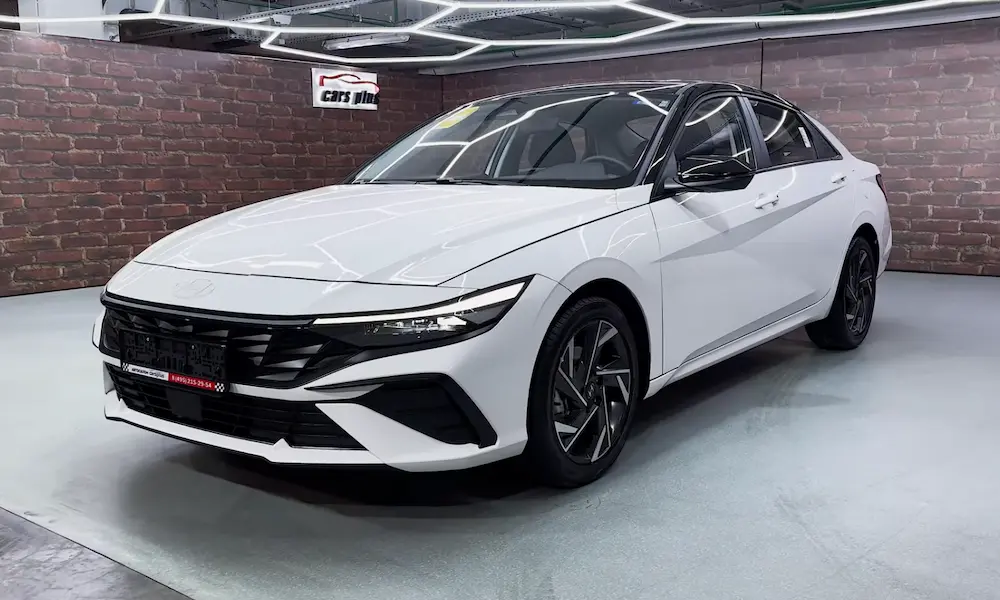
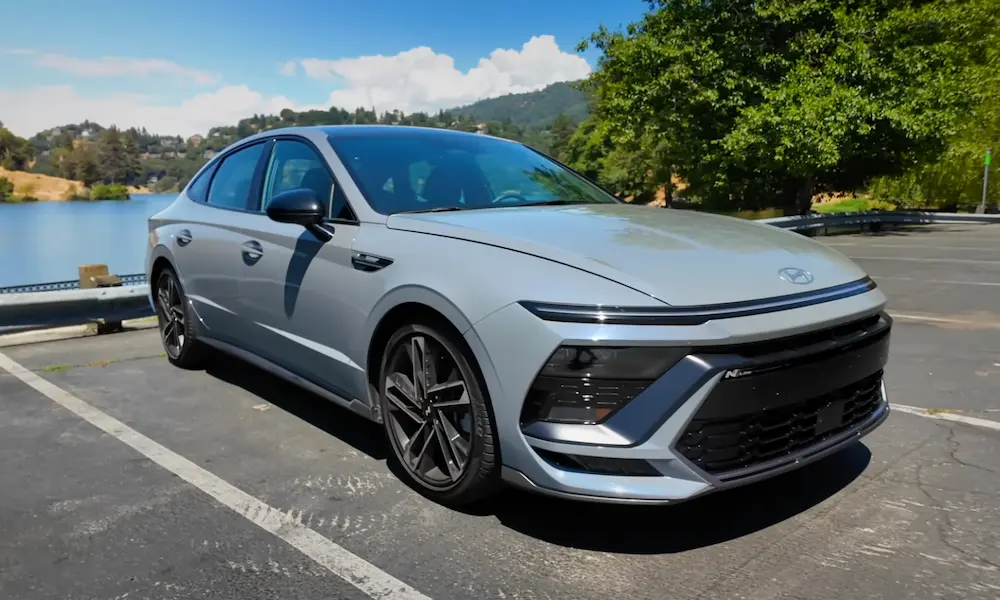
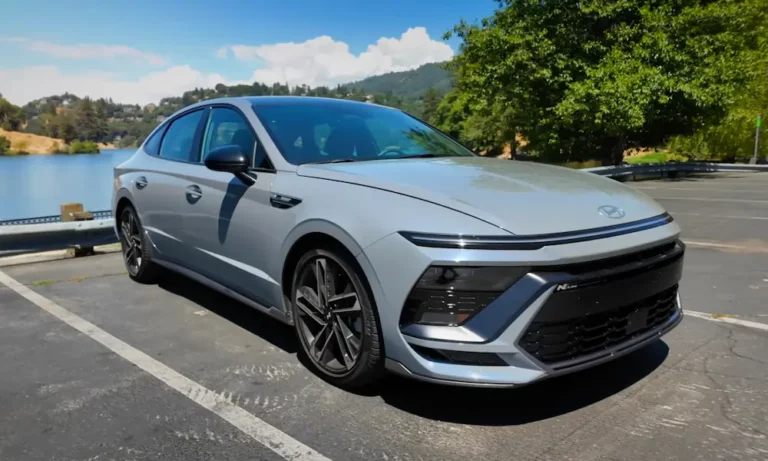
Hyundai embraces what they call “fluidic sculpture” design—flowing lines and conservative, refined aesthetics. Their vehicles tend to look more upscale and mature, appealing to families and professionals who want reliability with a touch of luxury.
Kia, on the other hand, follows their “Opposites United” design philosophy, resulting in sportier, more youthful styling with bold elements. The distinctive “Tiger Nose” grille on Kia vehicles creates an instantly recognizable face that sets them apart from Hyundais.
Target Audiences
The brands pursue different customer segments:
- Hyundai targets slightly older demographics with an emphasis on comfort, technology, and refined driving experience. Their marketing focuses on value, reliability, and family-friendly features.
- Kia aims for younger, more style-conscious buyers looking for sporty performance and distinctive design at competitive prices. Their advertising often highlights the fun-to-drive nature of their vehicles.
Price Positioning
While both brands offer excellent value, their pricing strategies differ slightly:
| Segment | Hyundai Example | Kia Example | Price Difference |
|---|---|---|---|
| Compact Sedan | Elantra ($22,885) | Forte ($21,045) | Kia costs ~$1,800 less |
| Compact SUV | Tucson ($27,250) | Sportage ($26,490) | Kia costs ~$760 less |
| Midsize Sedan | Sonata ($27,500) | K5 ($25,290) | Kia costs ~$2,210 less |
Kia typically positions its base models at slightly lower price points to attract budget-conscious buyers, while Hyundai often includes more standard features at a higher starting price.
Comparing Similar Models
Let’s look at how these corporate cousins compete in the same segments.
Sedans: Hyundai Elantra vs. Kia Forte
Both compact sedans share core engineering but differ in execution:
The Hyundai Elantra offers:
- More refined ride quality
- Higher-quality interior materials
- Available N Line performance variant with 276 horsepower
- More sophisticated safety tech
The Kia Forte counters with:
- Lower starting price
- More cargo space (15.3 cubic feet vs. Elantra’s 14.2)
- Sportier standard styling
- Simpler, more intuitive controls
SUVs: Hyundai Tucson vs. Kia Sportage
These compact SUVs reveal the brands’ differing priorities:
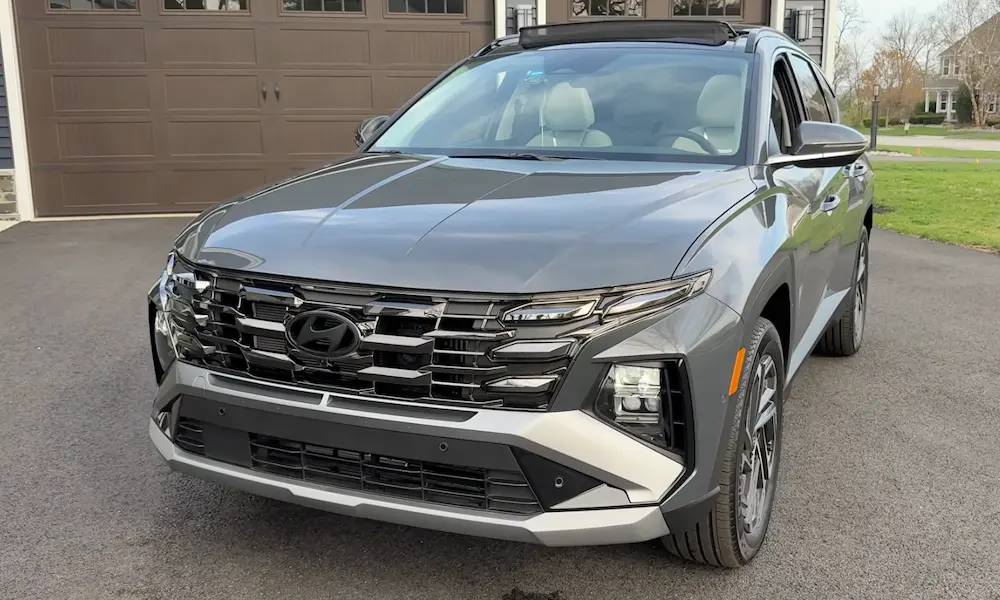
Hyundai Tucson emphasizes:
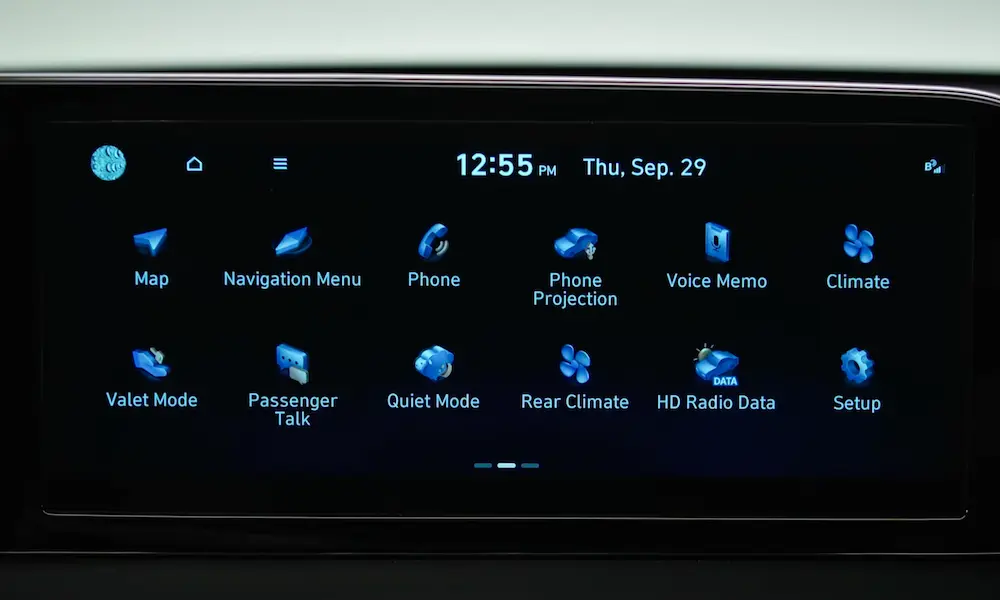
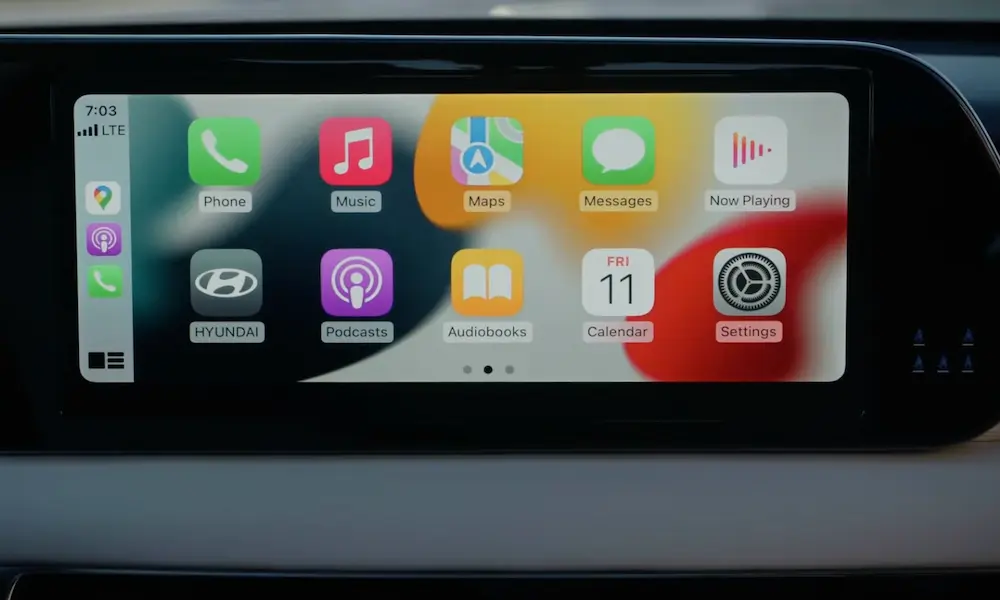
- Tech-forward features with a standard 10.25-inch infotainment screen
- More advanced driver assistance with Highway Driving Assist II
- Smoother ride quality
- Higher predicted residual value
Kia Sportage focuses on:
- Bold exterior styling with the signature Tiger Nose grille
- Available X-Pro off-road trim
- Slightly more cargo space
- Lower starting price
Electric Vehicles: Hyundai Ioniq 5 vs. Kia EV6
Even with identical E-GMP platforms underneath, these EVs maintain distinct personalities:
The Hyundai Ioniq 5 features:
- Retro-futuristic design with pixelated lighting
- More spacious, lounge-like interior
- Focus on comfort and versatility
- Slightly lower performance figures
The Kia EV6 delivers:
- Sleek, sporty styling with a coupe-like profile
- More performance-oriented driving dynamics
- Available GT model with supercar-rivaling acceleration
- More compact, driver-focused cockpit
Warranty and Customer Service
Both brands offer nearly identical warranty coverage, among the best in the industry:
- 5-year/60,000-mile basic warranty
- 10-year/100,000-mile powertrain warranty
- 7-year/unlimited-mile anti-perforation warranty
- 5-year/unlimited-mile roadside assistance
However, there are subtle differences in how they position these warranties. Hyundai markets theirs as “America’s Best Warranty,” while Kia emphasizes the peace of mind that comes with their comprehensive coverage.
Production and Manufacturing
While engineering is shared, production often occurs in separate facilities:
- Hyundai operates major manufacturing plants in Alabama and Georgia
- Kia has its largest U.S. facility in West Point, Georgia
- Both brands maintain separate dealership networks with no cross-selling
The National Highway Traffic Safety Administration (NHTSA) categorizes and regulates these companies separately, reflecting their distinct corporate identities despite shared ownership.
Future Direction and Innovation
Both brands are racing toward an electrified future but with slightly different approaches:
Hyundai is investing heavily in:
- Hydrogen fuel cell technology through its Vision FK concept
- Advanced autonomous driving with Motional partnership
- The premium Genesis brand to capture luxury market share
Kia is focusing on:
- Mainstream EV adoption with models like the EV9 three-row SUV
- Sporty, performance-oriented vehicles
- Expanding into new market segments with vehicles like the Carnival MPV
Making the Right Choice: Hyundai or Kia?
When deciding between these brands, consider:
- Design preference: Do you prefer Hyundai’s more sophisticated styling or Kia’s sportier look?
- Driving feel: Hyundais generally offer smoother rides, while Kias tend to be slightly sportier
- Feature priorities: Hyundai often includes more tech as standard, while Kia offers better base prices
- Dealership experience: Visit both to compare the sales and service atmosphere
Remember that underneath the different styling and marketing, you’re getting vehicles built on shared foundations of quality and technology. The choice often comes down to personal preference rather than objective superiority.
The Benefits of Shared Development
This unique corporate relationship creates advantages for consumers:
- Accelerated innovation: Shared R&D means faster implementation of new technologies
- Competitive pricing: Economies of scale allow both brands to offer more features at competitive prices
- Proven reliability: Components are tested across multiple models and brands
- Diverse options: Similar mechanical packages wrapped in different designs gives consumers more choices
The competition between these “sibling rivals” drives both to improve continuously, resulting in better products for consumers across both lineups.
By understanding the complex relationship between Hyundai and Kia, you can make a more informed choice when shopping for your next vehicle—and maybe even impress your friends with your automotive industry knowledge.