Wondering if you’re using the right fuel for your Jeep Compass? You might be surprised to learn that using the correct gas type not only saves you money but also enhances your vehicle’s performance and longevity. Let’s dive into everything you need to know about fueling your Jeep Compass properly.
Jeep Compass Recommended Fuel Type
The Jeep Compass is designed to run on regular unleaded gasoline with an 87 octane rating. This applies to all current models, including the 2025 Jeep Compass with its 2.0-liter turbocharged engine. Despite being a turbocharged vehicle, the Compass doesn’t require premium fuel to operate optimally.
This specification comes directly from Jeep’s engineering team, who designed the engine’s 10.0:1 compression ratio specifically to work with regular gasoline. The official specifications from Chrysler confirm this requirement.
Does the Jeep Compass Take Premium Gas?
No, the Jeep Compass doesn’t require premium gasoline. While some performance vehicles and luxury SUVs demand premium fuel (91-93 octane), the Compass is engineered to deliver its full 200 horsepower and 221 lb-ft of torque using standard 87 octane gas.
Using premium gas in your Compass won’t harm the engine, but it also won’t provide any meaningful performance benefits. Modern engine computers can adjust timing for different fuel types, but the Compass is optimized for regular fuel.
Jeep Compass Fuel Tank Capacity
The Jeep Compass comes equipped with a 13.5-gallon (51-liter) fuel tank. This tank size provides a good balance between weight savings and driving range.
With the EPA-estimated combined fuel economy of 27 MPG, you can expect approximately 364 miles of range on a full tank under typical driving conditions. This data comes from official fuel economy ratings for the current Compass models.
Jeep Compass Fuel Economy Stats
The 2025 Jeep Compass with its turbocharged engine offers impressive fuel efficiency for a compact SUV with standard 4×4 capability:
| Driving Condition | MPG (US) | L/100km (Canada) |
|---|---|---|
| City | 24 | 9.9 |
| Highway | 32 | 7.4 |
| Combined | 27 | 8.8 |
These figures represent a significant improvement over previous generations, particularly the pre-2022 models that used a less efficient 2.4-liter engine.
Jeep Compass Engine Stop-Start System and Fuel Savings
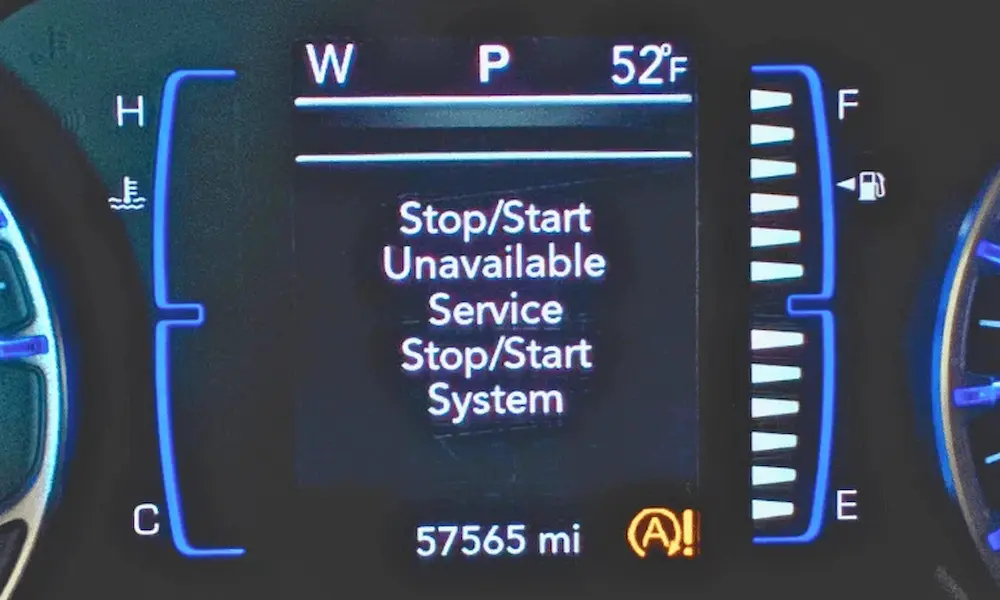
All current Compass models come equipped with Engine Stop-Start (ESS) technology, which automatically shuts off the engine when the vehicle is stopped (such as at traffic lights) and restarts it when you release the brake.
This feature contributes significantly to the Compass’s city fuel economy rating of 24 MPG. The ESS system can reduce fuel consumption by up to 5% in heavy traffic conditions.
If you find the system disruptive, there’s typically an ESS disable button near the climate controls, though the system will reset to “enabled” each time you restart the vehicle.
Jeep Compass Models and Their Fuel Types Through the Years
The Jeep Compass has undergone significant powertrain changes over the years, affecting fuel requirements:
| Model Years | Engine Options | Required Fuel Type |
|---|---|---|
| 2025-Present | 2.0L Turbocharged I4 | Regular (87 Octane) |
| 2022-2024 | 2.4L Tigershark I4 | Regular (87 Octane) |
| 2017-2021 | 2.4L Tigershark I4 (US) | Regular (87 Octane) |
| 1.4L Turbo / 2.0L Diesel (Int’l) | Regular / Diesel | |
| 2011-2016 | 2.0L / 2.4L World Engines | Regular (87 Octane) |
| 2007-2010 | 2.0L / 2.4L World Engines | Regular (87 Octane) |
Does the Jeep Compass Take E85 or Flex Fuel?
No, the Jeep Compass is not designed to run on E85 (85% ethanol) or flex fuel. The engine is optimized for gasoline with no more than 15% ethanol (E15).
Using higher ethanol blends could potentially damage fuel system components and void your warranty. Most gas stations in the US sell E10 (10% ethanol), which is perfectly safe for your Compass.
How Does Fuel Type Affect Jeep Compass Performance?
Using the correct fuel type in your Jeep Compass ensures optimal performance in several ways:
- Power Output: The engine is calibrated for 87 octane fuel, delivering its rated 200 horsepower and 221 lb-ft of torque with this fuel type.
- Fuel Economy: Using the recommended fuel helps maintain the EPA-estimated 24 city/32 highway MPG ratings.
- Engine Longevity: The correct fuel helps prevent knocking and pre-ignition, which can damage engine components over time.
- Emissions Control: Regular unleaded gasoline works with the Compass’s emission system to maintain the vehicle’s environmental certification, producing around 205 grams of CO₂ per kilometer.
Comparing Jeep Compass Fuel Efficiency to Competitors
How does the Compass stack up against its rivals in the compact SUV segment? Let’s look at the numbers:
| Vehicle Model | Combined MPG | City/Highway MPG |
|---|---|---|
| 2025 Jeep Compass 4×4 | 27 | 24/32 |
| Honda CR-V AWD | 29 | 28/34 |
| Hyundai Tucson AWD | 26 | 26/33 |
| Ford Escape AWD | 28 | 26/31 |
While the EPA’s fuel economy database shows that some competitors offer slightly better efficiency, the Compass provides a strong balance of fuel economy and off-road capability with its standard 4×4 system.
Tips for Maximizing Fuel Economy in Your Jeep Compass
Want to get the most out of every gallon? Try these proven strategies:
- Maintain Proper Tire Pressure: Check monthly and before long trips. Underinflated tires can reduce fuel economy by up to 3%.
- Use the ECO Mode: Newer Compass models feature an ECO mode that adjusts throttle response and transmission shift points for better efficiency.
- Avoid Excessive Idling: The Engine Stop-Start system helps with this, but manually turning off your engine when parked for more than a minute saves additional fuel.
- Remove Unnecessary Weight: Extra cargo, particularly heavy items, can significantly impact fuel economy.
- Plan Routes Carefully: Avoiding traffic congestion and combining errands can minimize start-stop driving.
- Regular Maintenance: Follow the recommended service schedule, particularly for air filter, spark plug, and oil changes to keep everything running efficiently.
Jeep Compass Driving Range
With its 13.5-gallon fuel tank and 27 MPG combined efficiency, the Jeep Compass can travel approximately:
- 364 miles (586 km) under mixed driving conditions
- 324 miles (521 km) in pure city driving
- 432 miles (695 km) on highway-only journeys
These figures help in planning longer trips, though real-world range will vary based on driving style, terrain, and weather conditions.
Jeep Compass Diesel Options: International Markets
While North American Compass models exclusively use gasoline engines, international variants have historically offered diesel options. In India, for example, the Compass has been available with a 2.0-liter Multijet II diesel engine producing 173 PS and 350 Nm of torque.
However, even in international markets, Jeep has been phasing out diesel options. The Middle Eastern market variants now primarily focus on gasoline engines, reflecting the global shift toward electrification.
Jeep Compass Hybrid and Electric Options
Currently, the North American Jeep Compass lineup doesn’t include hybrid or electric variants. However, the European market has offered a plug-in hybrid version called the Compass 4xe.
As Stellantis (Jeep’s parent company) continues its electrification strategy, we may see hybrid or electric Compass variants in North America in the coming years. The current 2.0-liter turbocharged engine with ESS technology represents a step toward improved efficiency while maintaining the performance expected from a Jeep.
What Happens If You Use the Wrong Fuel in Your Jeep Compass?
Using incorrect fuel can have various consequences:
Using Premium Instead of Regular: Won’t harm your engine but wastes money with no performance benefit.
Using E85 or Flex Fuel: Not designed for the Compass and could damage fuel system components.
Using Diesel in a Gasoline Compass: This is a serious mistake that requires immediate attention. Don’t start the engine; have the vehicle towed and the fuel system drained by professionals.
Using Lower Octane Than Required: The Compass is designed for 87 octane, so using lower-octane fuel (rare in the US) could cause knocking and potentially damage the engine.
The Impact of Jeep Compass Fuel Type on Maintenance Costs
Using the recommended 87 octane fuel helps keep maintenance costs down in several ways:
- Fuel System Longevity: The correct fuel prevents premature wear on fuel pumps, injectors, and other components.
- Emission System Protection: Regular unleaded gas works with the catalytic converter and oxygen sensors as designed, preventing costly repairs.
- Engine Durability: Regular fuel with the correct octane rating minimizes combustion issues that could lead to expensive engine repairs.
- Warranty Protection: Using recommended fuels helps maintain warranty coverage for powertrain components.
Reading Your Jeep Compass Fuel Gauge Correctly
The Jeep Compass features a standard fuel gauge on the instrument cluster, but understanding it can save you from running on empty:
- Reserve Capacity: When the low fuel warning illuminates, you typically have 1.5-2 gallons (5.7-7.6 liters) remaining.
- Distance to Empty: Many newer Compass models display an estimated range based on current driving habits.
- Digital Display: The driver information center can show more precise fuel levels than the analog gauge.
The fuel gauge is generally accurate, but it’s best to refill when you reach the ¼ mark rather than waiting for the warning light.
Where to Find Jeep Compass Fuel Type Information
If you’re still uncertain about the correct fuel for your specific Compass model, check these authoritative sources:
- Fuel Filler Door: Most models have a label stating “Unleaded Fuel Only” and the minimum octane rating.
- Owner’s Manual: The definitive source for your specific model year and engine type.
- Inside Fuel Door: Often includes fuel type information along with tire pressure recommendations.
- Jeep’s Official Website: The specifications page for your model year will list fuel requirements.
Final Thoughts on Jeep Compass Fuel Requirements
The Jeep Compass offers a compelling balance of efficiency, performance, and capability while keeping operating costs reasonable by running on regular 87 octane gasoline. By following the manufacturer’s fuel recommendations and implementing good driving habits, you can enjoy the versatility of your Compass while maximizing fuel economy and engine longevity.
Remember that while premium fuel won’t damage your Compass, it provides no benefits and simply costs more at the pump. Stick with regular unleaded gasoline, maintain your vehicle properly, and enjoy the adventure-ready capability that makes the Compass a standout in the compact SUV segment.