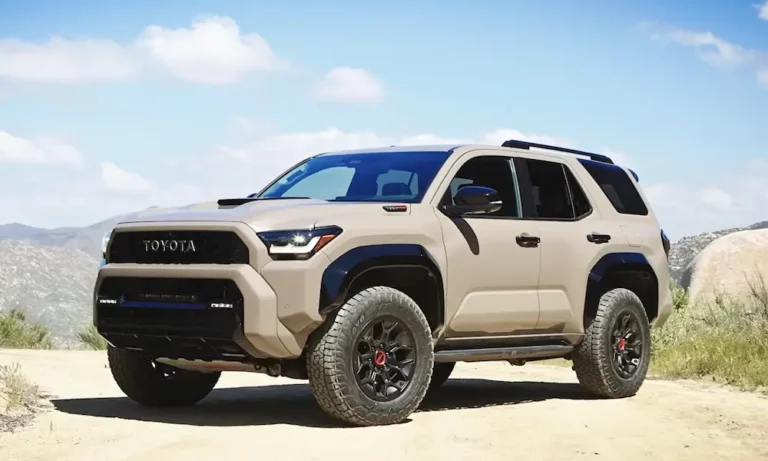
Thinking about buying a Toyota 4Runner but wondering if it can handle the long haul? You’re smart to question reliability before investing in this iconic off-roader. We’ve dug deep into owner experiences, industry ratings, and repair statistics to give you the complete picture of 4Runner dependability.
Toyota 4Runner Reliability Ratings: The Numbers Don’t Lie
When it comes to hard data, the 4Runner consistently impresses reliability experts. RepairPal gives it a solid 4.0 out of 5, ranking it 9th out of 26 midsize SUVs. That’s not just good—it’s significantly better than average.
The numbers get even more impressive:
- Average annual repair cost: $514 (below the $573 segment average)
- Only 13% of repairs are considered severe (vs. 14% for competitors)
- iSeeCars reports a 45.2% chance of exceeding 200,000 miles
- Average lifespan of 191,236 miles (though many owners report well over 300,000)
- JD Power’s 2020 assessment: 80/100 for reliability
What’s particularly telling is that Consumer Reports recently ranked the 4Runner #1 in predicted reliability among midsize SUVs, beating out luxury competitors like the BMW X5.
Why 4Runners Last So Long: Engineering Simplicity
The 4Runner’s legendary durability isn’t an accident—it’s by design. Toyota has deliberately maintained a conservative engineering approach that prioritizes reliability over flashy features.
Bulletproof Powertrain
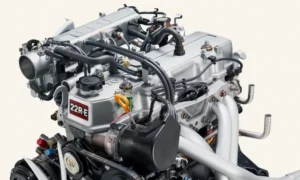
At the heart of every modern 4Runner is the time-tested 4.0L V6 engine paired with a 5-speed automatic transmission. While competitors have rushed to introduce complex turbocharged systems and 9+ speed transmissions, Toyota has stuck with what works.
This engine delivers 270 horsepower—enough for most driving scenarios—without pushing mechanical components to their limits. The result? Extraordinarily few reports of catastrophic engine or transmission failures, even in high-mileage examples.
Body-on-Frame Construction
Unlike most modern SUVs that use unibody construction (essentially built like cars), the 4Runner maintains a traditional body-on-frame design. This approach:
- Makes repairs easier and less expensive
- Provides superior durability for off-road use
- Offers better protection from undercarriage damage
- Results in a vehicle that can be practically rebuilt piece by piece
As one owner put it in a Reddit discussion: “They’re essentially designed like trucks used to be built—to be fixed rather than replaced.”
Most Reliable 4Runner Years (And Which to Avoid)
Not all 4Runner model years are created equal. The current fifth generation (2010-present) has been remarkably consistent, but there are still standout years:
Best 4Runner Model Years
- 2017-2023 models: These late fifth-generation 4Runners have benefited from incremental improvements while maintaining the proven mechanical platform. They feature enhanced safety systems without introducing reliability-compromising complexity.
- 2008-2009 (4th generation): After addressing earlier frame rust issues, these models represent the refined end of the fourth generation.
- 2015-2016 models: These strike an excellent balance between modern features and proven reliability.
4Runner Years to Approach With Caution
- 2003-2005 models: These early fourth-generation vehicles experienced frame rust issues and brake master cylinder problems. Toyota issued recalls, but finding a completely addressed example can be challenging.
- 2010-2013 models: Early fifth-generation models had some infotainment quirks and dashboard quality issues. Not dealbreakers, but worth considering.
Common 4Runner Problems (And How Serious They Actually Are)
Even the most reliable vehicles have their weak points. For the 4Runner, here are the issues most commonly reported:
Brake System Issues
The 2014-2017 models occasionally suffer from front brake caliper seizures and rotor warping. This is often attributed to inadequate heat dissipation during demanding off-road use. This typically manifests after 60,000 miles.
Severity: Moderate
Fix cost: $400-$700 for complete front brake service
Rust and Corrosion
Earlier 4Runners (particularly 2003-2005) were notorious for frame rust in salt-belt regions. Toyota addressed this with a 14-year corrosion warranty extension for 2005-2010 models, but preventative maintenance remains important.
Severity: High (if left untreated)
Prevention: Regular undercarriage washing and rust prevention treatments
HVAC Blower Issues
Some fifth-generation models develop noisy blower motors or failed resistors in the climate control system. This is more of an annoyance than a serious problem.
Severity: Low
Fix cost: $200-$400
Transmission Concerns
While generally robust, high-mileage examples (150,000+ miles) may experience delayed shifting or solenoid failures. RepairPal data shows this affects a relatively small percentage of vehicles.
Severity: Moderate
Fix cost: $500-$2,500 depending on the specific issue
4Runner Maintenance Costs: Surprisingly Affordable
The 4Runner’s simplicity translates to lower maintenance costs compared to competitors. Over the first decade, owners spend approximately $6,492 on maintenance—$1,716 less than the segment average.
Key maintenance items and costs:
| Maintenance Item | Interval | Typical Cost |
|---|---|---|
| Oil and filter change | 5,000-10,000 miles | $75-$125 |
| Transmission fluid | 60,000 miles | $150-$250 |
| Timing chain inspection | 90,000 miles | $175-$220 |
| Brake fluid flush | 30,000 miles | $100-$150 |
| Air filter replacement | 15,000-30,000 miles | $20-$50 |
The 4Runner benefits from Toyota’s general maintenance schedule, with major services at 30,000, 60,000, and 90,000 miles. Following this schedule is crucial for maximizing reliability.
Real Owner Experiences: Beyond the Statistics
Raw reliability data tells only part of the story. What do actual 4Runner owners say about their vehicles’ dependability?
The Good
Scrolling through owner reviews reveals a clear pattern:
- “270,000 miles on my 2005, and it still runs like new”
- “Bought my 4Runner new in 2012, zero major issues in 11 years”
- “It’s the definition of ‘set it and forget it’ reliability”
- “Handles rough ranch roads and Dallas potholes equally well”
The Toyota 4Runner forums are filled with stories of extreme longevity—300,000+ mile examples with original drivetrains aren’t uncommon.
The Less Good
Not all feedback is glowing. Common complaints include:
- Dated interior and tech features
- Poor fuel economy (averaging 17 MPG)
- Expensive collision repairs, particularly for pearl paint finishes
- Numb steering and body roll on pavement
These critiques focus largely on comfort and efficiency rather than reliability, highlighting an important distinction: the 4Runner sacrifices some refinement for its legendary durability.
4Runner Reliability vs. The Competition
How does the 4Runner stack up against other midsize SUVs? The comparison is revealing:
| Vehicle | Reliability Rating | Avg. Annual Repair | % Chance of Making 200k Miles |
|---|---|---|---|
| Toyota 4Runner | 4.0/5 | $514 | 45.2% |
| Honda Passport | 3.5/5 | $502 | 29.6% |
| Jeep Wrangler | 3.5/5 | $694 | 27.3% |
| Ford Explorer | 3.5/5 | $732 | 11.6% |
| Chevrolet Blazer | 3.0/5 | $544 | 12.2% |
The data from RepairPal and iSeeCars shows that while some competitors come close in initial reliability ratings, none match the 4Runner’s long-term durability and likelihood of reaching high mileage.
Only the Toyota Land Cruiser and Lexus GX (which share mechanical underpinnings with the 4Runner) exceed its longevity stats—but both come with significantly higher purchase prices.
Off-Road Use and Reliability: Does Adventure Impact Durability?
Many 4Runner owners buy these vehicles specifically for off-road capability. Does trail riding affect long-term reliability?
The short answer: less than you might think. The 4Runner’s overbuilt nature means it can handle moderate off-road use with minimal impact on reliability. However, certain components do face increased stress:
- Suspension components wear faster on rough terrain
- Underbody protection is essential to prevent critical damage
- More frequent fluid checks and changes are recommended
- Brake components may need earlier replacement
If you’re planning serious off-road use, preventative upgrades like skid plates and improved cooling systems can further enhance reliability.
The Future of 4Runner Reliability: What About the New Generation?
The current 5th generation 4Runner has been in production since 2010—an eternity in automotive terms. Toyota has announced a new 6th generation coming soon, likely as a 2025 model.
Will the new generation maintain the legendary reliability? Early information from automotive analysts suggests Toyota plans to introduce a Turbo Hybrid MAX engine option while keeping much of the proven mechanical formula intact.
Toyota’s engineers understand that reliability is the 4Runner’s strongest selling point, so dramatic departures from its proven formula seem unlikely. The company’s conservative approach to change—even when competitors offer flashier alternatives—has served 4Runner fans well over the decades.
The Bottom Line: Is a Toyota 4Runner a Reliable Choice?
Based on the overwhelming statistical and anecdotal evidence, the Toyota 4Runner ranks among the most reliable vehicles you can buy, particularly if your priorities include:
- Long-term durability (10+ years of service)
- Off-road capability
- Minimal unexpected repairs
- Strong resale value
The 4Runner isn’t perfect—it sacrifices fuel economy, interior refinement, and cutting-edge tech for its bulletproof reliability. But for buyers seeking a vehicle that will still be running strong when most competitors have long since headed to the junkyard, the 4Runner delivers with remarkable consistency.
As one longtime owner put it: “I don’t buy a 4Runner for what’s trendy today. I buy it for what will still be working tomorrow.”