You’re staring at a set of Lionhart tires online, and that price tag is making your wallet smile. But before you hit “buy,” you need to know if saving money now means trouble later. Let’s dig into the real performance data, safety records, and owner experiences to see if Lionhart tires are actually worth it.
What Are Lionhart Tires?
Lionhart’s a U.S.-based brand owned by Turbo Wholesale Tire in Los Angeles. But here’s the thing: they don’t manufacture their own tires. The actual production happens in Chinese and Thai factories, specifically by a company called Sentury Tire.
This matters because you’re not just buying a Lionhart—you’re buying whatever quality control Sentury provides. And as you’ll see in the safety section, that’s not always reassuring.
The brand launched in 2013 with a clear mission: deliver aggressive, performance-style looks at rock-bottom prices. They specialize in ultra-high performance (UHP) designs that look like premium tires but cost 30-40% less than name brands.
How Lionhart Tires Perform in Different Conditions
Dry Road Performance: Surprisingly Competent
When the pavement’s dry, Lionhart tires actually punch above their weight class. Models like the LH-Five and LH-Ten get solid reviews for grip and handling.
One BMW M4 owner swapped expensive Michelins for Lionharts and reported the straight-line grip was “wild for the price.” They hooked better than the premium tires in dry acceleration and felt stable at highway speeds.
SimpleTire rated the LH-Ten 4.7 out of 5 for dry performance. That’s legitimately good. Tesla Model 3 and Dodge Ram owners echo similar experiences—in perfect weather, these tires deliver.
Wet Weather: Where Things Get Sketchy
Marketing materials claim good wet traction, but real-world experiences tell a different story. The tread patterns look like they should handle water, but the rubber compound seems to be the weak point.
One driver reported their employee’s Lionharts were “super slippery in the rain…is like driving in the snow.” Another detailed how brand-new LH-501 tires were hydroplaning with minimal standing water, causing the ABS to activate too easily.
Even budget tire comparisons show competitors like Westlake typically offer better wet grip than Lionhart. That’s a problem when you’re already shopping in the economy tier.
Winter and Cold Weather: The Dangerous Deception
Here’s where Lionhart’s “all-season” label becomes seriously misleading. These tires are essentially unusable in winter conditions, despite the marketing.
SimpleTire’s scoring for the LH-503 touring tire shows 4.7 for dry performance but only 4.1 for winter. The LH-Eleven model isn’t recommended for winter driving at all.
Owner reports get brutal:
- “In snow and ice they are trash”
- “Despite being brand new I nearly got stuck in light slush going uphill…I had to floor it while spinning sideways”
- One driver noted their Michelin summer tires are “useless below 45 degrees”—then compared them to Lionhart all-seasons
The compound that delivers decent dry grip hardens up in cold temps and loses all traction. If you live anywhere with actual winters, don’t trust the all-season rating.
How Long Do Lionhart Tires Last?
Warranty Numbers Tell the Story
Lionhart’s treadwear warranties are honest about one thing: these tires won’t last long.
- UHP models (LH-Five, LH-Ten): 30,000-mile warranty
- Touring models (LH-501, LH-503): 40,000-mile warranty
- Truck tires (Lionclaw HT, ATX2): 40,000-mile warranty
Compare that to mid-range tires with 60,000 to 80,000-mile warranties. You’re looking at 50-60% less expected life right out of the gate.
UTQG Ratings Confirm Short Lifespan
The government’s Uniform Tire Quality Grading system backs this up. UHP models score 320 for treadwear, while touring models hit 500.
Here’s the kicker: Lionhart’s “Performance All Season” category averages 384 for treadwear—below the category average of 429. They’re officially rated to wear out faster than competitors.
Real-World Wear: The Math That Doesn’t Add Up
One Tesla owner justified buying Lionharts by calculating cost per mile. Four installed tires cost around $400 versus $1,500-$2,000 for premium brands. Even if Lionharts only last 30,000 miles versus 50,000 for premium, the per-mile cost seems lower.
But this math ignores three hidden costs:
- Another full set of mounting and balancing fees
- Performance compromises like dangerous snow traction
- Safety risks from potential manufacturing defects
A driver with alignment issues burned through Lionharts at just 20,000 miles. Another Tesla owner noted that after 20,000 aggressive miles, the tires were “still holding up pretty well” but “losing their grip.”
| Model | Type | UTQG Rating | Warranty Miles |
|---|---|---|---|
| LH-Five | UHP All-Season | 320 A A | 30,000 |
| LH-Ten | UHP All-Season | 320 A A | 30,000 |
| LH-501 | Touring All-Season | 500 A A | 40,000 |
| LH-503 | High-Perf All-Season | 500 A A | 40,000 |
Ride Quality and Comfort
Here’s where Lionhart actually shines: these tires are quiet and comfortable. It’s one of their most consistently praised features.
Owners regularly report “low road noise”, “quiet ride”, and “very smooth” performance. One driver who replaced run-flat tires found the ride “much smoother” with a “huge reduction in noise.”
Even a Subaru WRX owner—not exactly a quiet car—compared Lionharts to high-performance Michelins and said the Lionharts “seem to be more comfortable and it isn’t noisy at all.”
This comfort creates a dangerous first impression. The tires feel premium when you’re cruising on dry pavement. It’s easy to forget about the compromises until you hit wet roads or cold weather.
Quality Control Issues
Not everyone gets a smooth experience. Balancing problems and vibrations are common complaints.
An old forum post that still rings true noted: “Worst thing about no-name tires is they never truly balance out due to road force.”
One driver reported their brand-new set caused the “car pulls to the right pretty significantly” and “oscillates pretty significantly above 55 MPH.” They suspected a manufacturing defect called conicity—when the tire’s shaped more like a cone than a cylinder.
These aren’t isolated incidents. They’re symptoms of inconsistent manufacturing, which brings us to the most critical issue.
The Safety Concern You Can’t Ignore
This is where the Lionhart value proposition collapses completely. The National Highway Traffic Safety Administration (NHTSA) database shows Sentury Tire—Lionhart’s manufacturer—has multiple severe safety recalls.
NHTSA Recall 23T-009 (November 2023)
Sentury recalled 8,900 tires, including Lionhart Lionclaw AT2 and LH-501 models.
The defect: A “missing chemical during the compound mixing process…preventing proper vulcanization.”
Vulcanization is the process that turns raw rubber into a functional tire. Without it, the tire has no structural integrity. The recall states this “can cause tire failure.”
NHTSA Recall 20T-005 (March 2020)
Sentury recalled over 6,188 light truck tires, including the Lionhart Lionclaw HT.
The defect: A “change in the manufacturing process which could lead to weakened sidewalls.”
Weakened sidewalls can cause sudden blowouts, especially under the heavy loads that trucks and SUVs carry. That’s a catastrophic loss of control waiting to happen.
Real Sidewall Failures Match the Recalls
These aren’t just theoretical risks. One owner posted about their Lionhart’s sidewall disintegrating after “just a few minutes of spirited driving”—which they clarified was “easy driving,” not track abuse.
This failure happened on a tire “a little over a year” old with “less than 5,000 miles.” Forum users responded with agreement, calling them “Chinesium trash” and noting they’ve “had soo many sidewalls” fail.
There’s a direct line from documented NHTSA manufacturing defects to real-world catastrophic failures. The balancing issues, vibrations, and sidewall blowouts aren’t bad luck—they’re the result of systemic quality control problems.
| NHTSA Recall | Date | Affected Models | Defect |
|---|---|---|---|
| 23T-009 | Nov 2023 | Lionclaw AT2, LH-501 | “Missing chemical…preventing proper vulcanization…can cause tire failure” |
| 20T-005 | Mar 2020 | Lionclaw HT | “Change in manufacturing process…could lead to weakened sidewalls” |
The Bottom Line: Are Lionhart Tires Worth It?
Let’s be honest about what you’re getting. Lionhart tires are cheap, comfortable, and look aggressive. In perfect weather on dry roads, they perform surprisingly well for the price.
But that’s where the good news ends.
They’re dangerous in wet conditions. They’re essentially useless in winter despite the “all-season” label. They wear out fast. And most critically, they’re manufactured by a company with documented, repeated safety recalls for fundamental production failures.
Who Should Avoid Lionhart Tires
Don’t buy these if you:
- Drive a family vehicle (the safety risk is unacceptable)
- Live anywhere with four-season weather
- Drive in rain regularly
- Value predictable, safe performance
Who Might Consider Them
The only scenario where Lionhart makes sense: you’ve got a project car in Southern California that only sees occasional dry-weather use, and you’re fully aware you’re prioritizing looks over safety.
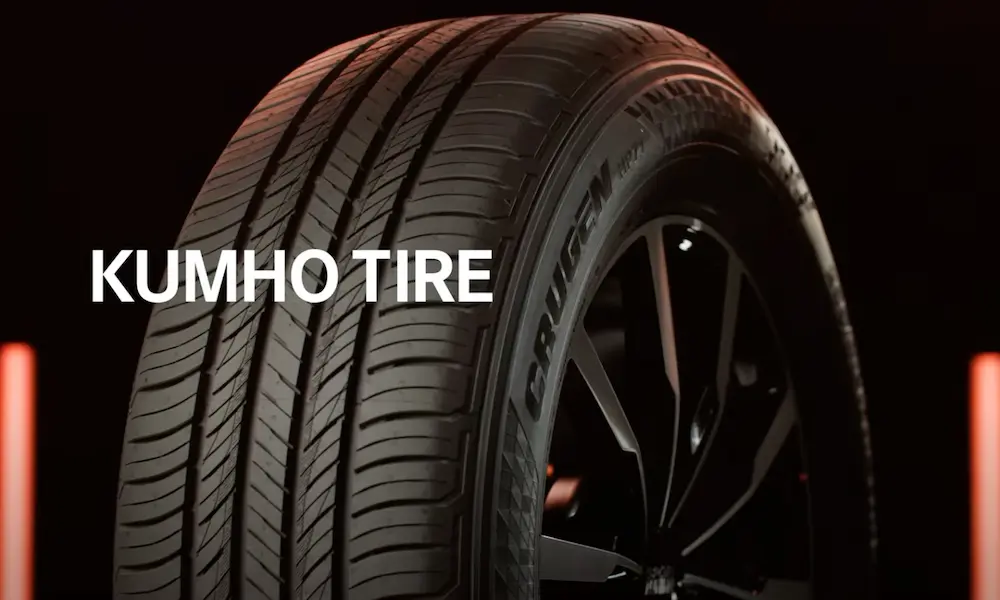
Even then, brands like Kumho, General, or Cooper offer similar prices without the documented manufacturing problems.
The straight answer: No, Lionhart tires aren’t good. They fail the basic test of being a reliable, safe connection between your car and the road. The low price isn’t value—it’s a clear signal of high risk and low quality. Your tires are literally the only thing between you and the pavement. Don’t gamble on them.