Shopping for tires shouldn’t feel like a gamble, but when you’re looking at Mavis-branded options, you need the full story. The short answer: some Mavis tires are solid performers made by trusted manufacturers, while others have serious quality issues. Here’s what you need to know before you buy.
What Are Mavis Tires, Really?
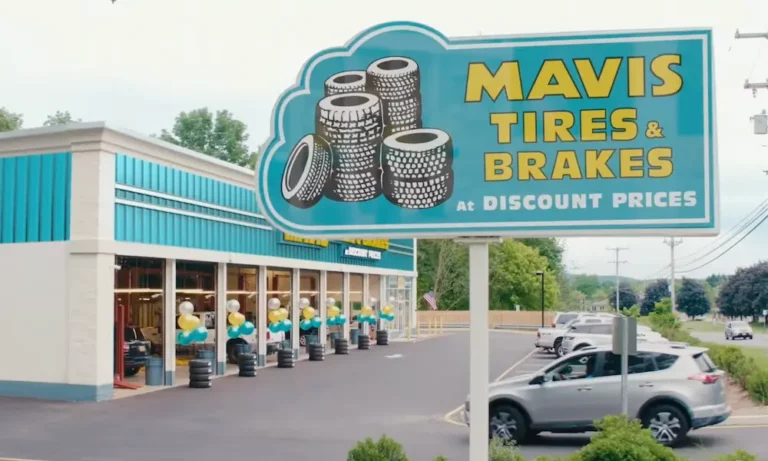
Let’s clear this up right away. Mavis doesn’t manufacture tires. They’re a massive automotive service chain with over 3,500 locations across the U.S. and Canada. Their private-label tires—the ones with “Mavis” stamped on the sidewall—are actually made by other manufacturers.
This white-label approach can be a smart move for your wallet. You’re essentially getting a major-brand tire at a lower price point. But here’s the catch: not all Mavis tires come from the same factory.
The company sources different tire lines from different manufacturers:
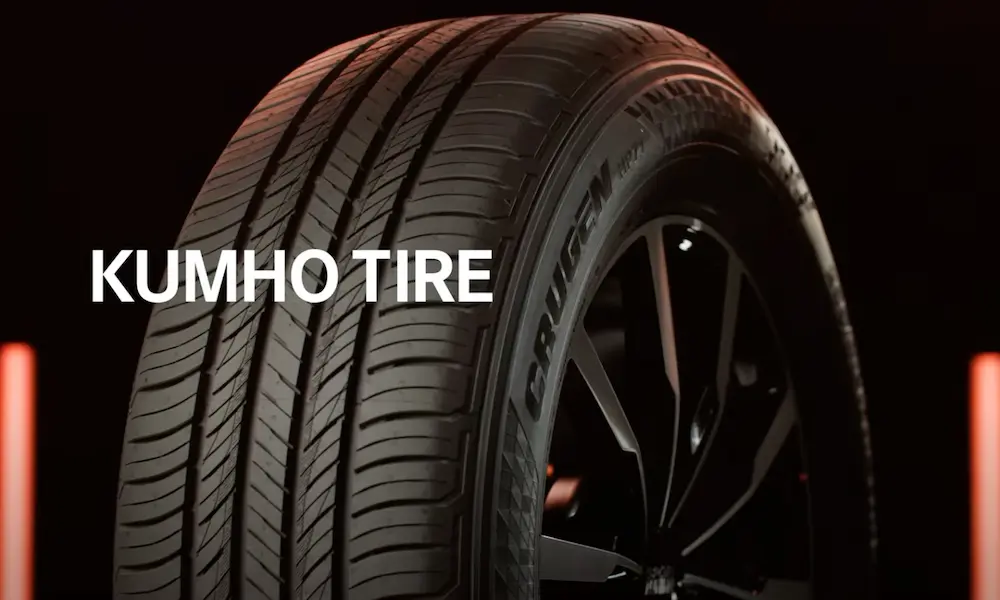
- Mavis Mountaineer: Made by Kumho
- Mavis Traction Control: Made by Hankook
- Mavis All Season Touring: Made by Goodyear or Hankook
- Mavis HT-S: Made by Sentury Tire Thailand
This fragmented sourcing strategy means the quality varies wildly depending on which specific model you’re considering.
The Good: When Mavis Tires Hit the Mark
Mavis Mountaineer A/T: A Legit All-Terrain Option
If you’re shopping for all-terrain tires, the Mavis Mountaineer deserves serious consideration. Made by Kumho, this tire consistently earns praise from truck and SUV owners.
One owner’s detailed video review called them “very quiet on the highway” with “good wet traction/braking.” That’s impressive for an A/T tire, which typically sacrifices some on-road comfort for off-road capability.
Real-world users who’ve run premium brands like Cooper, Goodyear, and BFG report they “like these better than all 3 of those, for the price.” One Ram owner towed a 38-foot camper for 18 months without issues.
The Mountaineer comes with a 60,000 to 70,000-mile warranty, which is competitive for the category. For this specific tire line, you’re getting Kumho’s manufacturing expertise at a private-label price.
Mavis Traction Control: Solid, But…
The Hankook-manufactured Traction Control line targets the all-season market with an aggressive selling point: a 75,000 to 100,000-mile warranty.
Users report it’s “quieter than my prior Continental” and delivers a “super smooth” ride with “better gas mileage” on vehicles like the Toyota Highlander. That’s exactly what you want from a touring tire.
The downside? Some owners find them noisy at highway speeds (60-70 mph), particularly on minivans. And there’s legitimate skepticism about whether a 100,000-mile warranty is realistic on the front axle of a heavy SUV.
Here’s the bigger issue: that impressive warranty only matters if Mavis actually honors it. We’ll get to that problem in a minute.
The Bad: Quality Control Red Flags
Mavis All Season Touring: Premature Failures
This is where things get concerning. The All Season Touring line has credible reports of serious issues well before the 60,000-mile warranty expires.
One minivan owner reported two tires were “out of round” at just 17,000 miles. Worse, one tire “had a bubble bad enough that the tire split.” That’s not a minor inconvenience—it’s a safety hazard.
A bubble in your tire’s sidewall means the internal structure has failed. The ply cords that hold the tire together have separated, allowing air to push through. This can lead to a sudden blowout, especially at highway speeds.
When the owner tried to claim the warranty, Mavis offered a measly $25 per tire discount. That’s nowhere near the prorated value they deserved.
The Dangerous: A Safety Recall You Need to Know About
In November 2023, the National Highway Traffic Safety Administration issued a recall for 8,900 tires manufactured by Sentury Tire Thailand. One of the affected brands: Mavis HT-S, size 255/50ZR19.
The defect wasn’t cosmetic. The tires were manufactured with “a missing chemical during the compound mixing process for the base compound of the tread.” This prevented proper vulcanization—the process that gives rubber its strength and durability.
The consequence, according to the NHTSA recall report: “can cause tire failure.” Translation: your tire could catastrophically fail while you’re driving.
This recall proves a critical point. Not all Mavis tires are rebadged versions of quality brands like Kumho or Hankook. Some are sourced from budget manufacturers where quality control can be dangerously inadequate.
| NHTSA Recall | Tire Line | Manufacturer | Defect | Risk |
|---|---|---|---|---|
| 23T-009 | Mavis HT-S (255/50ZR19) | Sentury Tire Thailand | Missing chemical in tread compound | Prevents proper vulcanization; can cause tire failure |
The Service Problem: Where Good Tires Go to Die
Here’s where things get really messy. Even if you buy one of the good Mavis tire lines, you’re still dealing with Mavis the service provider. And that’s a serious problem.
By the Numbers
Mavis isn’t accredited by the Better Business Bureau. Their headquarters location has a 2.13 out of 5-star rating based on 943 reviews.
More alarming: 1,596 complaints filed in the last three years. Of those, 1,359 are categorized as “Service or Repair Issues.” This isn’t about billing disputes—it’s about Mavis’s core business: installing and servicing tires.
The Service Lottery
Mavis grew rapidly by acquiring other chains—Cole Muffler, Somerset Tire, Town Fair Tire, Tuffy, and most recently Midas in 2025. This acquisition strategy gave them thousands of locations but created a massive problem: inconsistent service quality.
Some locations are praised as “very honest in their evaluation” and “doesn’t scare nor pressure the owner.” Others have 20-year customers asking “what happened to Mavis?” after experiencing aggressive new sales tactics.
You’re essentially playing roulette. Whether you get competent, honest service or a nightmare experience depends entirely on which location you walk into.
Incompetence and Damage
The complaint patterns include:
- Greasy handprints left all over cloth seats
- Hoods not fully latched after service
- Oil changes that caused rapid oil leaks
- Brake damage during inspections (one BBB complaint alleged $699 in repair costs)
In the most alarming case, a customer’s brakes weren’t working when they picked up their car after declining an A/C service estimate.
The Upsell Nightmare
The most disturbing pattern involves aggressive, potentially fraudulent upselling.
One RAM truck owner went to Mavis for tires—recommended by their dealership—and received a quote for over $4,000. Mavis claimed they needed new tires, shocks, brake pads, rotors, and that their brake fluid was “contaminated.”
The customer had literally just left their dealership service department. They got a third opinion from another shop, which confirmed: “Mavis was attempting to RIP ME OFF.”
Another complaint alleged technicians “squirted oil all under my hood and said the master cylinder blew up.” The customer refused the service, cleaned the oil, and the vehicle “has been fine since.”
The most severe allegation involves what appears to be sabotage. After refusing to buy four tires instead of two and declining a ball joint replacement, one customer’s “old” tire mysteriously went flat a week later (valve core popped out). Then their “fairly new” ball joint failed, with the rubber boot showing “a neat straight cut, as if done with a knife.”
The Warranty Trap
Even if you buy a quality Mavis tire and avoid service nightmares, you still face the warranty problem.
Multiple customers report Mavis refuses to honor warranties, even on their own private-label tires. One user stated bluntly: “If you want tires with a company that honors their warranty, go anywhere BUT Mavis.”
Here’s how they get away with it. Mavis’s warranty terms require proof of “Proper Tire Care”—regular rotations every 5,000 miles, proper inflation, wheel alignment, and balancing. Without receipts for every service, they can deny your claim.
Worse, the warranty explicitly excludes “a bubble in the tire’s sidewall or other cosmetic damage.” Remember those dangerous sidewall bubbles on the All Season Touring? Mavis can (and does) claim they’re road hazard damage, not a manufacturing defect. Either way, you’re not covered.
It’s a structural trap. Mavis sells tires prone to a specific failure mode while simultaneously writing warranties that exclude that exact failure.
Smart Shopping: How to Navigate Mavis
If you’re considering Mavis tires, here’s your action plan:
The Only Tire Worth Considering: The Kumho-made Mavis Mountaineer. It’s got solid real-world performance data and comes from a reputable manufacturer.
Better Strategy: Skip Mavis entirely. Find the equivalent Kumho Road Venture tire and buy it from a trusted installer. You’ll get the same tire with better service and more reliable warranty support.
Warning Signs at Any Location:
- High-pressure sales tactics
- Expensive quotes for services you didn’t request
- Claims of urgent repairs your regular mechanic never mentioned
- Reluctance to show you the actual problem
If You Already Own Mavis Tires: Document everything. Keep receipts for every rotation, alignment, and service. Take photos of your tires regularly. You’ll need this evidence if you have to fight for warranty coverage.
What the Data Really Tells Us
Here’s the table that summarizes the Mavis private-label lineup and what you’re actually getting:
| Tire Line | Category | Real Manufacturer | Warranty | Verdict |
|---|---|---|---|---|
| Mavis Mountaineer | All-Terrain | Kumho | 60,000-70,000 miles | Good value, solid performance |
| Mavis Traction Control | All-Season | Hankook | 75,000-100,000 miles | Decent product, warranty is questionable |
| Mavis All Season Touring | Highway | Goodyear or Hankook | 60,000 miles | Reports of premature failure, sidewall bubbles |
| Mavis HT-S | Highway-Terrain | Sentury Tire Thailand | N/A | Recalled by NHTSA for manufacturing defect |
Are Mavis tires good? The Mountaineer is. The Traction Control might be. The All Season Touring has problems. And the HT-S was literally recalled for a safety defect.
But even the good Mavis tires come with a massive asterisk: you’re buying them from a company with a documented pattern of service problems, aggressive upselling, and warranty denial.
The potential savings aren’t worth the risk. You’re better off identifying the actual manufacturer (Kumho, Hankook) and buying their branded equivalent from a shop with a reputation you can trust. You’ll pay slightly more upfront but avoid the very real risk of paying thousands more later when something goes wrong.
Your safety is worth more than a discount tire.