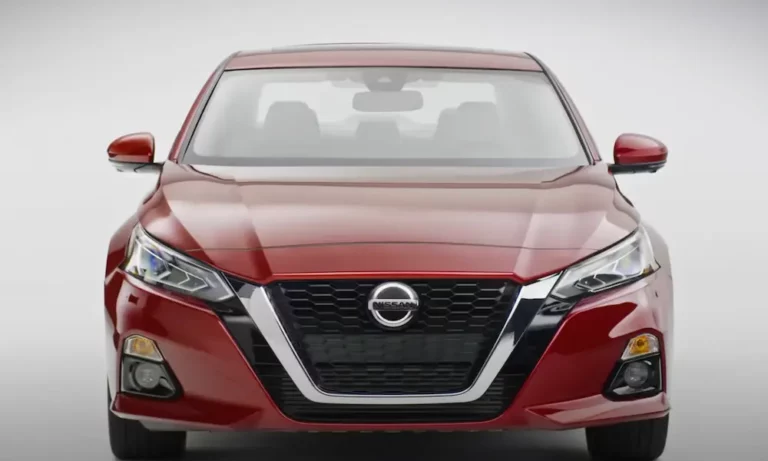
Thinking about a Nissan Altima but worried about those transmission horror stories you’ve heard? You’re right to do your homework. The Altima’s reliability story has some plot twists—from troublesome transmissions in older models to significant improvements in recent years. Let’s cut through the noise and see if an Altima belongs in your driveway.
The Short Answer: Are Nissan Altimas Reliable?
Yes, but it depends heavily on the model year. Modern Altimas (2019 and newer) show much-improved reliability with fewer transmission issues. RepairPal gives the Altima a solid 4.0 out of 5.0 reliability rating, ranking it 11th out of 24 midsize cars. J.D. Power awards recent models impressive 82-84/100 scores for quality and reliability.
Still, older models (especially 2007-2016) earned a spotty reputation primarily due to CVT transmission problems that could lead to expensive repairs.
Nissan Altima Reliability by the Numbers
Let’s look at what the data tells us about Altima reliability:
| Rating Source | Score | Industry Position |
|---|---|---|
| RepairPal | 4.0/5.0 | 11th of 24 midsize cars |
| J.D. Power (2025 model) | 82/100 | Among top-rated midsize sedans |
| Annual Repair Costs | $483 | Below midsize average ($526) |
| Major Repair Probability (first 10 years) | 16.97% | Slightly above average |
These numbers paint a picture of a car that’s generally reliable, especially in newer model years, with maintenance costs that won’t break the bank.
The Elephant in the Room: CVT Transmission Issues
The Altima’s biggest reliability sore spot has been its continuously variable transmission (CVT). Here’s what you need to know:
The Problem Years
Models from 2007-2018 experienced widespread CVT issues, including:
- Jerking and lurching during acceleration
- Shuddering or shaking, especially at highway speeds
- Complete transmission failure, sometimes before 100,000 miles
- Expensive repairs, often costing $3,000-$4,000
These problems were so significant that they sparked class action lawsuits and forced Nissan to extend warranties on affected transmissions.
The Improvement
The good news? Nissan learned its lesson. Around 2019, they introduced significantly improved CVT designs. The company reports that newer transmissions underwent testing over 4 million miles of public roads and are 4-8% more fuel efficient than previous versions.
Recent models use updated chain-style CVT-X systems that have shown much better reliability with no major widespread issues reported. If you’re shopping used, this is crucial information.
Best and Worst Altima Years for Reliability
Not all Altimas are created equal when it comes to dependability.
Most Reliable Altima Model Years:
- 2011: Often cited as exceptionally reliable with an 80/100 reliability rating
- 2017-2019: Transitional years with gradual improvements in transmission reliability
- 2021-2025: Recent models feature refined CVTs and improved quality control
Altima Years to Avoid:
- 2007-2010: First-generation CVT issues, despite extended warranty coverage
- 2013-2016: The peak problem years, subject to multiple class action lawsuits
- 2002-2006: Various mechanical and electrical issues common with aging
Beyond Transmissions: Other Common Altima Problems
While the CVT gets most of the attention, Altimas have experienced other recurring issues:
- Failed crankshaft and camshaft sensors: Causes stalling or failure to start
- Acceleration hesitation: Particularly noticeable when merging or passing
- Engine overheating: Can lead to head gasket failure if ignored
- Interior quality issues: Door handles breaking, dashboard materials peeling
- Electrical gremlins: Power window failures and erratic instrument cluster readings
What Will an Altima Cost You Long-Term?
Looking beyond the purchase price, here’s what Altima ownership typically costs:
- 10-year maintenance and repair costs: Around $6,037 (slightly above industry average)
- 5-year total cost of ownership: $35,586 to $44,272 depending on trim level
- Annual maintenance: $483 on average
Regular Maintenance Costs:
- Oil changes (every 5,000-7,500 miles): $50-$70
- Tire rotations (every 6,000 miles): $20-$50
- Brake service (every 30,000-70,000 miles): $150-$300 per axle
Safety: A Consistent Bright Spot
While reliability has had ups and downs, safety has been consistently strong for the Altima. The car has earned IIHS Top Safety Pick or Top Safety Pick+ awards for five consecutive years when properly equipped. This makes it a solid choice for safety-conscious buyers.
How Does the Altima Compare to Competitors?
The midsize sedan segment is fiercely competitive. Here’s how the Altima stacks up:
| Feature | Nissan Altima | Honda Accord | Toyota Camry |
|---|---|---|---|
| Reliability Rating | 4.0/5.0 | 4.5/5.0 | 4.0/5.0 |
| Annual Maintenance | $483 | $400 | $388 |
| Fuel Economy (combined) | 32 MPG | 32 MPG | 32 MPG |
| Starting Price | Lower | Higher | Higher |
| CVT Reputation | Improving | Excellent | N/A (uses traditional automatic) |
While Toyota and Honda maintain stronger overall reliability reputations, the gap has narrowed significantly with recent Altima models. The Altima often provides more features at a lower price point, making it attractive for value-conscious buyers.
Warranty Coverage: What’s Protected
Nissan provides fairly standard warranty protection:
- Basic coverage: 3 years/36,000 miles
- Powertrain coverage: 5 years/60,000 miles
- Corrosion coverage: 5 years/unlimited miles
For additional peace of mind, Nissan offers extended warranty options through their Security Plus program, covering up to 8 years/120,000 miles.
Is an Altima Right for You? Consider These Factors
When deciding if an Altima meets your reliability needs, ask yourself:
-
Which model year are you considering? 2019 or newer substantially reduces your risk of transmission problems.
-
How long do you plan to keep the car? If you’re a long-term owner (7+ years), factor in the potential for higher repair costs as the vehicle ages.
-
Do you value performance or comfort more? The Altima offers good comfort and fuel economy but isn’t as sporty as some competitors.
-
What’s your budget? The Altima typically offers more features at a lower price point than Toyota or Honda alternatives.
-
Is a CPO (Certified Pre-Owned) option available? These offer additional warranty protection that can be valuable for used Altimas.
Real-World Owner Experiences
Many owners report positive experiences with their Altimas, particularly with newer models. Common praise includes comfortable seating, good fuel economy, and straightforward technology. Criticisms tend to focus on lackluster driving dynamics and some interior materials that don’t match class leaders.
Owner forums suggest that proper maintenance is especially crucial for maximizing Altima reliability. Following the manufacturer’s recommended service schedule—particularly for transmission fluid changes—can significantly extend your Altima’s life.
Making the Smart Choice: Tips for Altima Shoppers
If you’re set on an Altima, here’s how to maximize your chances of getting a reliable one:
-
Stick with 2019 or newer models to avoid the worst of the CVT issues
-
Check for extended warranty coverage on used models, as some may still qualify for Nissan’s transmission warranty extension
-
Request service records when buying used to verify maintenance history
-
Consider a pre-purchase inspection from an independent mechanic
-
Test drive thoroughly, paying special attention to how the transmission feels during acceleration and highway cruising
The Verdict: Are Nissan Altimas Reliable?
Current Nissan Altimas (2019 and newer) offer reliability that’s competitive in the midsize sedan segment, though they may not quite match the gold standard set by Toyota and Honda. The dramatic improvement in CVT design has addressed the most significant historical concern.
For buyers seeking value, comfort, and decent fuel economy, a newer Altima represents a reasonable choice with manageable long-term costs. Just be sure to avoid the problematic model years (particularly 2013-2016) unless the price reflects the potential repair risks.
Remember that individual maintenance habits significantly impact any car’s reliability. With proper care, many Altima owners report trouble-free experiences well beyond 100,000 miles—even with models from less reliable years.