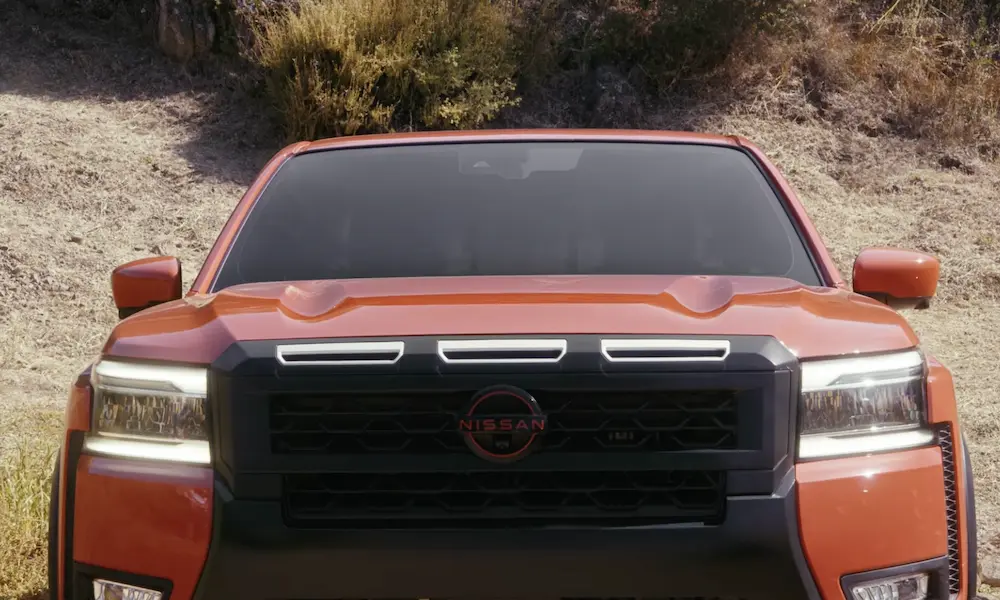
Looking for a powerful full-size SUV but worried about getting stuck with a money pit? The Nissan Armada might be on your radar, but its reliability reputation isn’t always clear-cut. We’ll dive into what makes some Armada models rock-solid choices while others should be avoided at all costs. By the end, you’ll know exactly which model years deliver the best bang for your buck and which ones might leave you stranded.
The Nissan Armada’s Overall Reliability Score
The Nissan Armada earns a respectable 3.5 out of 5.0 reliability rating from RepairPal, ranking it 2nd out of 14 full-size SUVs. That’s pretty impressive considering most vehicles in this category typically score lower due to their size and complexity.
What really stands out is the Armada’s average annual repair cost of $550—significantly lower than both the full-size SUV average ($784) and the overall vehicle average ($652). This means you’re likely to spend less keeping an Armada on the road than many of its competitors.
Why Some Armadas Last Forever (And Others Don’t)
The Transmission Advantage
One of the smartest engineering decisions Nissan made with the Armada? Skipping their notorious CVT transmission that plagues many smaller Nissan models. Instead, the Armada uses a traditional 7-speed automatic transmission that’s proven much more durable and reliable over time.
This conventional transmission handles the SUV’s power demands better and typically avoids the expensive failures that have damaged Nissan’s reliability reputation in other models.
Built Like a Tank (Literally)
The Armada rides on a body-on-frame construction—essentially the same rugged platform used for trucks. Unlike unibody designs found in crossovers, this truck-based architecture provides superior durability when facing:
- Heavy towing duties
- Off-road adventures
- Daily family abuse
This robust foundation helps explain why many Armada owners report their vehicles cruising past the 200,000-mile mark with minimal issues, and some even reaching the impressive 300,000-mile club.
Armada Model Years to Embrace (And Which to Avoid)
Not all Armada model years are created equal. Based on complaint data and reliability trends, here’s where to place your bets:
The Golden Years: Most Reliable Armada Models
These Armada years have consistently shown excellent reliability records:
- 2009-2010: These first-generation models hit their stride with refined engineering
- 2012-2014: Minimal complaints and strong durability make these solid used buys
- 2018-2020: Second-generation models with improved build quality and fewer reported issues
The 2010 model year is often cited as the reliability champion of the first generation.
The Problem Children: Armada Years to Avoid
Steer clear of these problematic model years:
- 2004-2005: The earliest models suffered serious brake problems and unintended acceleration issues
- 2017: With 44 total complaints, this redesign year has the highest problem rate of recent models
- 2006, 2008: These years show elevated complaint levels across multiple systems
The Most Common Armada Problems (By Generation)
First Generation (2004-2015) Issues
1. Brake System Failures
Early Armadas (2004-2008) developed serious brake problems around the 90,000-mile mark. Warning signs included:
- ABS warning lights flashing
- Grinding noises during braking
- Unexpected pedal feel changes
These issues were so widespread they triggered class-action lawsuits against Nissan.
2. Exhaust Manifold Cracking
A persistent problem across the first generation, exhaust manifolds would develop cracks around 100,000 miles, leading to:
- Check engine lights
- Poor fuel economy
- Loud ticking noises from the engine
- Potential engine damage if left unaddressed
Second Generation (2017-Present) Issues
1. Electrical Gremlins
Recent models (particularly 2017-2019) have shown their share of electrical quirks:
- Infotainment system freezes and crashes
- Battery drain issues (especially in the 2019 model)
- False collision warning alerts
- Power accessory failures
2. Over-Sensitive Forward Collision Systems
Many owners report frustration with the 2017-2019 models’ collision warning system, which would frequently activate with no apparent danger present.
Comparison: How the Armada Stacks Up Against Competitors
| Feature | Nissan Armada | Toyota Sequoia | Ford Expedition | Chevy Tahoe |
|---|---|---|---|---|
| Reliability Rating | 3.5/5.0 (RepairPal) | 4.0/5.0 | 3.0/5.0 | 3.0/5.0 |
| Avg. Annual Repair Cost | $550 | $642 | $861 | $744 |
| 5-Year Depreciation | 62% | 39.6% | 53.5% | 50.1% |
| Expected Lifespan | 200,000-300,000 miles | 250,000-300,000 miles | 150,000-200,000 miles | 200,000-250,000 miles |
The Armada outranks many competitors in reliability, though the Toyota Sequoia remains the gold standard with its exceptional durability and superior resale value. The Armada’s biggest weakness is its rapid depreciation – losing over 60% of its value in just 5 years.
Ownership Costs: What to Expect Long-Term
Over the first decade of ownership, Armada owners typically spend about $8,783 on maintenance and repairs. That’s only $575 above the industry average for SUVs, which is remarkable considering the Armada’s size and capabilities.
The chances of needing a major repair during those first 10 years? About 23% – actually slightly better than similar vehicles. This data suggests the Armada isn’t the money pit some might expect from a full-size SUV.
Real Owners Weigh In: What’s the Armada Really Like?
Despite some documented issues, most long-term Armada owners express high satisfaction with their vehicles. Here’s what actual owners say:
“My 2019 Armada has been a good solid vehicle after 135k miles with no mechanical problems.” – Reddit user
“I’ve owned three Armadas and have only dealt with minor issues. My last one reached 160,000 miles before trading it in.” – Armada owner forum
Many owners specifically praise:
- Exceptional comfort on long trips
- Strong towing capability
- Surprising durability of interior materials
- Lower maintenance costs than expected
What’s New: The 2025 Armada’s Reliability Outlook
The 2025 Nissan Armada brings significant changes, swapping the traditional V8 for a new 3.5L twin-turbo V6 engine producing 425 horsepower. While this improves fuel economy while maintaining the 8,500-pound towing capacity, it also introduces some reliability unknowns.
Consumer Reports predicts “about average reliability” for the 2025 model based on Nissan’s overall brand performance, but this new powertrain may need a few years to prove itself.
Maintenance Tips: Keeping Your Armada Running Strong
To maximize your Armada’s lifespan and avoid costly repairs:
- Follow the severe service schedule in the owner’s manual if you tow regularly or drive in extreme conditions
- Change transmission fluid every 30,000-60,000 miles (more often than Nissan’s recommended interval)
- Listen for exhaust manifold leaks (ticking sound when cold) and address immediately
- Keep the cooling system in top shape to prevent engine overheating
- Check brake components regularly, especially on first-generation models
- Monitor battery health with each oil change, particularly in 2017-2019 models
What These Reliability Ratings Mean for Buyers
For New Armada Shoppers:
- The 2025 model brings exciting improvements but consider waiting a year for real-world reliability data
- Extended warranties may be worth considering given Nissan’s mixed track record
- Compare against the Toyota Sequoia if long-term reliability is your top priority
For Used Armada Shoppers:
- Target 2010, 2013, 2014, and 2018-2020 model years for the best reliability
- Avoid 2004-2005 and 2017 models completely
- Always get a pre-purchase inspection focused on the common issues we’ve outlined
- Look for single-owner vehicles with complete maintenance records
The Bottom Line: Are Nissan Armadas Reliable?
Yes, Nissan Armadas are generally reliable full-size SUVs when you choose the right model year. Their traditional transmission design and truck-based platform provide a solid foundation that typically outlasts many competitors.
The best Armadas can easily reach 200,000-300,000 miles with proper maintenance, offering excellent value despite faster-than-average depreciation. Just be sure to avoid the problematic model years we’ve identified, and you’ll likely enjoy many years of dependable service from this capable full-size SUV.