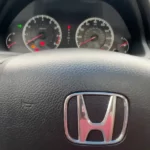
Is your Honda’s D light blinking at you from the dashboard? That little flashing indicator isn’t just trying to get your attention—it’s actually warning you about a potential transmission problem that needs addressing. If you’re wondering what’s causing it and what to do next, you’re in the right place. I’ll walk you through everything you need to know about this common Honda warning signal, from diagnosis to solutions.
What Does a Flashing D Light Mean on Your Honda?
When the D light on your Honda’s dashboard starts flashing, it’s specifically signaling a transmission warning. Unlike other dashboard lights that might indicate general engine problems, this blinking D is Honda’s unique way of telling you there’s an issue with your automatic transmission system.
Your vehicle’s computer has detected something wrong and is giving you an early heads-up before more serious damage occurs. In many cases, your Honda has already entered what technicians call “fail-safe mode” or “limp mode,” restricting the transmission to a specific gear (usually 3rd or 6th) to protect it from further damage.
Think of it like your car saying, “Hey, something’s not right with my transmission, so I’m limiting myself to help prevent total failure.”
Top 5 Causes of a Flashing D Light
1. Low or Contaminated Transmission Fluid
One of the most common culprits behind a flashing D light is transmission fluid issues. When your Honda doesn’t have enough transmission fluid, or if the fluid has become dirty, burnt, or contaminated, the transmission can’t function properly. The fluid is both a lubricant and a hydraulic medium that makes gear shifts possible, so problems with it directly affect transmission performance.
2. Faulty Transmission Pressure Switches
This is actually the most frequently diagnosed specific cause. The 3rd clutch pressure switch is particularly prone to failure in Honda vehicles. When these switches malfunction, they often trigger trouble code P0847 (Transmission Fluid Pressure Sensor/Switch “B” Circuit Low). These switches monitor hydraulic pressure in the transmission, and when they fail, your car’s computer thinks there’s a pressure problem even when there isn’t.
3. Transmission Overheating
Your transmission generates heat during normal operation, but excessive heat from heavy towing, mountain driving, or stop-and-go traffic can push it beyond its limits. An overheating transmission will often trigger the D light to flash as the vehicle enters protective mode. Sometimes cooling system problems that affect the transmission cooler can also cause this issue.
4. Electrical System Problems
Your transmission relies on proper electrical current to operate its solenoids and sensors. Low battery voltage or alternator issues can cause insufficient power to transmission components. Even corroded ground connections or damaged wiring harnesses can create intermittent electrical problems that trigger the warning light.
5. Faulty Transmission Solenoids
Transmission solenoids are electrical valves that control fluid flow for gear changes. If these solenoids become stuck, leak, or fail completely, the transmission won’t shift properly. Your Honda’s computer will detect the improper shifting pattern and flash the D light to alert you to the problem.
Is It Safe to Drive with the D Light Flashing?
The short answer: No, you should not continue driving with a flashing D light if you can avoid it.
While your Honda might still move in fail-safe mode, continuing to drive can risk significant transmission damage that could cost thousands to repair. Modern transmissions are complex and expensive components—some replacement transmissions can cost $3,000-5,000 with labor.
If you absolutely must drive to reach a repair facility:
- Keep speeds low (typically under 45 mph in limp mode)
- Drive directly to your destination without detours
- Avoid highway driving or situations requiring quick acceleration
- Don’t attempt to “reset” the system by turning the car off and on repeatedly
How to Diagnose a Flashing D Light
Step 1: Check Your Transmission Fluid
The easiest first check is to examine your transmission fluid:
- Park your Honda on level ground
- With the engine running and the transmission in Park, locate the transmission dipstick (consult your owner’s manual if unsure)
- Pull it out, wipe clean, reinsert completely, then pull it out to check the level
- The fluid should be between the two marks on the dipstick
- Check the fluid’s condition—it should be clear with a reddish tint, not dark brown or black with a burnt smell
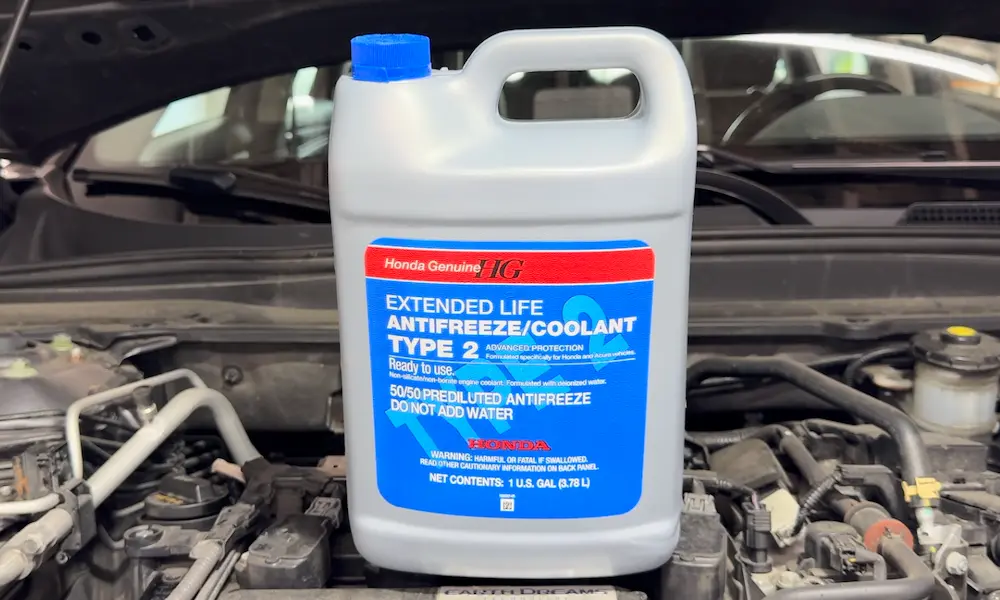
If the fluid is low, top it off with the correct Honda transmission fluid (typically Honda ATF DW-1). Be careful not to overfill.
Step 2: Check for Diagnostic Trouble Codes
Modern Hondas store specific trouble codes when the D light flashes. You’ll need an OBD-II scanner to retrieve these codes. Here’s how:
- Locate the OBD-II port (usually under the dashboard near the steering column)
- Connect the scanner and turn your ignition to the “ON” position
- Follow the scanner’s instructions to retrieve codes
- Look for transmission-related codes, particularly:
- P0847 (Third clutch pressure switch circuit)
- P0700-P0799 (General transmission codes)
- P0840-P0849 (Pressure switch related codes)
Don’t have a scanner? Most auto parts stores will scan your car for free.
Step 3: Inspect for Visible Issues
While the hood is open, check for:
- Loose or damaged electrical connectors to the transmission
- Leaking transmission fluid on the ground or on transmission components
- Damaged cooling lines that connect to the transmission
- Broken or damaged wiring harnesses
Common Solutions for a Flashing D Light
Fixing Low Transmission Fluid
If your fluid is low without visible leaks, simply top it off with the correct Honda transmission fluid. However, low fluid without an obvious leak often indicates internal transmission seals are leaking. In this case:
- Monitor fluid levels frequently until you can have the transmission properly inspected
- Consider having the fluid changed completely if it appears dirty or burnt
- Use only Honda-specified transmission fluid (usually Honda ATF DW-1)
Replacing the 3rd Clutch Pressure Switch
If your diagnostic scan showed code P0847, you likely need to replace the 3rd clutch pressure switch. This is a relatively affordable repair:
- The switch itself typically costs $50-100
- It’s located on the transmission case and is accessible from under the vehicle
- Many DIY-inclined owners can replace this switch themselves
- Professional replacement usually costs $150-300 including parts and labor
Transmission Fluid Service
If your transmission fluid is dirty, burnt, or contaminated, a fluid service is necessary:
| Service Type | What It Does | Cost Range | Best For |
|---|---|---|---|
| Drain & Fill | Replaces about 30-40% of fluid | $100-200 | Regular maintenance |
| Flush | Replaces nearly all fluid | $200-300 | Severely contaminated fluid |
| Filter Replacement | Replaces internal filter | $200-400 | High-mileage vehicles |
For Hondas, a series of three drain and fill procedures spaced by short driving periods is often recommended over a complete flush, as it’s gentler on the transmission.
Electrical System Repairs
If electrical issues are the root cause:
- Have your battery and charging system tested
- Check all ground connections for corrosion or looseness
- Inspect the wiring harness for damage, especially around areas that flex during engine movement
- Replace any damaged connectors or wiring
Transmission Solenoid Replacement
Failed solenoids often require more extensive work:
- Some individual solenoids can be replaced without removing the transmission
- A solenoid pack replacement typically costs $300-800 depending on the model
- Labor costs vary significantly based on solenoid accessibility in your specific Honda model
Preventing Future Transmission Problems
To avoid seeing that flashing D light again:
- Follow Honda’s recommended transmission fluid change intervals (typically every 30,000-60,000 miles)
- Use only Honda-approved transmission fluid (ATF DW-1 for most modern Hondas)
- Address minor transmission concerns (like delayed shifting or unusual sounds) before they trigger warning lights
- Avoid aggressive driving habits that put extra strain on the transmission
- Let your engine warm up briefly before driving in very cold weather
- Install an auxiliary transmission cooler if you frequently tow or drive in mountainous regions
When to Seek Professional Help
You should consult a professional Honda mechanic or transmission specialist if:
- You’re not comfortable performing basic fluid checks or repairs
- The D light continues flashing after checking/replacing fluid
- Multiple transmission-related codes appear during scanning
- Your vehicle exhibits other symptoms like harsh shifting, slipping, or strange noises
- The D light has been flashing for an extended period
A professional can perform specialized tests like:
- Transmission pressure testing
- Road testing with advanced diagnostic equipment
- Internal transmission inspection
- Comprehensive electrical system diagnosis
Remember, a flashing D light is your Honda’s way of protecting itself from catastrophic transmission failure. While it might be tempting to ignore this warning, addressing it promptly can save you thousands in repair bills down the road. With proper diagnosis and timely action, many causes of a flashing D light can be resolved without requiring complete transmission replacement.