Wondering if that stylish Mazda you’re eyeing will be a good investment down the road? You’re asking the right question. With car prices climbing and economic uncertainty looming, understanding how well your vehicle will retain its value matters more than ever. Let’s dive into the data on Mazda’s resale performance and see if these zoom-zoom machines are smart financial choices.
The Quick Answer: Yes, Mazdas Hold Their Value Quite Well
Mazdas perform impressively in the resale value department, ranking as the 4th best brand for value retention among all automotive manufacturers. According to comprehensive analysis from CarEdge, Mazda vehicles retain about 60.4% of their original value after 5 years, placing them in elite company.
This performance puts Mazda ahead of popular brands like Subaru (58.9%) and significantly above the industry average. They’re nipping at the heels of Honda (60.7%) and competing respectably with Toyota (63.6%).
How Mazda’s Resale Value Has Evolved
Mazda hasn’t always been a resale value champion. The brand has worked diligently to improve its position over the past decade.
Mazda now ranks among the top 5 mainstream brands for resale value in 2025, with an average 5-year depreciation rate of 38.3%. For context, the industry average sits at a much higher 47% depreciation over the same period.
This improvement reflects Mazda’s strategic shift toward more premium positioning while maintaining competitive pricing – a sweet spot for value retention.
Which Mazda Models Hold Their Value Best?
Not all Mazdas are created equal when it comes to resale value. Let’s break down the performers:
Top Performers
- MX-5 Miata: The icon of the lineup retains an impressive 63.7% of its value after 5 years, making it Mazda’s value retention champion
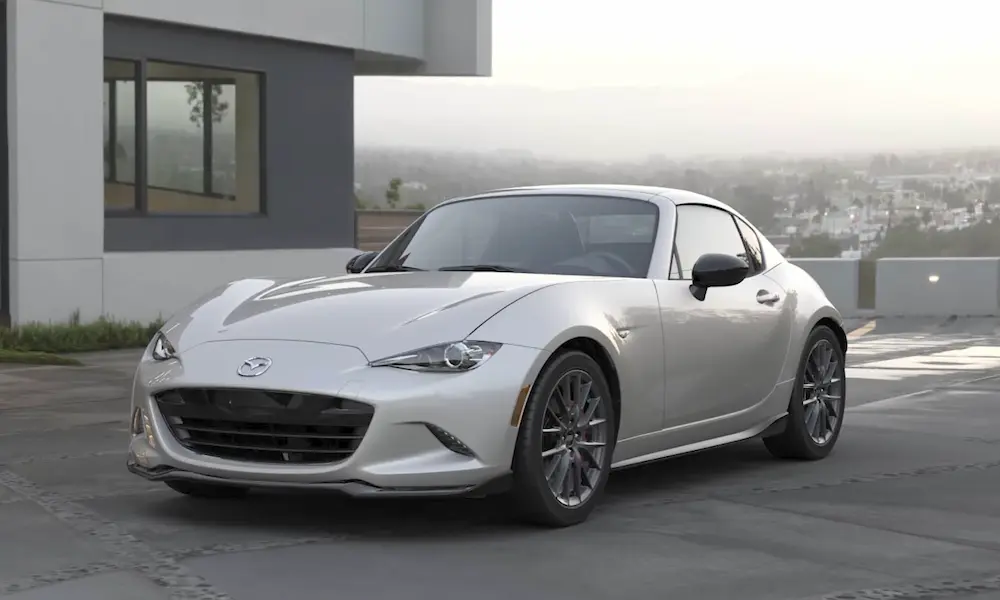
- MX-5 Miata RF: The retractable fastback variant holds 62.5% of its original value
- CX-3: This subcompact crossover maintains 61.9% of its value despite its discontinued status in the US market
Solid Performers
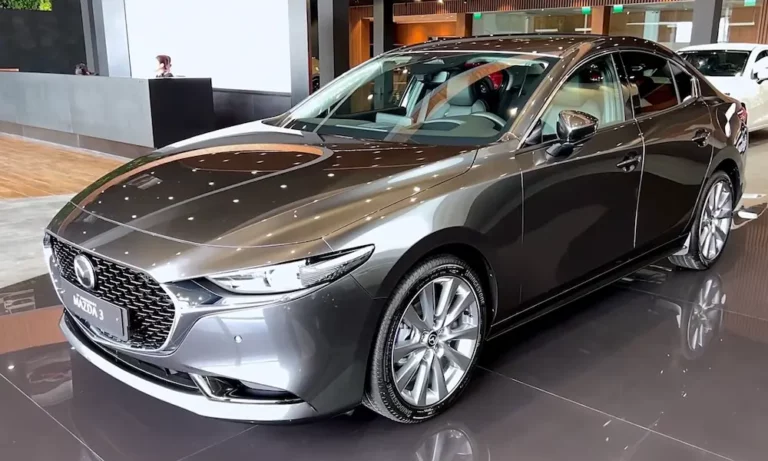
- Mazda3: Shows strong value retention around 60-65% after 3 years
- CX-5: Mazda’s bestseller retains approximately 58% of its value after 5 years
- CX-50: The newest addition to Mazda’s lineup shows promise with early data suggesting 77% retained value after 3 years
Weaker Performers
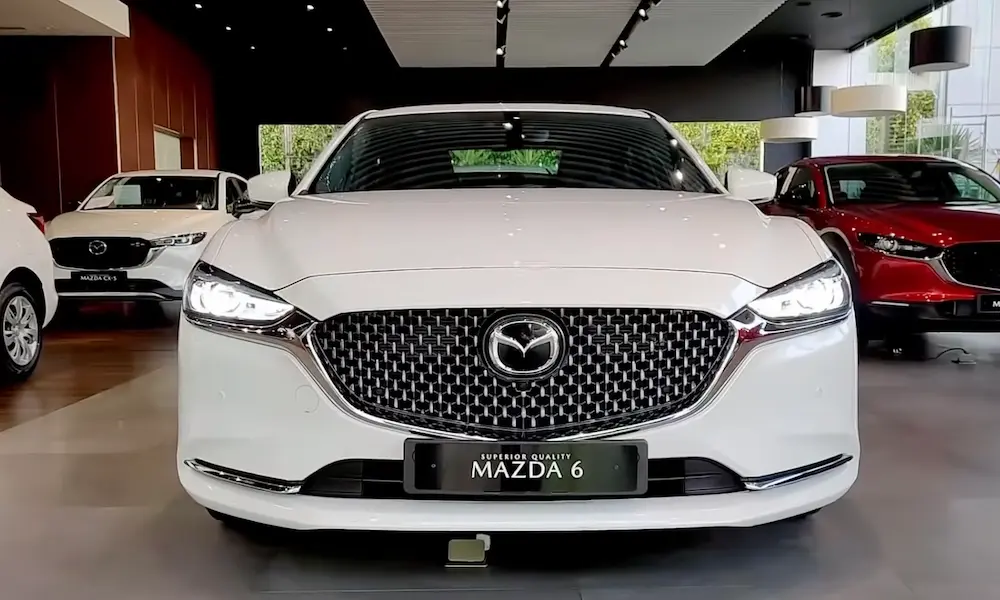
- Mazda6: Shows 43.8% depreciation over 5 years, making it one of the lower performers in Mazda’s lineup
Current Market Value Snapshot
The used car market has been particularly favorable for Mazda vehicles lately. According to CoPilot’s analysis, used Mazdas are currently selling for $23,193 on average, which is significantly higher than the originally expected $18,290 – representing a 26% price premium over forecasts.
This table shows the current average selling prices for popular used Mazda models:
| Model | 3-Year-Old Average Price | 5-Year-Old Average Price |
|---|---|---|
| MX-5 Miata | $29,850 | $25,400 |
| CX-5 | $26,300 | $21,800 |
| Mazda3 | $22,700 | $18,500 |
| CX-9 | $31,200 | $24,900 |
Why Mazdas Hold Their Value Well
Several factors contribute to Mazda’s impressive resale performance:
Quality and Reliability Improvements
Mazda has made serious strides in reliability. The brand ranked 2nd in the mass market segment in J.D. Power’s 2025 Vehicle Dependability Study with a score of 161 problems per 100 vehicles – a dramatic improvement from previous years.
This reliability reputation directly impacts resale values, as buyers are willing to pay more for vehicles they trust will run without issues.
Distinctive Design and Driving Dynamics
Mazda has successfully carved out a niche as the “driver’s choice” in mainstream segments. Their vehicles consistently offer:
- More engaging handling than competitors
- More premium interior materials
- Distinctive exterior styling that ages well
These qualities create emotional connections that translate to stronger demand in the used market.
Strategic Market Positioning
Mazda has positioned itself in a sweet spot between mainstream and luxury brands. Their vehicles offer:
- Near-luxury features and quality
- Mainstream pricing
- Less production volume than competitors like Toyota and Honda
This combination creates a perception of getting “more car for the money” in both new and used markets.
Fuel Efficiency Without Compromise
Mazda’s SKYACTIV technology delivers excellent fuel economy without sacrificing performance. This broad appeal helps maintain strong demand in the used car market, particularly as fuel prices fluctuate.
How Mazda Compares to Key Competitors
While Mazda performs well, it’s important to understand how they stack up against direct competitors.
Mazda vs. Honda
- 5-Year Retention: Mazda (60.4%) trails slightly behind Honda (60.7%)
- Initial Purchase Price: Mazda typically offers more premium features at similar price points
- Reliability: Honda has a longer-established reliability reputation, but Mazda is closing the gap rapidly
Mazda vs. Toyota
- 5-Year Retention: Toyota leads (63.6% vs. Mazda’s 60.4%)
- Volume Influence: Toyota’s higher sales volume and longer-established reputation contribute to its advantage
- Premium Feel: Mazda typically offers more upscale interiors and driving dynamics at comparable price points
Mazda vs. Subaru
- 5-Year Retention: Mazda outperforms Subaru (60.4% vs. 58.9%)
- AWD Appeal: Despite Subaru’s AWD advantage, Mazda’s overall quality perception gives it an edge in value retention
- Reliability Perception: Mazda has pulled ahead of Subaru in reliability rankings, contributing to better resale values
Factors That Affect Your Individual Mazda’s Resale Value
While brand averages provide a good baseline, several factors affect how well your specific Mazda will hold its value:
Color Choice Matters
Neutral colors typically hold value better than bold choices. For Mazdas, these colors tend to perform best for resale:
- Soul Red Crystal Metallic (a Mazda signature color)
- Deep Crystal Blue
- Machine Gray Metallic
- White
Meanwhile, less conventional colors like yellow (on the MX-5) may appeal to enthusiasts but limit the broader buying pool.
Trim Levels and Options
Not all trim packages are created equal for resale. With Mazdas, these configurations typically maximize value retention:
- Mid-tier trims (Touring for most models) offer the best balance of features and value
- Premium packages that include safety features and tech generally return their investment
- All-wheel drive (on CX models) significantly improves resale in northern states
Maintenance History
A well-documented maintenance history dramatically improves resale value. Mazda buyers should:
- Keep detailed service records
- Follow Mazda’s recommended maintenance schedule
- Use Mazda genuine parts for repairs
- Address recalls promptly
Regional Factors
Location significantly impacts how well Mazdas hold their value:
- Mazdas perform especially well in resale markets like the Pacific Northwest and New England
- CX crossovers command premium prices in snowy regions
- MX-5s hold value better in areas with year-round sunshine
- Urban markets typically offer better prices than rural areas for most Mazda models
Is Buying a Used Mazda a Good Value?
The flip side of good value retention is whether used Mazdas represent good purchases. The data shows:
- 3-year-old Mazdas typically offer the best balance of modern features and depreciation savings
- CX-5 models tend to represent particularly good value at 3-5 years old
- Older Mazda6 models (5+ years) can be exceptional bargains due to their steeper depreciation curve
For example, a 3-year-old Mazda CX-5 typically costs about 30% less than new while offering most of the same features and many remaining years of reliable service.
Maximizing Your Mazda’s Future Resale Value
If you’re buying a new Mazda and want to maximize its future value, follow these strategies:
Choose the Right Model and Configuration
- The CX-5 and Mazda3 offer the best balance of popularity and value retention
- Select popular option packages that future buyers will want
- All-wheel drive significantly improves resale on crossover models
- Automatic transmissions typically retain value better than manuals (the MX-5 being a notable exception)
Maintenance Best Practices
Regular maintenance is crucial for preserving value:
- Follow Mazda’s maintenance schedule religiously
- Address minor issues before they become major problems
- Keep detailed service records, preferably with Mazda dealerships
- Clean the interior regularly to prevent permanent staining or wear
Mileage Management
Annual mileage significantly impacts resale value:
- Keeping mileage below 12,000 miles annually helps maximize resale
- Highway miles are better than city miles for long-term wear
- If you have multiple vehicles, using the Mazda for longer trips rather than daily short commutes can help preserve value
The Bottom Line: Mazdas Are Solid Value Holders
Mazda vehicles do hold their value well compared to the broader automotive market. While they may not quite achieve Toyota’s exceptional resale values, Mazda’s 4th-place ranking demonstrates strong value retention that beats most competitors.
For buyers, this means Mazda offers an attractive value proposition: competitive resale values combined with typically lower initial purchase prices than Honda and Toyota equivalents, plus the added benefit of Mazda’s renowned driving dynamics and premium interior quality.
Whether you’re buying new or used, Mazdas represent a smart choice for value-conscious shoppers who don’t want to sacrifice driving enjoyment or style in their pursuit of a financially sound vehicle choice.