Trying to figure out if Pirelli tires are worth your hard-earned money? You’re about to get the complete picture of what these Italian-made tires really deliver. I’ve dug into testing data, professional reviews, and thousands of customer experiences to reveal where Pirelli shines and where they might disappoint. By the end of this article, you’ll know exactly which Pirelli models offer genuine value and which ones you might want to avoid.
Pirelli’s Performance Strengths: Where They Excel
Exceptional Dry Weather Performance
Pirelli’s racing heritage truly shines in dry conditions. The company’s flagship P Zero PZ5 claimed first place in comprehensive testing by Tyre Reviews, demonstrating remarkable stability and grip. These tires aren’t just marketing hype – they deliver measurable advantages in dry braking distances and cornering stability compared to competitors.
Their Cinturato WeatherActive similarly dominated its category, winning first place among premium touring tires with excellent dry road stability and the fastest lap times by significant margins. This performance focus makes sense given Pirelli’s role as the exclusive Formula 1 tire supplier.
Solid Wet Weather Capabilities
In wet conditions, Pirelli generally performs well, though results vary by model. The P Zero PZ5 ranked first in wet braking tests and showed excellent aquaplaning resistance, especially during cornering. The Cinturato WeatherActive achieved perfect balance on wet surfaces, positioning itself among category leaders.
Customer feedback consistently highlights strong wet traction. One Cinturato WeatherActive user noted: “I’ve driven through heavy downpours and standing water without any loss of control or hydroplaning.” However, some budget-oriented Pirelli models don’t match premium competitors in extreme wet conditions.
Impressive Winter and All-Season Performance
Pirelli’s winter offerings demonstrate genuine excellence. The P Zero Winter 2 tied for first place in professional winter tire testing, matching the renowned Michelin Pilot Alpin 5. Testing showed exceptional snow traction and top performance across various winter conditions.
The Cinturato WeatherActive stands out in the all-weather category, earning the coveted Three Peak Mountain Snowflake (3PMSF) certification. Customer reviews consistently praise its snow performance, with one owner stating they “attempted to make my car slide in the snow, and was not able to do so successfully with these tires.”
Pirelli’s Innovative Technologies
Noise Cancelling System (PNCS): Revolutionary but Flawed
Pirelli’s most distinctive innovation is their Noise Cancelling System, which uses sound-absorbing polyurethane foam inside the tire to reduce cabin noise by 2-3 decibels – effectively cutting perceived noise by half. This technology has been adopted by over 150 vehicle models from various manufacturers.
The system works by absorbing vibrations within the tire during rotation that would otherwise transmit to the cabin as “cavity noise.” Many customers report significantly reduced road noise compared to standard tires.
However, PNCS faces serious reliability issues. Multiple reports indicate that the foam can detach and bunch up inside the tire, particularly during high-temperature conditions or track use. This creates wheel balance problems and vibrations, with one McLaren owner reporting violent shaking at speeds above 75 mph due to displaced foam.
Ford has even issued Service Symptom Messages (SSM-48623) instructing dealerships to remove PNCS foam when balance issues occur, eliminating the noise-canceling benefit customers paid for. This represents a significant design flaw that undermines the technology’s value.
Pirelli’s Tire Lineup: Breaking Down the Best Models
P Zero Family: Premium Performance at a Price
The P Zero line represents Pirelli’s flagship performance offering. The newest PZ5 generation shows impressive results in professional testing, with ratings averaging 67% over 2.2 million miles driven and finishing 4th on average in 40 professional tests.
Pricing ranges from $200-400 per tire, positioning it firmly in the premium segment. These tires excel in dry conditions but sacrifice longevity, with average customer mileage around 14,564 miles based on end-of-life reviews.
Cinturato WeatherActive: The Best All-Around Value
The Cinturato WeatherActive emerges as Pirelli’s most well-rounded offering, winning first place in Car and Driver’s all-weather tire test. Priced competitively at $160-250 per tire with a 60,000-mile warranty, it offers exceptional value.
Customer satisfaction is remarkably high, with tire reviews showing an average 99% rating over 15,377 miles driven. Users consistently praise its balanced performance across all seasons, quiet operation, and impressive snow traction despite being an all-season tire.
P7 AS Plus 3: Comfort-Focused Touring Tire
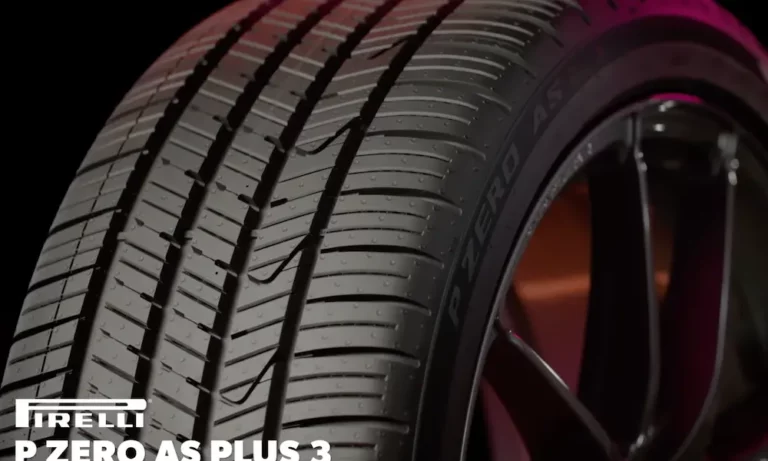
The P7 AS Plus 3 targets the grand touring segment with emphasis on comfort and longevity. Customer ratings showcase it as well-rounded, excelling in comfort with smooth ride quality and low noise levels, scoring 9-10 in most comfort categories. The tire offers a 70,000-mile treadwear warranty and demonstrates strong performance in wet conditions.
Professional testing reveals good overall capabilities, though it doesn’t lead in any specific performance category. Pricing ranges from $150-220, making it competitive in the grand touring segment.
Scorpion Line: SUV and Light Truck Solutions
The Scorpion family addresses SUV and light truck needs with various specializations:
- Scorpion ATR (All-Terrain Road): Demonstrates impressive longevity, with one customer reporting nearly 40,000 miles with significant tread remaining. Users consistently praise its road noise characteristics, with multiple reviews noting “nonexistent” road noise.
- Scorpion Strada AS: Focuses on highway comfort for SUVs, offering 65,000-mile warranties and optimized pitch sequences for noise reduction. However, some users report faster-than-expected wear in certain conditions.
How Pirelli Compares to Competitors
Price Comparison: Premium Positioning
Pirelli’s pricing strategy positions it as a premium brand, often commanding higher prices than mainstream alternatives. Comparative analysis shows Pirelli tires are “generally more expensive than Goodyear tires,” with Pirelli averaging $200 per tire versus Goodyear’s $137 average.
When compared to Continental, Pirelli models like the Cinturato P7 A/S Run Flat start at $212.84, while comparable Continental models like the CrossContact LX20 start at $229.68. This suggests competitive pricing in specific segments, though premium performance models can reach $400+ per tire.
Performance Versus Major Brands
Professional testing reveals mixed results against competitors. In winter tire comparisons, the Pirelli Winter Sottozero 3 showed strong dry traction (0.90g) but trailed slightly in wet and ice performance compared to the Michelin Pilot Alpin PA4. However, recent models like the P Zero Winter 2 have achieved parity with top competitors.
In all-weather testing, the Cinturato WeatherActive outperformed several competitors, finishing ahead of established players in comprehensive evaluations. This suggests Pirelli’s newer models are increasingly competitive across categories.
| Tire Model | Dry Performance | Wet Performance | Winter Performance | Tread Life | Value Rating |
|---|---|---|---|---|---|
| P Zero PZ5 | 9.5/10 | 9.0/10 | N/A | 6.5/10 | 7.0/10 |
| Cinturato WeatherActive | 8.5/10 | 9.0/10 | 8.5/10 | 8.5/10 | 9.0/10 |
| P7 AS Plus 3 | 8.0/10 | 8.5/10 | 7.0/10 | 8.5/10 | 8.0/10 |
| Scorpion ATR | 8.0/10 | 8.0/10 | 7.0/10 | 8.0/10 | 7.5/10 |
Customer Experience with Pirelli Tires
What Customers Love About Pirelli
Analysis of customer reviews reveals several consistent strengths:
- Comfort and noise reduction receive particularly high marks, with customers frequently rating these aspects 9-10 out of 10.
- Wet traction performance generates overwhelmingly positive feedback, with 167 of 169 customer mentions being positive for the WeatherActive model.
- Handling characteristics consistently receive praise, with customers noting responsive steering feel and confident cornering.
- Aesthetic appeal also draws positive comments, with several users commenting on the attractive appearance of various Pirelli models.
Reliability and Durability Concerns
However, customer feedback reveals concerning reliability patterns:
- Premature sidewall damage and bulging issues appear frequently, particularly on low-profile models. One Volvo owner reported sidewall bulges in multiple tires at only 45,000 miles, describing it as the “third set of tires” needed due to sidewall problems rather than tread wear.
- Early failure reports are particularly concerning for some models. A Dodge Challenger owner experienced complete tire failure on all four tires after only 8,290 miles on a Sunday-driven vehicle, with neither Pirelli nor the dealer accepting responsibility. Another Rivian owner reported Pirelli AT tires becoming excessively noisy after only 16,000 miles.
Is Pirelli Adapting for the Future?
Electric Vehicle Optimization
Pirelli has developed specialized “Elect” variants optimized for electric vehicles, addressing the unique challenges of instant torque delivery and increased vehicle weight. These models feature modified compounds and construction to handle EV-specific demands while maintaining performance characteristics.
Environmental Advancements
The company’s Cinturato line specifically targets environmental concerns, utilizing functionalized polymers and optimized compounds designed to reduce rolling resistance and CO2 emissions. This eco-focus aligns with industry trends toward sustainability.
Which Pirelli Tire is Right for Your Vehicle?
For High-Performance Sports Cars
If you own a performance vehicle and prioritize ultimate dry grip and track capability, the P Zero PZ5 represents Pirelli’s best offering. However, expect higher costs and shorter tread life. Budget-conscious performance drivers should consider the P Zero PZ4 as a more affordable alternative.
For Daily Driving and All-Weather Use
The Cinturato WeatherActive emerges as Pirelli’s strongest value proposition for most drivers. Its combination of all-season capability, winter traction certification, comfort, and competitive pricing makes it suitable for the majority of passenger car applications.
For Luxury and Comfort Priority
For luxury vehicle owners prioritizing comfort and longevity, the P7 AS Plus 3 offers excellent refinement with robust warranties. Its grand touring focus delivers the smooth, quiet ride expected by luxury car owners.
For SUVs and Light Trucks
SUV owners should consider the Scorpion ATR for versatility or Scorpion Strada AS for highway-focused driving. Both offer good longevity and appropriate load ratings for heavier vehicles.
For Serious Winter Driving
Serious winter drivers should select the P Zero Winter 2 for performance cars or Cinturato Winter for standard applications. Both offer genuine winter capability with 3PMSF certification.
The Bottom Line on Pirelli Tires
Pirelli tires present a complex value proposition that varies significantly by model and application. The brand demonstrates genuine excellence in specific areas—particularly dry performance, motorsports applications, and innovative technologies like noise cancellation. Recent models like the Cinturato WeatherActive and P Zero PZ5 show that Pirelli can compete effectively with industry leaders when properly engineered and positioned.
However, reliability concerns, particularly related to PNCS technology failures and premature sidewall damage, represent significant weaknesses that potential buyers must consider. The brand’s premium pricing strategy may not always deliver commensurate value, especially in entry-level segments.
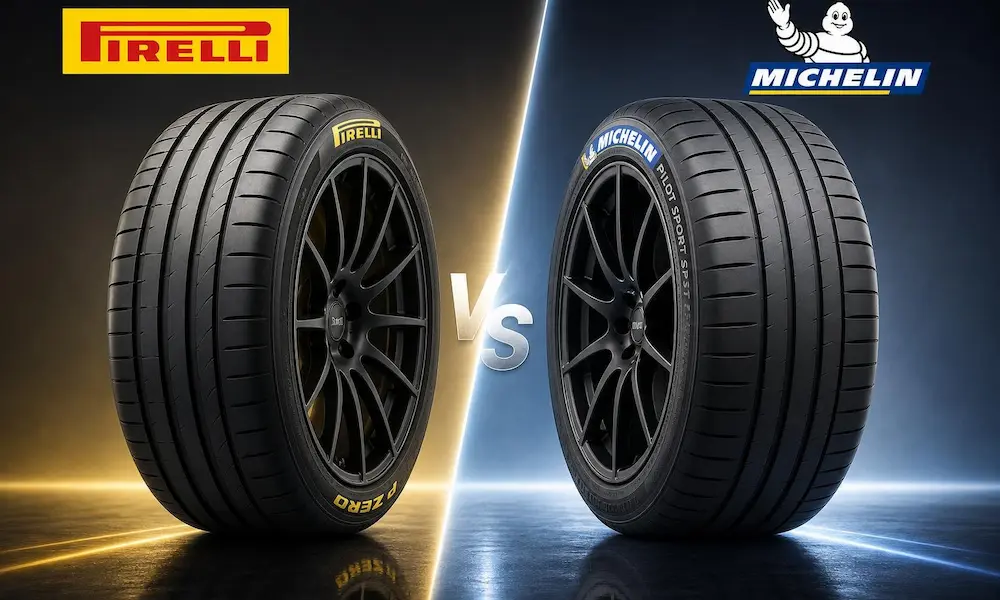
For buyers seeking cutting-edge performance and willing to accept premium pricing, Pirelli’s latest offerings deliver competitive results. The Cinturato WeatherActive, in particular, represents excellent value in the all-weather segment. However, buyers prioritizing longevity, reliability, or value-oriented pricing may find better alternatives from competitors like Michelin or Continental.
Ultimately, Pirelli succeeds best when matched to appropriate applications—performance-oriented drivers who prioritize handling and are willing to accept the trade-offs in longevity and cost that come with the brand’s sporting DNA.