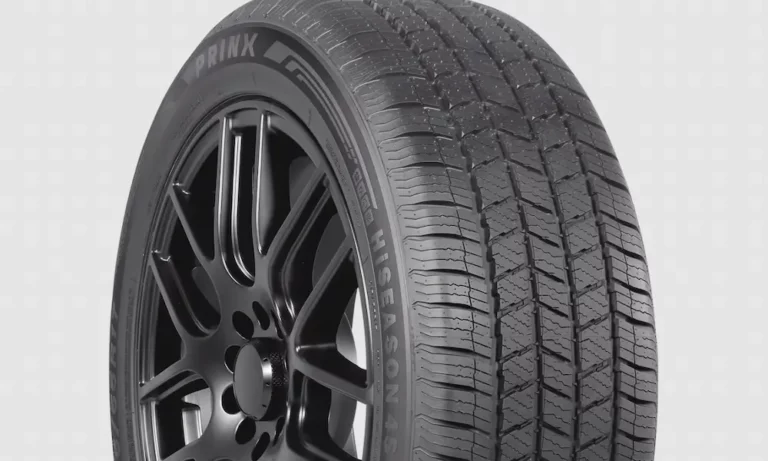
You’re staring at a Prinx tire listing online, and the price looks unbeatable. But you’ve never heard of the brand, and that’s making you nervous. Should you take the gamble, or is this a safety risk hiding behind a bargain price tag? Let’s cut through the marketing and figure out what you’re actually getting.
What You Need to Know About Prinx Tires Upfront
Here’s the deal: Prinx isn’t some sketchy no-name operation. The brand comes from Prinx Chengshan, a publicly traded company on the Hong Kong Stock Exchange that’s been around since 1976. They even partnered with Cooper Tire for nine years, which means they picked up some Western manufacturing know-how.
But—and this is a big but—Prinx tires exist in what I call the “trust gap.” They’re cheap enough to tempt you, yet they lack the one thing that matters most: independent safety testing. No Tire Rack comparisons. No Consumer Reports data. Nothing that tells you how they’ll perform when you slam on the brakes in a rainstorm.
The brand offers genuinely impressive features for the price. Some models even earned the Three-Peak Mountain Snowflake certification, proving they can handle serious snow. That’s not something cheap tires usually achieve.
Yet buyer experiences split down the middle. Half swear they’re shockingly quiet and durable. The other half report manufacturing defects and rapid wear.
The Prinx Backstory: Who’s Actually Making These Tires?
Prinx Chengshan operates factories in China and Thailand, selling tires in over 130 countries. Their Thailand facility gets marketed as a high-tech “Green Factory” using Industry 4.0 automation—basically, smart robots building tires.
The Cooper Tire connection matters here. From 2005 to 2014, Cooper was a joint venture partner, which meant technology transfer and quality processes came along for the ride. That’s why Prinx isn’t just another mystery brand stamping out tires in a back-alley factory.
In North America, TBC Brands handles distribution—that’s a major player in the tire world. In Europe, Prinx is positioning itself as a “premium” brand targeting younger buyers who care about sustainability. That’s a bold move for a budget tire.
Breaking Down the Prinx Tire Lineup
Prinx sells a surprisingly diverse range of tires. Let’s look at the main players.
Prinx HiCity HH2: The Budget Commuter Tire
This is Prinx’s bread-and-butter model for sedans, SUVs, and minivans. SimpleTire gives it an 8.2 overall score, with an impressive 8.9 for longevity.
The HH2 features Pattern Noise Simulation technology—basically engineering speak for “we designed it to be quiet.” User reviews confirm this works. People say it’s surprisingly smooth and handles well for the money.
It comes with a 60,000-mile warranty, which sounds great until you read the fine print (more on that disaster later).
Prinx HiCountry HT2: The SUV Highway Tire
Built for trucks and SUVs that mostly see pavement, the HT2 uses a continuous center rib design for stability and more of that noise-reduction tech.
Reviews are positive, with people noting it’s “amazingly quiet” for a truck tire. It scores an 8.4 overall with an 8.7 longevity rating.
But here’s where things get sketchy: multiple users warn against using Prinx tires for towing. Not “they’re not ideal”—they say don’t tow ANY weight with them. That’s a massive red flag for a tire marketed to truck owners.
Prinx HiSeason 4S HS1: The All-Weather Surprise
This is where Prinx gets interesting. The HiSeason 4S earned the Three-Peak Mountain Snowflake certification, meaning it passed standardized snow traction testing. You can’t fake that—it’s an actual achievement.
The tire features aggressive tread blocks with “snow plow” edges and dense siping for grip. One driver who mounted them on a Kia EV9 said they’re so good in snow, they almost seem like dedicated winter tires.
It carries a 70,000-mile warranty—the highest in the Prinx lineup.
Prinx HiCountry RT HR1: The Off-Road Gamble
This rugged-terrain tire is also 3PMSF certified and can even be studded for ice. That’s legitimately impressive for a budget off-road tire.
Users say it’s “super quiet” for a rugged-terrain design and performs well in snow and rain. But quality control issues pop up here too. One owner reported their RT tire was out-of-round and couldn’t be balanced—a serious manufacturing defect.
| Model | Type | Key Feature | Snow Rated? | Warranty |
|---|---|---|---|---|
| HiCity HH2 | All-Season Touring | Quiet ride tech | No | 60,000 miles |
| HiCountry HT2 | Highway SUV | Stability rib | No | 60,000 miles |
| HiSeason 4S HS1 | All-Weather | Snow traction | Yes (3PMSF) | 70,000 miles |
| HiCountry RT HR1 | Rugged-Terrain | Studdable, aggressive | Yes (3PMSF) | 50,000 miles |
What Real Drivers Say: The Good, Bad, and Ugly
User feedback splits into two camps, and they couldn’t be more different.
The Positive Camp
A solid chunk of buyers love these tires. Common praise includes:
- Shockingly quiet. The noise-reduction tech actually works. People repeatedly mention how smooth and quiet the ride is.
- Unbeatable value. You’re paying half what a BF Goodrich costs.
- Decent durability. Some owners report pushing toward four years on a set, with one hitting 50,000 miles.
One driver called them a “good tire on a budget” and recommended them without hesitation.
The Negative Camp
Then there’s the other side, and it’s not pretty.
- Manufacturing defects. Reports of out-of-round tires that can’t be balanced, even after replacement.
- Rapid treadwear. An Uber driver said the treads are “painted on” and called them the worst tires he’s used, claiming they’re really 30,000-mile tires, not 60,000.
- Flimsy construction. Multiple mentions of weak sidewalls that can’t handle weight.
- Towing failures. The most serious warning: don’t use Prinx tires if you tow anything. Period.
The Critical Problem: No Independent Testing
Here’s what scares me most about Prinx tires: they don’t exist in professional testing databases.
Tire Rack? No comparative road tests for Prinx models. Consumer Reports? Nothing. MotorTrend? Nope.
This means every claim about wet braking, hydroplaning resistance, and emergency handling is unverified. You’re trusting the manufacturer’s word and random internet reviews.
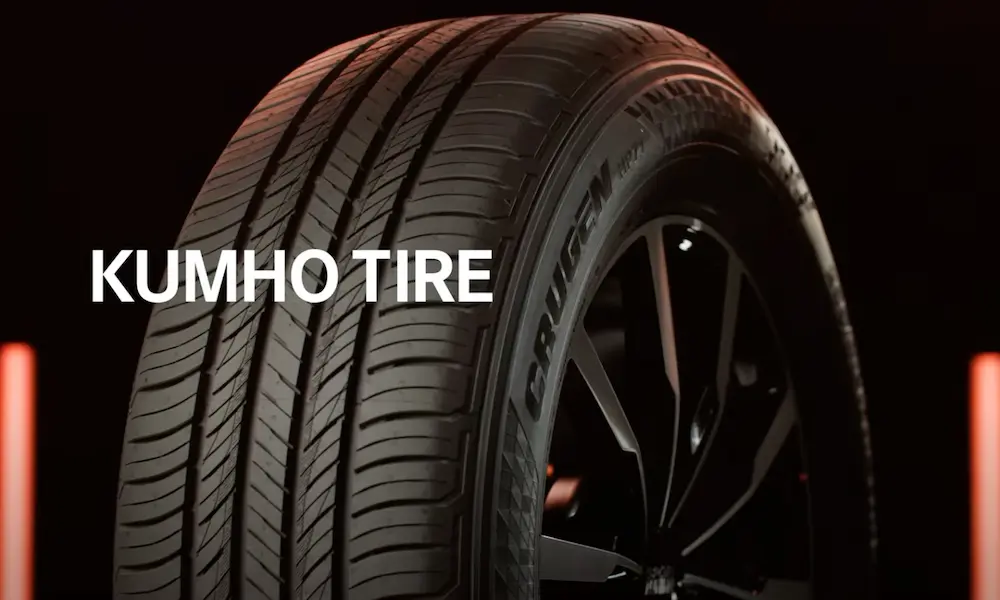
Reputable budget brands like Kumho, General, and Falken all get tested by Tire Rack using standardized instruments that measure stopping distance, cornering grip, and hydroplaning speed. You get actual data showing how they compare to premium tires.
With Prinx, you’re flying blind on the stuff that keeps you alive in an emergency stop.
The Warranty Trap That Could Cost You
This is where things get genuinely deceptive.
Prinx advertises impressive warranties: 70,000 miles on the HiSeason 4S, 60,000 on the HiCity HH2. Great, right?
Not so fast. Buried in the official warranty documents is a clause that says purchases from “online marketplaces such as Amazon.com, Walmart.com, eBay.com, PriorityTires.com, and SimpleTire.com are not authorized dealers.”
Read that again. Those are the MAIN places people buy these tires. And purchases from those retailers aren’t covered by the warranty.
So here’s what happens: You buy a set from Walmart.com because the product page shows that sweet 60,000-mile warranty. The tires wear out at 30,000 miles. You file a claim. It gets denied because you didn’t buy from an “authorized dealer.”
That’s not a loophole—it’s a bait-and-switch.
How Prinx Compares to Other Budget Brands
Let’s be real about pricing. A Prinx HiCity HH2 in 215/60R16 costs about $64. A tested Kumho in the same size? Around $75.
For an extra $44 on a set of four tires, you get:
- Professional test data from Tire Rack showing actual braking distances
- A warranty you can actually use
- Proven quality control
Brands like General Tire (which shares technology with Continental), Kumho, and Falken cost barely more but come with verifiable safety data. You’re not saving enough with Prinx to justify the risks.
Who Should (and Shouldn’t) Buy Prinx Tires
Don’t Buy Prinx If You:
Drive a family vehicle. The $40 savings on a tire set isn’t worth gambling with your kids’ safety when wet braking performance is completely unknown.
Tow or haul anything. This is non-negotiable. The repeated warnings about towing failures and reports of flimsy sidewalls point to structural weaknesses that could fail catastrophically under load.
Expect warranty protection. Unless you’re buying from a physical tire shop that’s an authorized Prinx dealer, your warranty is likely worthless.
Drive in serious weather. Without verified wet braking data, you don’t know how these tires will perform when it matters most.
Maybe Consider Prinx If You:
Need the absolute cheapest option. If you’re a gig worker who needs tires to pass inspection and you’re willing to accept all the risks, Prinx might make sense.
Drive very few miles. Low-mileage drivers who won’t test the durability claims face less risk.
Want to experiment. The 3PMSF-certified models (HiSeason 4S and HiCountry RT) are genuinely interesting from a technical standpoint, even if they carry the same quality control risks.
The Technology Behind the Quiet Ride
One thing Prinx does well is engineering for noise reduction. Their Pattern Noise Simulation (PNS) technology optimizes tread patterns to minimize road noise—and it works.
This is smart product development. A quiet tire creates an immediate impression of quality. Most drivers notice noise way before they notice subtle handling differences. By nailing this one characteristic, Prinx creates a “feels premium” experience that masks other potential shortcomings.
The Nano Blend Compound they advertise is supposed to improve grip and chip resistance, but without independent testing, those claims are just marketing.
The Global Strategy: Budget in America, Premium in Europe
Here’s something interesting: Prinx markets itself completely differently in Europe. They’re targeting Gen Z and millennials with a “sustainable,” “premium” brand image focused on style.
In America, they’re sold as budget tires on Walmart.com. Same company, same factories, totally different positioning.
This tells you the company has bigger ambitions than just being a cheap tire. They’re trying to build brand equity in markets where they don’t carry the “cheap Chinese tire” stigma yet.
What the Numbers Actually Tell Us
SimpleTire gives most Prinx models scores between 7.5 and 8.9, which looks impressive. The HiCity HH2 scores an 8.9 for longevity—that’s borderline exceptional.
But here’s the thing: SimpleTire makes money selling these tires. Their scores come from aggregated user reviews, not controlled testing. And user reviews are wildly inconsistent for Prinx, ranging from “best budget tire ever” to “complete garbage.”
| Performance Aspect | Positive Reports | Negative Reports |
|---|---|---|
| Noise Level | “Amazingly quiet,” “smooth ride” | Occasional complaints about hum |
| Treadwear | “50,000 miles achieved,” “wearing evenly” | “Treads painted on,” “30k tire not 60k” |
| Build Quality | “Impressed for the price” | “Out of round,” “flimsy sidewalls” |
| Towing/Load | — | “Don’t tow any weight,” structural failures |
The Bottom Line on Prinx Tires
So, are Prinx tires good?
They’re functional budget tires with some legitimately impressive technical achievements. The 3PMSF certification on the HiSeason 4S and HiCountry RT proves Prinx Chengshan can engineer a competent tire.
But “competent engineering” doesn’t equal “good purchase decision.”
The lack of independent safety testing means you don’t know how they’ll perform in an emergency. The warranty exclusions mean your protection is probably void. The quality control inconsistencies mean you might get a great set or a defective one—and you won’t know until they’re on your car.
For most drivers, spending an extra $10-15 per tire gets you a tested, warrantied Kumho or General. That’s not a luxury purchase—it’s basic risk management.
If you absolutely need the cheapest tire possible and you’re willing to gamble on quality control, Prinx might work. But for everyone else, the minimal savings don’t justify the risks you’re taking with your safety and your wallet.
Your tires are the only thing connecting your car to the road. Don’t let a $40 savings turn into a dangerous mistake.