Shopping for tires on a budget but worried you’re sacrificing safety? You’re staring at Radar tires online, seeing prices that seem too good to be true, and wondering if you’ll regret this decision at 70 mph in a rainstorm. Let’s cut through the noise with actual data, independent lab tests, and real-world feedback from thousands of drivers who’ve already made the call.
What Makes Radar Tires Different From Other Budget Brands
Radar isn’t your typical budget tire brand. It’s the flagship line from Omni United, a Singapore-based company that’s been designing tires since 2003. Here’s what sets them apart: they design everything in-house in Singapore, then manufacture across eight ISO-certified factories globally.
This isn’t some random factory slapping a label on generic rubber. Radar partners with the same independent testing labs that premium brands use—UTAC, Applus+, and Smithers. They’re also the world’s first carbon-neutral tire brand, a status they’ve held since 2013.
But here’s what really matters: Radar’s strategy is “accessible premium.” They’re targeting the sweet spot where you get 80-90% of premium tire performance for 40-60% less money. Sounds great on paper, but does it hold up when the rubber meets the road?
Independent Lab Tests: How Radar Stacks Up Against Michelin and Goodyear
Talk is cheap. Let’s look at actual test data.
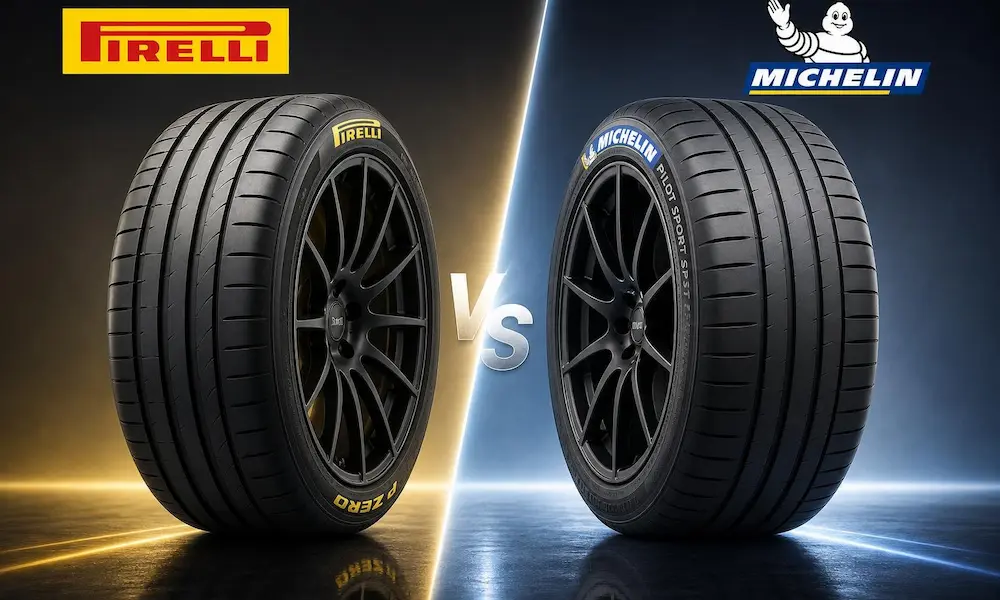
Radar submitted their RPX-800+ tire to independent testing at Calder Park Raceway in Australia, pitting it against heavy hitters: Michelin Pilot Sport 4 SUV, Goodyear EfficientGrip Performance SUV, Pirelli Scorpion Verde, and Continental ContiCrossContact.
The results? Radar finished 2nd overall. More importantly, they crushed some critical safety metrics:
Moose Test (Emergency Swerve): 1st Place
This simulates swerving to avoid a kid running into the street. Radar beat every premium brand, including Michelin. That’s not a minor detail—it’s proof the tire stays stable and predictable when things go sideways fast.
Wet Braking: 2nd Place
Radar finished “almost on par” with Michelin. This is huge because wet braking is where cheap tires usually fail hard.
Slalom Handling: 1st Place (Tied)
Matched Pirelli for top honors in dynamic handling.
Here’s the thing: they didn’t win every category. Dry braking came in 3rd. But the fact that an “affordable” tire is competing with—and beating—$200+ premium tires in the tests that matter most for safety? That’s the ballgame.
Real-World Performance: What 5,000+ Drivers Actually Experience
Lab tests are great, but your daily commute isn’t a controlled environment. Let’s dig into what thousands of real users report.
Radar Dimax AS-8: The Daily Driver’s Verdict
This is Radar’s bread-and-butter all-season touring tire. Analysis of 2,500 real-world reviews reveals some clear patterns:
Dry and Wet Grip: 86% Positive
Most drivers praise the tire’s grip and control. It’s got wide circumferential grooves that channel water effectively. On Discount Tire, it scores 4.7/5 for dry traction and 4.5/5 for wet.
Tread Life: 88% Positive
This is where Radar really shines. Tons of users report hitting 50,000+ miles, which lines up with the 50,000-60,000 mile warranty. For context, that’s better longevity than many premium brands at this price point.
Light Snow: 75% Positive
It’s M+S rated and handles light snow decently thanks to high-density siping. But don’t confuse this with a winter tire—if you’re in Minnesota, you’ll need dedicated snow tires.
Road Noise: The Trade-Off
Here’s the catch: 82% of users say it’s quiet when new, but multiple reviews mention increasing road noise after 40,000 miles. One Reddit user called them the “loudest tires I’ve ever had.” This isn’t universal, but it’s common enough to mention.
Radar Renegade R/T: The Truck Owner’s Sweet Spot
For light truck and SUV owners who want aggressive looks without sacrificing on-road manners, the Renegade R/T is Radar’s star player. Based on 3,000 user reviews:
Off-Road Performance: 93% Positive
Excellent traction on dirt, gravel, and rocks. It’s got stone ejectors and reinforced sidewalls. The only limitation? Deep, sticky mud—you’d need a dedicated M/T for that.
On-Road Comfort: 80% Positive
Here’s where the “rugged terrain” category shines. It’s noticeably quieter than a mud-terrain tire, though you’ll still hear a highway hum. That’s standard for this aggressive style.
Durability: 87% Positive
Most users report 40,000-50,000 miles, which perfectly matches the warranty. One YouTube reviewer got 84,000 miles from a single set, though that’s an outlier.
| Performance Metric | Positive Feedback | Real-World Mileage |
|---|---|---|
| Off-Road Grip | 93% | 40k-50k miles |
| On-Road Noise | 80% | 40k-50k miles |
| Wet/Snow Grip | 88% | 40k-50k miles |
| Tread Life | 87% | 40k-50k miles |
How Radar’s Warranty Program Reduces Your Risk
Buying a non-premium brand always feels risky. Radar knows this, so they’ve built a comprehensive warranty program that matches or beats premium competitors.
Treadwear Coverage That Actually Competes
Check out these mileage warranties:
- Renegade H/T Pro: 70,000 miles
- Dimax AS-8 (H/V rated): 60,000 miles
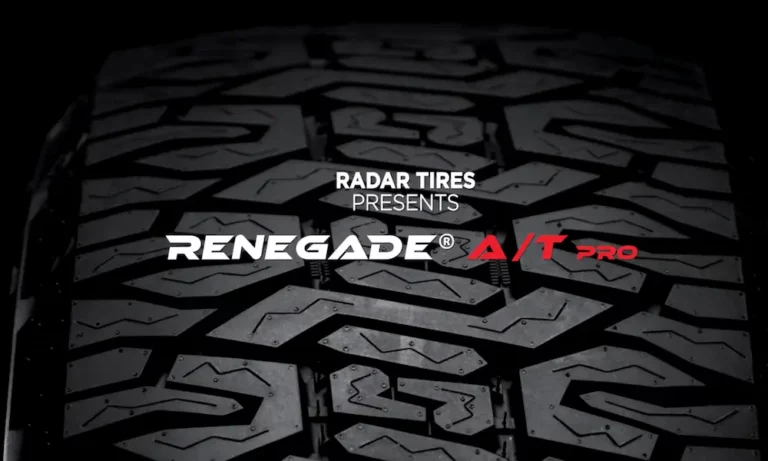
- Renegade A/T Pro: 50,000 miles
- Renegade R/T (LT sizes): 40,000 miles
A 70,000-mile warranty on a highway tire? That’s premium-level confidence. The 40,000-mile warranty on an aggressive R/T tire is competitive with brands charging double.
The Fine Print: You must rotate your tires every 6,000-8,000 miles and keep proof. Skip this, and your warranty is void. This explains the rare but angry reviews where users got 15,000 miles—they likely didn’t rotate them.
Road Hazard and Satisfaction Guarantees
Most Radar models include a road hazard warranty covering non-repairable damage (potholes, nails) for the first 24 months or first 4/32nds of treadwear.
They also offer a 30-day satisfaction guarantee. Don’t like them? Swap them for a different Radar model within 30 days. This effectively eliminates buyer’s remorse.
These warranties aren’t gimmicks—they’re strategic moves to eliminate the perceived risk of buying a lesser-known brand.
The Price Reality: What You Actually Save
Let’s get specific with real numbers. Here’s what you’d pay for comparable tires in the same size:
| Category | Radar Model | Radar Price | Premium Competitor | Premium Price | Your Savings |
|---|---|---|---|---|---|
| Touring All-Season | Dimax AS-8 (225/45R17) | ~$90 | Michelin Defender T+H | ~$215 | $125 per tire (58%) |
| All-Terrain | Renegade A/T Pro (265/70R17) | ~$169 | BFGoodrich KO2 | ~$308 | $139 per tire (45%) |
| Rugged-Terrain | Renegade R/T (265/70R17) | ~$190 | Toyo Open Country R/T | ~$229 | $39 per tire (17%) |
For a set of four all-terrain tires, you’re saving over $550 by choosing Radar over BFG KO2s. That’s real money—enough for a full alignment, balancing, and installation.
When you factor in the independent test results showing Radar beating premium brands in key safety metrics, this value proposition becomes impossible to ignore.
What Radar Gets Wrong (Because Nothing’s Perfect)
Let’s be honest about the weaknesses:
Road Noise Increases With Wear
This is the most consistent complaint on passenger tires. They start quiet, but by 40,000 miles, many users notice increased hum. If you’re sensitive to road noise, this matters.
Brand Perception Issues
You’ll still get the “what brand is that?” question at the tire shop. Some people can’t get past the premium brand mentality, even when data shows otherwise.
Maintenance Sensitivity
Radar tires seem more sensitive to proper rotation and alignment than premium brands. Skip maintenance, and you’ll see premature wear and increased noise. One tire tech noted this helps explain the warranty requirement.
Model-Specific Trade-Offs
The Dimax AS-8 has slightly longer wet braking than top-tier Michelins. The Renegade A/T Pro sacrifices some dry traction for better snow performance. Not every Radar tire is best-in-class for every metric.
Who Should Buy Radar Tires (And Who Shouldn’t)
You’re a perfect fit if:
- You drive a daily commuter and prioritize value and tread life over brand names
- You own an SUV or light truck and do occasional off-roading
- You’re diligent about tire rotations and maintenance
- You care about buying from a carbon-neutral company that supports breast cancer research
- You’re skeptical of paying $200+ per tire when independent tests show affordable options perform just as well
Skip Radar if:
- You’re extremely sensitive to road noise and won’t tolerate any increase over time
- You refuse to rotate your tires every 6,000-8,000 miles
- You absolutely need a recognizable premium brand for resale value or personal preference
- You need maximum performance in extreme conditions (track days, extreme off-roading)
The Bottom Line on Radar Tires
Are Radar tires good? The data says yes—with caveats.
They’re not “good for a budget brand.” They’re genuinely good tires that happen to cost less. Independent testing proves they compete with premium brands in critical safety metrics. Real-world users confirm they deliver on tread life and performance. The comprehensive warranty backs up the quality claims.
The trade-offs are real but manageable: road noise increases with wear, and you need to stay on top of maintenance. But you’re saving 40-60% compared to premium brands while getting objectively verified safety and performance.
If you’re the type who rotates tires on schedule and values proven performance over brand prestige, Radar represents one of the smartest tire purchases you can make. The money you save buying Radar instead of Michelin could cover your next alignment, a set of winter tires, or just stay in your wallet.
Smart shoppers don’t pay for brand names when independent data shows a better value exists. That’s exactly what Radar delivers.