You’re staring at a tire quote that’s double what you expected, and the mechanic just said “run flats.” Now you’re wondering if these pricey tires actually deliver on their promises. Let’s cut through the marketing hype and figure out whether run flat tires make sense for your wallet, your driving style, and your peace of mind.
What Are Run Flat Tires and How Do They Work?
Run flat tires feature reinforced sidewalls that support your vehicle’s weight even after losing all air pressure. Unlike regular tires that collapse immediately after a puncture, run flats let you drive up to 50 miles at speeds up to 50 mph.
Think of them as your backup plan built right into the tire. The beefed-up sidewalls act like a temporary spare tire, giving you enough time to reach a safe location or service center without changing a tire on the shoulder of a busy highway.
This technology transforms a flat tire from an immediate roadside emergency into something you can handle on your schedule. No more pulling over in sketchy neighborhoods or fighting with a jack during a thunderstorm.
The Safety Benefits That Actually Matter
You Stay in Control During Blowouts
Here’s what sets run flats apart: when a regular tire blows, you might lose control. The sudden deflation can jerk your steering wheel and send you veering into traffic. Run flat tires maintain near-normal handling during air loss, keeping you steady and in control.
This isn’t just convenient—it’s genuinely safer, especially at highway speeds where a blowout could trigger a serious accident.
No More Dangerous Roadside Tire Changes
Changing a tire on the side of a busy road ranks among the most dangerous situations drivers face. You’re exposed to passing traffic, often in poor visibility conditions, while wrestling with heavy equipment.
Run flats eliminate this risk entirely. You don’t need to stop where the puncture happens. Instead, you can drive to a well-lit parking lot, your home, or a service center where professionals handle the replacement safely.
For drivers who lack the physical ability to change tires—or anyone who’d rather not risk it—this benefit alone justifies the technology.
Your Trunk Space Gets a Boost
Most vehicles equipped with run flats skip the spare tire, jack, and tools entirely. This frees up valuable trunk space and shaves off about 40-50 pounds of weight you’re hauling around.
The downside? If your run flat fails catastrophically beyond its operational limits, you don’t have a backup option. You’ll need a tow truck instead of a spare.
How Run Flats Affect Your Driving Experience
The Ride Quality Trade-Off
Let’s be honest: early run flat tires rode like you were driving on wooden wheels. The stiff sidewalls necessary for supporting a deflated tire created a harsh, uncomfortable ride that had drivers complaining loudly.
Modern fourth-generation run flats have drastically improved. Today’s technology delivers ride quality that’s much closer to conventional tires, though you’ll still notice slightly more firmness and road noise.
If you’re sensitive to ride harshness or already drive a car with a sport-tuned suspension, this stiffness might bother you. But for most drivers, the difference has become acceptable.
Handling Gets Sharper and More Responsive
Here’s an unexpected bonus: the stiffer sidewalls that create a firmer ride also deliver more precise steering response. You’ll feel exactly what your front wheels are doing, with less sidewall flex between your steering inputs and the tire’s contact patch.
Performance enthusiasts often prefer this direct feel. Your car responds immediately to steering inputs without the slight delay you might notice in softer conventional tires.
Wet Weather Performance Matches Regular Tires
You might worry that run flat construction compromises grip, but testing shows modern run flats perform just as well as conventional tires in wet conditions. Leading manufacturers like Continental, Bridgestone, and Michelin have developed compounds that maintain excellent wet traction.
The performance gap that plagued early run flats has been essentially eliminated in current designs.
The Money Question: Breaking Down the Costs
Sticker Shock at Purchase Time
Run flat tires cost significantly more than regular tires—typically 25% to 100% more expensive. While conventional tires might run $100-150 each, run flats range from $150-300 per tire, with premium models pushing even higher.
That’s a $200-600 premium for a set of four tires before installation. You need to decide whether the safety and convenience benefits justify that upfront cost.
They Wear Out Faster Than You’d Like
Here’s where the costs really add up. Consumer Reports data shows run flats wear out approximately 6,000 miles sooner than conventional tires.
Real-world experiences from BMW owners reveal some drivers replacing run flats every 12,000-20,000 miles compared to 28,000-35,000 miles for regular tires. That shortened lifespan compounds the higher initial cost significantly.
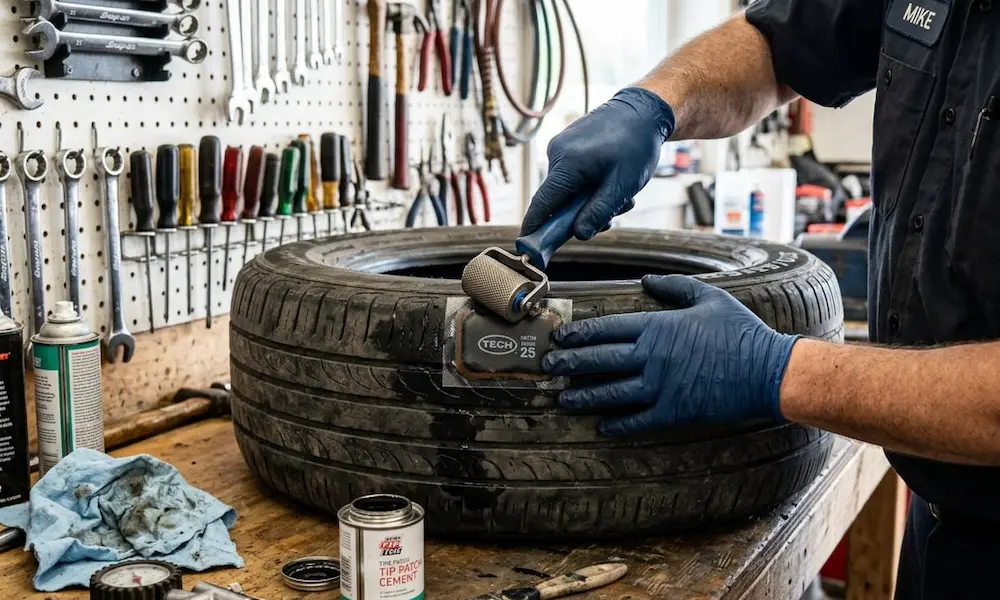
You Can’t Repair Them After Punctures
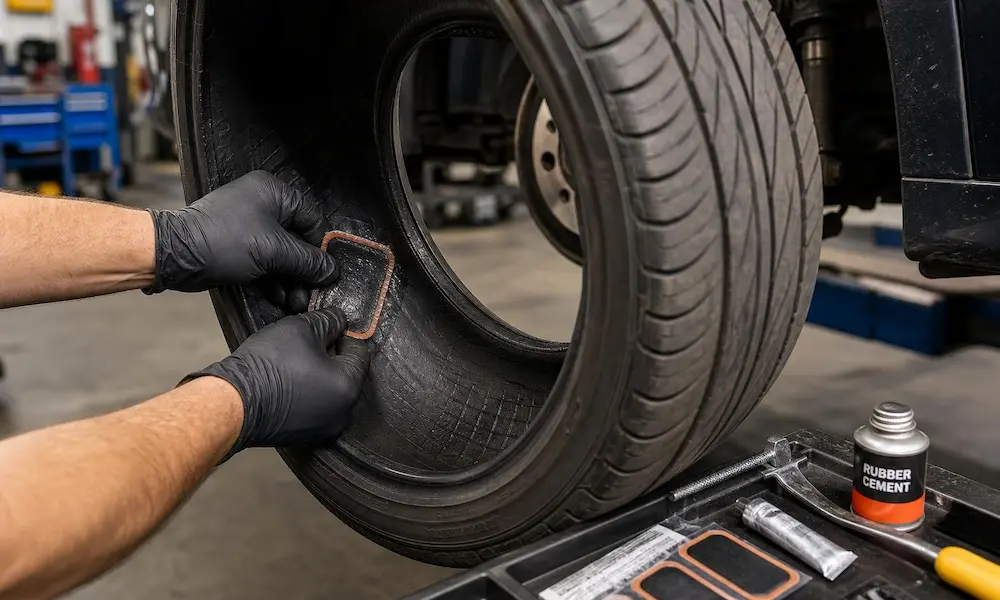
Got a nail in a regular tire? A $20-30 patch usually fixes it. Got a nail in a run flat? You’re buying a new tire.
Run flat tires typically can’t be repaired after punctures because driving on them while deflated changes their internal structure, even when you stay within the manufacturer’s 50-mile limit. This inability to patch punctures represents a major ongoing cost disadvantage.
The Real Cost Over Time
Let’s do the math on a typical scenario over 60,000 miles:
| Tire Type | Initial Cost | Average Lifespan | Total Sets Needed | Total Cost |
|---|---|---|---|---|
| Regular Tires | $500 | 30,000 miles | 2 sets | $1,000 |
| Run Flat Tires | $1,000 | 20,000 miles | 3 sets | $3,000 |
That’s potentially $2,000 more over five years of driving. You’re paying for peace of mind and convenience, but the premium adds up fast.
Your Gas Mileage Takes a Small Hit
Run flat tires weigh 15-20% more than conventional tires due to their reinforced construction. This extra unsprung weight, combined with higher rolling resistance, decreases fuel economy by 3-5%.
For most drivers, that’s an extra tank or two of gas per year. Not devastating, but it’s another cost to factor in—especially if you drive a lot or fuel prices are high.
Which Run Flat Brands Actually Deliver?
Top Performers in Today’s Market
Not all run flats are created equal. Current market leaders include:
Bridgestone DriveGuard Plus: Offers the smoothest ride among run flats with excellent wet traction. Many drivers can’t tell the difference between these and regular tires.
Continental ContiSportContact 5 SSR: Delivers outstanding handling and steering precision while maintaining reasonable comfort. Popular on European performance cars.
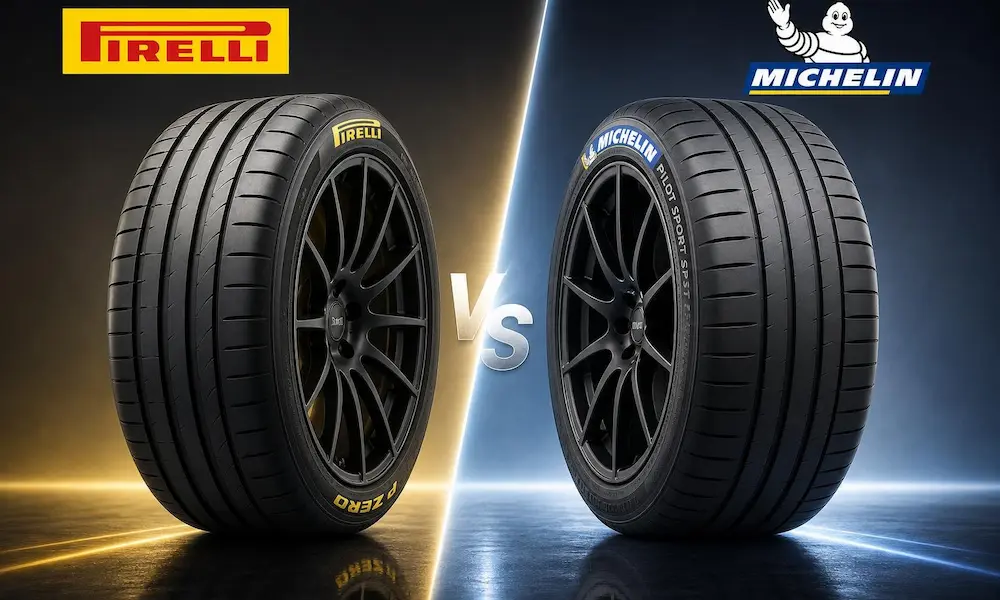
Michelin Pilot Sport Series: Combines run flat safety with genuine performance tire capability. Premium pricing but worth it for sports car applications.
Pirelli P Zero Run Flat: Focuses on high-performance applications with sharp handling and strong dry grip.
Fourth-Generation Technology Changes Everything
If your last experience with run flats was years ago, you need to know that modern run flat technology has dramatically improved. Fourth-generation designs feature cooling fins, advanced rubber compounds, and optimized construction that significantly reduce the comfort penalties.
Some current run flats perform nearly identically to conventional tires in normal driving. The technology has matured considerably.
When Run Flats Make Perfect Sense
You’re the Ideal Candidate If…
Run flat tires provide maximum value for specific driver profiles:
Urban drivers in heavy traffic areas who’d face serious danger changing a tire on crowded streets benefit immensely. The ability to avoid roadside stops in high-traffic situations is genuinely valuable.
Elderly or physically limited drivers who can’t safely change a tire themselves gain real independence and security from run flat technology.
Frequent highway travelers who cover long distances on interstates appreciate the security of not being stranded in remote areas between service plazas.
Luxury car owners who prioritize convenience and safety over cost considerations find run flats align perfectly with their vehicle’s purpose.
Parents with young children who’d struggle to change a tire while managing kids appreciate the ability to drive to safety rather than dealing with a roadside emergency.
You Might Skip Them If…
Run flats don’t make sense for everyone:
Budget-conscious drivers who prioritize cost-effectiveness will struggle to justify the expense, especially given the shortened tread life and inability to repair punctures.
Comfort-focused drivers in vehicles with already firm suspension systems might find the additional stiffness unacceptable, particularly on rough roads.
Drivers with reliable roadside assistance and safe stopping conditions nearby may not need the emergency mobility run flats provide. If you’ve got AAA and rarely drive through sketchy areas, regular tires might serve you fine.
DIY mechanics who don’t mind changing their own tires and want maximum value from their tire investment will prefer conventional tires that can be patched and last longer.
What’s Coming Next for Run Flat Technology
Self-Sealing Meets Run Flat Capability
Emerging hybrid technologies combine run flat construction with self-sealing compounds that automatically repair small punctures. These designs address one of run flats’ biggest weaknesses by potentially eliminating replacement after minor nail punctures.
This technology is still developing and isn’t widely available across all tire sizes, but it represents the future direction of premium tire technology.
Performance Parity Is Here
Current testing demonstrates that modern run flats achieve performance parity with conventional tires in most measurable categories. Dry handling, wet braking, and steering response have reached levels where the performance gap is negligible for most drivers.
This represents a massive advancement from earlier run flat generations that clearly sacrificed performance for emergency mobility.
Making Your Decision: A Practical Framework
Calculate Your Personal Risk-Cost Balance
Ask yourself these questions:
How often do you drive in situations where a roadside tire change would be dangerous? If you’re frequently on busy highways or in urban traffic, run flats deliver real safety value.
Can you physically change a tire if needed? If the honest answer is no, run flats provide genuine independence and security.
What’s your tire budget over the next five years? If you’re planning to keep your car long-term, factor in the replacement costs and shortened tread life.
How sensitive are you to ride comfort? Test drive a vehicle with modern run flats before committing. Fourth-generation technology has improved dramatically, but you should experience it yourself.
Do you have reliable roadside assistance coverage? If you’ve got comprehensive coverage that’ll reach you quickly anywhere, that reduces the value proposition of run flats.
Consider a Hybrid Approach
Some drivers with run flat-equipped vehicles switch to conventional tires plus a tire repair kit and portable inflator. This approach:
- Saves significant money on replacements
- Allows puncture repairs instead of full replacement
- Provides a softer, quieter ride
- Still handles most puncture scenarios with the repair kit
- Requires carrying emergency equipment in your trunk
This strategy works well for drivers who want to escape run flat costs but still maintain emergency capabilities.
The Bottom Line on Value
Are run flat tires worth it? The answer depends entirely on your personal situation.
For drivers who prioritize safety, convenience, and peace of mind over cost considerations, modern run flats deliver solid value. The technology has matured significantly, with fourth-generation tires offering dramatically improved comfort and performance compared to earlier versions.
However, the higher purchase cost, shortened tread life, and inability to repair punctures create legitimate economic concerns. You’ll pay a premium for the security and convenience run flats provide.
The decision ultimately comes down to your driving patterns, safety priorities, and budget constraints. If you frequently drive in challenging conditions, value emergency preparedness, or can’t easily change tires yourself, run flats provide significant value despite their higher cost.
Conversely, cost-conscious drivers with access to reliable roadside assistance and safe tire-changing environments will find conventional tires more economically sensible. You’ll save thousands of dollars over your vehicle’s lifetime by accepting the traditional flat tire risks that generations of drivers have managed successfully.
Neither choice is wrong—it’s about matching the technology to your specific needs and priorities.