You’re staring at the F&I paperwork, and there’s a $2,500 line item for tire and wheel protection. Your gut says it’s a markup scam. Your wallet’s already bleeding from the car payment. But then you remember: that wheel costs more than most people’s monthly rent. Let’s break down whether this protection plan actually makes sense or if you’re better off self-insuring.
What Actually Gets Covered (and What Doesn’t)
Here’s the reality: Porsche Premier Tire & Wheel Protection isn’t a blanket “fix everything” warranty. It’s administered by Safe-Guard Products International, and the contract language matters more than the sales pitch.
The “Holds Air” Rule That Catches Everyone
The most controversial part of this plan? Your wheel only gets replaced if road hazard damage prevents it from sealing to the tire and holding air pressure. Hit a pothole hard enough to bend your wheel? If it still holds air, you might get denied—even if your steering wheel vibrates like a paint mixer at highway speeds.
This is where owners get frustrated. A bent $3,500 forged wheel that vibrates violently has lost its performance value. But if the tire bead stays seated, Safe-Guard can technically call it “cosmetic” and deny the claim. You’re left paying out of pocket despite having “protection.”
Cosmetic Repairs: The Curb Rash Clause
The plan does cover sanding, painting, or refinishing wheels damaged by curb rash. But there’s a catch: you get eight total cosmetic repairs over the contract term. Scrape your wheels monthly? You’ll burn through that limit fast.
Also, they can’t add material or straighten the wheel—it’s purely subtractive work. Chrome or specialty finishes often don’t qualify because you can’t sand and repaint them.
The 3/32″ Tread Depth Trap
Even if a nail destroys your tire, coverage vanishes if the tread depth measures less than 3/32″ at its lowest point. High-performance Porsche tires start shallow (around 7/32″) and wear fast. Rear tires on a 911 can hit the exclusion threshold in 10,000 miles of spirited driving.
The kicker? They measure the lowest point. Uneven wear from aggressive camber settings means one worn spot kills your entire claim.
Construction Zone Exclusions
Damage from “road conditions found in construction zones”—like steel plates or milled surfaces—can be denied. Since most road hazards happen because of construction, this puts the burden on you to prove it was a “normal” pothole.
Why Center Lock Wheels Change Everything
If your Porsche has Center Lock wheels (GT3, GT3 RS, Turbo S, GTS models), this protection plan shifts from “nice to have” to “absolutely critical.”
The Logistical Nightmare
Center Lock wheels require a specialized torque wrench capable of 443 ft-lbs. That’s not sitting in anyone’s roadside emergency kit. The removal procedure requires:
- A proprietary torque multiplier and breaker bar
- Optimoly TA paste to prevent galling
- A precise tightening sequence
- Someone holding the brakes during installation
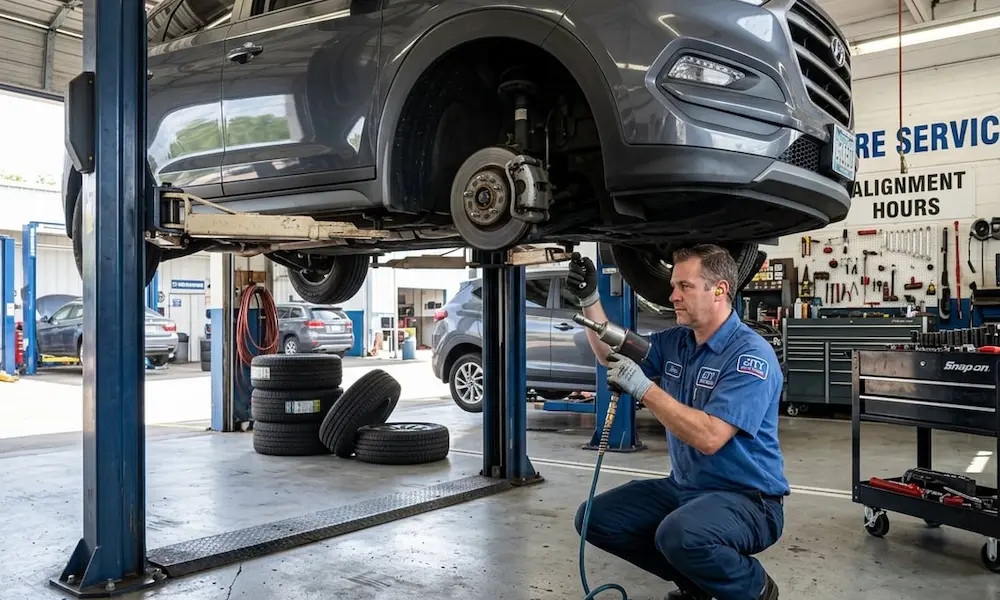
Most tire shops—including Discount Tire and Costco—won’t touch Center Lock wheels on the vehicle. They lack the tools, training, and liability insurance. You can’t just roll into a quick-lube place with a flat.
You’re Getting Towed, Period
Got a flat on a Center Lock car? You’re stranded. The car gets towed to a Porsche Center—period. The protection plan includes up to $250 in towing reimbursement, which becomes essential. A specialized flatbed tow for a low-clearance GT3 can easily hit that limit, but having it bundled smooths the entire process.
For standard five-lug wheels (Macan, Cayenne, base 911), the logistics are easier. Any competent shop can swap the tire. But the financial exposure remains—those 21-inch Macan wheels still cost $1,200 to $1,800 each.
Breaking Down the Real Costs
Let’s talk numbers. The protection plan’s value depends entirely on what you’re protecting.
911 Turbo S or GT3 (Center Lock)
Single corner replacement cost:
- Forged Center Lock wheel: $3,000–$3,800
- N-spec tire (255/35ZR20): $500–$700
- Mount, balance, labor: $150
- Total damage: $3,650+
Protection plan cost: ~$2,500 (5 years)
One bent wheel and you’ve made back 146% of your investment. Even without catastrophic damage, replacing 4-5 tires from nails over five years breaks even. The math’s clear: this is a highly efficient hedge.
Macan S (Standard 20″ Wheels)
Single corner replacement cost:
- 20″ wheel: $1,100–$1,600
- Tire: $350–$500
- Labor: $100
- Total damage: $1,600
Protection plan cost: ~$2,000 (5 years)
One wheel replacement doesn’t break even. You need one catastrophic event plus one or two tire punctures to recoup the premium. It’s marginal, but if you drive in pothole-heavy metro areas, it tips toward worthwhile.
718 Cayman (18″ Standard)
Single corner replacement cost:
- Wheel: $800
- Tire: $300
- Total damage: $1,100
Protection plan cost: ~$1,800
You’re statistically unlikely to bend an 18-inch wheel with a 45-series sidewall. The probability of breaking even is low. Skip it and self-insure.
What About Alternatives?
You’re not locked into the dealer plan. Several competitors exist, and some are significantly better values.
Fidelity Warranty Services
Fidelity is the go-to alternative on Porsche forums like Rennlist. Volume dealers like Steingold Volvo sell these plans at near-wholesale prices, often 30-40% cheaper than Safe-Guard.
The coverage is comparable, and many owners report a more lenient claims process. The downside? Some service advisors aren’t familiar with the claims process, which can slow things down.
The Discount Tire Certificate Strategy (Standard Lugs Only)
Discount Tire sells certificates for ~$50 per tire. If the tire’s damaged, it gets replaced free. Sounds great, right?
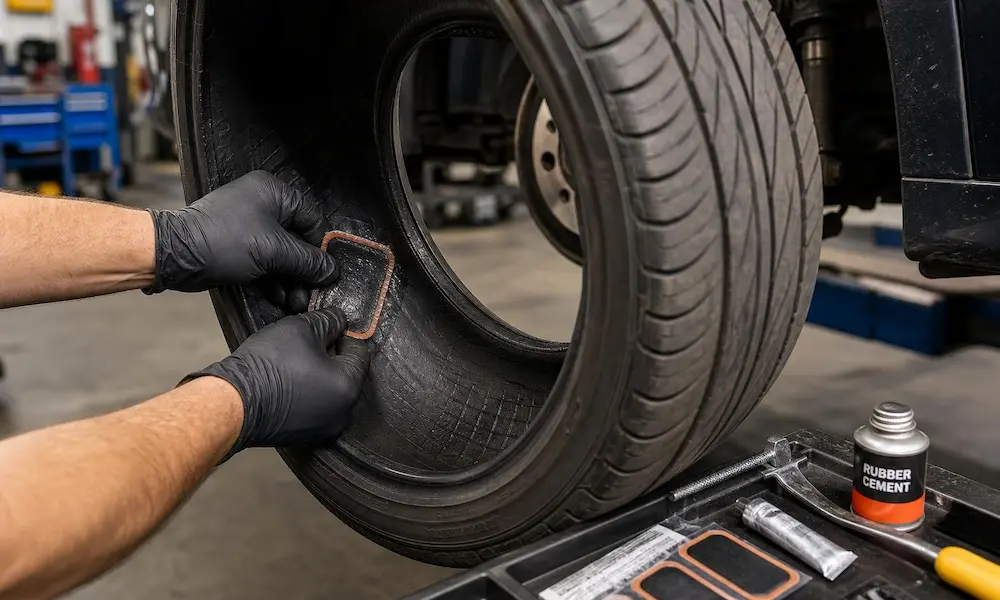
Here’s the problem: certificates only cover rubber. If a pothole ruins the tire and bends the $3,000 rim, you save $500 but still owe $3,000. Also, Discount Tire can’t remove Center Lock wheels, so you’d need to tow to a dealer, pay them to remove the wheel, drive it to Discount Tire, then return for installation. It’s a logistical mess.
This strategy only works for Macan/Cayenne owners with standard lugs who want coverage for simple punctures and are willing to self-insure the wheels.
AAA and Third-Party Plans
AAA offers tire and wheel coverage in some regions, but coverage caps (often $1,000 per occurrence) won’t cover a Center Lock wheel failure. They also push repairs over replacements and may require network shops that can’t service Porsches properly.
The Hidden Operational Headaches
Even when the plan “works,” the experience can be frustrating.
Parts Availability Gaps
Let’s say Safe-Guard approves your claim for a bent wheel. Great, right? Except that specific wheel finish is backordered from Germany for three weeks. The protection plan typically provides no rental car coverage for tire/wheel claims alone. You’re without a car for weeks while technically “covered.”
The Audit Process
Claims get submitted digitally with photos of the damage, tread depth measurements, and tire DOT codes. High-value claims (replacing two tires and a wheel simultaneously) often get flagged for audit, pausing approval for 24-48 hours. Your car sits at the dealer while you wait.
Dealer Relationships Matter
A good service advisor knows how to photograph damage to maximize claim approval—capturing angles that show potential bead unseating. A lazy one snaps a blurry photo, gets a denial, and hands you the bill.
Buying the plan from your servicing dealer creates leverage. They have skin in the game and may fight harder with Safe-Guard or offer goodwill if a claim gets denied.
N-Spec Tires: Why This Actually Matters
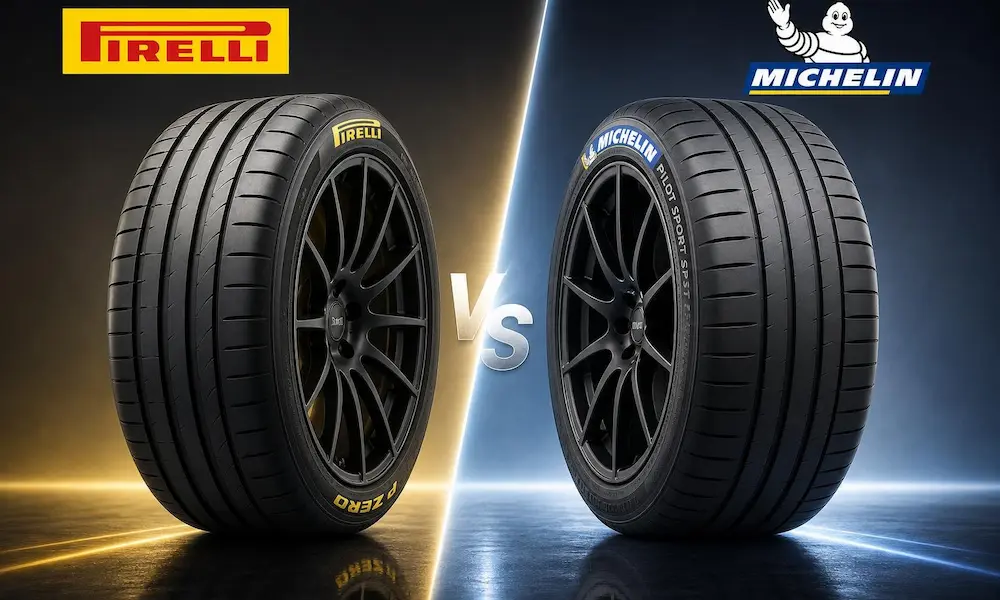
Porsche homologates tires specifically for its vehicles, marked with an “N” rating (N0, N1, N2) on the sidewall. These differ from generic versions in rubber compound, carcass stiffness, and tread geometry.
The protection plan contract explicitly requires replacements to meet “vehicle manufacturer’s specifications.” This is crucial. Budget shops might try swapping a damaged Pirelli P Zero N0 with a generic P Zero to save money. That generic tire has different handling characteristics, which can destabilize the car if mismatched with N-spec tires on the other axle.
The Safe-Guard plan mandates correct OEM-spec tires, preserving your car’s handling integrity. That’s not fluff—it’s a legitimate safety and performance consideration.
Who Should Buy It (and Who Shouldn’t)
Mandatory Purchase: GT3, Turbo S, GTS Owners
If you drive a Center Lock Porsche, the logistical and financial risk is too high to self-insure. Target price: $2,200–$2,800. Negotiate hard.
Strong Buy: Urban SUV Drivers (Cayenne, Macan with 21″+)
Metro areas with rough roads and heavy tire wear make this worthwhile. You’ll likely break even on tires alone. Target price: $1,800–$2,200.
Strong Buy: Taycan Owners
EV weight punishes tires and wheels. Replacement costs are high, and the car’s weight accelerates wear. Target price: $2,000–$2,500.
Skip It: 718 Cayman/Boxster (18″/19″ Wheels)
High sidewalls protect rims. Replacement costs are lower. The probability of breaking even is slim. Self-insure instead.
Consider for Leasees
If you’re leasing, cosmetic wheel damage at lease-end can trigger penalties. The plan’s curb rash coverage might be worth it—or opt for a lease-end protection bundle instead.
Negotiation Tactics That Actually Work
Never pay the first quoted price. It’s marked up 50-100%. Here’s how to fight back:
Counter with forum data. Tell the F&I manager, “I know others are paying $1,800 for this coverage.” Bring printed Reddit or Rennlist threads if needed.
Shop competitors. Get a quote from Fidelity through Steingold and ask your dealer to match it.
Wait until delivery. You don’t have to buy it when ordering. You can typically add it at signing or shortly after (though usually before delivery to avoid inspection requirements). Use that time to shop.
Unbundle the package. Dealers often bundle tire/wheel with windshield and dent protection. Do you actually need the others? Windshield protection is redundant if you have $0 deductible glass coverage on your auto insurance.
The Bottom Line: Is Porsche Tire and Wheel Protection Worth It?
For high-exposure owners—Center Lock cars, Taycans, or anyone in pothole-ridden climates—yes. It’s a vital shield against four-figure repair bills and logistical nightmares. It ensures the dealer uses N-spec tires and proper tooling.
For low-exposure owners with standard lugs and reasonable sidewalls in smooth-road regions, the “holds air” structural exclusion makes it a poor bet. A high-yield savings account allocated for car repairs offers more flexibility without tread depth exclusions and construction zone denials.
The plan’s a tool. Like any tool in the Porsche ecosystem, its value depends on how precisely it matches your specific driving environment. Run the numbers for your car, your wheels, and your roads. Then negotiate ruthlessly.