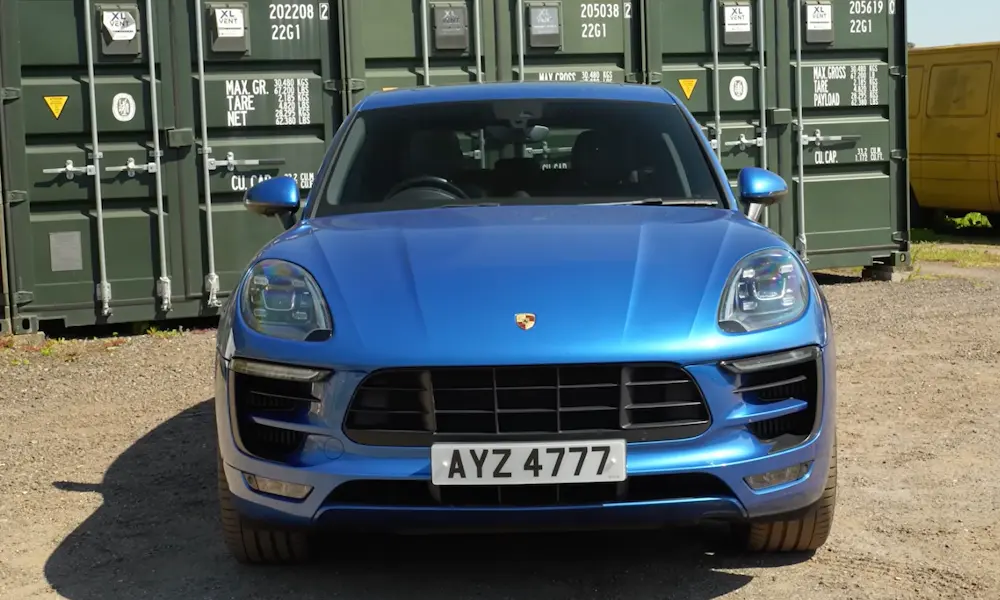
Thinking about buying a Porsche Macan? You’ve probably heard two very different things — that it’s brilliant to drive and expensive to fix. Both are true. This post breaks down exactly what the reliability data says, which model years to target, and what ownership actually costs so you can decide with your eyes open.
What the Reliability Data Actually Says
The short answer: it depends on how you measure “reliable.”
J.D. Power gives the 2024 Macan a Quality & Reliability score of 84 out of 100 — rated “Great” and above the class average of 78. That’s genuinely impressive for initial quality.
But flip to RepairPal, and the story shifts. The Macan scores 1.5 out of 5.0 for long-term reliability, ranking last among 11 luxury compact SUVs. Macan owners average 1.3 unscheduled shop visits per year versus 0.6 for the class.
So are Porsche Macan reliable? Yes — if you maintain them properly. No — if you treat them like a Toyota and hope for the best.
| Reliability Metric | Porsche Macan | Segment Average |
|---|---|---|
| J.D. Power Quality Score | 84/100 (Great) | 78/100 |
| Average Annual Repair Cost | $1,265 | $859 |
| Unscheduled Shop Visits/Year | 1.3 | 0.6 |
| Probability of Severe Repair | 12% | 8.6% |
| 5-Year Resale Value Retention | 58–62% | 45–50% |
The average annual repair cost for a Macan sits at $1,265 — nearly double the $652 average across all U.S. vehicles. That’s the trade-off for driving something that handles like a sports car.
Which Generation Is the Most Reliable?
The Macan has gone through three distinct generations. Your choice of model year matters a lot.
First Generation (2015–2018): Avoid the Early Cars
The 2015 and 2016 model years had the most growing pains. Coolant leaks from plastic water pump housings and thermostat covers were common — these components crack under repeated heat cycles.
By 2017 and 2018, Porsche had issued several technical service bulletins and revised parts. These years are the “sweet spot” of the first generation. You get the tactile interior with physical buttons and better mechanical stability.
Still, avoid early V6 models (more on why below).
Second Generation (2019–2021): The Big Leap Forward
The 2019 facelift brought Audi-sourced 3.0-liter and 2.9-liter V6 engines with a “hot V” turbo layout. This improved responsiveness and fixed several long-standing engine issues.
The redesigned transfer case also arrived during this era — solving one of the Macan’s most notorious problems. Reliability metrics improved significantly across the board.
If you’re buying used, a 2019–2021 Macan S or GTS is your best bet.
Third Generation (2022–2024): Refined but Different
The final combustion Macan got a power boost on the base engine and introduced the glass haptic center console. Mechanically, it’s the most polished version of the platform.
The haptic console divided opinion — no sticky button problems, but fingerprints accumulate fast and the lack of tactile feel bothers some drivers. Electronically, it’s been largely reliable.
The 2024–2025 Electric Macan: A New Chapter
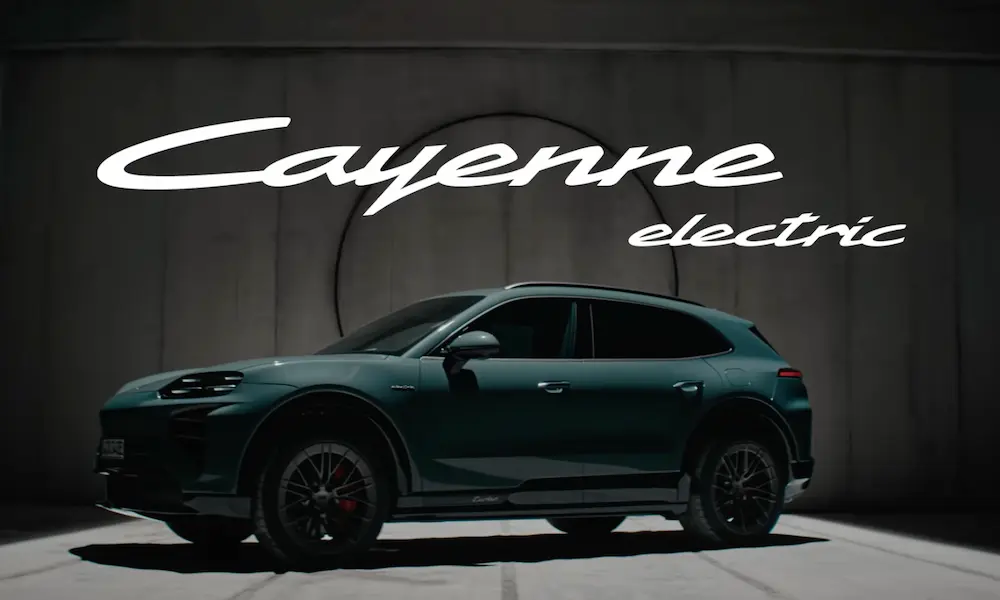
The all-electric Macan eliminates oil leaks, belt failures, and complex transmission fluid concerns. But early software glitches in the infotainment and driver assistance systems show it’s still working through first-year teething issues.
The PDK Transmission: Brilliant but Demanding
The seven-speed PDK dual-clutch gearbox is one of the Macan’s defining features — and one of its biggest maintenance responsibilities.
Catastrophic PDK failures are rare. But the system is extremely sensitive to fluid condition.
Porsche originally labeled the PDK fluid as a “lifetime” component. Independent Porsche specialists now recommend changing it every 40,000 to 60,000 miles. Skip this service and metallic particles build up in the mechatronic unit — the transmission’s brain. Symptoms include jerky shifts, hesitation, and the dreaded “emergency transmission run” warning.
PDK service at an independent shop runs $600–$900. At a dealer, expect $1,200+. Compare that to a full PDK replacement — which can exceed $20,000 because Porsche dealers replace the unit rather than rebuild it.
The math is simple: change the fluid.
The Transfer Case Problem You Need to Know About
This is the Macan’s single most infamous reliability issue — and it affected a lot of owners.
On 2015–2018 models, moisture contaminated the transfer case oil and degraded the internal friction discs. The symptoms? Buckling, shuddering, or jerking during low-speed turns or acceleration.
Porsche acknowledged the problem and extended the transfer case warranty to seven years with unlimited mileage on 2014–2018 models. That tells you everything you need to know about how serious it was.
The redesigned transfer case with improved venting arrived in 2019. Current data shows the problem is largely resolved on newer models.
If you’re buying a 2015–2018 Macan, verify the transfer case was either replaced under warranty or check the fluid service history carefully.
| Drivetrain Component | Main Concern | Warning Signs | Action |
|---|---|---|---|
| PDK Transmission | Mechatronic failure | Harsh shifts, gear skipping | Fluid change every 40k miles |
| Transfer Case | Internal clutch wear | Low-speed shudder, jerking | Fluid change every 30k–40k miles |
| Driveshaft | Support bearing failure | Thumping under load | Inspect rubber surround |
| AWD Controller | Software errors | Traction warning lights | Update software at dealer |
Engine Reliability: Four-Cylinder vs. V6
Your engine choice significantly affects your long-term reliability picture.
The 2.0-Liter Four-Cylinder: The Dependable Choice
The base turbocharged 2.0-liter is a variant of Volkswagen’s EA888 engine family. It’s found in hundreds of thousands of vehicles worldwide, which means a mature parts ecosystem and plenty of independent mechanics who know it well.
Common issues are minor: some oil consumption (Porsche considers one quart per 1,000 miles acceptable) and occasional wastegate actuator failures past 80,000 miles. That’s it. No catastrophic bore scoring. No timing cover nightmares.
If you rack up miles commuting, the 2.0-liter is the smart pick.
The Early V6: Performance with Baggage
The 3.0-liter and 3.6-liter V6 engines from 2015–2018 carry two expensive reliability risks.
Timing Cover Oil Leak
Aluminum bolts secure the timing chain cover to the engine block. They snap under heat and vibration, causing oil seepage. The leak itself isn’t catastrophic — but the repair traditionally required full engine removal, creating bills of $10,000 or more. Some independent shops now perform “engine-in” repairs using upgraded stainless steel bolts, which cuts costs significantly.
Cylinder Bore Scoring
This is the scary one. The cylinder walls get physically gouged by the piston skirts, leading to high oil consumption, a ticking noise when cold, and eventual engine failure. It’s more common in cold climates and vehicles that skipped oil changes.
The 2019+ V6: Problem Solved
The 2.9-liter V6 introduced in 2019 uses Atmospheric Plasma Spray (APS) cylinder coating — an iron-based surface that eliminates bore scoring. This is a proper engineering fix, not a workaround.
The 2019+ V6 is a fundamentally better engine for long-term ownership.
What NHTSA Complaints Reveal
A look at NHTSA safety data shows the Macan has faced several notable recalls:
- Fuel pump flange cracks on 2015–2018 models — potential fuel leak and fire hazard
- Passenger airbag sensor failure — faulty occupancy mat that could prevent airbag deployment
- Shock absorber connection recall in 2021 — front and rear connections not properly tightened at the factory
94 recorded safety system complaints sit in the NHTSA database for the Macan. It’s worth searching your specific VIN before purchase.
The Real Cost of Ownership
Beyond repairs, the Macan demands respect on routine maintenance too.
| Service Item | Estimated Cost (Dealer) | Typical Interval |
|---|---|---|
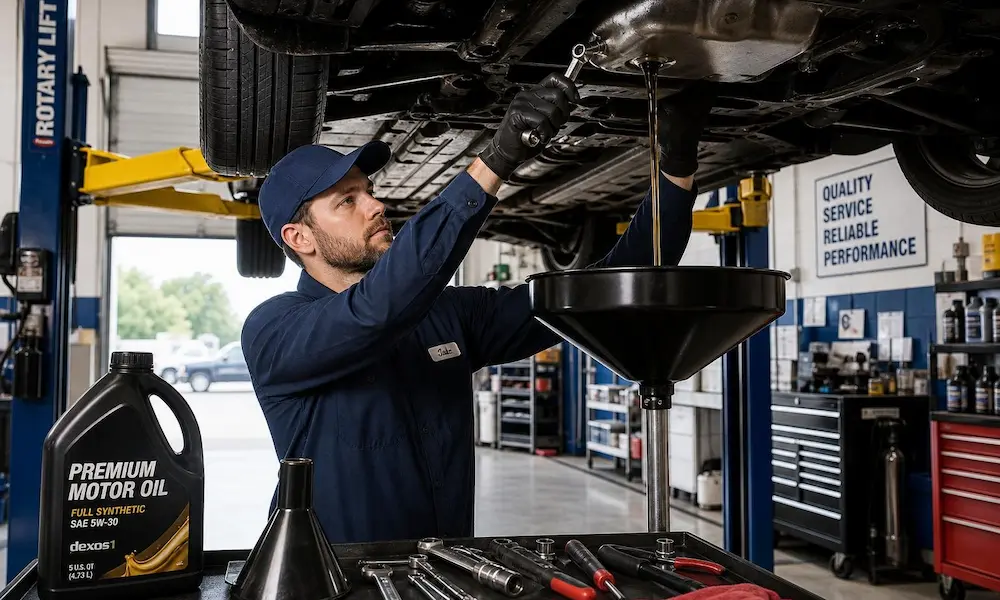
| Oil Change | $450–$700 | Every 10,000 miles |
| Brake Pads & Rotors (4-wheel) | $2,800–$4,000 | ~35,000 miles |
| Set of 4 Tires | $1,200–$1,800 | ~20,000 miles |
| Spark Plug Service | $1,200–$1,800 | 30k–40k miles |
Tires wear faster than you’d expect. The Macan uses a staggered setup — wider rears that can’t rotate — and rear tires can wear out in as little as 15,000 miles with enthusiastic driving.
If your Macan has air suspension (PASM), budget separately. A single air strut can cost over $1,500 for the part alone. For high-mileage ownership, the standard steel spring suspension is the cheaper long-term path.
Protecting Yourself: Smart Buying Strategies
Go CPO when possible. The Porsche Approved CPO program adds two years of unlimited-mileage coverage after the original 4-year/50,000-mile factory warranty. For a used Macan, that protection against PDK or air suspension bills is genuinely valuable.
Use an independent specialist after warranty. Dealers offer comprehensive service records that protect resale value — but independent Porsche shops charge lower labor rates and are more willing to do component-level repairs. For the timing cover fix alone, the savings can be several thousand dollars.
Don’t trust “lifetime” fluid claims. Change your PDK fluid every 40,000 miles. Change transfer case fluid every 30,000–40,000 miles. This is the single most important thing you can do for long-term reliability.
How Does It Stack Up Against Rivals?
| Model | J.D. Power Dependability | 5-Year Maintenance Cost | Resale Value |
|---|---|---|---|
| Porsche Macan | Great | Highest | Best in class |
| BMW X3 | Excellent | Lowest | Moderate |
| Audi Q5 | Fair | Moderate | Moderate |
| Mercedes GLC | Average | Moderate | Below Macan |
The BMW X3 with its B58 inline-six currently leads German luxury brands for long-term dependability. It’s cheaper to maintain and has fewer catastrophic failure points than early Macan V6 models.
But here’s the thing — the Macan retains 58–62% of its value after five years against 45–50% for its rivals. The market clearly values what the Macan offers enough to pay a premium, even knowing the maintenance costs.
The Bottom Line: Who Should Buy a Porsche Macan?
The Macan rewards owners who treat maintenance seriously and plan financially for what a precision German sports SUV actually costs to run.
Target a 2019 or newer model to sidestep the worst first-generation issues. Pick the 2.0-liter for high-mileage dependability or the 2.9-liter V6 if you want performance without the bore scoring risk of older engines. Service the transmission fluid religiously and you’ll likely avoid the biggest expenses.
The Porsche Macan isn’t unreliable — it’s unforgiving of neglect. Treat it right and it’ll deliver an experience no X3 or Q5 can match. Ignore the maintenance intervals and you’ll find out exactly why that 1.5 RepairPal score exists.