Got your first Porsche service bill and nearly choked on your coffee? You’re not the first. A Porsche oil change costs way more than your average sedan’s, and there are solid reasons for it. This guide breaks down exactly how much you’ll pay, why the price is what it is, and how to keep costs from spiraling out of control.
How Much Does a Porsche Oil Change Cost?
The short answer: expect to pay between $200 and $600, depending on your model, location, and where you take it.
That range is wide because Porsche builds everything from a family SUV (Macan) to a track-ready GT3 RS. Each has different oil volumes, filter types, and labor requirements.
Here’s a model-by-model breakdown to set your expectations:
| Porsche Model | Independent Shop | Dealership | Oil Capacity |
|---|---|---|---|
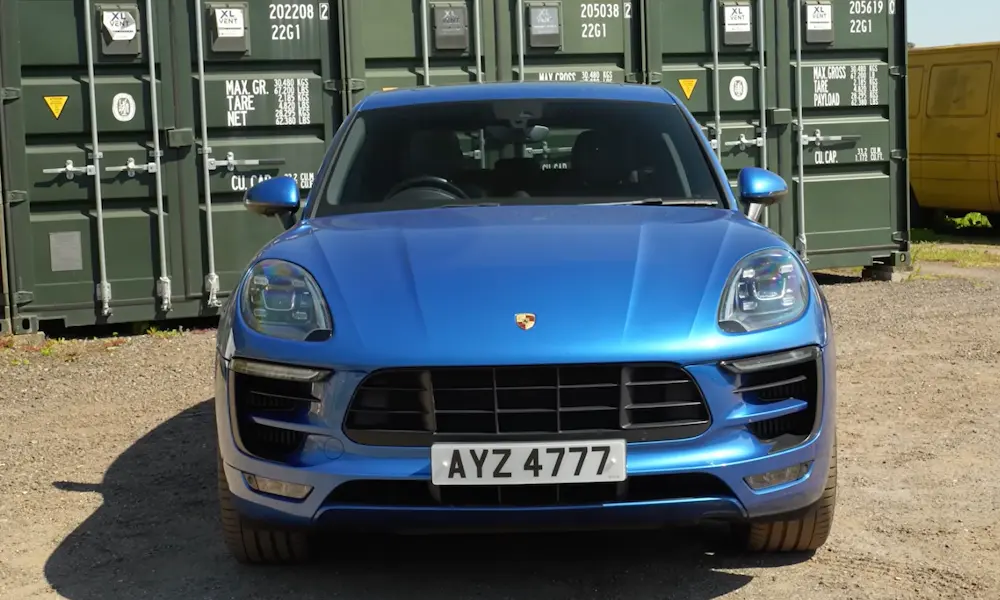
| Macan (2.0T) | $180–$250 | $224–$410 | 5.7–6.0 qts |
| Macan (V6/S/GTS/Turbo) | $220–$300 | $300–$450 | 8.0–9.0 qts |
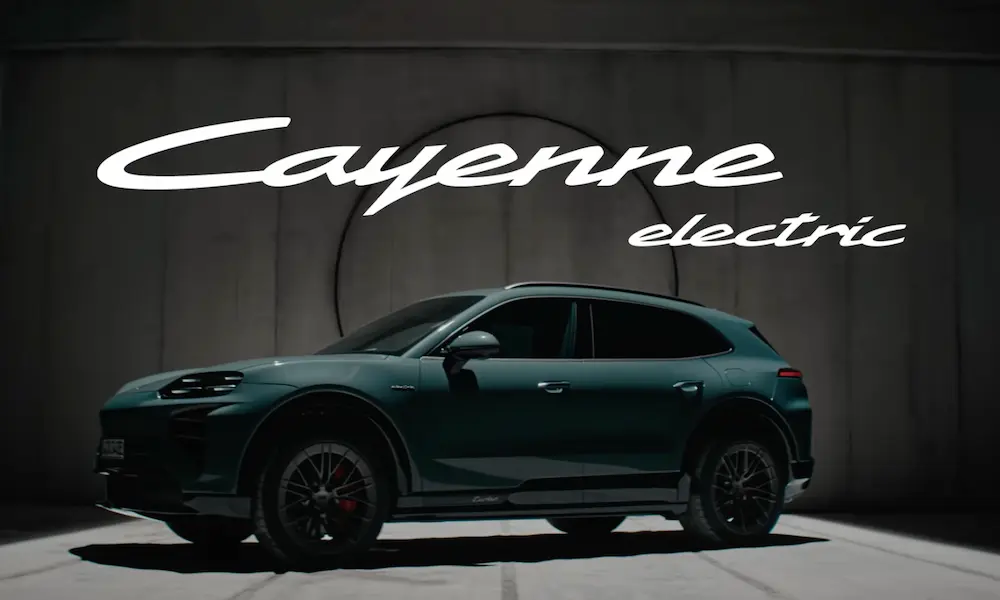
| Cayenne (Base/S) | $200–$350 | $312–$500 | 8.5–10.0 qts |
| 718 Cayman/Boxster | $200–$350 | $350–$560 | 8.0–9.0 qts |
| 911 Carrera (991/992) | $200–$400 | $450–$600 | 8.5–10.5 qts |
| 911 GT3/GT3 RS | $300–$450 | $450–$800 | 10.0+ qts |
| Panamera | $200–$400 | $462–$700 | 9.0–10.0 qts |
| Taycan (Fluid Check) | $150–$250 | $300–$500 | N/A |
The Macan is the most affordable Porsche to maintain, while GT3 owners can push past $800 when a full track inspection is included. The 2024 Cayenne sits comfortably in the middle, averaging $312–$335 at most dealerships.
Why Does a Porsche Oil Change Cost So Much?
It’s not just the brand name. There are genuine technical reasons your Porsche costs more to service than a Toyota Camry.
You Need a Lot of Premium Oil
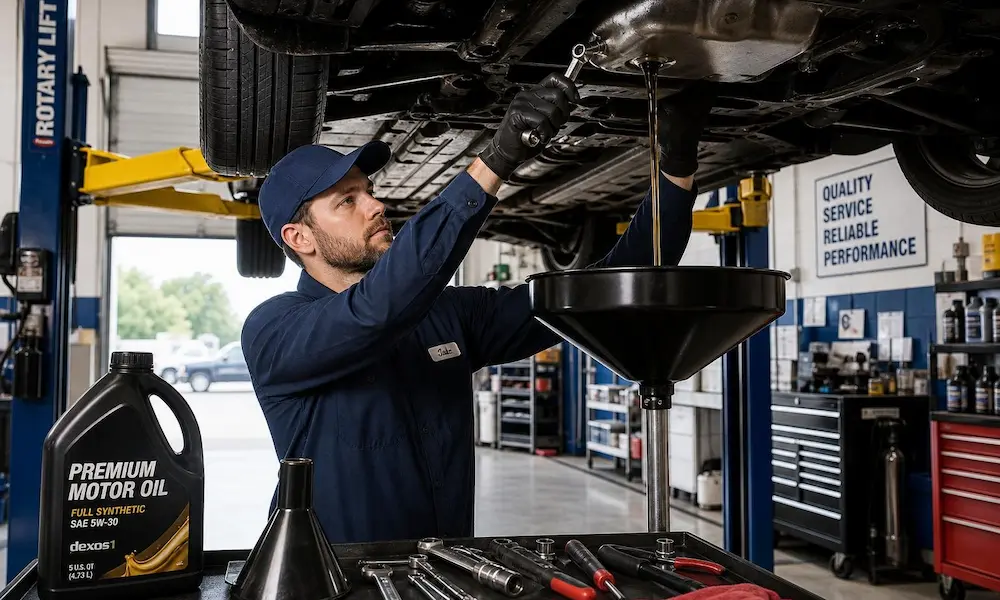
Most family cars take 4–5 quarts of oil. A Porsche engine? It needs 8–10 quarts of full synthetic. That’s nearly double the volume—and the oil itself isn’t cheap.
Porsche-approved synthetics run $12–$18 per quart. That means the fluid alone can cost $90–$180 before a single wrench turns.
Porsche uses two main oil specifications:
- A40: For naturally aspirated flat-six engines and older models. It handles extreme heat and shear stress without breaking down.
- C30: Required for modern turbocharged engines with gasoline particulate filters. It has lower ash content to prevent filter clogging and meets current emissions standards.
Use the wrong spec and you’re looking at costly filter damage or engine wear. That’s not a risk worth taking.
The Filters Aren’t Off-the-Shelf Parts
Porsche doesn’t use generic screw-on filters. They use cartridge-style filter elements inside aluminum housings—engineered to survive 10,000-mile service intervals. These filters feature:
- Precision bypass valves calibrated to your engine’s specific oil flow
- High-interval media that won’t degrade before your next service
- Exact manufacturing tolerances to prevent leaks in a system where a single failure could cost you $60,000–$200,000 in engine replacement
Every oil change also requires a fresh drain plug washer. It’s a small part, but skipping it invites slow leaks that quietly destroy engines over time.
The Labor Is Genuinely More Involved
A 911 has its engine in the rear. A 718 has it mid-ship. Technicians often remove covers, fans, and panels just to access the oil fill and filter. That takes time—and time costs money. This is why Porsche oil changes take longer than a standard service, even at a busy shop.
What’s Actually Included in a Porsche Oil Service?
Here’s the good news: you’re not just paying for an oil swap. A proper Porsche oil service includes a thorough multi-point inspection that covers the entire vehicle.
| System | What Gets Checked |
|---|---|
| Undercarriage | Oil leaks, axle joints, tie rods, steering gear |
| Brakes | Pad thickness (replaced at 4mm), disc condition |
| Cooling System | Coolant levels, hose integrity, radiator cleaning |
| Electrical | Fault code scan, battery health, exterior lighting |
| Tires | Tread depth, uneven wear, tire pressure |
| Fluids | Brake fluid, power steering, windshield washer |
The technician connects a PIWIS III diagnostic tool to read any stored fault codes—issues that haven’t triggered a dashboard warning yet. It’s how small problems get caught before they become $10,000 repairs.
Think of it less as an oil change and more as a full health check with an oil change attached.
Dealer vs. Independent Shop: Which Should You Choose?
Both options work. The right choice depends on your car’s age and your priorities.
Authorized Dealerships
- Factory-trained technicians with PIWIS III diagnostic tools
- Stamped service history boosts resale value significantly
- Labor rates run $50–$100/hour higher than independent shops
- Parts markups are steeper
Independent Porsche Specialists
- Often run by ex-dealership technicians who know the cars deeply
- Save 10–20% on parts and labor compared to dealers
- Use OEM parts—same quality, without the Porsche logo markup
- Great option once your warranty period ends
Generic Quick-Lube Shops
- Skip these entirely. They often lack the tools to reset Porsche maintenance computers, may use the wrong oil grade, and might miss the multiple drain points some models require.
The Magnuson-Moss Act means Porsche can’t force you to use their dealer for service. But you must prove the correct oil and parts were used at the right intervals—so documentation matters wherever you go.
How Location Affects Your Porsche Oil Change Cost
Where you live changes what you pay. Coastal cities with high overhead and tight technician markets charge the most.
| State | Hourly Labor Rate | Notes |
|---|---|---|
| California | $155–$200 | Highest overhead, strict environmental regs |
| New York | $135–$180 | Dense urban markets, high commercial rents |
| Florida | $130–$160 | Strong luxury market, wide metro/rural gap |
| Texas | $120–$150 | Competitive independent specialist market |
| Illinois | $125–$155 | Higher rates in Chicago metro |
| North Carolina | $85–$135 | Generally more affordable labor market |
In California, a 911 oil change at a dealer can easily hit $600. In North Carolina, the same job at a qualified independent shop might run $350. Same car, same oil, different zip code.
How Often Does a Porsche Need an Oil Change?
Porsche’s factory recommendation is every 10,000 miles or one year, whichever comes first. But that’s for ideal conditions.
When You Should Change It More Often
Expert technicians recommend 5,000–7,500-mile intervals if you regularly experience:
- Short trips under 10 miles: The engine never reaches full operating temperature, causing condensation to mix with combustion gases and form corrosive acids in the crankcase
- Stop-and-go traffic: Heat builds without airflow to cool it, accelerating oil breakdown
- Extreme temperatures: Both the American Southwest’s heat and Northern states’ sub-zero cold stress the oil chemistry
- Track days: Sustained high-RPM driving shears oil molecules fast. Change it every 3,000 miles if you’re hitting the track regularly
Don’t Ignore the Annual Rule
If your Porsche only does 1,000 miles a year, you still need a fresh oil change every 12 months. Oil oxidizes and absorbs moisture over time—even when the engine’s not running. Skipping the annual change on a garage queen leads to internal corrosion that no one wants to discover during a pre-sale inspection.
Classic Porsches Need Special Attention
Air-cooled 911s (G-Body, 964, 993) play by different rules entirely.
- More frequent changes: Every 3,000–5,000 miles, since the oil does double duty as a coolant
- High-zinc oil: These engines have flat-tappet camshafts that need oil with elevated zinc and phosphorus levels. Modern oils have reduced these additives to protect catalytic converters—wrong for classic Porsches and a recipe for premature camshaft wear
- Valve adjustments: On G-Body and 964 models, a mechanical valve adjustment often pairs with the oil change, adding significant labor time and cost
What Happens If You Skip the Oil Change?
That $400 bill feels painful. The alternative is worse—much worse.
| Failure | Cause | Estimated Repair Cost |
|---|---|---|
| Engine rebuild | Bearing failure from dirty or low oil | $15,000–$40,000 |
| Turbocharger replacement | Bearings seize from oil breakdown | $4,000–$8,000 |
| Variable valve timing repair | Sludge blocks hydraulic actuators | $2,000–$5,000 |
| Bore scoring | Insufficient lubrication on cylinder walls | $20,000–$35,000 |
Modern turbocharged Porsches like the 991.2 and 992 push turbo bearings past 100,000 RPM. The only protection between those bearings and failure is clean, high-quality synthetic oil. Let the oil go too long, and a $400 service becomes a $6,000 turbo replacement.
Beyond mechanical damage, neglected maintenance can void your warranty on new or CPO vehicles. And gaps in service history spook buyers at resale time—a car with a clean, documented maintenance record always commands a premium.
How to Keep Porsche Oil Change Costs Under Control
You can’t avoid this service, but you can manage it smartly:
- Find a trusted independent specialist once your warranty expires. You’ll typically save 20–30% without sacrificing quality
- Look into Porsche’s Scheduled Maintenance Plan (PSMP) for new or leased vehicles—it locks in today’s labor rates for future services
- Check dealership websites before booking. Many offer seasonal specials that knock $50–$100 off the service cost
- Keep every receipt. Organized service records protect your warranty rights and support your asking price when you sell
What About the Porsche Taycan?
Electric Porsche owners skip the traditional oil change entirely, but maintenance costs don’t disappear.
- Service interval: Every 2 years or 20,000 miles for a major service
- Brake fluid: Must be flushed every 2 years due to moisture absorption—the Taycan’s weight and regenerative braking put unique stress on the system
- Tires: The Taycan weighs over 5,200 lbs and delivers instant torque. Tires wear faster than on gasoline models, making tire rotation the primary recurring maintenance task
Overall maintenance costs for the Taycan run lower than a comparable Panamera—but specialized diagnostic checks and battery health assessments keep pricing at a premium level.
Understanding how much is a Porsche oil change is really understanding what you own. These aren’t complex machines that punish you for bad maintenance—they’re precision-engineered vehicles that reward you when you take care of them properly. Spend $400 now, or spend $40,000 later. The math isn’t complicated.