Want to drive a Porsche in a color nobody else has? The Porsche Paint to Sample program makes that possible — but it’s more complex than just picking a shade. There are tiers, costs, waitlists, and some genuinely fascinating engineering behind every custom finish. Read this before you spend a single dollar.
What Is the Porsche Paint to Sample Program?
The Porsche Paint to Sample program lets you order a factory-painted Porsche in a color outside the standard lineup. It’s managed by Porsche Exclusive Manufaktur — the same department responsible for the brand’s most bespoke builds.
This isn’t a dealer respray. The color gets applied at the factory in Stuttgart-Zuffenhausen, using the same precision equipment as every other production car. The difference is your car gets a color matched to a pre-approved library or, in some cases, a completely new formula created just for you.
Porsche has offered special paint requests since the 356 era. By 1978, demand was high enough that they formalized it into a dedicated department called Sonderwunsch — German for “special request.” That spirit still drives the program today.
The Two Tiers: Paint to Sample vs. Paint to Sample Plus
These are different programs with very different price tags and processes.
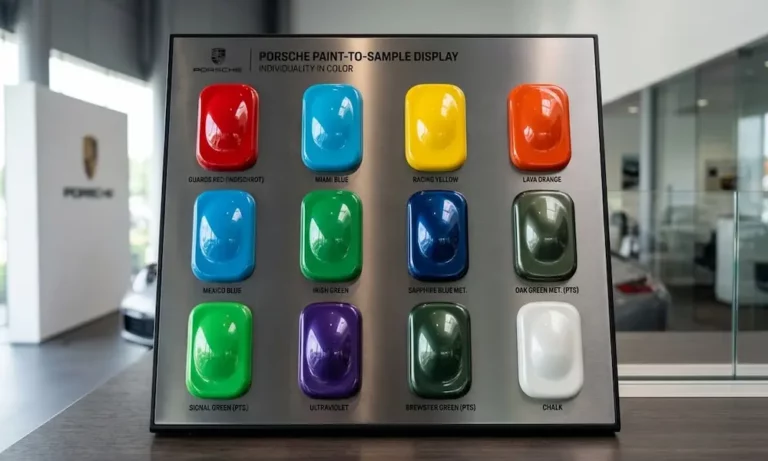
Paint to Sample gives you access to a pre-approved library of over 160 to 230+ colors depending on the model. Every color in this library has already passed Porsche’s durability and application testing. You’re not picking something experimental — you’re picking something validated. Costs run from $11,430 to $15,000+ depending on the model.
Paint to Sample Plus is a different beast entirely. You bring a physical sample — a swatch of fabric, a paint chip, a piece of ceramic tile — and Porsche’s engineers try to replicate it. This triggers a feasibility study that can take up to 11 months, sometimes two years. Costs range from $22,860 to $31,070+.
If the color fails feasibility testing, Porsche typically covers the cost of the study. You lose time in the production queue, but not money.
Understanding All the Color Tiers
Before you get excited about PTS, it helps to understand where it sits in the full hierarchy.
| Color Category | Selection Range | Estimated Cost (USD) | Status |
|---|---|---|---|
| Standard | ~4 colors | $0 | Fully validated |
| Metallic | ~8–10 colors | $650–$840 | Fully validated |
| Special | ~4–6 colors | $2,580–$3,270 | Fully validated |
| Paint to Sample | 160–230+ colors | $11,430–$15,000+ | Pre-approved |
| Paint to Sample Plus | Unlimited | $22,860–$31,070+ | Subject to feasibility study |
Standard colors like White, Black, Guards Red, and Racing Yellow come at no extra charge. Metallic colors add a modest premium. Special colors like Chalk or Shark Blue cost more but are still off-the-shelf options. Paint to Sample is where true personalization begins.
How Much Does Paint to Sample Cost by Model?
US pricing scales with the vehicle. Here’s what to expect for 2026 models.
| Model | Base MSRP | PTS Cost (Est.) | PTS Plus Cost (Est.) |
|---|---|---|---|
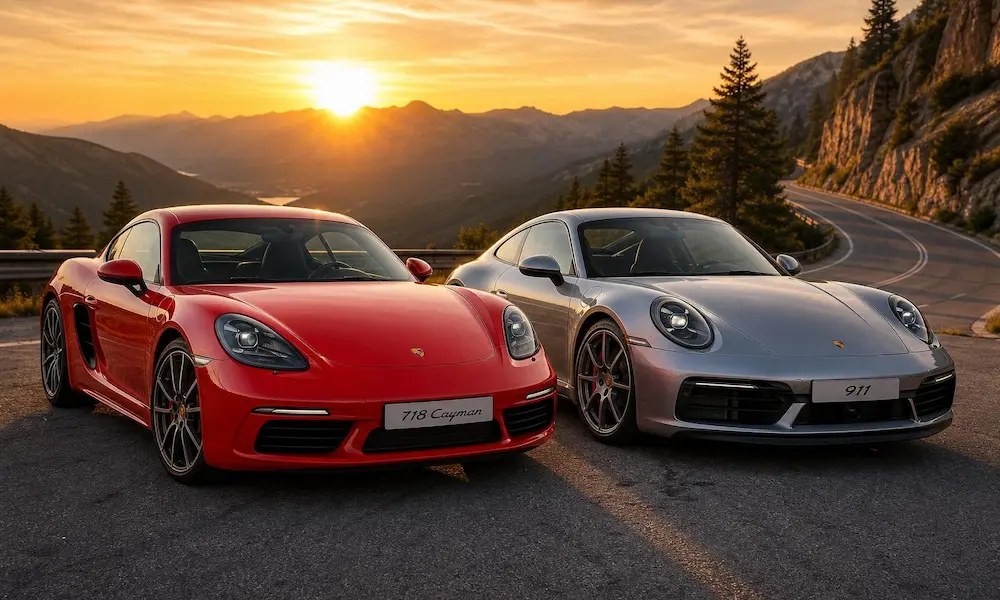
| 911 Carrera | $132,300–$135,500 | $14,190–$14,700 | $31,070+ |
| 911 Carrera GTS | $181,000 | $14,700–$15,050 | $31,070+ |
| 911 Turbo S | $230,400+ | $15,000+ | $31,070+ |
| 718 Cayman | $72,800 | $11,430–$12,380 | $22,860–$25,660 |
| Taycan | $105,800 | $13,000+ | $31,070+ |
| Macan Electric | $80,300 | $13,000+ | Limited availability |
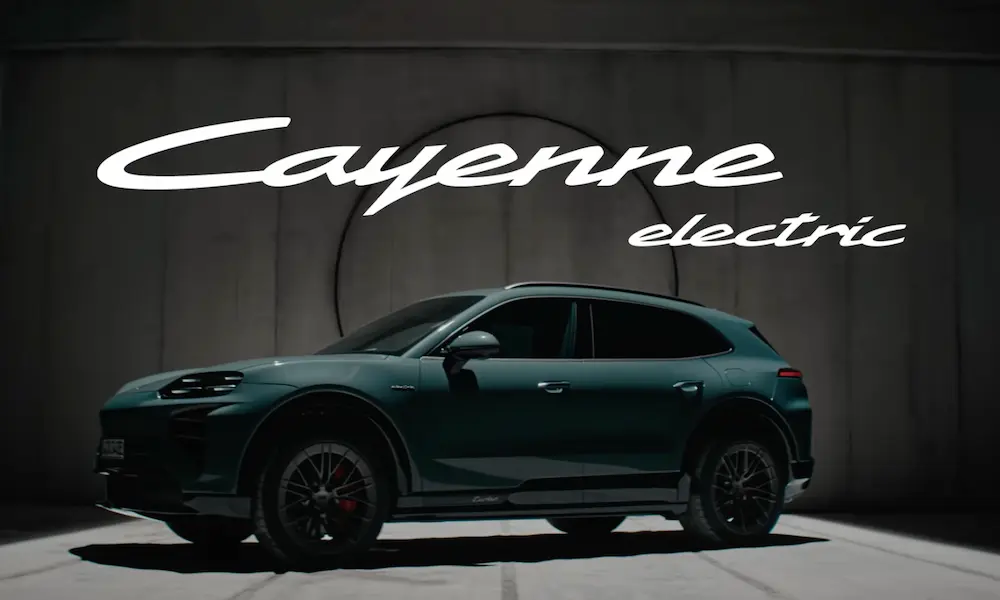
| Cayenne | $88,800 | $13,000+ | Not available |
Note: The Cayenne is excluded from Paint to Sample Plus due to production logistics at its Leipzig and Bratislava plants. It still qualifies for the standard PTS library with 93+ available colors.
The Engineering Behind Every Custom Color
Here’s why PTS costs so much — and why it’s worth it.
Substrate Matching
A Porsche isn’t one material. The body uses aluminum. The bumpers use plastic. Some performance models include carbon fiber. Each material absorbs and reflects light differently, so painting them identically isn’t straightforward.
Porsche engineers split every paint batch into two cans — one for metal body panels, one for plastic add-on parts. They paint “batch comparison sheets” for every single vehicle and use these as quality control references during final inspection. No color shift between panels. None.
Layer by Layer
The paint application process follows a precise sequence:
- Phosphate coat + electro-chemical dip — corrosion protection at the base
- Primer — light primers for light colors, dark primers for dark colors
- Base coat — the actual color layer, applied at roughly 30 micrometers thick
- Clear coat — the gloss and protection layer, 30 to 50 micrometers thick
- Curing — the car bakes at up to 392°F (200°C) for over two and a half hours
That clear coat is thinner than a human hair but protects against UV radiation, stone chips, road salt, and bird droppings for decades. The precision here isn’t cosmetic — it’s structural.
The 2021 Capacity Expansion
Before late 2021, the Zuffenhausen factory could finish about five PTS cars per day. A new color mixing bank — capable of dosing pigments down to the milligram — pushed that to roughly 20 cars per day. That fourfold increase helped address the massive US waitlists, but demand still outpaces supply.
How to Actually Order a Paint to Sample Porsche in the US
This is where most buyers hit a wall. Money isn’t enough — you need allocation.
The Double Allocation Problem
First, you need a production slot for the vehicle itself. For high-demand models like the 911 GT3, 911 S/T, or Macan GTS, that alone can take years. Second, your dealer needs a separate PTS slot for that specific production month. Porsche caps the number of PTS builds monthly to prevent factory bottlenecks. These slots fill fast and often sit on waitlists of their own.
Find an Exclusive Manufaktur Partner
Around 100 dealerships globally carry “Exclusive Manufaktur Partner” status, with strong representation in LA, Miami, Chicago, and Houston. These dealers receive specialized training and carry physical color swatches and material samples that standard dealers don’t have.
For serious builds, you can escalate to a Porsche Experience Center in Atlanta or Los Angeles. There, design consultants work with you directly using high-fidelity samples and digital tools to finalize your build before anything goes to the factory.
Does PTS Add Resale Value?
Yes — and meaningfully so. Data from platforms like Bring a Trailer and groups like Wob Cars shows PTS Porsches regularly command 10% to 20% more at resale compared to identical cars in standard colors.
For limited production models — the 911 Sport Classic, 911 S/T, GT3 RS — a documented PTS finish can shift the price by six figures at auction. “1 of 1” status and historically significant colors drive the biggest premiums. A standard PTS cost of $14,000 can return $30,000 to $50,000+ in added resale value on the right car.
If you’re buying a GT car or a limited run model, PTS isn’t just a style choice — it’s a financial one.
Browsing the Color Library Before You Visit a Dealer
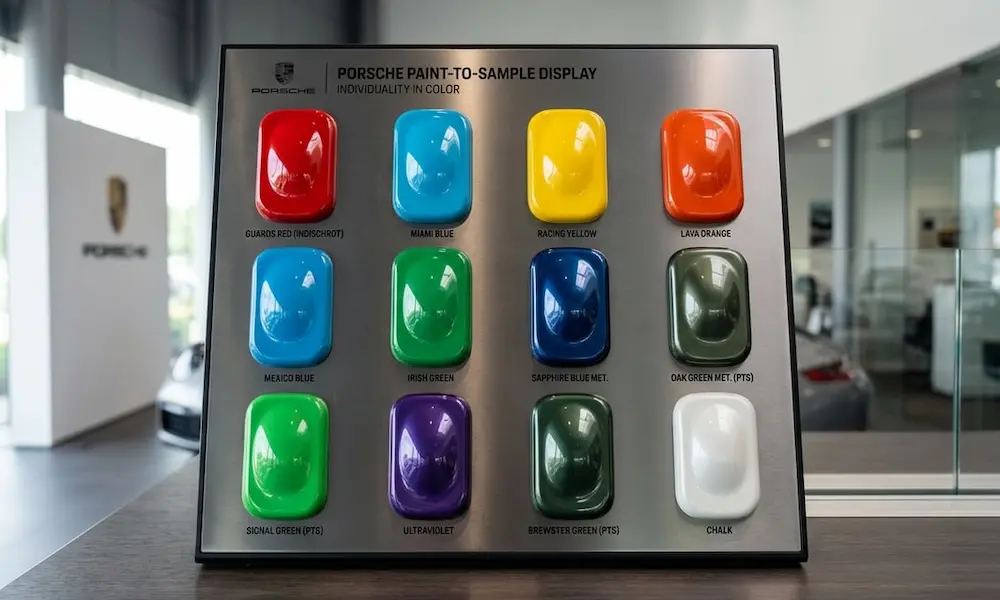
Porsche built a dedicated PTS Explorer tool that shows the full library — over 230 colors — organized by group.
Here’s a snapshot of what’s available:
| Color Group | Notable Examples | Character |
|---|---|---|
| Greens | British Racing Green, Irish Green, Oak Green Metallic Neo | Heritage / Motorsport |
| Blues | Mexico Blue, Miami Blue, Riviera Blue | Modern / 1990s Cult |
| Purples/Pinks | Rubystar, Viola Metallic, Frozen Berry Metallic | 1990s Heritage / EV Era |
| Oranges/Yellows | Speed Yellow, Signal Orange, Gulf Orange | Motorsport / Vintage |
| Greys/Silvers | Nardo Grey, Fashion Grey, GT Silver Metallic | Modern / Heritage |
You can filter by color family and compare shades side by side. It’s the best starting point before committing to anything. Physical swatches at a dealer still beat a screen for final approval — metallic flakes and pearl finishes don’t translate perfectly digitally.
Sonderwunsch: Beyond Paint to Sample
If PTS Plus isn’t exclusive enough, Sonderwunsch takes things further. These are full factory one-offs — not just custom colors but completely unique vehicles built over multi-year collaborations with Porsche engineers.
The 911 Speedster “Otto Yellow” — named after designer Luca Trazzi’s dog — came with yellow-and-black check interior patterns to match the bespoke exterior. The 911 S/T “Dani Blue” was developed over three years with the customer acting as a project co-director alongside the Porsche design team.
Then there’s FA Green Metallic — a tribute to F.A. Porsche’s personal Oak Green 911. That color is currently restricted to the limited “911 GT3 90 F.A. Porsche” edition and unavailable to regular PTS orders. Even within the world of custom colors, some shades are off-limits.
What About the Taycan and Macan Electric?
The Porsche Paint to Sample program now covers electric models including the Taycan and Macan Electric. New shades like Frozen Blue and Ice Grey Metallic have appeared specifically for the EV lineup.
There’s an additional engineering layer here. Darker colors absorb more heat, which matters for battery thermal management — especially in hot markets like Arizona and Texas. Certain PTS choices on EVs require additional verification to confirm they don’t compromise battery efficiency. It’s not a dealbreaker, but it’s worth discussing with your dealer before locking in a color.
The Colors That Started It All
Much of the current PTS demand comes from historic colors returning to the modern lineup — shades from the 1990s air-cooled era that defined a generation of 911s. Maritime Blue, Rubystar, Mint Green — these colors carry genuine nostalgia for enthusiasts who grew up with posters of those cars on their walls.
Ordering a 992 or Taycan in Rubystar isn’t just a color choice. It’s a connection to the visual history of the brand. That’s exactly why the Porsche Paint to Sample program works — it sells identity, not just pigment.