Thinking about buying a Porsche Cayenne but worried it’ll drain your bank account? It’s a fair concern. The Cayenne sits in a strange spot — praised by owners, punished by long-term reliability ratings. This post breaks down what the data actually says, what breaks, what it costs, and which model years deserve your money.
What the Numbers Say About Porsche Cayenne Reliability
The short answer: it depends entirely on which number you trust.
J.D. Power scores the 2024 Cayenne at 82 out of 100 for quality and reliability — solid for a luxury SUV. But RepairPal tells a very different story, rating it 1.5 out of 5.0 and ranking it dead last among 14 luxury midsize SUVs.
So which one’s right? Both, actually — they just measure different things.
- J.D. Power focuses on early ownership issues (first 2–3 years)
- RepairPal tracks long-term repair frequency and cost
- iSeeCars gives the 2021 model an 8.2 out of 10
- Kelley Blue Book rates it 4.5 out of 5 based on verified owner reviews
The gap between those ratings tells the real story. The Cayenne starts strong and gets expensive as it ages.
| Reliability Source | Score | What It Measures |
|---|---|---|
| J.D. Power 2024 | 82/100 | Early ownership quality |
| RepairPal | 1.5/5.0 | Long-term repair frequency |
| iSeeCars (2021) | 8.2/10 | Owner-reported reliability |
| Kelley Blue Book | 4.5/5.0 | Verified owner satisfaction |
The average car visits a repair shop 0.4 times per year. The Cayenne averages 1.1 visits annually. That’s nearly three times more often.
Why Cayenne Owners Stay Happy Despite the Costs
Here’s the paradox: 85% of 2024 Cayenne owners would recommend it to someone else. That’s a remarkable stat for a vehicle with bottom-tier RepairPal scores.
Cayenne owners simply think differently about maintenance. High repair costs aren’t a product failure — they’re the price of admission. As long as the driving experience delivers, owners consider it a fair trade.
That mindset matters when you’re shopping used. A Cayenne with a full service history at an independent Porsche specialist is worth far more than one with gaps in the records.
First Generation (955/957, 2003–2010): Aged but Capable
The first-gen Cayenne is durable but fighting its age. These are vehicles approaching 20+ years old, and the failure modes reflect that.
Bore Scoring on the 4.5L V8
The 4.5-liter V8 in early models is vulnerable to bore scoring — a failure where the cylinder wall coating breaks down. This leads to oil consumption, damaged cylinder liners, and eventually engine failure. Cold climates in the US make this worse, since short trips and cold starts prevent the engine from reaching proper operating temperature.
Plastic Coolant Pipes
The original coolant pipe design used plastic lines buried deep in the engine valley. These pipes become brittle and can burst under heat stress — causing sudden coolant loss and potential engine damage. Most surviving US examples have already been retrofitted with aluminum replacements. If you’re buying one, confirm this swap has happened.
Water Ingress and Electrical Problems
Clogged sunroof and cowl drains redirect water into the cabin. It pools under carpets, soaks wiring harnesses, and causes erratic electrical behavior — everything from dead windows to transmission communication errors. Check for musty smells and pull back the carpet near the footwells before buying any first-gen Cayenne.
| Component | Failure Mode | Severity |
|---|---|---|
| Cylinder Bores | Bore scoring (4.5L V8) | Critical |
| Coolant Pipes | Plastic cracking/leaking | High |
| Cabin Drains | Water ingress from clogs | High |
| Cardan Shaft | Center bearing degradation | Moderate |
Second Generation (958, 2011–2018): Better Build, One Big Problem
The 958 improved on almost everything — except one component that became notorious across the US Cayenne community.
The Transfer Case Issue
The 958 Cayenne’s transfer case is its Achilles heel. Internal moisture accumulation and clutch wear cause a noticeable shudder or jerk at low speeds. Owners often mistake it for a transmission issue or engine misfire at first.
Porsche Cars North America extended the warranty significantly in response to widespread failures:
- 2011–2014 models: 10-year unlimited-mileage warranty extension
- 2015–2018 models: 7-year warranty extension
The fix included a redesigned vent snorkel and updated clutch materials. But even after repairs, changing the transfer case fluid every 20,000 miles is the best way to keep it alive.
Replacement costs run $3,000–$5,000 out of warranty. Budget for it if you’re buying used.
958.1 vs. 958.2: Which Engine Is Better?
The 958.1 (2011–2014) V8 models are fun but had a recall for camshaft adjuster bolts that could snap and cause internal engine damage. The 958.2 (2015–2018) swapped those V8s in the S and GTS for twin-turbo V6s — generally reliable, but prone to timing cover oil leaks that require significant labor to fix.
The base 3.6-liter VR6 engine? It’s actually the most reliable powertrain in the 958 lineup — simpler architecture, shared Volkswagen Group parts, and lower repair costs.
Third Generation (9Y0, 2019–Present): The Most Advanced and the Most Expensive to Fix
The 9Y0 Cayenne rides on Volkswagen Group’s MLB Evo platform — shared with the Audi Q7 and Bentley Bentayga. It’s the best driving Cayenne ever made. It’s also where things get genuinely expensive when they go wrong.
Water Pump Failure and Vacuum System Contamination
The 2019–2021 Cayenne has a known water pump problem that often shows up between 20,000 and 40,000 miles. The pump uses vacuum pressure to control coolant flow. When internal seals fail, coolant gets drawn into the vacuum lines.
That contamination can spread to solenoids, valves, and even turbocharger wastegate actuators. Dealership repair quotes in the US for this issue have exceeded $7,000. A technical service bulletin from NHTSA has been issued, but many repairs still fall on the owner out of warranty.
The Lithium Battery Problem
Early 9Y0 models came with a 12-volt lithium-iron-phosphate battery. Leave the car undriven for a few weeks without a lithium-compatible battery tender, and the battery management system permanently disconnects it — bricked, non-recoverable.
Dealership replacement cost: $2,000–$3,000. Some owners have switched to AGM alternatives using aftermarket conversion kits. Porsche reportedly moved back to AGM batteries for many trims in late 2023 production — smart move.
Software and Recall Activity
A major NHTSA recall (Campaign 25V896000) affected over 173,000 vehicles due to software preventing the rearview camera from displaying within the federally required two-second window. A separate 2025 recall (25V634000) targeted high-pressure fuel pumps that weren’t properly secured during assembly — a fire risk that required immediate dealer attention.
Some owners also report a 6th gear vibration or shudder that has led to transmission replacements in some cases.
| Issue | Years Affected | Estimated Cost |
|---|---|---|
| Water pump / vacuum contamination | 2019–2022 | $5,000–$7,000+ |
| Lithium battery bricking | 2019–2021 | $2,000–$3,000 |
| Rearview camera software recall | 2019–2025 | Free (recall) |
| 6th gear shudder | 2019–2021 | Transmission replacement |
Hybrid Models: Extra Range, Extra Complexity
The Cayenne E-Hybrid adds electric range but also adds high-voltage risk. The biggest long-term concern is the high-voltage battery. Porsche covers it for 8 years or 100,000 miles in the US — but out-of-warranty replacement costs between $10,000 and $26,000.
An NHTSA technical service bulletin flagged an issue with a loose pin in the battery control module that can interrupt cooling during charging, causing the car to abort charge sessions entirely.
There’s also a hidden engine risk for hybrid owners who mostly drive in electric mode. Short trips mean the gasoline engine never fully warms up, leading to fuel dilution in the oil. Over time, that causes premature wear on engine bearings and timing components. Run the gasoline engine at highway speeds at least once a week to burn off contaminants.
What It Actually Costs to Own a Cayenne
Average annual repair and maintenance cost for the Cayenne: $1,231. The industry average across all vehicles is $652. Luxury midsize SUVs average $807.
That gap — the “Porsche Tax” — comes from labor rates that can exceed $250 per hour at US Porsche Centers and genuine parts pricing that reflects the brand’s engineering standards.
| Service Interval | Typical Work | Estimated US Dealer Cost |
|---|---|---|
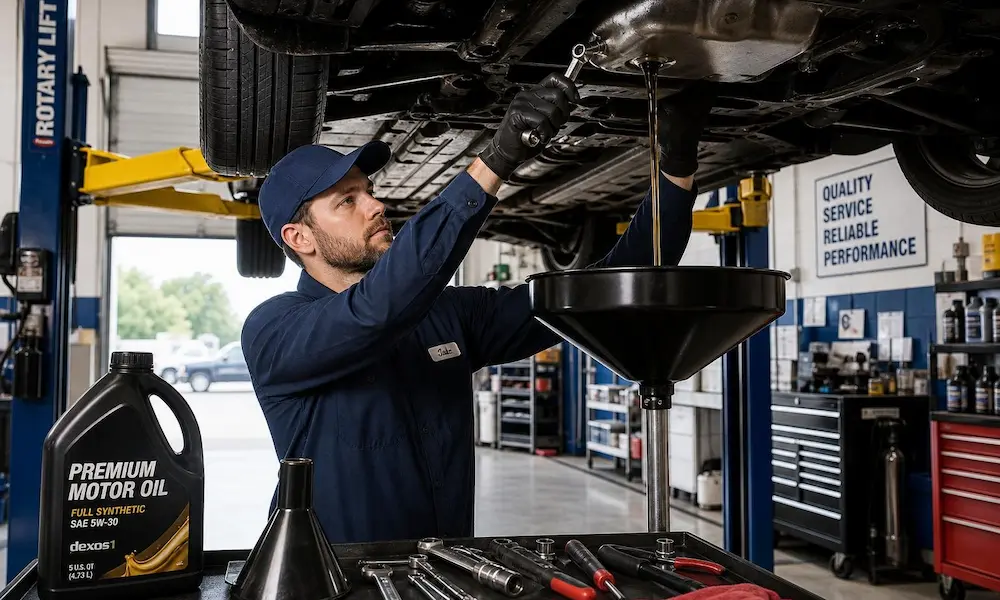
| 10,000 miles | Oil change, inspection | $400–$600 |
| 20,000 miles | Intermediate service, brake flush | $900–$1,400 |
| 40,000 miles | Major service, filters, spark plugs | $2,000–$3,000 |
| Brake service | Rotors and pads, front and rear | $2,500–$4,500 |
Brakes are a sore spot. The heavy Cayenne chews through rotors and pads quickly — sometimes inside 15,000–20,000 miles in spirited driving.
Switching to an independent Porsche specialist after the warranty period ends saves significant money. They often do component-level repairs that dealers won’t touch — replacing just a failed logic board instead of the whole battery, or rebuilding a driveshaft mount instead of ordering a new shaft.
How to Protect Yourself Before Buying
Best years to buy: The 958.2 (2015–2018) base V6 remains the most reliable used Cayenne on the market. Good balance of modern features and proven mechanicals.
Be cautious with: 2019–2021 9Y0 models without a CPO warranty or documented water pump inspection.
Three things that extend Cayenne reliability:
- Change oil every 5,000 miles — not the 10,000-mile Porsche recommendation. It prevents carbon buildup and timing chain wear
- Change transfer case fluid every 20,000 miles — non-negotiable for 958-gen owners
- Flush coolant regularly — helps the water pump seals last longer on 9Y0 models
Buy CPO when possible. The Porsche Approved CPO program includes a 111-point inspection and a two-year unlimited-mileage warranty with zero deductible. Given that one water pump failure on a 9Y0 can run $7,000, the CPO premium pays for itself fast.
The Porsche Cayenne rewards owners who maintain it properly and punishes those who don’t. It’s not a set-it-and-forget-it SUV — but for drivers who accept that, it delivers a genuinely excellent experience that most luxury SUVs can’t match.