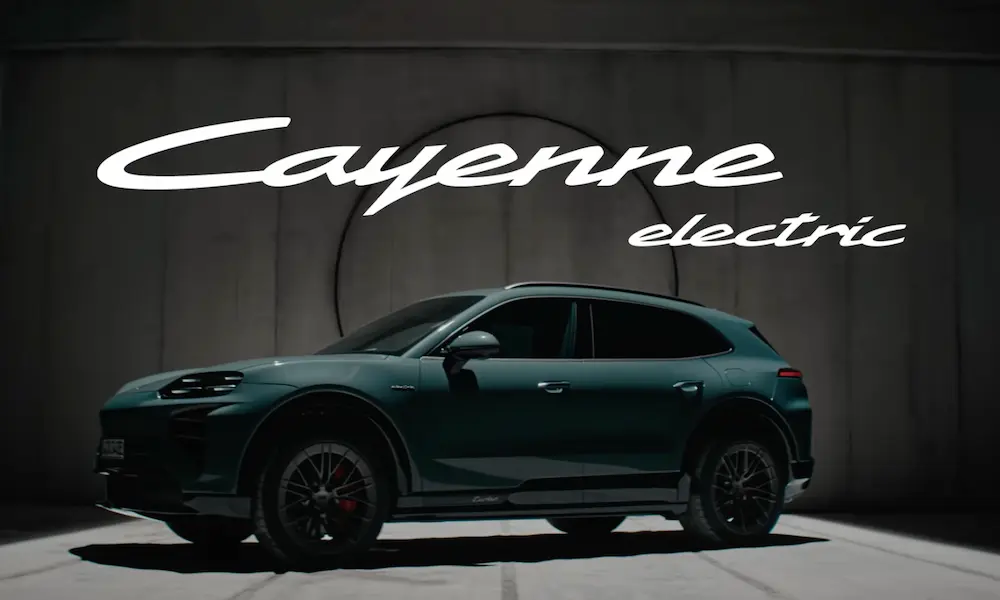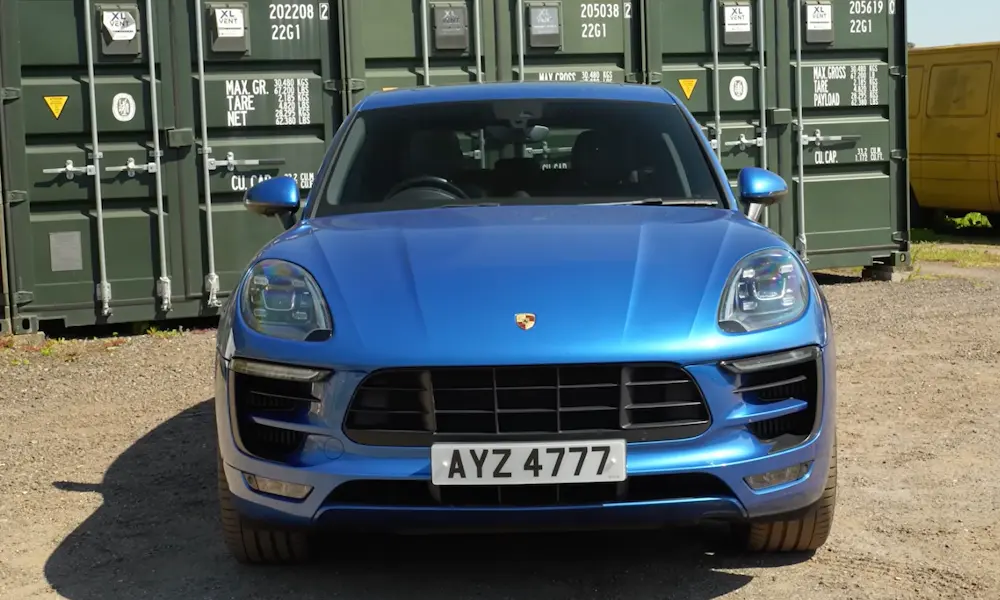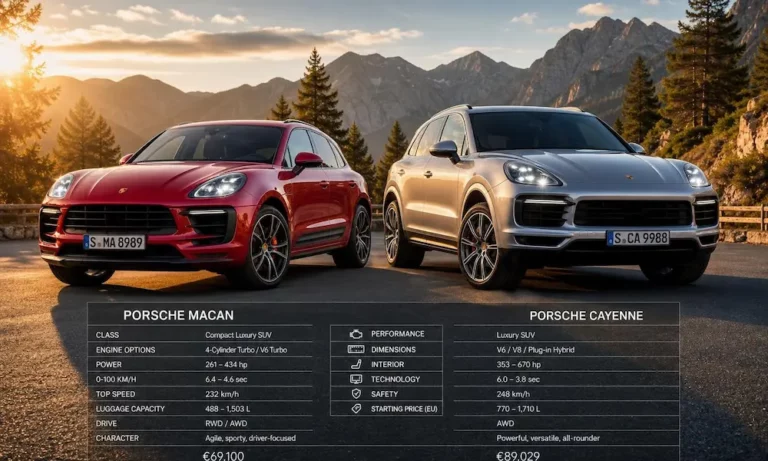
Stuck choosing between the Porsche Macan vs Cayenne? You’re facing one of the best problems in the car world. Both are brilliant. Both wear the crest proudly. But they’re built for very different lives. This guide cuts through the specs and gets straight to what matters for your daily reality. Stick around — the answer might surprise you.
They’re Both Porsche SUVs. So What’s Actually Different?
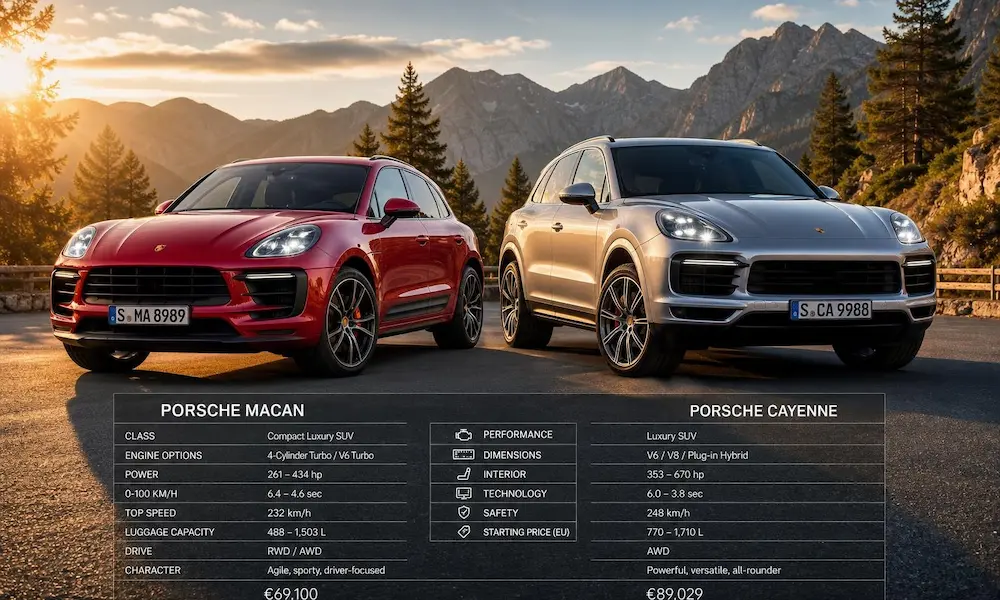
Think of it this way: the Macan is the athlete, and the Cayenne is the grand tourer. One dances through city streets. The other eats up highways and hauls a boat on weekends.
The Cayenne launched in 2002 and basically saved Porsche’s finances. The Macan arrived in 2013 as the sportier, more nimble little sibling. Together, they now dominate Porsche’s sales — especially here in the US, which recently became Porsche’s largest global market.
Here’s the thing though: in 2025 and 2026, both cars are changing fast. There’s now a fully electric Macan, a new hybrid Cayenne lineup, and a gas Macan production run that’s winding down. Choosing between them just got more interesting.
Size: Bigger Than You Think, But Not As Different As You’d Expect
The Cayenne is bigger — that’s obvious. But the numbers tell a more nuanced story.
| Dimension | Macan (Gas) | Macan Electric | Cayenne |
|---|---|---|---|
| Length | 186.1 in | 188.3 in | 194.1 in |
| Wheelbase | 110.5 in | 113.9 in | 114.0 in |
| Height | 63.8 in | 63.9 in | 66.9 in |
| Width (mirrors folded) | 75.7 in | 76.3 in | 78.1 in |
| Turning circle | 39.4 ft | 39.7 ft | 40.0 ft |
The Cayenne runs about 8 inches longer than the gas Macan. That matters in tight city parking garages. But here’s the interesting twist — the new Macan Electric has almost the exact same wheelbase as the Cayenne: 113.9 vs 114.0 inches. Wheels pushed further to the corners means more interior space, without the bulkier exterior footprint.
Passenger Space: Four Adults vs Five Adults
The Cayenne seats five adults comfortably. Full stop.
The Macan seats four adults comfortably. That middle rear seat is better suited for kids or the occasional short trip. Porsche themselves describe it as a “four-plus-one” situation. A 6-foot passenger can squeeze behind a 6-foot driver — but headroom and legroom are near their limits.
The Cayenne’s rear seats slide and recline. That’s a genuine advantage for families or anyone doing long-distance travel with adults in the back.
Cargo Space: Not Even Close
| Vehicle | Seats Up | Max Volume |
|---|---|---|
| Macan (Gas) | 17.2 cu ft | 53.1 cu ft |
| Macan Electric | 18.0 cu ft | 47.6 cu ft |
| Cayenne (SUV) | 27.3 cu ft | 60.3 cu ft |
| Cayenne Coupe | 20.9 cu ft | 53.0 cu ft |
| Cayenne E-Hybrid trims | 22.1 cu ft | 55.2 cu ft |
The Cayenne SUV’s 27.3 cubic feet behind the rear seats crushes the Macan’s 17.2. That’s the difference between fitting three large suitcases or fitting one. Worth knowing before you head to the airport.
One handy bonus on the Macan Electric: it has a small front trunk with roughly 3 cubic feet for charging cables or small grocery bags. Small win, but a win.
Performance: Both Are Fast. One Is Ferocious.
Macan: Built to Dance
The gas Macan uses a 7-speed PDK dual-clutch transmission — the same type of gearbox you’ll find in a 911. Shifts are nearly instant. The car feels alive.
- Macan / Macan T: 2.0L turbo four-cylinder, 261 hp
- Macan S: 2.9L twin-turbo V6, 375 hp
- Macan GTS: 2.9L twin-turbo V6, 434 hp — 0-60 in 4.3 seconds
The Macan’s rear-biased all-wheel drive and shorter wheelbase let it corner in a way that genuinely surprises people. It’s an SUV that doesn’t drive like one.
Cayenne: Muscular Versatility
The Cayenne uses an 8-speed Tiptronic S torque-converter automatic. It’s smoother at low speeds and much better suited for towing heavy loads — something the PDK struggles with.
- Base Cayenne: 3.0L turbo V6, 348 hp
- Cayenne S: 4.0L twin-turbo V8, 468 hp
- Cayenne GTS: 4.0L twin-turbo V8, 493 hp — borrows chassis parts from the Turbo GT
Electric Performance: The Tables Are Turning
| Model | Powertrain | Horsepower | 0-60 MPH |
|---|---|---|---|
| Macan Electric (base) | Single motor RWD | 355 hp | 5.4 sec |
| Macan 4 Electric | Dual motor AWD | 402 hp | 4.9 sec |
| Macan Turbo Electric | Dual motor AWD | 630 hp | 3.1 sec |
| Cayenne E-Hybrid | V6 + motor | 463 hp | 4.6 sec |
| Cayenne S E-Hybrid | V6 + motor | 512 hp | 4.4 sec |
| Cayenne Turbo E-Hybrid | V8 + motor | 729 hp | 3.5 sec |
The Macan Turbo Electric hits 60 mph in 3.1 seconds. That’s faster than most gas sports cars. And the Cayenne Turbo E-Hybrid’s 729 combined horsepower makes it the most powerful production SUV Porsche has ever built.
Towing and Off-Road: Only One of These Hauls a Boat
Towing Capacity
The Cayenne tows up to 7,716 pounds across almost every trim. That covers large boats, horse trailers, and heavy-duty travel trailers without breaking a sweat.
The gas Macan tops out at just 2,400 pounds on V6 trims. The PDK transmission doesn’t handle heavy sustained towing well — it overheats under load. However, the Macan Electric jumps to 5,500 pounds, making it a real option for owners who tow jet skis or smaller utility trailers.
Off-Road Geometry
| Metric | Macan (Gas) | Cayenne |
|---|---|---|
| Ground clearance | ~7.0–8.0 in | ~8.3–8.4 in |
| Approach angle | 16.8° | 25.2° |
| Departure angle | 23.4° | 22.1° |
| Ramp angle | 18.0° | 18.9° |
The Cayenne’s optional Off-Road Package adds underbody protection, reinforced tow hooks, and a tilt/gradient display. Its adaptive air suspension gives it over 9 inches of clearance in off-road mode with a 25.2-degree approach angle. It can genuinely go places.
The Macan handles rain, snow, and gravel confidently. But it’s an all-road vehicle, not an off-road one. If mountain trails are on your agenda, the Cayenne wins.
Tech and Interior: Both Are Impressive, for Different Reasons
Cayenne’s New Digital Cockpit
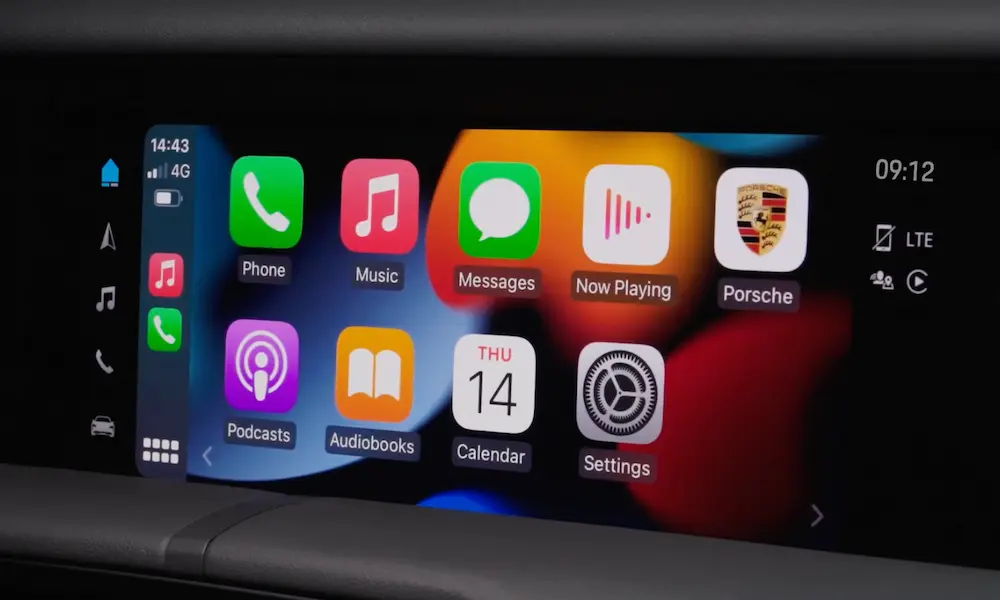
The 2025 Cayenne goes nearly button-free inside. Haptic feedback panels replace physical switches on the center console, and the gear selector moves up to the dashboard. A 12.6-inch curved digital cluster and 12.3-inch central touchscreen dominate the view. There’s also an optional 10.9-inch passenger display with a privacy filter — your co-pilot can watch a film while you focus on the road.
Macan Electric Leaps Ahead
The gas Macan keeps a more traditional feel with its 10.9-inch PCM touchscreen and conventional instrument cluster. But the Macan Electric gets the full Taycan-inspired curved display plus an augmented reality head-up display that projects navigation arrows onto the road ahead — literally onto the road, 30 feet out.
The 2026 Macan Electric also adds Trained Parking, which memorizes your complex home garage routine and repeats it automatically. The Porsche Digital Key lets you share access with up to seven people via your iPhone or Apple Watch.
Both vehicles support the Porsche App Center for third-party downloads and Dolby Atmos audio through Bose or Burmester sound systems.
Safety: The Cayenne Offers More on the Highway
The Cayenne packs 10 airbags including knee airbags for both front occupants. The Macan carries 8. Both feature automated emergency braking, lane departure warning, and ParkAssist as standard.
Where the Cayenne pulls ahead is on long-distance features. It’s available with Night Vision Assist — infrared cameras that detect pedestrians and animals well beyond headlight range. Porsche InnoDrive with adaptive cruise and lane-keeping assist also sees much higher take-up rates on Cayennes, reducing fatigue on American highway stretches.
The Macan focuses more on urban safety. Blind-spot monitoring, surround-view cameras, and the electric model’s Reversing Assist — which backs the car out along a path it previously drove forward for up to 160 feet — are genuinely useful in tight city environments.
Pricing: What Does Each SUV Actually Cost?
| Macan Trim | Starting MSRP | Cayenne Trim | Starting MSRP |
|---|---|---|---|
| Macan (Gas) | $63,100 | Cayenne Base | $84,700 |
| Macan T | $68,700 | Cayenne E-Hybrid | $97,200 |
| Macan S | $76,200 | Cayenne S | $101,600 |
| Macan GTS | $91,000 | Cayenne S E-Hybrid | $105,100 |
| Macan Electric (Base) | $62,900 | Cayenne GTS | $124,900 |
| Macan Turbo Electric | $105,300 | Cayenne Turbo E-Hybrid | $157,000 |
Add $1,995 processing and handling for all US deliveries.
The Macan Electric starts at $62,900 — actually a touch lower than the gas Macan. That’s intentional. Porsche wants US buyers to at least consider the electric version.
Both vehicles carry Porsche’s standard 4-year/50,000-mile warranty. The high-voltage batteries on electric and hybrid models get 8 years/100,000 miles of coverage.
A Word on Long-Term Value
Gas Porsche SUVs hold their value exceptionally well. If you plan to keep your vehicle fewer than five years and resale matters, that’s worth factoring in. The Macan Electric faces more depreciation uncertainty as the EV market matures — though its performance specs suggest strong long-term appeal.
Also worth knowing: Porsche is stockpiling gas Macans through summer 2026 to keep US inventory healthy while a gas-powered next-generation model arrives later in the decade. So if you want the classic ICE Macan, there’s still a window.
So Which One Should You Actually Buy?
Choose the Macan if:
- You drive mostly in the city or suburbs
- You prioritize driving fun over cargo room
- You want the most accessible entry point to the Porsche brand
- You’re curious about going electric without the Taycan price tag
Choose the Cayenne if:
- You regularly haul five adults — all of them tall
- You need to tow more than 2,400 pounds
- Long highway trips are a regular part of your life
- You want the most powerful, most capable Porsche SUV money can buy
The Macan vs Cayenne decision really comes down to this: do you want a sports car that happens to carry luggage, or a luxury hauler that happens to corner brilliantly? Both are right answers. They’re just right for different people.