Trying to pick the best year for a Chevy Impala is like trying to pick your favorite song — the answer depends entirely on what you’re after. Collector? Daily driver? Weekend cruiser? Each era has a standout year. This guide cuts through six decades of Impala history and tells you exactly which year wins for your situation. Stick around — the answer might surprise you.
Why “Best Year” Depends on What You Want
The Chevy Impala ran from 1958 to 2020. That’s over 60 years of redesigns, engine swaps, safety upgrades, and cultural moments. No single year is perfect for everyone.
Here’s what each “best year” is actually best for:
- Collectors and historians → 1958 or 1964
- Performance enthusiasts → 1964 or 1996
- Lowrider and custom builds → 1964
- Reliable used car buyers → 2020 (or 2013 on a budget)
- Muscle car fans → 1965
Keep those categories in mind as we go through each era.
1958: The Year That Started It All
The 1958 Impala debuted as GM’s 50th anniversary flagship, and it set the tone for everything that followed. Chevy engineers built it on an elongated “X” frame chassis that dropped the center of gravity and gave the car its wide, planted stance.
Visually, the triple taillight configuration on each side became the Impala’s calling card. Other Chevy models — the Biscayne and Bel Air — only got one or two taillights. Three lights meant you were in the flagship.
Despite launching during a recession, the 1958 model helped Chevrolet reclaim the top production spot in the U.S. For pure aesthetic innovation and historical significance, no year tops the original.
1958 Quick Specs
| Component | Detail |
|---|---|
| Chassis | Elongated “X” Frame |
| Taillights | Triple (each side) |
| Base Engine | 235 cu-in Inline-Six |
| Performance Engine | 348 cu-in Turbo-Thrust V8 |
| Transmission | 3-speed Manual or Powerglide Auto |
1959–1960: Fins, Style, and Standing Alone
In 1959, the Impala became its own standalone series instead of just a trim level. Chevy added four-door variants and a station wagon.
The 1959 model is famous for its “batwing” tail fins — wild, outward-pointing fins with teardrop taillights that existed for exactly one year. Love them or hate them, they’re unforgettable.
The 1960 model toned things down. It brought back the triple round taillights and added comfort features like cruise control and a six-way power seat. If the 1959 is the showboat, the 1960 is the more polished sibling. Both have devoted fans, but the 1960 is considered the more refined example of the generation.
1964: The Most Famous Impala Ever Built
If you ask any car enthusiast, lowrider builder, or hip-hop historian which year is the best year for Chevy Impala, most will say 1964 without hesitation.
Here’s why it earned that reputation:
- The boxier body style gave it clean, flat panels — perfect for paint and custom work
- The X-frame chassis is exceptionally flexible for modifications
- The SS models with the 425-horsepower 409 V8 ran 0-60 in 6.3 seconds and topped 140 mph
- It became a cultural icon through West Coast lowrider culture and hip-hop
The 1961 model introduced the “Bubble Top” roofline and the first SS badge. But the 1964 Impala refined the formula to its peak.
1961 vs. 1964 Performance Comparison
| Metric | 1961 SS 409 | 1964 SS 409 |
|---|---|---|
| Horsepower | 360 hp | 425 hp |
| 0-60 MPH | N/A | 6.3 seconds |
| Top Speed | N/A | 140 mph |
| Cultural Status | “409” Beach Boys song | Lowrider and rap icon |
A clean 1964 SS 409 today fetches $60,000 to $100,000 at auction, and that number keeps climbing.
1965: The Year Chevy Broke a Sales Record That Still Stands
The 1965 Impala sold over 1 million units in a single year — a record no single car line in the U.S. has matched since World War II.
The reason? Chevy rebuilt the car from the ground up. Out went the aging X-frame. In came a full-perimeter “Girder-Guard” frame and a four-link coil-sprung rear suspension. The result was a smoother ride, better handling, and a safer passenger compartment in a crash.
Stylistically, the 1965 moved to a “Coke bottle” silhouette — curvier, more sculpted, with a fastback roofline. It looked like the future.
The timing also landed right between two engines. Early 1965 cars got the 409 V8. Mid-year cars transitioned to the new Mark IV 396 big block, which delivered up to 425 horsepower.
For structural integrity, sales history, and raw desirability, 1965 is the best year for classic Impala buyers who want the whole package.
1996 Impala SS: The Best Modern Classic
After a nine-year break, the Impala came back in 1994 as the Impala SS — a performance sedan built on a police-spec chassis. It had reinforced suspension, four-wheel disc brakes, and an LT1 V8 with 260 hp and 330 lb-ft of torque.
But the 1996 model is the one you want.
Chevy fixed two big complaints from the 1994 and 1995 versions:
- The gear shifter moved from the steering column to a center console
- The digital speedometer got replaced with analog gauges and a tachometer
Those two changes made the 1996 feel like a proper performance car instead of a police cruiser with a blacked-out grille. Collectors noticed. CarBuzz reports that unmodified low-mileage 1996 models now command a 15–25% premium over modified examples.
1994–1996 Impala SS at a Glance
| Year | Units Built | Notable Feature | Current Value |
|---|---|---|---|
| 1994 | 6,303 | Black only, column shifter | ~$27,500 |
| 1995 | 21,434 | New colors added | ~$27,500 |
| 1996 | 41,941 | Floor shifter, analog gauges | Up to $60,000 |
The 1996 Impala SS appreciates roughly 8% annually, making it one of the smarter buys in the modern collector car market.
2000–2013: Years to Avoid (and One to Buy)
The front-wheel-drive era is the roughest chapter in Impala history. The 2006 model earned a “clunker” reputation from consumer advocacy groups due to widespread transmission failures. The 2008 had 805 NHTSA complaints tied to excessive oil consumption.
The early 2000s models weren’t much better. Intake manifold gasket failures caused coolant leaks and overheating. The Passlock security system created chronic no-start issues.
The 2013 model is the exception. By then, Chevy had switched to the more reliable 3.6-liter LFX V6 paired with a six-speed automatic. The 2013 logged just 267 NHTSA complaints compared to 805 for the 2008. If you need a budget-friendly used Impala, 2013 is your year.
Ninth Gen Reliability by Year
| Year | NHTSA Complaints | Main Issue | Verdict |
|---|---|---|---|
| 2006 | 540 | Transmission failure | Avoid |
| 2008 | 805 | Oil consumption | Avoid |
| 2011 | 504 | Transmission shifting | Below average |
| 2013 | 267 | Minor electrical | Good |
2014–2020: The Impala’s Best Modern Era
The 2014 Impala scored a 95 out of 100 from Consumer Reports — the highest score ever given to a domestic sedan at the time. It shared its Epsilon II platform with the Cadillac XTS and brought genuine luxury to the Chevy lineup.
But the 2014 had first-year quirks: infotainment glitches and occasional steering hiccups. Chevy ironed those out over the following years.
The 2018–2020 models are the sweet spot. They added standard Apple CarPlay and Android Auto. Mechanical complaints dropped sharply. The 2020 model — the final year — had zero reported recalls and came standard with the 305-horsepower V6.
Tenth Gen Safety and Quality Summary
| Year | Consumer Reports Score | Recalls | Best Feature |
|---|---|---|---|
| 2014 | 95/100 | 8+ | First domestic #1 ranked sedan |
| 2015 | High | 4 | Refined build quality |
| 2020 | High | 0 | Standard 305 hp V6, zero recalls |
The NHTSA gave the tenth-gen Impalas consistent five-star overall safety ratings. For families and daily drivers, this generation is the safest the Impala ever got.
The 3.6L V6: What You Need to Know Before Buying
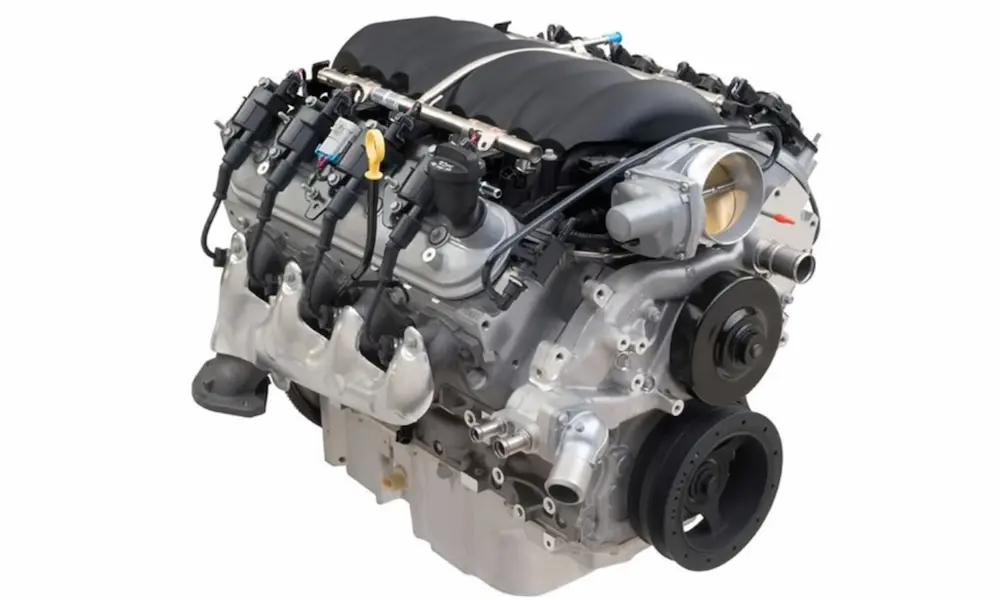
Most 2012–2020 Impalas use the 3.6-liter LFX V6 from GM’s High Feature engine family. It delivers 305 hp, hits 0-60 in the low 6-second range, and gets 30-plus MPG on the highway.
It’s a solid engine — but it has one known weakness. Mechanics on Reddit’s AskAMechanic forum are consistent: skip oil changes or use conventional oil instead of full-synthetic, and the timing chain wears out prematurely. That repair gets expensive fast.
The fix is simple: stick to full-synthetic oil and change it on schedule. Do that, and the LFX is one of the more durable V6 engines GM ever built.
Best Year for Chevy Impala: Quick-Reference Guide
| Your Goal | Best Year | Why |
|---|---|---|
| Collector / historian | 1958 | The original; triple taillights, “X” frame, GM anniversary car |
| Lowrider / custom build | 1964 | Flat panels, flexible chassis, cultural icon |
| Classic performance | 1965 | Million-unit sales record, perimeter frame, big block engines |
| Modern classic investment | 1996 | Fixed interior flaws, floor shifter, LT1 V8, rising values |
| Budget used car | 2013 | Reliable LFX V6, lowest complaints in 9th gen |
| Modern daily driver | 2020 | Zero recalls, standard 305 hp V6, Apple CarPlay, five-star safety |
Collector Values: Where the Money Is Heading
If you’re buying with one eye on resale, here’s where values sit today:
| Model | Current Value | Trend |
|---|---|---|
| 1958 Impala | $100,000+ | Stable / rising |
| 1964 SS 409 | $60,000–$100,000 | Rising (high demand) |
| 1965 Convertible | $40,000–$77,000 | Stable |
| 1996 Impala SS | $25,000–$60,000 | Rising ~8% annually |
| 2020 Premier | $22,000–$31,000 | Stable (final year) |
The 1964 and 1996 models show the strongest upward momentum right now. The 1996 Impala SS in particular is moving fast — stock, unmolested examples draw significantly more than modified versions.
Your Shortlist, Simplified
The best year for a Chevy Impala isn’t one answer. It’s five:
- 1958 if you want the car that started it all
- 1964 if you want the icon with the most cultural weight
- 1965 if you want the best-selling, best-engineered classic
- 1996 if you want a rising collector car you can actually drive
- 2020 if you want the most reliable, safest, and most modern Impala ever made
The Impala is gone now — Chevy discontinued it after the 2020 model year. That makes every one of these standout years a little more significant. Whether you’re hunting a classic or shopping for a used daily driver, you now know exactly which years are worth your time — and which ones to skip.