If you’re eyeing Sentury tires because of their rock-bottom price, you need to read this first. The truth about these budget tires might save you money—or prevent a dangerous wet-weather situation. Let’s cut through the marketing and get to what actually matters: your safety and your wallet.
What You Need to Know About Sentury Tires Upfront
Sentury tires are made by Qingdao Sentury Tire Co., Ltd., a Chinese company that’s been around since 2009. The brand positions itself squarely in the budget tier, with prices ranging from $51 to $86 per tire—making them one of the cheapest options at Discount Tire, their exclusive North American retailer.
Here’s the first red flag: Sentury manufactures tires for the Boeing 737’s landing gear. Their marketing team loves this fact. It’s plastered all over their website and promotional materials. But here’s what they won’t tell you: aircraft tires and passenger car tires have absolutely nothing in common. Aircraft tires are designed for extreme loads and brief, high-speed rotations. Your car tire needs to handle wet roads, last 40,000+ miles, and keep you safe in rain and snow. The Boeing connection is marketing smoke and mirrors—it tells you nothing about whether these tires will keep you safe on a rainy Tuesday commute.
The company operates factories in Thailand, China, and Morocco. The tires sold in the US come from their Thailand facility, which they proudly call a “4.0 Smart Factory.” This is a deliberate move to distance the brand from negative stereotypes about Chinese-made tires.
The House Brand Problem You Need to Understand
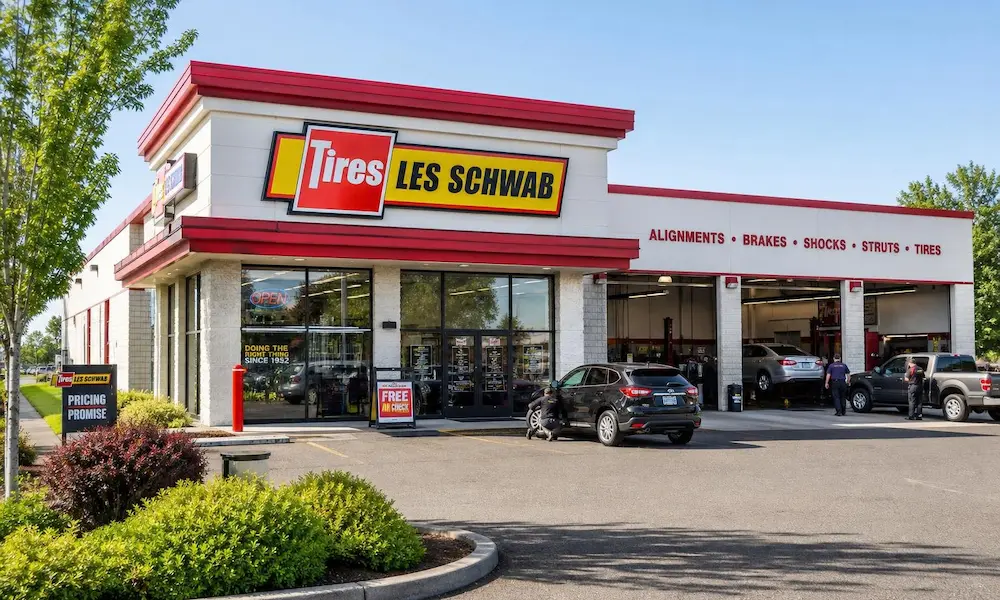
Sentury tires are sold exclusively at Discount Tire and America’s Tire stores. This makes them a “house brand”—similar to how grocery stores have their own private-label products.
Here’s where things get weird. On Discount Tire’s website, Sentury models like the Touring boast near-perfect ratings: 5.0 out of 5.0 for dry traction and ride comfort, and 4.9 out of 5.0 for wet traction. Thousands of reviews paint these tires as virtually flawless.
But when you look at independent forums like Reddit, you get a completely different story. Owners describe them as “downright SCARY in the rain” and report tires “rated for 40k miles” going “bald in under 10k.”
Even stranger? Multiple buyers report that when they went to Discount Tire to actually purchase these highly-rated tires, the sales staff tried to talk them out of it. One user said, “Guy at Discount Tire tried to talk me out of it but I stayed strong.” Another noted, “Two sales people tried hard to upsell me to more expensive tires.”
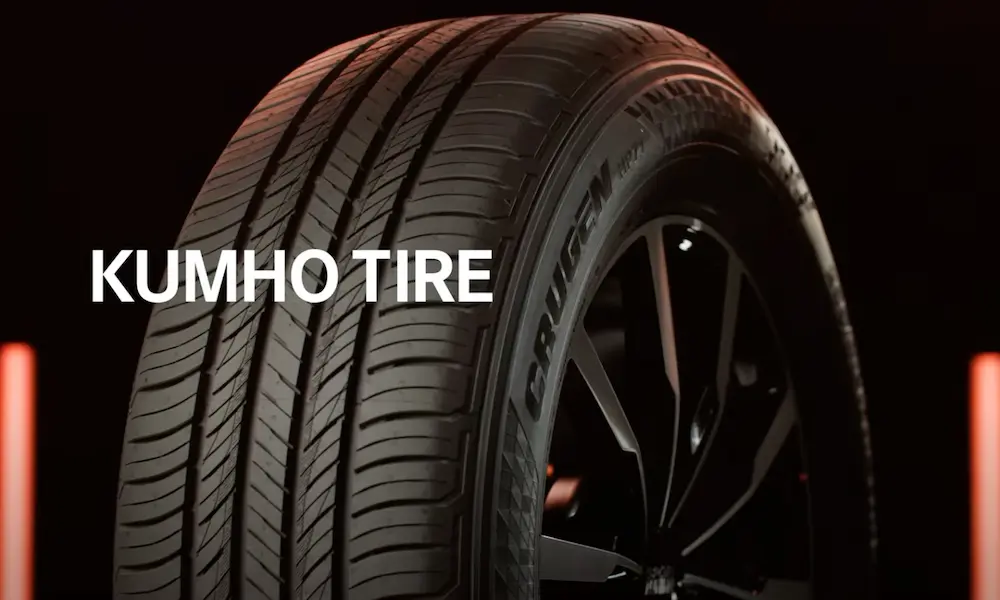
Think about that. In retail, house brands typically have the highest profit margins. Sales staff should be pushing them hard. When experienced tire techs are doing the opposite—actively discouraging you from buying their own store’s brand—that’s a massive warning sign. These employees deal with warranty claims and angry customers. They’d rather sell you a smaller-margin tire from Kumho or General and keep you happy than deal with you returning in 10,000 miles with dangerous, worn-out rubber.
How Sentury Tires Actually Perform in Real Conditions
Dry Weather Performance: The One Thing They Get Right
In ideal conditions, Sentury tires are surprisingly decent for the price. Multiple owners report being impressed with the quiet, smooth ride when the tires are new. One driver noted, “Road noise seem at or maybe just below the stock tires, much better than I was expecting.”
Dry handling gets consistent praise too. Users describe them as “decent tire in the dry” and “very grippy tire in dry.” This positive first impression—a quiet, comfortable, cheap tire—is exactly what drives those glowing post-purchase reviews on Discount Tire’s website.
But here’s the catch: nobody gets into accidents on sunny days with perfect traction. The problems show up when conditions aren’t ideal.
Wet Weather Performance: The Critical Safety Failure
This is where Sentury tires fail catastrophically, and it’s the most important part of this entire analysis.
The manufacturer claims “strong grip in wet weather conditions” and touts “four wide longitudinal grooves that rapidly repel water.” The Discount Tire ratings show 4.9 out of 5.0 for wet traction. The government-mandated UTQG traction rating is an “A,” which sounds reassuring.
Here’s what actual owners say:
- “They were downright SCARY in the rain”
- “Terrible in wet“
- “please if you ever drive in rain don’t get the sentury, they are horrrible in the rain“
- “It will not give you great traction, grip, or handling in the wet”
A driver in Seattle—a city famous for rain—was second-guessing their purchase: “I don’t want to be in an accident due to these tires.”
The disconnect is massive. The “A” traction rating only measures straight-line braking on wet pavement. It says nothing about cornering grip or hydroplaning resistance—the things that actually cause you to lose control in the rain.
If you drive in any climate with regular rain, these tires represent a genuine safety hazard.
Winter Performance: Don’t Even Think About It
Sentury’s marketing carefully uses the phrase “grip in light snow“—notice that qualifier. These tires don’t have the Three-Peak Mountain Snowflake symbol that indicates genuine winter capability.
Owner reports confirm the marketing is optimistic at best. Users describe the Touring as “a bit slippery with icy/thick snow” and note “They will not perform as well in snow.” One driver reported they “made it” through a snowstorm, but survival isn’t exactly a ringing endorsement.
If you live anywhere with real winter weather—Chicago, Kansas, New England, the upper Midwest—these tires are unsuitable and unsafe.
The Tread Life Lottery: Will You Get 40,000 Miles or 10,000?
Here’s where Sentury’s quality control problem becomes obvious. The durability reports are wildly inconsistent—like a coin flip.
The Good Batch:
Some users report excellent longevity that meets or exceeds the 40,000-mile warranty:
- “My Sentury Touring tires lasted about 4 years of daily driving and road trips”
- “I’m sure I put over 40K on them. Very impressed with both sets I’ve purchased”
- “Have 50k on a set on my commuter sedan. They’re rated for 40k and are still going”
The Bad Batch:
An equally loud group reports catastrophic premature wear:
- “The Sentury UHP tires I got were rated for 40k miles but would bald in under 10k“
- One user had Discount Tire replace them in pairs FIVE times before getting a refund
- “I just bought 4 new tires about 3 months ago and they said they have already worn down to 7/32″—that’s a 30-40% tread loss in one quarter
This inconsistency points to serious manufacturing or quality control problems. Buying Sentury tires is a gamble on which batch you’ll receive.
The Warranty Trap You Should Know About
The 40,000-mile warranty sounds like protection against these “bad batch” failures. But there’s a catch.
To file a treadwear warranty claim, Sentury’s own warranty form requires you to upload “proof of tire rotation.” For the price-conscious buyer who just spent $63 per tire, this creates a problem:
- You’re unlikely to religiously pay for and document rotations every 5,000-7,000 miles
- When your tire fails at 15,000 miles due to compound issues, your claim gets denied for “uneven wear” or “failure to provide rotation records”
- The warranty becomes a marketing tool rather than actual protection
The user who got five free replacements was almost certainly protected by Discount Tire’s separate, at-cost “Certificates” road hazard insurance—not the manufacturer warranty. If you decline that extra insurance and rely on Sentury’s warranty alone, you’re likely on your own when things go wrong.
The Math That Exposes the “False Economy”
Sentury’s entire value proposition is the low purchase price. You see a tire for $70 versus a Kumho for $95, and you think you’re saving $100 on a full set.
You’re not. You’re actually spending more.
The real measure of value is cost per mile of warranted life. When you do the math, Sentury is one of the most expensive tires to own.
Cost Comparison: Sentury vs. Mid-Range Competitors
Sentury Touring (Budget):
- Price: $70/tire
- Warranty: 40,000 miles
- Cost per 10,000 miles: $17.50
Kumho Solus TA31 (Mid-Range):
- Price: $95/tire
- Warranty: 60,000 miles
- Cost per 10,000 miles: $15.83
- The Kumho is 9.8% cheaper to own while lasting 50% longer
General Altimax RT45 (Mid-Range):
- Price: $100/tire
- Warranty: 75,000 miles
- Cost per 10,000 miles: $13.33
- The General is 23.8% cheaper to own while lasting 87.5% longer
Hankook Kinergy PT H737 (Upper Mid-Range):
- Price: $105/tire
- Warranty: 90,000 miles
- Cost per 10,000 miles: $11.67
- The Hankook is 33.3% cheaper to own while lasting 125% longer
This analysis doesn’t even account for the “bad batch” risk, where your Sentury tires might only last 10,000 miles—making them catastrophically expensive on a per-mile basis.
Reddit users who learned this lesson the hard way put it best: “it actually costs you more money” and “Buying a $300 set twice cost more than a $500 set once.”
The math is brutal and definitive: spending an extra $20-$30 per tire on a General or Hankook isn’t splurging—it’s the smarter financial decision.
Breaking Down the UTQG Rating Discrepancy
Both Sentury models carry a UTQG treadwear rating of 500. In the tire industry, a 500 rating typically correlates with 50,000-60,000 miles of expected life.
Yet Sentury only warranties these tires for 40,000 miles.
When a manufacturer’s warranty is significantly lower than what their own treadwear rating suggests, it signals internal doubt. Sentury doesn’t believe their own tires will consistently reach that 500-rating performance in real-world conditions.
The warranty number—40,000 miles—is what you should trust as the absolute maximum, and even that’s a gamble based on owner reports.
Who Sentury Tires Might Work For (The Only Exception)
There’s exactly one scenario where Sentury tires make logical sense:
The Low-Mileage, Dry-Climate Driver:
- You drive under 8,000 miles per year
- Your car is a secondary vehicle for short trips
- You live in a consistently dry climate (Arizona, inland Southern California, parts of Texas)
- You understand the “new is better than bald” principle
For this specific user, the tires will likely “age out” from rubber degradation (5-6 years) before the tread wears out. The low annual mileage minimizes exposure to the durability lottery. The dry climate minimizes exposure to the dangerous wet-weather performance.
But even this user needs to understand: in an unexpected rainstorm or a road trip to a wetter climate, these tires will perform terribly.
Who Should Absolutely Avoid Sentury Tires
Daily Commuters and High-Mileage Drivers:
If you drive 12,000-20,000+ miles per year, you’re maximally exposed to both critical failures:
- You’ll inevitably drive in rain, where peers describe these tires as “scary”
- Your high mileage makes you extremely likely to hit the “bad batch” lottery and face premature wear
Anyone in Wet or Snowy Climates:
If you live in Seattle, Florida, the Southeast, Northeast, Midwest, or anywhere with regular rain or any snow, these tires are unsafe. You’re putting yourself and your passengers at risk.
True Value Shoppers:
If your goal is the lowest total cost of ownership—regardless of brand—the math proves Sentury is a false economy. Spending $20-$30 more per tire on a General Altimax RT45 or Hankook Kinergy PT H737 delivers dramatically better value, safety, and longevity.
The Missing Professional Testing Should Concern You
Major tire authorities like Car and Driver, MotorTrend, and Tire Rack publish extensive head-to-head tests of tires across all price ranges. None have tested Sentury.
This isn’t because they ignore budget brands. Tire Rack’s tests include other entry-level tires like the Fuzion UHP Sport and Sumitomo HTR. The absence of Sentury data is notable.
The reason? Tire Rack is a direct competitor to Discount Tire, Sentury’s exclusive retailer. Tire Rack has zero incentive to test, analyze, and generate data for a tire it can’t sell—that would be free marketing for a competitor.
This creates an “information hazard.” The only retailer (Discount Tire) is also the sole distributor, creating a conflict of interest. Discount Tire’s proprietary “Treadwell” rating system can’t be cross-referenced against independent sources.
You’re left choosing between the seller’s biased ratings and unverified anecdotal reports. That’s not a position you want to be in when selecting a safety-critical product.
The Final Verdict on Sentury Tires
So, are Sentury tires good?
If “good” means “the absolute cheapest tire you can buy right now,” then yes.
If “good” means “safe, reliable, and financially smart,” then absolutely not.
Sentury tires fail where it matters most: wet-weather safety and consistent durability. The dangerously poor rain performance isn’t a minor inconvenience—it’s a safety hazard that could cause an accident. The durability lottery means you might get 40,000 miles or you might get 10,000, with no way to predict which.
The “savings” are illusory. When you factor in the shorter warranty life and premature wear risk, you’re paying more per mile than reputable mid-range competitors. The General Altimax RT45 and Hankook Kinergy PT H737 cost 24-33% less to own while delivering vastly superior safety and longevity.
The fact that Discount Tire’s own sales staff actively discourage customers from buying their house brand tells you everything. These are the people who deal with the warranty claims and the unhappy customers. Their behavior reveals the truth behind the marketing.
For the vast majority of drivers—anyone who encounters rain, drives significant mileage, or values safety and true value—Sentury tires are not good. They’re a false economy wrapped in misleading marketing claims.
Spend the extra $20-$30 per tire. Your safety and your wallet will thank you.