Shopping for budget tires? You’ve probably seen Starfire on the rack at your local shop. They’re cheap, they’re backed by Cooper (now owned by Goodyear), and they promise all-season performance without the premium price tag. But here’s the thing: cheap tires can cost you way more than money. This post breaks down whether Starfire tires are actually worth it—or if you’re better off spending a few extra bucks on something safer.
What Are Starfire Tires?
Starfire is Cooper Tire’s budget brand. Cooper’s been around for over 100 years, and Goodyear bought them in 2021. So on paper, you’re getting “American expertise” at bargain prices.
That’s the pitch, anyway.
Here’s the reality: Starfire tires are American-designed but manufactured in Asia. That’s not automatically bad—plenty of solid tires come from overseas factories. The problem is when quality control falls apart in the translation. And with Starfire, that’s happened. Multiple times. We’re talking federal safety recalls for defects that cause blowouts and loss of vehicle control.
The Cooper name gives Starfire a “halo effect”—you see that connection and assume you’re getting decent quality for less money. But dig into the data, and you’ll find that halo’s pretty tarnished.
The All-Season Starfire Solarus AS: Does It Deliver?
The Solarus AS is Starfire’s most popular tire. It’s an all-season touring tire aimed at sedans and crossovers. You’ll see it advertised with a 50,000-mile warranty, siped tread blocks for wet grip, and a variable pitch design for a quiet ride.
Sounds good, right? Let’s see how it actually performs.
Road Noise: A Total Coin Flip
Some drivers say these tires are quiet. Others? Not so much.
One owner compared their brand-new Solarus AS tires to their old, worn-out Pirellis—and said the dying Pirellis were quieter. That’s harsh. Another review straight-up called them “surprisingly noisy.”
The weird part? Other people claim they’re fine. “Quiet, smooth,” one driver reported.
This inconsistency screams quality control problems. Variable pitch treads aren’t rocket science—they’ve been standard tech for decades. If some tires are whisper-quiet and others sound like a jet engine, that means the manufacturing process isn’t producing consistent products.
Snow Performance: Downright Dangerous
Here’s where things get scary.
The Solarus AS is marketed as an all-season tire with “enhanced traction in light snow and rain.” But drivers in snowy climates tell a different story.
One reviewer from the Chicago suburbs explained exactly what goes wrong: “The snow in the treads turns to ice making the tires to have no traction.” Instead of clearing snow and slush, the tread packs up. Then it freezes. You’re basically driving on ice skates.
Multiple reviews warn these tires are “terrible in snow.” If you live anywhere that gets real winter weather, this tire isn’t just bad—it’s a liability.
Durability: When “50,000 Miles” Doesn’t Matter
Sure, Starfire offers a 50,000-mile treadwear warranty. But that’s useless if your tire blows out at 15,000 miles.
Here’s a real review: “I got a new set of four 14 months ago and in the last two months two of them have blown out while I was on the freeway.”
Freeway. Blowouts. Two tires. Same set.
That’s not wear and tear. That’s structural failure. And it’s not an isolated case—reviews are full of complaints about “blowouts, separated treads, bulging sidewalls, and tires that were out of round or leaked.”
The problem isn’t that the tread wears down too fast. It’s that the tire falls apart before you hit 30,000 miles.
The Winter Tire Lineup: RS-W 5.0 and RS-W 7.0
Starfire makes dedicated winter tires too. The RS-W 5.0 is for passenger cars, and the RS-W 7.0 is for SUVs and crossovers. Both carry the Three-Peak Mountain Snowflake (3PMSF) symbol, which means they’ve passed government testing for snow traction.
That’s the bare minimum certification for a winter tire. It doesn’t mean the tire’s good—just that it’s legally allowed to call itself a snow tire.
Real-World Performance: Mixed at Best
Some drivers are happy with them. “Impressed with the amount of traction,” one review said. “Good grip in the first snow.”
But then you’ve got this gem from Reddit: “Terrible Starfire RSW 5.0… garbage.” Same user reported the tires were already worn down to 6/32″ after very limited use. For context, winter tires lose their effectiveness around 5/32″. So these tires were almost toast after barely being used.
If your “budget winter tire” wears out in one season, it’s not a bargain anymore.
The Warranty Scam You Need to Know About
Here’s something shady: One major retailer advertises the RS-W 5.0 with a “50,000 Mile Warranty.”
That’s a lie.
Dedicated winter tires almost never come with mileage warranties because they use soft rubber compounds that wear faster. Check the actual manufacturer specs—Starfire lists “Mileage Warranty: N/A” for both the RS-W 5.0 and RS-W 7.0.
The official Starfire warranty only covers materials and workmanship, prorated for up to six years. No mileage guarantee. If you buy these tires thinking you’ve got 50,000 miles of coverage, you’ve been misled.
The Safety Recalls: This Is the Big One
Forget the noise complaints. Forget the snow performance. This is what really matters: Starfire has been hit with multiple federal safety recalls for defects that cause tire failure and loss of vehicle control.
Recall #1: The Sidewall Defect (NHTSA 19T-024)
This recall covered the Solarus AS and several other Cooper-family tires. The problem? An incorrect sidewall component.
The NHTSA warned this defect could cause:
- Slow air pressure loss
- Belt separation
- Tread distortion
- Tire failure leading to loss of vehicle control
Translation: Your tire could blow out while you’re driving. On the highway. With your family in the car.
Recall #2: The Belt Rubber Compound Defect (NHTSA 17T-019)
This earlier recall targeted older Starfire models like the RS-C 2.0 and SF-340. The issue? Incorrect belt rubber compound.
That sounds technical, but here’s what it means: The rubber didn’t stick to the steel belts properly. The tread could separate from the tire. While you’re driving.
Same result: tire failure, loss of control, and a very real crash risk.
Connecting the Dots: Recalls Explain User Complaints
Remember those reviews about freeway blowouts and separated treads? Those aren’t flukes. They’re exactly the failures described in the federal recalls.
- User report: “Two of them have blown out while I was on the freeway.”
- NHTSA recall: “Tire failure leading to loss of vehicle control.”
- User report: “Blowouts, separated treads, bulging sidewalls.”
- NHTSA recall: “Incorrect sidewall component” and “separation of the tread.”
The recalls are the cause. The user reviews are the effect.
Quality Control: It Gets Worse
Beyond the major safety recalls, there’s evidence of quality control so bad it’s almost funny—if it wasn’t so concerning.
One driver posted a picture of a brand-new Starfire tire with massive excess rubber hanging off it (called “mold flashing”). That’s supposed to be trimmed at the factory. Basic stuff.
Another driver thought their tires were counterfeit because they had an invalid DOT plant code and the word “Temperature” was misspelled on the sidewall.
When your legitimate, brand-new product looks fake, your manufacturing process is broken.
Who Should Buy Starfire Tires? (Spoiler: Almost Nobody)
Let’s break this down by use case.
Family Cars, Commuter Vehicles, Daily Drivers: No
Don’t do it. The documented history of catastrophic failures—sidewall defects, belt separations, freeway blowouts—makes these tires an unacceptable risk for any vehicle where safety matters.
You’re not saving money if you end up in a ditch. Or worse.
Snowy Climates: Absolutely Not
The Solarus AS fails dangerously in snow. The tread packs with snow, freezes, and turns into a skating rink. The dedicated winter tires (RS-W 5.0 and 7.0) are barely better and wear out fast.
There are safer, better-reviewed budget winter tires available for nearly the same price. Don’t gamble on these.
The “Beater” Car: Still a Bad Idea
This is the only scenario where you might consider Starfire—an old car with limited life left that just needs to pass inspection.
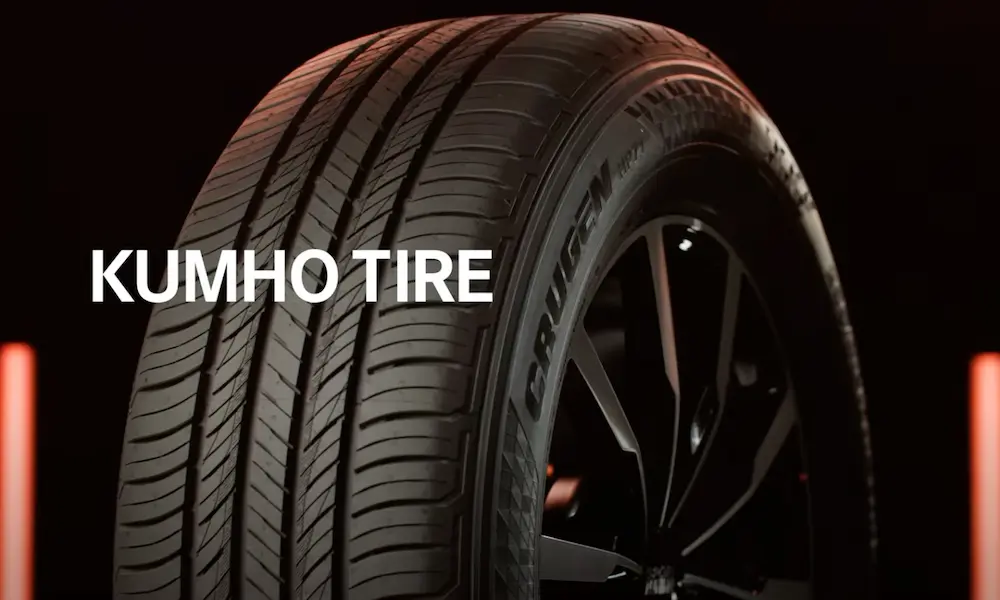
But even then, why risk a blowout in city traffic? Safer budget alternatives from brands like Kumho cost about the same. There’s no logical reason to choose Starfire.
Better Alternatives at the Same Price
You don’t have to spend a fortune to get safer tires. Here are two direct comparisons.
All-Season Showdown: Kumho Solus TA31 vs. Starfire Solarus AS
| Feature | Starfire Solarus AS | Kumho Solus TA31 |
|---|---|---|
| Treadwear Warranty | 50,000 miles | 60,000 miles |
| Reputation | “Bargain basement junk,” “Terrible in snow” | “Reputable brand,” “Stable, responsive handling” |
| Major Safety Recalls | Yes—NHTSA 19T-024 for sidewall defects | None found |
The Kumho costs about the same. It lasts longer. It doesn’t have a federal recall history. Easy choice.
Winter Showdown: General Altimax Arctic 12 vs. Starfire RS-W 5.0
| Feature | Starfire RS-W 5.0 | General Altimax Arctic 12 |
|---|---|---|
| 3PMSF-Certified | Yes | Yes |
| Studdable | No | Yes |
| User Reviews | “Terrible,” “losing tread quickly” | “Outstanding snow traction,” “reliable ice grip” |
| Warranty | None (despite misleading ads) | None |
The General Altimax is studdable for extra ice grip, gets rave reviews, and doesn’t wear out in one season. It’s the better tire. Period.
So, Are Starfire Tires Good?
No. They’re not.
Starfire uses the Cooper and Goodyear names to sell you on “American quality,” but the tires are made overseas with inconsistent quality control. The result is a product that sometimes works fine—and sometimes fails catastrophically.
You might get 40,000 quiet miles. Or you might get a freeway blowout at 15,000. That’s not a gamble worth taking when safer options cost the same.
The low price isn’t a deal. It’s a warning.
If you’re shopping for budget tires, spend an extra $20 per tire and get something from Kumho, General, or even Cooper’s own mid-range line. Your car—and everyone riding in it—deserves better than Starfire.