Shopping for tires on a budget? You’ve probably stumbled across Sumitomo and wondered if they’re legit or just another cheap knockoff. The short answer: they’re better than you’d expect for the price. But there’s a catch you need to know about before buying. Let’s dig into what actual testing and thousands of real drivers reveal.
What Makes Sumitomo Different From Budget Brands
Here’s the thing most people don’t know: Sumitomo isn’t some random budget brand slapped together overseas. It’s owned by Sumitomo Rubber Industries, a massive Japanese company that’s been making tires since 1909. They also own Falken (yeah, those popular Wildpeak tires) and recently bought the Dunlop brand.
This matters because you’re getting tires made with real engineering expertise and quality control, not generic rubber from a sketchy factory. Think of it like buying a Toyota Corolla instead of a luxury Lexus—same parent company, different price point, but both are reliable.
The corporate pedigree explains why Sumitomo can offer mid-range quality at budget prices. They’re using the same advanced tech (like their 4D Nano Design compound) that goes into their pricier brands.
The Big Trade-Off: Where Sumitomo Wins and Loses
Every Sumitomo tire review reveals the same pattern: happy owners but mixed professional test scores. Sounds weird, right? Here’s what’s actually happening.
What owners love: On sites like Tire Rack, Sumitomo models pull 93-96% recommendation rates from thousands of real drivers. People rave about how quiet they are, how long they last, and how comfortable they ride. One driver noted their Sumitomos lasted 2.5 years while their Michelins only made it 1.25 years.
What testers flag: Professional track testing tells a different story. Consumer Reports and Tire Rack’s controlled tests consistently find modest wet traction and “numb, lethargic steering” compared to premium competitors.
The disconnect isn’t mysterious. Sumitomo engineers their tires to nail the 99% of normal driving—commuting, highway cruising, grocery runs. They’re not built for the 1% of emergency panic stops or track-day handling that professional testers measure.
If you drive normally and want comfort, quiet, and longevity? You’ll probably love them. If you’re a spirited driver who pushes limits? Look elsewhere.
Breaking Down the Best Sumitomo Models
Not all Sumitomo tires perform equally. Some are genuinely great values, while others have notable flaws.
Sumitomo Encounter AT: The Standout Winner
This all-terrain tire is Sumitomo’s MVP. It’s got the Three-Peak Mountain Snowflake certification, meaning it’s officially rated for serious snow—something many competitors lack.
Real-world data from 2.8 million miles of driving shows 96% of owners recommend it. Buyers consistently call it “very quiet for an AT” and praise its winter grip. Professional road tests confirm it rides comfortably and handles well for the category.
The only documented weakness? Heavy, sticky mud. The tread voids aren’t wide enough to self-clean in deep muck. But for snow, dirt, gravel, and pavement? It’s a steal at its price point, often $50-100 cheaper than comparable Cooper or BFGoodrich models.
Warranty: 60,000 miles
Best for: SUV and truck owners who need year-round traction without the premium price tag
Sumitomo HTR Enhance LX2: Great Mileage, One Big Problem
This touring tire offers an impressive 90,000-mile warranty (75,000 for higher speed ratings). That’s exceptional value. Owners logging nearly 3 million miles give it a 93% recommendation rate, praising its longevity and comfort.
But here’s the deal-breaker: professional testing repeatedly flags poor wet traction. Tire Rack’s tests found it “struggled compared to most of its competitive set” in wet conditions, with “modest traction” and handling that made the car feel “nervous.”
This isn’t a tire for rainy climates. If you live in Arizona or drive mostly dry highways? It’s a solid pick. Pacific Northwest or Florida? Hard pass. The wet-weather compromise isn’t worth the savings when you’re talking about emergency braking.
Warranty: Up to 90,000 miles
Best for: High-mileage commuters in dry climates only
Sumitomo HTR A/S P03: The Mislabeled “Performance” Tire
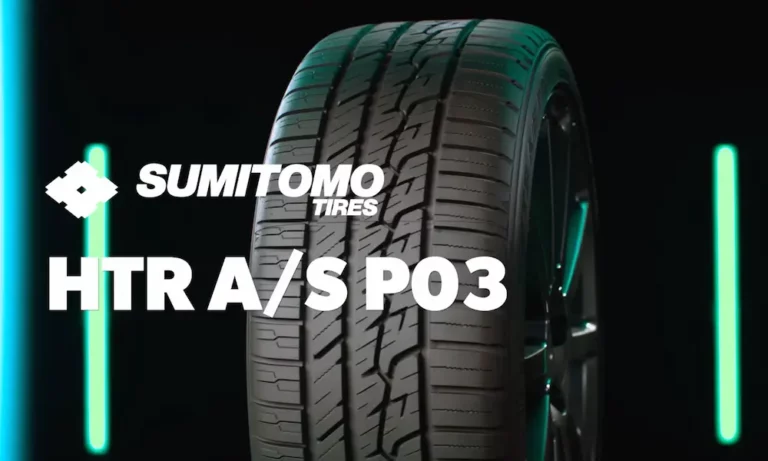
This one’s confusing. It’s marketed as an Ultra High Performance all-season tire, but testing reveals it’s really a touring tire in disguise.
Owner reviews on SimpleTire and Tire Rack average 4.4-4.6 out of 5 stars. People like the quiet ride and decent snow grip. One owner praised it as a “great all-rounder” after 20,000 miles.
Professional testers? Not impressed. The 2023 Tire Rack test found it took 25 feet more than competitors to stop from 50 mph in the wet. Earlier tests criticized its “unnaturally heavy,” “vague,” and “nonlinear” steering.
The irony: its strengths are non-performance attributes. It handles light snow better than most UHP tires and rides comfortably. If you’ve got a sporty sedan but drive like a normal person, it works. If you actually want performance handling? Buy real UHP tires from Michelin or Continental.
Warranty: 45,000-65,000 miles depending on speed rating
Best for: Budget-conscious owners of sport sedans who don’t drive spiritedly
Sumitomo Ice Edge: The Budget Snow Specialist
This dedicated winter tire is 3PMSF-certified and studdable. Forum users call it “fantastic” and a “beast in powder and slush”, loving its deep-snow traction and full-depth siping that maintains grip as it wears.
Consumer Reports ranked it 15th out of 16 in winter tire testing, but that’s misleading. The test heavily weighted un-studded ice braking, where premium tires with specialized compounds dominate. The Ice Edge scored “high marks for snow traction” and “average grip on ice”—which improves significantly when you add studs, as it’s designed for.
This isn’t a Nokian or Bridgestone Blizzak. It’s a budget snow tire optimized for powder, not bare ice. For the price, it delivers where it counts.
Warranty: None (standard for winter tires)
Best for: Budget winter tire shoppers facing deep snow, especially in studding-allowed states
How Sumitomo Stacks Up Against Competitors
Sumitomo vs. Michelin: Value vs. Ultimate Performance
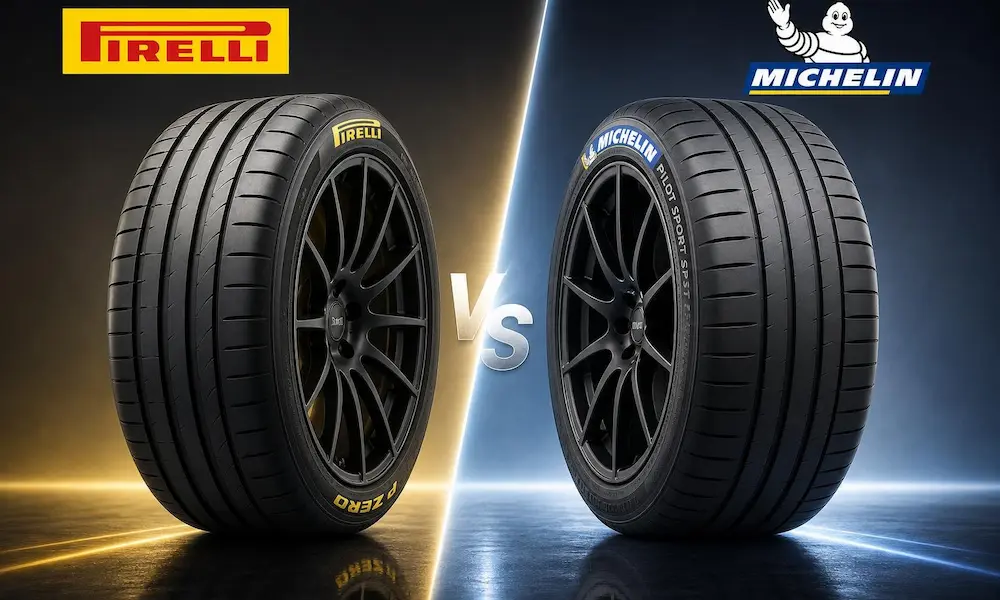
Michelin consistently wins professional tests with superior wet braking and handling. But you’re paying 30-40% more. A typical Sumitomo runs $70-165, while comparable Michelins cost $150-250.
One owner noted an interesting point: for the cost of one set of premium tires kept for 6+ years (until the rubber hardens and loses grip), you could buy two sets of Sumitomos and always drive on fresh, soft rubber.
If you drive a performance car hard or live in constant rain, Michelin’s extra safety margin is worth it. For regular driving? Sumitomo delivers 85% of the performance at 60% of the cost.
Sumitomo vs. Hankook: Nearly Identical Value Plays
Forum discussions reveal these brands compete directly with no clear winner. Both are mid-range quality at budget prices, with similar warranties and performance characteristics.
Pick based on price and specific model availability. If one’s on sale, grab it.
Sumitomo vs. Cooper: The American Alternative
Cooper focuses on durability and off-road strength. The Sumitomo Encounter AT directly competes with Cooper’s Discoverer line, often at a lower price. Testing shows similar capabilities, with the Sumitomo offering a softer (if slightly less controlled) ride.
Cooper’s made in the USA if that matters to you. Otherwise, they’re comparable value plays.
Quick Reference: Which Sumitomo Is Right for You?
| Model | Best For | Avoid If | Warranty | Winter Rating |
|---|---|---|---|---|
| Encounter AT | SUV/truck owners wanting quiet all-terrain capability | You frequently drive in heavy mud | 60,000 mi | 3PMSF ✓ |
| HTR Enhance LX2 | High-mileage commuters in dry climates | You live in rainy areas or prioritize wet safety | 90,000 mi | M+S only |
| HTR A/S P03 | Sport sedan owners who drive normally | You want actual performance handling | 45-65k mi | M+S only |
| Ice Edge | Budget winter tire for deep snow | You need premium ice braking (without studs) | None | 3PMSF ✓ |
The Bottom Line: Are Sumitomo Tires Good?
Yes, but with clear conditions. Sumitomo makes legitimately good tires for specific buyers—not great tires for everyone.
Buy Sumitomo if:
- You’re a normal driver who prioritizes comfort, quiet, and longevity
- Budget matters and you don’t need ultimate performance
- You drive mostly dry roads or need affordable winter/all-terrain options
- You want mid-range quality without mid-range prices
Skip Sumitomo if:
- You drive aggressively or track your car
- You live in constantly wet climates (Pacific Northwest, Southeast)
- You need the absolute best emergency wet braking
- You’re willing to pay premium prices for premium performance
The Encounter AT stands out as genuinely excellent for its category. The HTR Enhance LX2 offers unbeatable mileage if you accept its wet-weather limitations. The performance models work only if you ignore the “performance” label.
Sumitomo isn’t trying to beat Michelin at the top. They’re offering 85-90% of the performance at 60% of the cost. For millions of normal drivers logging billions of miles, that’s a damn good deal. Just know what you’re buying and what you’re giving up.