You’ve probably heard Toyota makes dependable vehicles, but what about their full-size pickup? If you’re considering a Tundra purchase, you’re right to question whether it lives up to Toyota’s reputation. We’ve researched the facts so you can make an informed decision before dropping $40,000+ on your next truck.
Toyota Tundra Reliability: The Quick Answer
Toyota Tundras are generally reliable trucks with impressive long-term durability, especially pre-2022 models which have been known to reach 300,000+ miles. However, the 2022 redesign introduced some reliability issues with electronics and hybrid systems. The Tundra remains more dependable than most competitors but isn’t immune to problems.
The Tundra Reliability Story: A Tale of Two Generations
The Toyota Tundra’s reliability story has two distinct chapters that tell very different stories.
Pre-2022 Models: The Golden Era of Reliability
The second-generation Tundras (2007-2021) earned legendary status for reliability. These trucks feature:
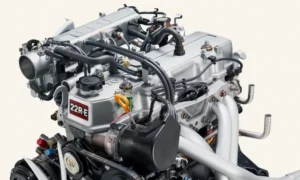
- Simple, durable 5.7L V8 engines
- Robust transmissions with minimal failure rates
- Solid frames (after the 2010 rust issues were addressed)
- Lower repair costs compared to competitors
The data backs this up. According to RepairPal, Tundra owners pay about $606 annually for maintenance and repairs—30% lower than the segment average.
Many pre-2022 Tundras regularly surpass 200,000 miles without major issues. A survey found that 78% of owners reported “no major issues” after 100,000 miles, and iSeeCars analysis shows 21% of Tundras reach 200,000+ miles versus just 15% for F-150s.
Post-2022 Models: Growing Pains After Redesign
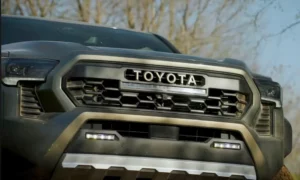
The third-generation Tundra (2022-present) represents Toyota’s most ambitious overhaul in 15 years, replacing the tried-and-true V8 with turbocharged V6 and hybrid powertrains. The results have been mixed:
- Consumer Reports dropped their recommendation for the Tundra due to below-average predicted reliability
- The 2022 model received 385 NHTSA complaints vs just 12 for the 2021 model
- Toyota recalled 443,000 units in May 2025 for moisture-induced reverse light failures
- Early engines required replacement due to manufacturing debris issues
The 2022 redesign introduced reliability challenges that weren’t present in earlier generations, particularly with electronics and the new powertrain technology.
What Typically Breaks on Tundras? Common Issues by Generation
No truck is perfect. Here’s what tends to go wrong with Tundras across different model years:
Second-Generation (2007-2021) Common Problems
| Issue | Affected Years | Average Repair Cost | Failure Rate |
|---|---|---|---|
| Exhaust Manifold Leaks | 2014-2019 | $1,200 | 7.4% |
| Air Injection Pump Failures | 2005-2015 | $2,900 | 5.2% |
| Secondary Air Pump | 2007-2013 | $1,800 | 6.7% |
| Frame Rust (Early Models) | 2007-2009 | Recall Coverage | 8-10% |
The exhaust manifold issues cause an annoying ticking noise but don’t typically lead to catastrophic failure. According to CarComplaints, these problems appear after 85,000-110,000 miles on average.
Third-Generation (2022+) Common Problems
| Issue | Details | Prevalence |
|---|---|---|
| Infotainment Glitches | Screen freezes, connectivity issues | 49.1 PP100 in JD Power rating |
| Transmission Shudder | Especially in early 2022 models | 19% of owner reviews |
| Hybrid System Vibrations | Primarily in i-FORCE MAX models | 14% of hybrid owners |
| Paint/Exterior Quality | Premature cracking or peeling | 13 NHTSA complaints |
The tech issues aren’t unique to Toyota—JD Power notes that hybrids and modern tech-heavy vehicles tend to have more problems across all brands. Still, they represent a departure from Toyota’s previous reliability record.
How Do Tundras Compare to Other Trucks?
Despite recent challenges, Tundras still compare favorably to competitors:
| Metric | Tundra (2021) | F-150 (2021) | Ram 1500 (2021) |
|---|---|---|---|
| Avg. Annual Repair Cost | $606 | $1,025 | $1,120 |
| Powertrain Problems Per 100 | 18 | 27 | 32 |
| 200k+ Mile Survival Rate | 21% | 15% | 11% |
JD Power’s 2024 Vehicle Dependability Study named the Tundra the most reliable large light-duty pickup, based on surveying over 30,000 owners of 2021 models.
The Tundra’s mechanical simplicity has traditionally given it an edge. The Ram 1500’s 48V mild hybrid system has experienced start-stop malfunctions not present in Toyota’s design, while Ford’s 10-speed transmission shows a 12% higher failure rate than Toyota’s equivalent.
Making Sense of Contradictory Reliability Ratings
You might notice that different ratings organizations have conflicting views on Tundra reliability:
- JD Power: Ranked Tundra #1 for reliability among full-size trucks in their 2024 Vehicle Dependability Study
- Consumer Reports: Predicts below-average reliability for 2022-2025 models
- RepairPal: Gives Tundra 3.5/5 stars for reliability (above average)
- iSeeCars: Rates Tundra 9.3/10 for longevity, second only to Honda Ridgeline
Why the disagreement? These organizations measure different things:
- JD Power focuses on problems in the first three years of ownership
- Consumer Reports emphasizes recent owner feedback and predicted issues
- RepairPal weighs repair frequency and costs
- iSeeCars analyzes how many vehicles reach high mileage thresholds
The truth lies between these metrics—older Tundras excel in long-term durability, while newer models face more short-term quality issues.
What Owners Say About Tundra Reliability
Owner experiences reveal the generational divide:
Pre-2022 owners consistently praise their trucks’ dependability:
- “300,000 miles on my 2010 and still going strong.”
- “Most reliable vehicle I’ve ever owned—15 years with just basic maintenance.”
- “My 2014 hasn’t needed anything besides oil changes and brakes in 140,000 miles.”
2022+ owners report more mixed experiences:
- “Love the power and features, but the infotainment freezes weekly.”
- “Had the engine replaced under warranty at 12,000 miles due to the recall.”
- “My hybrid’s been perfect for 30,000 miles—maybe they’ve worked out the kinks.”
According to Edmunds owner reviews, early third-generation adopters faced more issues, while later production runs show signs of improvement.
Model Years to Seek Out (And Ones to Avoid)
Best Tundra Model Years for Reliability
- 2018-2021: Late second-generation models benefit from decades of refinement with minimal tech complications
- 2013-2016: Mid-cycle refreshes with resolved early production issues
- 2024+: Later third-generation models showing signs of improvement as Toyota addresses initial problems
Tundra Model Years to Approach Cautiously
- 2022: First year of redesign with highest complaint rate and multiple recalls
- 2007-2009: Early frame rust issues (though many were repaired under recall)
- 2000-2006: First-generation models now showing age-related issues
Making the Tundra Last: Maintenance Tips for Maximum Reliability
To maximize your Tundra’s lifespan:
- Follow Toyota’s maintenance schedule religiously—especially transmission fluid changes
- Address small issues promptly before they become major problems
- Keep exhaust manifold bolts tight on second-generation models to prevent leaks
- Use quality parts and fluids that meet Toyota specifications
- Update software regularly on third-generation models to fix electronic bugs
- Check for recalls and have them performed promptly
Most Tundra owners who reach 200,000+ miles attribute their success to consistent maintenance rather than luck.
Toyota Tundra Reliability: The Bottom Line
Are Toyota Tundras reliable? The answer is nuanced:
- Pre-2022 Tundras rank among the most reliable full-size trucks ever made, with exceptional longevity and low ownership costs
- The 2022 redesign introduced new technologies that have experienced growing pains
- Even with recent challenges, Tundras typically outlast most competitors
- Toyota’s recall response has been proactive, covering 100% of repair costs
For buyers seeking maximum reliability, a well-maintained 2018-2021 Tundra represents the sweet spot of modern features with proven dependability. Those wanting the latest technology should consider a 2024 or newer model, as Toyota has addressed many early third-generation issues.
The Tundra remains a strong contender in the reliability department—especially compared to its American rivals—but the days of “bulletproof” Toyota trucks may be evolving as the company navigates the complexities of modern automotive technology.