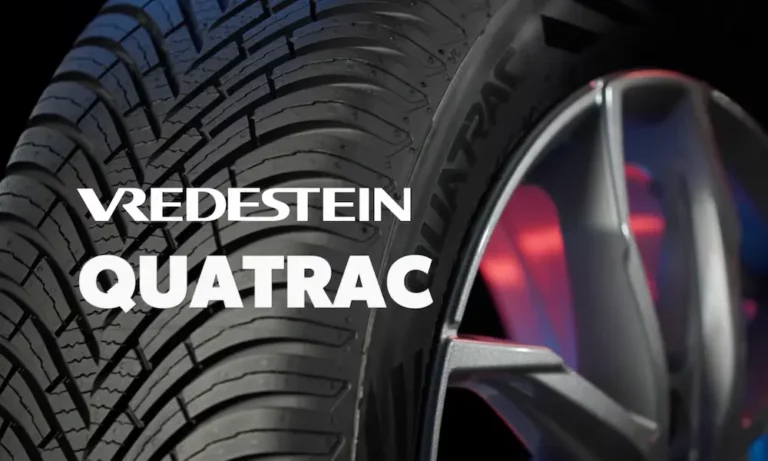
You’ve probably never heard of Vredestein. That’s actually a good thing for your wallet. While you’re comparing Michelin prices, this Dutch brand quietly ranks #3 globally by Consumer Reports and costs 30% less. Here’s what 114 years of European engineering actually delivers on real roads.
What Makes Vredestein Different From Budget Brands
Vredestein isn’t your typical “value” tire. The brand’s been manufacturing in the Netherlands since 1909, long before most car companies existed. They still run their premium production in Europe—specifically in Enschede, Netherlands, and a state-of-the-art Hungarian facility opened in 2017.
The corporate structure tells the real story. Apollo Tyres, a $22 billion Indian industrial giant, bought Vredestein in 2009. But instead of gutting the brand for cheap offshore production, they pumped money into R&D and built that high-tech Hungary plant. It’s the reverse of what usually happens when heritage brands get acquired.
Here’s the kicker: Vredestein partners with Giugiaro Design, the Italian house that designed the DeLorean and Maserati Bora. They’re the only tire maker treating sidewall aesthetics like actual automotive design.
The Performance Reality: What Testing Actually Shows
Independent testing cuts through marketing fluff fast. Consumer Reports ranked Vredestein #3 overall among all global tire brands in 2025. All six models they tested earned CR Recommendation status.
Tire Rack’s professional road tests reveal Vredestein’s signature strength: unmatched ride comfort and wet grip. Their Quatrac Pro delivered the highest ride quality scores in group testing while leading wet traction and hydroplaning resistance.
The numbers from actual owners back this up. On Tire Rack’s consumer survey, Vredestein scores:
- Wet Traction: 9.0/10
- Dry Traction: 9.1/10
- Comfort: 8.8/10
Those aren’t “good for the price” numbers. They’re objectively excellent.
Quatrac Pro vs. Michelin CrossClimate 2: The Honest Comparison
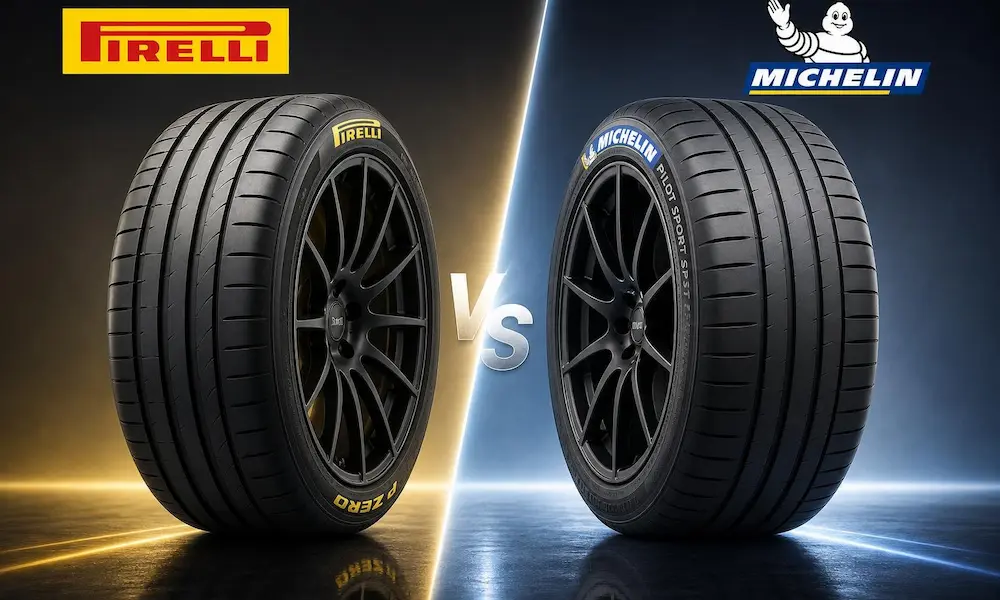
The Michelin CrossClimate 2 owns the all-weather category. Vredestein’s Quatrac Pro+ is its chief value competitor. The new Pro+ launched specifically to close two gaps: snow performance and fuel efficiency.
Here’s where each tire wins, according to Auto Bild EV testing:
| Performance Category | Michelin CC2 | Vredestein Quatrac Pro+ |
|---|---|---|
| Snow braking | 9% shorter | Competitive |
| Wet/dry braking | 5% shorter | Competitive |
| Rolling resistance | 6% lower | Improved 5% vs. old Pro |
| Ride comfort | Good | Superior |
| Road noise | Good | Quieter |
| Price | Benchmark | 30% less |
The Michelin is measurably safer in snow. No debate. If you’re navigating unplowed roads in Minnesota winters, that 9% braking advantage matters.
But the Vredestein dominates where most drivers actually spend time: wet highways and daily commutes. The Tire Rack test confirms it “led the group” in wet grip and delivered the best hydroplaning resistance. It also rides smoother and costs significantly less.
Where Vredestein Tires Actually Shine
Wet Weather Performance
Oregon drivers report the HiTrac feels like “dry pavement in the rain”. That’s not hyperbole when you check the engineering. Vredestein’s compound formulation focuses aggressively on wet traction chemistry.
If you live in the Pacific Northwest, Southeast, or anywhere rain matters more than snow, this is your tire.
Ride Comfort and Noise
This is Vredestein’s genuine differentiator. The Hypertrac UHP gets described as “shockingly quiet” and “smooooth” at highway speeds—adjectives you don’t hear about performance tires.
The Quatrac Pro’s ride quality beats competitors that cost 30% more. That’s not subjective marketing. It’s measured in professional testing.
Value Without Compromise
A set of Michelin CrossClimate 2s in 225/45R17 runs about $180 per tire. Comparable Vredesteins? Around $125. That’s $220 saved per set for tires that test within 5% on most metrics.
The Trade-Offs You Need to Know
Snow and Ice Performance
The Quatrac Pro+ carries the Three-Peak Mountain Snowflake symbol, meaning it meets minimum severe snow standards. But ADAC testing bluntly states it’s “not for snow” when compared to dedicated winter tires.
Tire Rack’s comparison data shows the gap clearly. The Michelin CC2 stops 9-10% shorter on snow. That’s the price of Vredestein’s comfort-focused compound.
If you’re in the Snow Belt, buy the Michelin. If snow means 2-3 light dustings per year, the Vredestein makes more sense.
Tread Life Reality
The Quatrac Pro+ uses a soft 400 UTQG compound. That’s how it grips so well. The Michelin CC2? 640 UTQG.
Vredestein warranties the Pro+ for 55,000 miles. The Michelin goes 60,000 miles. Real-world reports show Vredesteins can wear faster in hot climates and get noisier after a few thousand miles.
If you’re a high-mileage highway driver in Texas heat, consider the HiTrac instead. Its 700 UTQG rating and 70,000-mile warranty fit that use case better.
Brand Recognition
Retailers still call Vredestein a “humble mid-range brand”. Forum posts start with “never heard of this brand”. That’s changing as Consumer Reports data spreads, but perception lags reality.
If you need the psychological comfort of a globally recognized name, this isn’t your tire.
The Specialist Models Worth Considering
HiTrac All-Season: The Long-Distance Hauler
The HiTrac is Vredestein’s sensible family tire. It shares the brand’s elite wet performance but uses a harder 700 UTQG compound for longevity.
You get a 70,000-mile warranty without sacrificing wet grip. It’s perfect for minivans, crossovers, and anyone racking up serious highway miles.
Hypertrac: The Comfortable Performance Tire
Ultra-high performance tires usually ride like garbage. The Hypertrac breaks that rule.
It delivers sharp steering response and quick turn-in while filtering out road imperfections. The 500 UTQG rating means it’s durable for a UHP tire. BMW and Genesis owners who actually drive spirited but want daily comfort should look here.
The Giugiaro-designed sidewall doesn’t hurt aesthetics either.
Wintrac Pro: The Misunderstood Winter Tire
The Wintrac Pro confuses people because it’s not a Blizzak. It’s a performance winter tire built for enthusiasts who refuse to accept terrible dry handling.
Utah mountain testing called it “some of the most capable winter tires ever tested” with endless snow traction. But its ice braking rates “Good” at 8.4/10, not “Excellent.”
The engineering compromise is deliberate. Tire Rack testing shows the Wintrac Pro stops 9 feet shorter in the dry and 26.5 feet shorter in the wet compared to the Michelin X-Ice Snow. You give up pure ice grip for vastly better performance in the cold-dry and cold-wet conditions where you actually drive most of winter.
If you’re an enthusiast in a cold climate or urban driver who encounters plowed roads 90% of the time, this tire makes perfect sense.
Who Should Buy Vredestein Tires
You’re the Right Buyer If:
You prioritize comfort. The Quatrac Pro line is a class leader in ride quality. If you want a quiet, smooth drive, these tires deliver.
You live in a wet climate. Pacific Northwest, Southeast, or anywhere rain dominates your weather? Vredestein’s hydroplaning resistance and wet grip beat tires costing 30% more.
You trust data over brands. Consumer Reports ranks them #3 globally. Tire Rack tests confirm it. If you’re willing to save money by ignoring brand prestige, you win.
You’re a performance driver who hates harsh tires. The Wintrac Pro and Hypertrac prove you don’t need to suffer for performance.
Buy Something Else If:
You live in the Snow Belt. The Michelin CrossClimate 2’s 9% shorter snow braking is a genuine safety advantage if you’re navigating unplowed roads regularly.
You drive high mileage in hot climates. The Quatrac Pro+’s soft 400 UTQG compound will wear faster than competitors. The HiTrac is Vredestein’s answer for this use case, or just buy a Michelin.
Brand reputation matters to you. If you need the peace of mind that comes with Michelin or Continental on the sidewall, no amount of testing data will change that.
The Bottom Line on Vredestein Quality
Are Vredestein tires good? The data says they’re exceptional. Consumer Reports ranks them #3 globally. Professional testing shows class-leading comfort and wet performance. Real owners confirm it.
The brand isn’t good “for the price.” It’s genuinely good, period. The price just happens to be 30% less than Michelin.
You’re trading brand recognition and ultimate snow performance for superior ride comfort, elite wet grip, and substantial savings. For most drivers in moderate climates, that’s not a compromise. It’s a smarter choice.
The question isn’t whether Vredestein makes good tires. It’s whether you’re willing to buy them before everyone else figures it out.