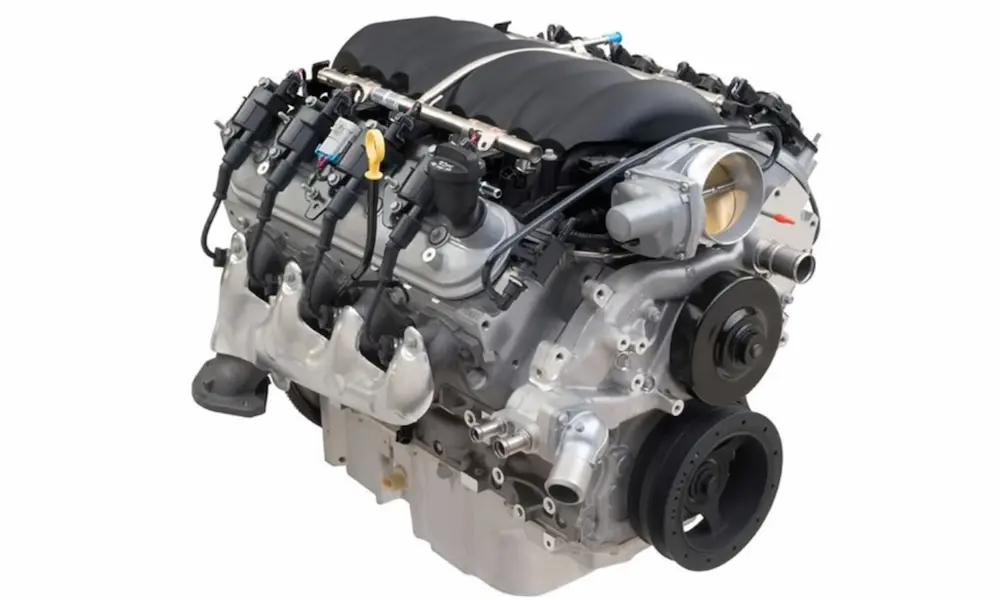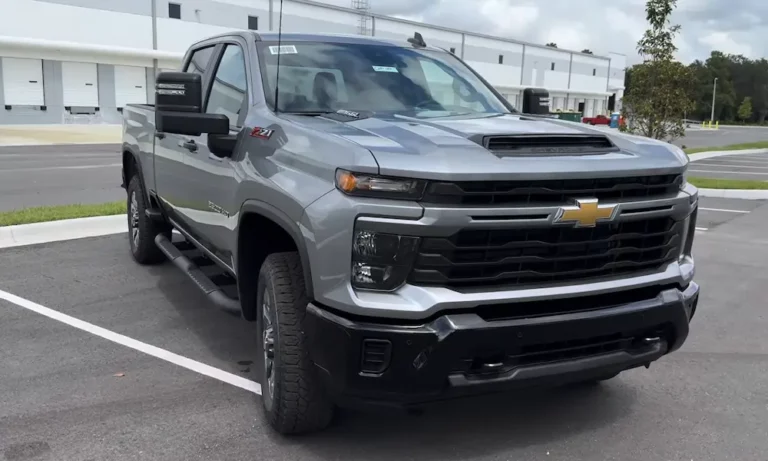
Wondering if that Chevy 5.3 under your hood can go the distance? You’re about to discover exactly how many miles these engines deliver, which model years last longest, and what actually kills them early. Let’s cut through the hype and get real about longevity.
What’s the Average Chevy 5.3 Engine Life Expectancy?
Here’s the straight answer: a well-maintained Chevy 5.3 engine typically delivers 200,000 to 300,000 miles. But here’s where it gets interesting—many owners push these workhorses past 400,000 miles with the right care.
The key phrase? “Well-maintained.” We’re talking regular oil changes, quality fluids, and paying attention when something sounds off. Treat your 5.3 like an afterthought, and you’ll be shopping for engines at 150,000 miles.
Your specific mileage depends heavily on which generation you’re running. Not all 5.3 engines are created equal, and some years significantly outlast others.
Generation Breakdown: Which 5.3 Engines Last Longest?
Gen III (1999-2007): The Iron Horse
If you want maximum longevity, this is your sweet spot. Gen III 5.3 engines routinely hit 300,000 to 400,000+ miles without major work. Why? They’re refreshingly simple.
These engines skip the complexity that plagues newer models. No cylinder deactivation headaches, no finicky electronics—just solid iron-block engineering (or aluminum in the L33 variant). One documented 2003 Silverado with the related 4.8L engine crushed 449,000 miles on its original powerplant.
But Gen III isn’t perfect. Between 2001-2006, GM used Castech cylinder heads that develop porosity cracks. You’ll notice gradual coolant loss around the oil drain holes. It’s not a death sentence, but it’s something to watch.
Other weak spots include intake manifold gaskets (those plastic manifolds hate heat cycling) and occasional fuel pressure regulator failures. Still, these are minor annoyances compared to the reliability you’re getting.
Gen IV (2007-2013): When Things Got Complicated
Enter Active Fuel Management (AFM)—GM’s fuel-saving technology that also saved you a trip to the parts store. Just kidding. AFM creates the single biggest reliability problem in these engines.
Here’s how it works: special hydraulic lifters collapse to shut down four cylinders during light loads. Great for fuel economy. Terrible when those lifters fail to wake back up properly. The result? Lifter damage, camshaft wear, and oil consumption that’ll have you checking the dipstick obsessively.
We’re talking one quart per 1,000 miles in severe cases. GM faced a class-action lawsuit over 2010-2014 models consuming excessive oil. That should tell you something.
Can Gen IV engines still hit 200,000+ miles? Absolutely. But you’ll need aggressive oil change schedules and maybe some luck. Many owners simply disable the AFM system entirely through aftermarket tuning.
Gen V EcoTec3 (2014-2018): Getting Better
GM learned from their mistakes (somewhat). The EcoTec3 generation brought significant improvements to the AFM system and overall engine design. These all-aluminum engines feature direct injection, variable valve timing, and a dual-pressure oil system.
Expect 250,000+ miles from properly maintained EcoTec3 engines. The refined AFM reduces—but doesn’t eliminate—oil consumption issues. The direct injection creates new concerns, particularly carbon buildup on intake valves, but overall durability improved noticeably.
This generation represents the best balance between modern features and proven reliability. You get better fuel economy without sacrificing too much longevity.
Gen V with DFM (2019+): The Jury’s Still Out
In 2019, GM replaced AFM with Dynamic Fuel Management (DFM). Instead of four cylinder patterns, DFM offers 17 different firing patterns and can shut down up to five cylinders. Sounds impressive, right?
Here’s the problem: DFM uses special lifters in all eight cylinders instead of just four. You’ve effectively doubled the failure points. Early reports aren’t encouraging—some lifter failures appeared under 10,000 miles.
It’s too early to declare DFM a disaster, but projected longevity sits around 200,000 to 250,000 miles. That’s shorter than previous generations. If you’re buying new, this is worth considering seriously.
What Actually Kills These Engines Early?
Let’s talk about the real culprits behind premature engine death. Understanding these factors helps you avoid becoming a cautionary tale.
Oil Changes: The Single Most Critical Factor
You can skip the fancy additives and snake oil treatments. Just change your oil every 3,000 to 5,000 miles with quality synthetic. That’s it. That’s the secret.
Those hydraulic lifter systems in AFM and DFM engines are incredibly sensitive to oil quality. Dirty oil clogs the tiny ports that control lifter operation, leading to failure. Clean oil keeps everything working smoothly.
Engines with 5,000-mile oil change intervals consistently exceed 300,000 miles. Engines following GM’s extended 7,500-10,000 mile intervals? Not so much. The math is simple here.
The Castech Head Problem (Gen III)
If you’re running a 2001-2006 Gen III, check your cylinder heads. Castech heads develop cracks that leak coolant. You’ll see mysterious coolant loss without obvious external leaks.
The fix requires replacing the heads—not cheap, but necessary if you want to avoid overheating damage. Many owners upgrade to better flowing heads when this happens, turning a problem into a performance opportunity.
AFM/DFM Lifter Failures (Gen IV and Later)
We’ve covered this, but it bears repeating: cylinder deactivation systems are the Achilles heel of modern 5.3 engines. Lifters fail, camshafts get damaged, and oil consumption skyrockets.
Your best defense? Frequent oil changes with the correct viscosity (usually 5W-30 or 0W-20). Some owners disable the system entirely, though this requires proper tuning to avoid creating new problems.
Real-World Mileage Champions
Talk is cheap. Let’s look at documented high-mileage examples:
- 2002 Silverado: 741,000 miles on the original engine
- 2006 Silverado: nearly 350,000 miles on original engine and transmission
- Multiple examples exceeding 300,000 miles with routine maintenance
A comprehensive study found 26.8% of Silverados with 5.3 engines exceeded 200,000 miles, with 36 examples surpassing 300,000 miles. These aren’t outliers—they’re proof of what proper maintenance delivers.
Highway Miles vs. City Driving: Does It Matter?
Absolutely. Highway driving significantly extends engine life compared to city stop-and-go traffic. Here’s why:
Highway miles mean consistent operating temperatures, less frequent cold starts, and steady engine loads. Your oil stays at optimal temperature, components expand evenly, and wear decreases dramatically.
City driving? You’re constantly heating and cooling the engine, never fully warming the oil, and creating more wear per mile. Short trips are especially brutal—the engine barely reaches operating temperature before you shut it down.
Towing and heavy hauling accelerate wear, but proper maintenance mitigates much of this impact. If you’re regularly pulling trailers, consider shortening your oil change intervals.
Rebuild or Replace: What Makes Financial Sense?
Eventually, even the toughest 5.3 needs major work. Here’s what you’re looking at cost-wise:
| Option | Cost Range | Warranty |
|---|---|---|
| Basic rebuild | $1,500-$3,500 | Varies by shop |
| Complete rebuild with machining | $3,000-$5,000 | Varies by shop |
| Used engine | $2,000-$4,000 | Usually none |
| Remanufactured engine | $3,500-$7,000 | 3 years/100,000 miles |
| New crate engine | $4,500-$10,000+ | Manufacturer warranty |
GM remanufactured engines cost around $3,800 and include a solid warranty. Given the 5.3’s proven longevity, replacement often beats rebuilding a high-mileage engine. You’re essentially buying another 200,000+ miles of service.
Maximizing Your 5.3’s Lifespan: Practical Steps
Want to join the 300,000-mile club? Here’s your action plan:
Stick to Short Oil Change Intervals
Don’t trust those 10,000-mile oil change stickers. Use quality synthetic oil and change it every 5,000 miles maximum. AFM/DFM engines should stay closer to 3,000-4,000 miles.
Use the Correct Oil Specifications
Your owner’s manual specifies viscosity for a reason. Modern 5.3 engines typically require 5W-30 or 0W-20. Don’t experiment with heavier weights thinking it’ll protect better—you’ll actually increase wear.
Consider Disabling AFM/DFM
If you’re experiencing oil consumption or want maximum longevity, aftermarket tuning can disable cylinder deactivation. This eliminates the primary failure mechanism. Just ensure proper tuning to avoid clogging oil passages.
Watch Your Coolant Levels
Gradual coolant loss without visible leaks? You might have Castech head issues or intake manifold gasket failure. Address it before overheating causes real damage.
Let It Warm Up (Properly)
Don’t idle for 10 minutes—that’s wasteful. But don’t hammer the throttle on a cold engine either. Drive gently until the engine reaches operating temperature.
Regular Oil Analysis
Services like Blackstone Labs analyze your oil for bearing wear and contamination. It’s like a blood test for your engine, catching problems before they become catastrophic.
Which Year Should You Buy?
Shopping for a used truck? Here’s the hierarchy:
Best Choice: 1999-2007 Gen III (Avoid Castech Years)
These engines deliver maximum longevity without AFM headaches. If you find one with confirmed non-Castech heads, grab it. Even Castech-equipped trucks are solid if the heads have been replaced.
Good Choice: 2014-2018 EcoTec3
You get modern features with improved reliability. The refined AFM system causes fewer problems than earlier Gen IV engines. Just maintain it religiously.
Proceed with Caution: 2007-2013 Gen IV
These can serve you well, but examine the maintenance history carefully. Has the AFM system been problematic? Is there documented oil consumption? A well-maintained Gen IV beats a neglected Gen III.
Wait and See: 2019+ DFM
Too many unknowns. Early lifter failures raise red flags. If you must buy new, consider extended warranty coverage.
The Bottom Line on Chevy 5.3 Longevity
The Chevy 5.3 engine can absolutely deliver 300,000+ miles of reliable service. Gen III engines offer the greatest longevity, while later generations trade some durability for fuel economy.
Your maintenance habits matter more than the generation. A Gen IV engine with 5,000-mile oil changes outlasts a neglected Gen III every time. These engines respond to care.
The 5.3’s widespread use means parts stay affordable and every mechanic knows them. Repair costs stay reasonable, and knowledge is abundant. You’re not betting on an unproven design—you’re buying into two decades of real-world testing.
Treat your 5.3 right, and it’ll outlast your truck’s body. Ignore it, and you’ll be shopping for engines before 200,000 miles. The choice is yours.