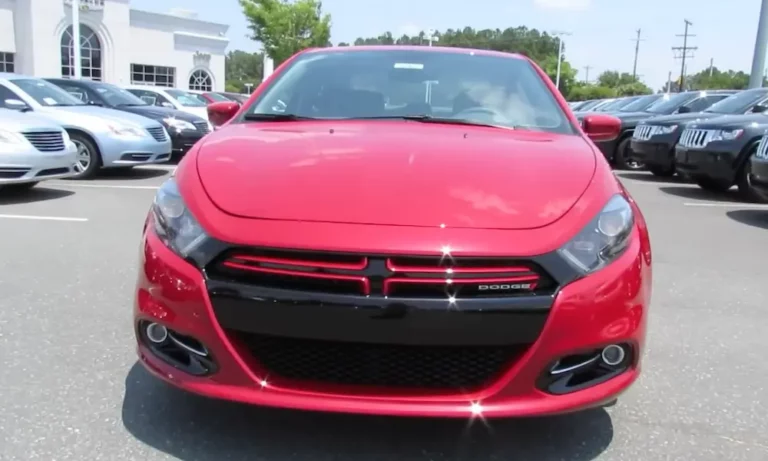
Is your Dodge Dart leaving mysterious puddles or running hot? That sweet-smelling green fluid under your car isn’t just annoying—it’s a warning sign. Coolant leaks are notoriously common in Dodge Darts, and catching them early can save your engine and wallet. Let’s dive into why these leaks happen and how to fix them before small drips turn into major problems.
Why Dodge Darts Are Prone to Coolant Leaks
Dodge Darts (2013-2016) have earned a reputation for cooling system issues. These aren’t random failures—they stem from specific design choices that affect nearly all models.
The Notorious Plastic T-Fitting
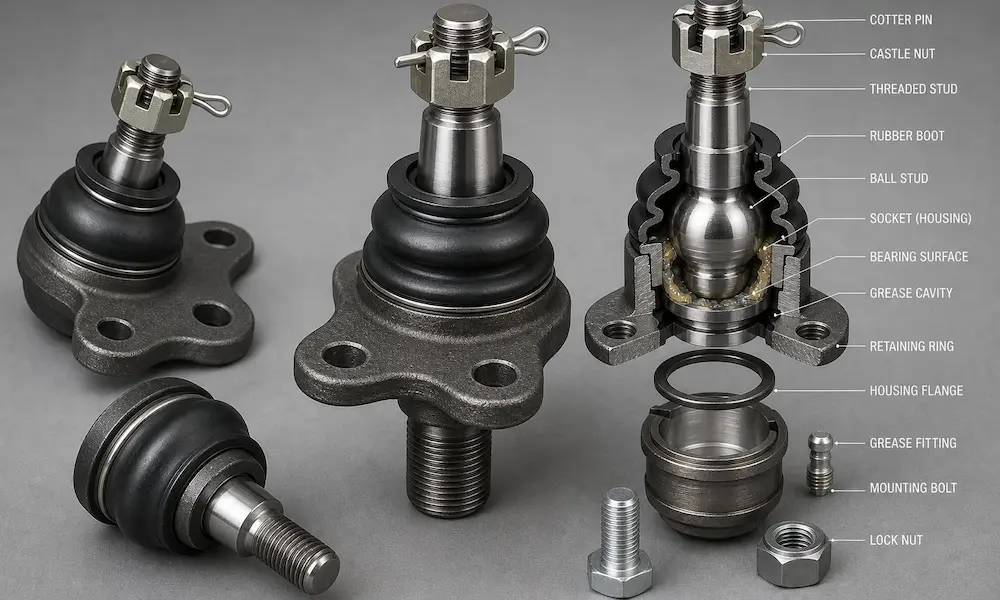
The most common culprit behind Dodge Dart coolant leaks is the plastic T-fitting in the upper radiator hose. This seemingly insignificant part causes significant headaches for owners.
The plastic T-fitting fails because it:
- Endures extreme temperature swings (up to 230°F)
- Handles high system pressure (nearly 20 PSI)
- Becomes brittle over time from constant heat exposure
Many owners report the fitting literally “crumbles in your fingers” when removed. This design flaw affects all engine options—the 1.4L turbo, 2.0L, and 2.4L engines.
Quick Connect Fittings That Aren’t So Quick
Another frequent failure point is the quick connect fittings used throughout the cooling system. These plastic connectors crack over time, creating leaks in hard-to-reach places.
The good news? These parts typically cost around $11 at auto parts stores—much cheaper than replacing entire hose assemblies.
Other Common Leak Sources
Beyond the infamous T-fitting, Dodge Darts often leak coolant from:
- Thermostat housing: Cracks and gasket failures here often trigger check engine lights
- Water pump: Leaks typically appear from the weep hole at the pump’s bottom
- Head gasket: The most serious leak source, allowing coolant to mix with oil or enter combustion chambers
How to Spot a Coolant Leak in Your Dodge Dart
Catching coolant leaks early can prevent engine damage. Watch for these telltale signs:
Visual Clues
- Puddles under your car: Look for green, orange, pink, or blue fluid beneath your parked Dart
- Low coolant levels: If your reservoir keeps emptying without explanation
- White residue: Chalky deposits around hose connections indicate slow leaks
- Steam: Vapor rising from your engine bay suggests coolant hitting hot surfaces
Performance Warnings
Your Dart will tell you something’s wrong through:
- Temperature gauge climbing: An overheating engine is a serious warning
- Check engine light: Particularly code P0128 (thermostat-related issues)
- Sweet smell: Coolant has a distinctive sweet aroma when leaking
- Poor heater performance: Weak cabin heat often indicates low coolant levels
Pinpointing the Exact Leak Source
Before making repairs, you need to find exactly where your coolant is escaping.
DIY Inspection Methods
- Visual inspection: With the engine cool, check all hoses, connections, and the radiator for wet spots or crusty residue
- Pressure testing: Auto parts stores often loan cooling system pressure testers that reveal hidden leaks
- UV dye test: Add UV dye to your coolant and use a blacklight to find leaks
- Paper test: Place cardboard under your parked car overnight to catch and locate drips
Where to Look First
Focus your inspection on these common failure points:
- The T-fitting in the upper radiator hose (near the thermostat)
- Quick connect fittings throughout the system
- Radiator seams and connections
- Water pump (look for dried coolant trails leading down from it)
- Thermostat housing gasket
DIY Repair Options: From Quick Fixes to Permanent Solutions
Many Dodge Dart coolant leaks can be fixed at home with basic tools and parts.
Replacing the Plastic T-Fitting (The Smart Way)
Instead of replacing the failed plastic T-fitting with another identical part, upgrade to:
- Brass T-fitting: These aftermarket replacements ($8-19) provide a permanent solution that won’t crack like the original plastic parts
- Silicone hose assemblies: One-piece silicone hoses eliminate the T-fitting entirely with stronger, more durable 4-ply reinforced construction
Upgrading Quick Connect Fittings
When these plastic connectors fail:
- Purchase replacement quick connect fittings (~$11)
- Use proper disconnect tools to avoid damaging hoses
- Consider upgrading to brass or higher-quality plastic versions
Thermostat Housing Repairs
Thermostat housing leaks typically require:
- Draining the cooling system
- Removing the housing assembly
- Replacing the gasket or entire housing
- Properly torquing bolts to specification
- Refilling with the correct coolant type
Repair Costs: What to Expect
Repair costs vary widely depending on the leak source and whether you DIY or hire a professional.
DIY Cost Breakdown
| Repair Type | Parts Cost | Time Required | Difficulty |
|---|---|---|---|
| T-fitting replacement | $8-19 (brass) | 1-2 hours | Moderate |
| Quick connect fitting | $11-50 | 30-60 min | Easy |
| Hose replacement | $50-200 | 1-2 hours | Easy-Moderate |
| Thermostat housing | $30-100 | 1-3 hours | Moderate |
| Water pump | $75-150 | 3-5 hours | Difficult |
Professional Repair Costs
If you’re not comfortable doing it yourself:
- Minor repairs (fittings, hoses): $50-200
- Moderate repairs (thermostat, T-fitting): $100-300
- Major repairs (water pump): $300-750
- Serious repairs (radiator, head gasket): $1,000-2,500+
A professional diagnosis typically costs $61-90—money well spent to identify the exact leak source before attempting repairs.
Preventing Future Coolant Leaks
Once you’ve fixed your current leak, take these steps to prevent future issues:
Regular Maintenance Schedule
- Check coolant levels monthly
- Visually inspect hoses and connections every oil change
- Replace coolant according to your owner’s manual (typically every 5 years/100,000 miles)
- Consider a cooling system flush every 30,000-50,000 miles
Upgrade Vulnerable Components
Preventative replacements can save money long-term:
- Replace the plastic T-fitting with a brass version before it fails
- Upgrade to higher-quality silicone hoses
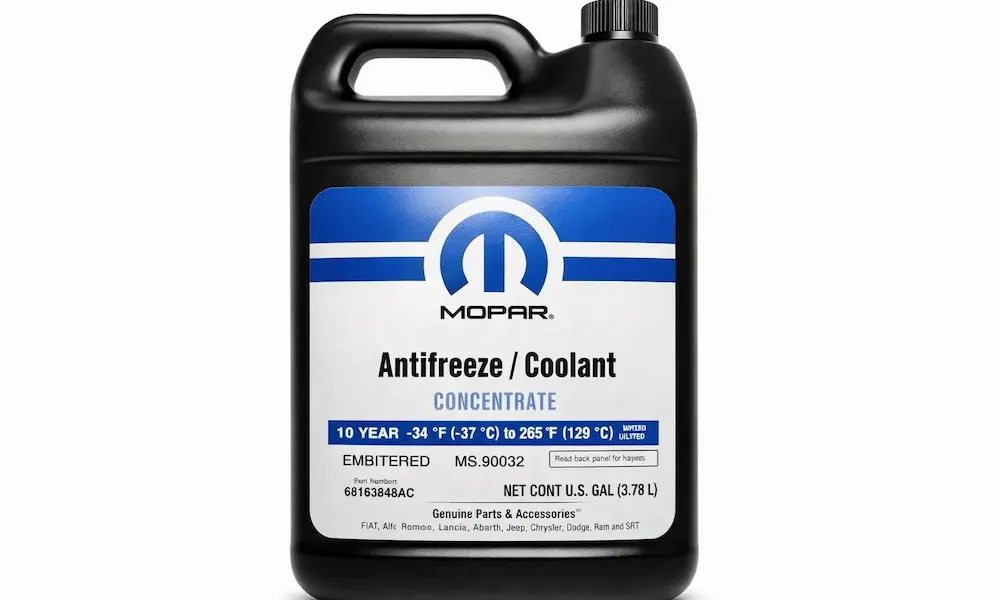
- Use proper coolant type and concentration (50/50 mix for most Darts)
Watch for Early Warning Signs
Pay attention to:
- Small coolant spots under your car
- Sweet smells from the engine bay
- Rising operating temperatures
- Coolant reservoir level changes
When You Need a Professional
While many coolant leaks are DIY-friendly, some situations call for professional help:
Complex Leak Scenarios
Seek a mechanic when:
- Multiple leak sources are present
- Leaks are in hard-to-reach areas
- You suspect internal leaks (head gasket)
- Engine temperature issues persist after repairs
Diagnostic Services Worth Paying For
Professional shops can perform:
- Pressure testing with specialized equipment
- Cylinder leak-down tests (for head gasket issues)
- Exhaust gas analysis (detects coolant burning)
- Comprehensive cooling system evaluation
Emergency Measures for Sudden Leaks
If you discover a major coolant leak while driving:
- Pull over safely and turn off your engine
- Wait for cooling before attempting inspection (30+ minutes)
- Identify the leak source if possible
- Add water temporarily if needed to reach a repair shop (replace with proper coolant mix ASAP)
- Consider stop-leak products ($8-15) for emergency situations only
Real-World Examples: Common Dodge Dart Coolant Leak Scenarios
Case 1: The Crumbling T-Fitting
Many Dart owners report their first coolant leak experience follows this pattern:
- Notice sweet smell and small puddles
- Temperature gauge occasionally climbing
- Discover the T-fitting has cracked or completely failed
- Replace with brass fitting
- Problem solved permanently
Case 2: The Disappearing Coolant Mystery
Some owners face a more puzzling scenario:
- Coolant level drops steadily with no visible leaks
- Engine occasionally runs hot
- Diagnosis reveals internal leak (often head gasket)
- Major repair required ($1,500+)
Case 3: The Multiple Leak Nightmare
In older Darts (2013-2014 especially):
- Initial leak from T-fitting
- During repair, discover multiple deteriorated hoses and connections
- Complete cooling system overhaul required
- Preventative replacements save future headaches
The Bottom Line on Dodge Dart Coolant Leaks
Dodge Dart coolant leaks aren’t just common—they’re practically inevitable due to design flaws in the cooling system. The plastic T-fitting is the most notorious culprit, but quick connect fittings, thermostat housings, and water pumps also frequently fail.
The good news? Most leaks are repairable with affordable parts, especially if you’re willing to tackle DIY solutions. Upgrading to brass fittings and silicone hoses can provide permanent fixes that outlast the original components.
Don’t ignore even small coolant leaks. In the Dodge Dart, minor drips quickly become major problems, and coolant leaks have earned the nickname “engine destroyers” for good reason. Regular inspection and prompt repairs will keep your Dart running cool for years to come.