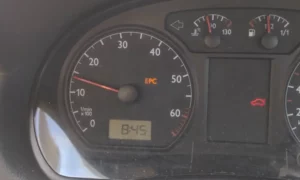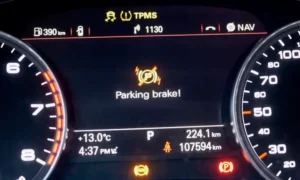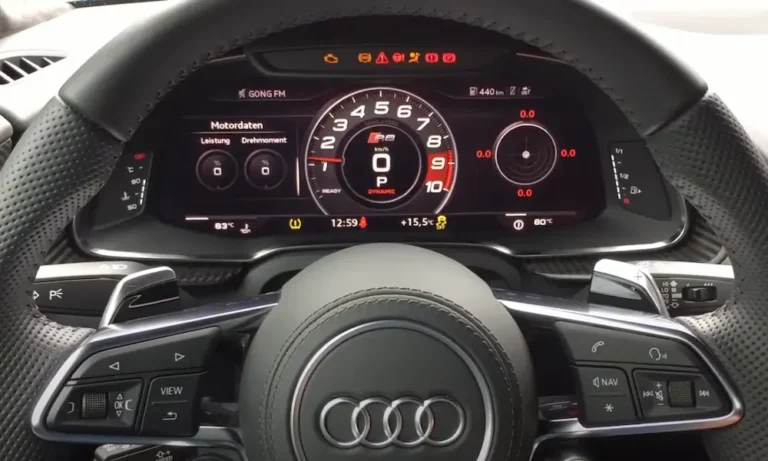
Ever glanced at your dashboard to see a yellow “EPC” light glowing back at you? Your Audi’s Electronic Power Control system is trying to tell you something important. This warning light doesn’t just appear for fun – it signals potential issues with your vehicle’s electronic throttle system that could affect performance and safety.
What Is the Audi EPC Light?
The EPC (Electronic Power Control) light monitors critical components in your Audi’s engine management system. When illuminated, it indicates your car’s computer has detected a problem with the electronic throttle control system or related components.
The EPC system manages several crucial functions in your Audi:
- Throttle body operation
- Engine sensor monitoring
- Traction control integration
- Electronic stability control
- Cruise control functionality
Unlike the check engine light, the EPC specifically targets issues with electronic systems that control your car’s power delivery. When this light comes on, your Audi might also enter “limp mode,” restricting engine power to prevent damage to vital components.
Common Reasons Why Your Audi’s EPC Light Is On
Throttle Body Problems
Throttle body issues are the most frequent culprit behind EPC light activation. Carbon buildup on the throttle valve is particularly common in higher-mileage Audis. This gunk prevents the butterfly valve from moving properly, disrupting airflow and causing poor acceleration and erratic idling.
The throttle position sensor might also be malfunctioning. This component tells your car’s computer exactly how far you’re pressing the gas pedal. When it sends incorrect data, your EPC light will illuminate to prevent potential engine damage.
Ignition System Failures
Worn spark plugs and faulty ignition coils frequently trigger EPC warnings. If your Audi’s spark plugs have exceeded their 30,000-50,000 mile lifespan, they might cause misfires that activate the EPC light. Similarly, bad ignition coils prevent proper spark delivery, leading to rough running and EPC activation.
Sensor and Electrical Issues
Various sensors can trigger EPC warnings when they malfunction:
- Accelerator pedal position sensors determine how far you’re pressing the gas pedal
- Brake light switches tell the car when you’re braking
- ABS sensors monitor wheel speed and rotation
When these components send incorrect signals, your Audi’s computer detects the inconsistency and activates the EPC light as a warning.
How to Reset the Audi EPC Light
Battery Disconnect Method
This simple method works for minor electrical glitches that might trigger the EPC light:
- Turn off your vehicle completely
- Disconnect the negative battery terminal using a wrench
- Wait 10-15 minutes for the electrical system to fully discharge
- Reconnect the terminal securely
- Start your vehicle
This approach has limited effectiveness as it only addresses temporary electrical issues, not underlying mechanical problems.
OBD-II Scanner Reset
For a more reliable reset with success rates of 90-95%, use an OBD-II scanner:
- Locate your Audi’s diagnostic port (usually under the dashboard)
- Connect an OBD-II scanner to this port
- Turn the ignition to the “on” position without starting the engine
- Use the scanner to read any stored trouble codes
- Clear the codes using the scanner’s interface
- Restart your vehicle to check if the EPC light remains off
This method identifies specific faults before clearing them, providing valuable diagnostic information.
Key Cycle Adaptation Method
This middle-ground approach requires no tools but can address certain EPC issues:
- Put your Audi in park with the handbrake engaged
- Insert the key and turn it to the position just before starter engagement
- Press the accelerator pedal fully for three seconds
- Turn the key back without removing it
- Release the pedal and wait exactly two minutes
- Remove and reinsert the key
- Start the engine
This procedure helps recalibrate the throttle body in some cases, potentially resolving EPC warnings related to throttle adaptation.
Throttle Body Reset and Cleaning
For EPC lights caused by throttle body issues, cleaning and reset often provides lasting solutions:
- Disconnect the battery for safety
- Remove air intake components to access the throttle body
- Clean carbon deposits with throttle body cleaner
- Reassemble the system
- Perform throttle adaptation procedures
This more comprehensive approach addresses a common root cause rather than just resetting the warning light.
Is It Safe to Drive With the EPC Light On?
The safety of driving with an illuminated EPC light depends on the severity of symptoms. Here’s what you need to know:
| Severity | Symptoms | Recommended Action |
|---|---|---|
| Critical | EPC light + limp mode + severe performance issues | Stop driving immediately and seek professional help |
| High | EPC light + engine misfiring or shaking | Drive only to the nearest service center |
| Medium | EPC light + reduced power | Limited driving is possible but avoid highways |
| Low | EPC light only, no other symptoms | Monitor for developing issues while arranging service |
Even seemingly minor EPC activations should be addressed promptly to prevent potential escalation into serious mechanical problems. The EPC system is designed to protect your vehicle’s components, and ignoring this warning could lead to more expensive repairs down the road.
DIY vs. Professional EPC Light Reset
When to Try DIY Solutions
Consider attempting DIY reset methods if:
- The EPC light appeared suddenly without other symptoms
- You’re comfortable with basic automotive maintenance
- You have access to the necessary tools
- Your vehicle is out of warranty
The simple reset methods like battery disconnection and key cycling are cost-free options that might resolve temporary EPC activations. However, these approaches only address symptoms rather than underlying causes.
When to Seek Professional Help
Professional diagnosis is recommended when:
- The EPC light keeps returning after resets
- Your Audi has entered limp mode
- There are multiple warning lights illuminated
- You’re experiencing significant performance issues
- Your vehicle is under warranty
Modern Audi electronics are highly sophisticated, and professional diagnostic equipment provides the most accurate analysis. Dealerships and specialized Audi shops have advanced scanners specifically designed for Audi’s complex electronic architecture.
Cost of Fixing EPC Light Issues
The cost to fix EPC-related problems varies significantly based on the underlying cause:
| Issue | Approximate Cost Range |
|---|---|
| Throttle body cleaning | $80-$200 |
| Throttle position sensor replacement | $150-$350 |
| Ignition coil replacement | $200-$400 per coil |
| Spark plug replacement | $150-$300 set |
| Accelerator pedal sensor replacement | $200-$450 |
| Brake light switch replacement | $100-$250 |
| Complex electronic issues | $300-$800+ |
Preventive maintenance plays a crucial role in minimizing these expenses. Regular throttle body cleaning, timely spark plug replacement, and proper attention to engine warning signs can prevent many EPC activations before they occur.
Professional diagnostic services typically cost $80-$150 but can save money in the long run by pinpointing specific issues rather than pursuing a trial-and-error approach to repairs.
Preventing Future EPC Light Problems
Taking proactive steps can help you avoid seeing that yellow EPC light again:
- Follow maintenance schedules: Regular servicing according to Audi’s recommendations prevents many electronic system failures.
- Clean your throttle body: Have your throttle body inspected and cleaned every 30,000-40,000 miles, especially if you notice hesitation or rough idling.
- Replace spark plugs on schedule: Follow Audi’s recommendations for spark plug replacement intervals (typically 30,000-50,000 miles).
- Use quality fuel: Premium fuel as recommended by Audi helps prevent carbon buildup that can affect throttle operation.
- Address warning signs early: Don’t ignore symptoms like rough idling, poor acceleration response, or intermittent throttle behavior.
- Check for software updates: Sometimes EPC issues can be resolved through ECU software updates that your dealer can perform.
- Consider carbon cleaning services: Direct injection engines in many Audis are particularly susceptible to carbon accumulation, making professional cleaning services valuable for long-term system health.
Advanced Diagnostic Tools for Newer Audis
The electronic systems in 2024 and 2025 model year Audis require sophisticated diagnostic equipment. Professional tools from manufacturers like Snap-on provide comprehensive coverage for newer Audi models, including specialized functions for the latest electronic systems.
These professional tools offer:
- Guided component testing
- Real-time data monitoring
- Comprehensive system analysis
- Software update capabilities
The evolution of Audi’s electronic architecture has increased the complexity of EPC system diagnostics. Modern vehicles feature advanced driver assistance systems, multiple communication networks, and sophisticated sensor arrays that require specialized diagnostic approaches.
Taking Action When Your EPC Light Illuminates
When your Audi’s EPC light appears, don’t panic but don’t ignore it either. Here’s a simple action plan:
- Note any accompanying symptoms (reduced power, rough running, etc.)
- Determine if it’s safe to continue driving based on symptom severity
- Try a simple reset if symptoms are minor
- Use an OBD-II scanner if available to read trouble codes
- Schedule a professional diagnosis if the light persists or symptoms are severe
Remember that while resetting the EPC light might temporarily remove the warning, addressing the underlying cause is essential for your Audi’s long-term performance and reliability. The EPC system is designed to protect critical components, and its warnings should be taken seriously.
By understanding what the EPC light means and how to address it properly, you’ll be better equipped to maintain your Audi’s performance and avoid costly repairs down the road.