Owning a BMW with an N20 engine can be a joy – that turbocharged four-cylinder delivers impressive performance and efficiency. But if you’re driving one of these German machines, especially from the 2011-2015 era, you need to know about some serious issues that could leave you stranded. Let’s dive into the most common BMW N20 engine problems and how you can protect your investment.
The Dreaded Timing Chain Failure
If there’s one thing that keeps N20 owners up at night, it’s the timing chain issue. This isn’t your average maintenance concern – it’s potentially catastrophic.
The problem is simple but serious: early N20 engines (2011-2015) used plastic timing chain guides that weren’t up to the job. These guides deteriorate prematurely, causing the timing chain to slacken and eventually fail. And since this is an interference engine, when the timing chain goes, pistons can collide with valves, creating expensive internal damage.
Warning signs include:
- Rattling noise during cold starts
- Whining sound around 4,000 RPM
- Engine misfires or rough idling
- Check engine light
Most failures happen around the 60,000-100,000 mile mark, with 70,000 miles being particularly common. If your BMW falls within this range, consider preventative replacement – it’s cheaper than an engine rebuild. BMW did issue a Technical Service Bulletin and extended warranty coverage in some regions, so check if your vehicle qualifies.
2024 Water Pump Recall: Fire Risk Alert
In August 2024, BMW recalled over 720,000 vehicles with N20 engines due to a serious fire hazard. The water pump’s electrical connector can short-circuit when exposed to blow-by fluid from the crankcase ventilation system.
Affected models include:
- 2012-2015 X1/X1 xDrive
- 2012-2016 Z4 sDrive28i
- 2012-2016 528i/528i xDrive
- 2012-2016 328i/328i xDrive
- 2014-2016 228i/228i xDrive
- And several others
If you own one of these vehicles, contact your BMW dealer immediately. They’ll inspect your car, replace components if needed, and install a protective shield. This is a serious recall announced by BMW that you shouldn’t ignore.
Oil Leaks: The Persistent Nuisance
N20 engines seem to have a knack for finding ways to leak oil. Two main culprits stand out:
Valve Cover Gasket Leaks
The plastic valve cover uses rubber gaskets that simply don’t age well. As they dry and crack, oil begins to seep out. You’ll notice:
- Oil smell, especially after driving
- Visible oil around the valve cover edges
- Oil pooling under your car
This is so common that many owners consider it part of regular maintenance rather than a defect. The valve cover gasket failure often shows up around 65,000 miles.
Oil Filter Housing Gasket
This is another notorious leak point in the N20 engine. What makes this repair particularly painful is that it requires removing the intake manifold for access.
The gasket itself is inexpensive (about $60), but labor costs add up quickly. If you notice oil residue on the front-lower portion of your engine or spots on your driveway, have it checked out. This oil filter housing gasket can cause additional problems if left unaddressed.
High-Pressure Fuel Pump Failures
The N20’s high-pressure fuel pump (HPFP) can fail and create significant drivability issues. When it starts to go bad, you’ll experience:
- Hard starting or extended cranking
- Engine misfires and rough running
- Stalling, especially after auto start-stop activates
- Car going into limp mode
- Trouble code P0087 (low fuel pressure)
Several factors can contribute to HPFP failure, including:
- Internal component wear
- Poor quality oil or inadequate maintenance
- Contaminated fuel
If you’re experiencing these symptoms, don’t delay – have your fuel system checked. Continuing to drive with a failing HPFP can lead to additional engine damage.
The Annoying Wastegate Rattle
Not all N20 problems threaten your engine’s survival. The wastegate rattle falls into the “irritating but not deadly” category.
This metallic rattling noise typically appears:
- At low RPMs
- During deceleration
- When the engine is cold
What’s happening? The wastegate actuator develops slack over time, causing the wastegate flap to rattle. While not mechanically threatening, it can drive owners crazy and potentially worsen over time.
Some DIY-minded owners adjust the wastegate actuator arm to reduce slack, while others replace the entire turbo manifold assembly. Repair kits are available for around $200 if you want to tackle this yourself.
Less Common But Serious Issues
Rod Bearing Failure
While not as prevalent as in BMW’s M engines, some N20 engines have experienced rod bearing failures. This is typically catastrophic, requiring engine replacement or a complete rebuild. Regular oil changes with the correct oil specification can help prevent this issue.
Carbon Build-up
Like many direct-injection engines, the N20 can develop carbon deposits on the intake valves. Without fuel washing over the valves (as in port injection), carbon accumulates over time. This typically becomes noticeable around 30,000-60,000 miles and causes:
- Rough running
- Misfires
- Power loss
Walnut blasting is the most common cleaning method for carbon build-up, though it requires specialized equipment.
Fuel Injector Problems
The direct-injection fuel injectors in the N20 operate under extreme pressure and can fail. Symptoms include:
- Rough idle
- Misfires
- Drivetrain malfunction warnings
Replacement injectors aren’t cheap, but they’re essential for proper engine function.
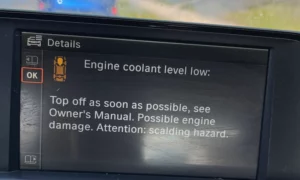
Coolant System Issues
Various coolant leaks can develop, including:
- Turbo coolant line O-ring failures
- Water pump leaks
- Expansion tank cracks
Always investigate any coolant loss promptly, as overheating can quickly damage the N20 engine.
The N20 Maintenance Survival Guide
To keep your N20 engine running reliably:
- Listen for timing chain noise – Address rattling immediately, especially on pre-2015 models
- Change oil every 5,000-7,500 miles – Ignore BMW’s longer intervals
- Use high-quality synthetic oil meeting BMW LL-01 specification
- Inspect common leak areas regularly – Valve cover and oil filter housing
- Address the water pump recall immediately if your vehicle is affected
- Consider preventive timing chain replacement around 80,000-100,000 miles on pre-2015 engines
| Model Years | Common Problems | Typical Failure Mileage | Preventative Action |
|---|---|---|---|
| 2011-2014 | Timing chain failure | 60,000-100,000 miles | Replace chain/guides at ~80k miles |
| All N20 years | Valve cover gasket | 60,000-80,000 miles | Visual inspection every oil change |
| All N20 years | Oil filter housing leak | 70,000+ miles | Check for residue regularly |
| 2012-2015 models | Water pump electrical issue | Any mileage | Complete recall service immediately |
| All N20 years | Carbon buildup | 30,000-60,000 miles | Walnut blasting every ~50k miles |
Is the N20 Engine Reliable Overall?
The N20 has a mixed reputation. Early models (2011-2014) have more serious issues, particularly with the timing chain. BMW addressed many problems with updates in 2015, making later N20 engines more dependable.
With proper maintenance and awareness of common failure points, you can enjoy your N20-powered BMW for many years. The key is preventing major issues before they occur and addressing minor problems promptly.
Don’t let these issues scare you away completely – a well-maintained N20 delivers an excellent balance of performance and efficiency. Just go in with your eyes open and your maintenance schedule strict.
Remember: the most expensive BMW repairs are the ones you postpone until they become emergencies.