Ever seen that dreaded “Engine Malfunction” warning light pop up on your Ford S-Max dashboard? Your heart sinks, your plans change, and suddenly you’re googling repair shops instead of enjoying your drive. This comprehensive guide breaks down what’s actually happening when your S-Max displays this warning, how to diagnose the real problem, and what you can do to fix it.
What Causes Ford S-Max Engine Malfunction Warnings?
When your S-Max flashes the engine malfunction warning, it’s typically signaling one of several possible issues. Let’s explore the most common culprits:
1. ECU/PCM Internal Failures
The Electronic Control Unit (ECU) or Powertrain Control Module (PCM) is essentially your vehicle’s brain. Ford S-Max models, particularly those with Delphi DCM3.5 engine ECUs, can develop internal defects that trigger false sensor readings and engine cut-outs.
Common symptoms include:
- Car cuts out shortly after starting
- Persistent “Engine Malfunction” message
- Engine won’t restart when warm
- Multiple unrelated sensor error codes appearing simultaneously
These internal ECU failures are surprisingly common in the S-Max range and often require specialized repair.
2. Diesel Particulate Filter (DPF) Issues
DPF problems are among the most frequent causes of engine malfunction warnings in diesel S-Max models. The filter becomes clogged with soot particles over time and requires regeneration.
Key indicators of DPF issues include:
- Warning message: “Vehicle conditions incorrect for DPF regeneration”
- High differential pressure readings
- Engine entering limp mode under load
- Fault codes P2463, P246C, or P244C
A blocked DPF can’t properly regenerate, creating a cycle of problems that repeatedly trigger the malfunction warning. Diagnostic recordings often show differential pressure sensor readings well above normal thresholds.
3. Turbocharger Failures
The turbocharger in your S-Max is subject to extreme conditions and can develop problems that trigger malfunction warnings:
- Worn turbo shaft or bearings
- Oil seal leaks allowing oil into the exhaust stream
- Excessive shaft play leading to poor boost performance
You might notice blue or black smoke from the exhaust, loss of power under acceleration, or a whistling noise when accelerating.
4. Timing Chain Issues and Oil Consumption
The 1.6L and 2.0L engines in the S-Max can develop timing chain problems around the 100-150k kilometer mark. According to diagnostics, symptoms include:
- Rattling noise during cold starts
- Unexplained oil consumption
- Rough engine performance
- Potential for chain skip and serious engine damage
These issues often coincide with oil leaks at seals and gaskets, which can indirectly trigger sensor malfunctions and warning lights.
5. Faulty Sensors and Wiring Problems
Several critical sensors can trigger the engine malfunction warning when they fail:
- Camshaft position sensor (error code P0340)
- Mass Airflow (MAF) sensor correlation errors
- Intake air temperature sensor malfunctions
When these sensors provide incorrect data to the ECU, it can’t properly manage engine performance. These sensor issues commonly cause erratic idle, poor acceleration, and limp mode activation.
How to Diagnose Ford S-Max Engine Malfunction
When facing an engine malfunction warning, follow this systematic diagnostic approach:
Step 1: Connect an OBD-II Scanner
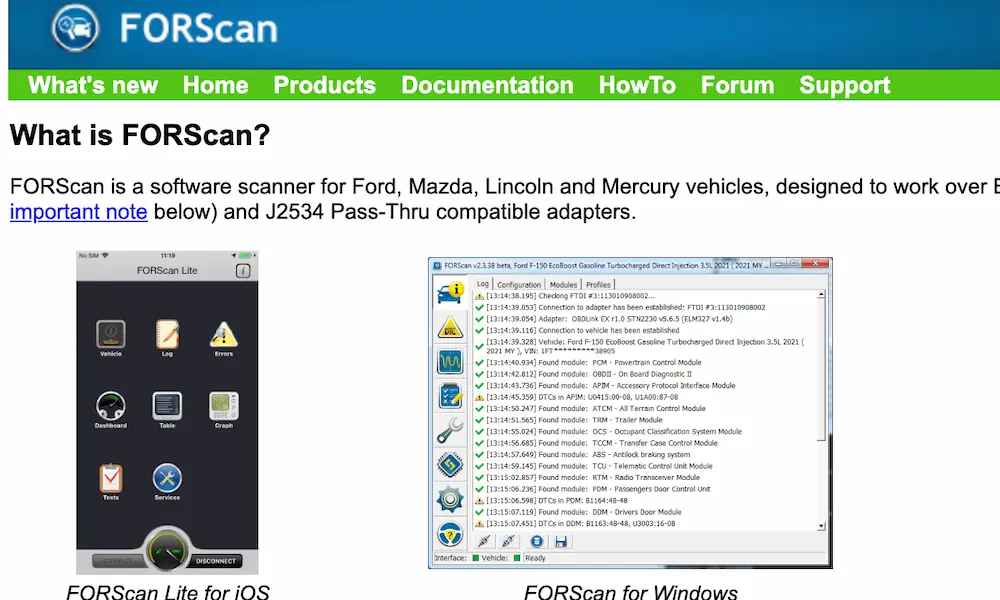
Start with a proper diagnostic scan. You’ll need a scanner capable of reading both generic P0xxx codes and manufacturer-specific P1xxx codes. Look specifically for:
- DPF-related codes (P2463, P246C, P244C)
- Sensor fault codes (P0340, P010F)
- Voltage and ECM power relay codes
Basic code readers may miss crucial Ford-specific codes, so consider using a professional-grade scanner or visiting a specialist shop.
Step 2: Assess ECU Health
If your scan shows multiple unrelated sensor faults or intermittent ECU communication, you might be dealing with internal ECU failure rather than individual component issues.
Professional technicians can perform advanced ECU diagnostics to determine if a remanufacture service is needed. This preserves your original programming while replacing failed components within the control unit.
Step 3: Monitor Live Data
With the right diagnostic equipment, you can observe real-time data streams while the engine runs:
- DPF differential pressure sensor voltage (before and during operation)
- Soot accumulation in short and long-term memory
- Actual vs. expected sensor readings
This live monitoring approach helps identify intermittent problems that might not trigger stored fault codes.
Step 4: Perform Physical Inspections
Don’t skip the hands-on inspection:
- Check for oil leaks around valve covers, gaskets, and the turbocharger
- Listen for timing chain tensioner noise during cold starts
- Examine turbo hoses and intercooler pipes for cracks or leaks
- Inspect the EGR valve for carbon buildup and proper operation
Physical evidence often confirms what diagnostic codes suggest and helps you avoid unnecessary parts replacement.
Ford S-Max Engine Malfunction Solutions
Once you’ve identified the specific cause, here are the most effective solutions for each problem:
ECU/PCM Repairs
For confirmed ECU failures, you have three main options:
- ECU Remanufacture: Send your existing unit to a specialist who can repair internal components while maintaining your vehicle-specific programming. This typically costs £250-450 but provides a long-term solution with warranty coverage.
- New ECU with Programming: The dealership option—purchasing a new unit and having it programmed to your vehicle. This is the most expensive route (£600-900) but uses all new components.
- Used ECU with Reprogramming: A budget option where a used unit is adapted to your vehicle. This carries the risk of inheriting someone else’s problem unit.
DPF Regeneration and Replacement
For DPF issues, consider these solutions:
- Forced Regeneration: A garage can use diagnostic equipment to trigger a manual regeneration cycle, which burns off accumulated soot. This costs around £80-120 and often resolves early-stage blockages.
- DPF Cleaning: Professional chemical cleaning can restore a partially blocked filter for approximately £150-250.
- DPF Replacement: For severely damaged filters, replacement is necessary (£600-1200 depending on part quality). Always use OEM-grade replacements to avoid future compatibility issues.
After any DPF work, it’s crucial to reset the soot level counters in the ECU to ensure proper future regeneration cycles.
Turbocharger Work
When addressing turbo problems:
- Turbo Rebuild: Specialist shops can rebuild your existing turbocharger, replacing worn bearings and seals for about £300-500.
- New Turbocharger: A complete replacement with a new unit costs £600-1000 plus labor but provides maximum reliability.
- Reconditioned Unit: Factory reconditioned turbos offer a middle ground at £450-700.
Whichever route you choose, always replace the oil and filter when completing turbo work, and ensure the oil feed and return lines are clear and undamaged.
Timing Chain Replacement
For timing chain issues:
- Complete Kit Replacement: Replace the chain, guides, and tensioner as a set ($250-400 for parts plus 4-8 hours of labor).
- Oil Seal Replacement: Address any oil leaks at the same time to prevent recurrence of related issues.
This job requires precise timing and special tools, making it best suited for experienced mechanics. Avoid shortcuts with timing chain work, as improper installation can cause catastrophic engine damage.
Sensor and Wiring Repairs
For sensor-related problems:
- Sensor Replacement: Individual sensors like the camshaft position sensor ($40-80) or MAF sensor ($80-150) are relatively affordable.
- Wiring Harness Repair: Damaged wiring requires careful inspection and repair. Focus on areas near heat sources or where wiring might chafe against engine components.
- Connector Cleaning: Sometimes, simply cleaning corroded electrical connections resolves intermittent sensor faults.
Always clear fault codes after sensor replacement and perform a road test to confirm the fix before concluding the repair.
Preventive Maintenance to Avoid Future Warnings
Want to keep that engine malfunction warning at bay? Here’s what helps:
Regular Driving Patterns
DPF systems need regular highway driving to perform passive regeneration:
- Take at least one 20-minute highway drive (above 2000 RPM) weekly
- Avoid exclusively short trips in city traffic
- Don’t repeatedly interrupt DPF regeneration cycles
These driving habits alone can prevent many DPF-related malfunction warnings.
Fluid Maintenance Schedule
Follow this enhanced maintenance schedule to protect your S-Max:
| Maintenance Item | Standard Interval | Enhanced Interval for High Reliability |
|---|---|---|
| Engine Oil & Filter | 10,000-12,500 miles | 7,500-8,000 miles with correct spec oil |
| Fuel Filter | 20,000-25,000 miles | 15,000-18,000 miles |
| Air Filter | 20,000 miles | 15,000 miles or annually |
| EGR Cleaning | Not specified | Every 30,000 miles |
| Timing Belt/Chain Check | 75,000-100,000 miles | Visual inspection at 50,000 miles |
Using manufacturer-spec oils and filters is particularly important for the S-Max’s sensitive engine management system.
Quality Fuel and Additives
The fuel you choose impacts engine health:
- Use higher-grade diesel when available
- Consider periodic use of quality fuel system cleaners
- Add diesel anti-gel additives in extremely cold conditions
For diesel S-Max models, these practices help prevent carbon buildup in the EGR system and protect the turbocharger bearings from premature wear.
Professional ECU Calibration Updates
Ford occasionally releases ECU software updates that improve:
- DPF regeneration strategies
- Fuel mapping
- Sensor threshold calibrations
Check with your dealer if any updates are available for your specific model year. These updates can sometimes resolve recurring warning light issues without parts replacement.
The Technical Background: Why S-Max Engine Malfunction Warnings Occur
The Ford S-Max uses a sophisticated engine management system that constantly monitors dozens of parameters to optimize performance and emissions. When values fall outside acceptable ranges, the system enters a protective “limp mode” to prevent damage.
Understanding the technical background helps explain why these warnings sometimes appear seemingly without cause:
- Adaptive Learning: The ECU constantly adapts to your driving style, fuel quality, and component wear. When multiple parameters change simultaneously (like after a battery disconnect), the system may temporarily flag errors until it relearns normal patterns.
- Sensor Threshold Design: Ford’s sensor thresholds are intentionally conservative to protect the engine. This means warnings sometimes trigger before physical damage occurs.
- Interconnected Systems: The DPF, EGR, and turbocharger form an interconnected emissions system. Problems in one area often cascade to others, creating multiple error codes that can confuse diagnosis.
Bottom Line on Ford S-Max Engine Malfunction Warnings
The “Engine Malfunction” warning on your Ford S-Max doesn’t necessarily mean catastrophic failure is imminent. In most cases, it signals one of the specific issues we’ve covered that can be addressed with proper diagnosis and targeted repairs.
By understanding the common causes, following the diagnostic workflow, and implementing the preventive maintenance strategies outlined here, you can minimize downtime and avoid the frustration of recurring warnings.
Remember that electrical and emissions system components are particularly sensitive in modern diesel engines. Investing in quality parts and proper diagnostic procedures pays off in long-term reliability for your S-Max.