Has your Ford Fiesta suddenly displayed the dreaded “Engine Malfunction Service Now” message? Don’t panic. While it’s definitely not something you want to ignore, understanding what this warning means and how to respond can save you time, money, and unnecessary stress.
This guide walks you through exactly what this warning indicates, the most common causes in Ford Fiestas, and what steps you should take right now. We’ll cover DIY checks you can perform and when it’s time to call in the professionals.
What Does “Engine Malfunction Service Now” Actually Mean?
When your Ford Fiesta displays the “Engine Malfunction Service Now” warning, it’s more serious than just a regular check engine light. This message appears when your vehicle’s computer (ECU) has detected a significant problem that requires immediate attention.
The warning indicates an issue that could potentially:
- Damage your engine if left unaddressed
- Reduce performance and fuel efficiency
- Create unsafe driving conditions
- Cause you to fail emissions testing
- Lead to more expensive repairs if ignored
Pay close attention to how the warning appears. If it’s steady, you can typically drive carefully to a repair facility. However, if the message flashes or comes with a flashing check engine light, stop driving immediately and arrange for a tow to avoid serious damage to your catalytic converter.
Common Causes of Engine Malfunction Warnings in Ford Fiestas
Several components and systems can trigger this warning in your Fiesta. Here are the most common culprits:
1. Loose or Damaged Fuel Cap
This might seem minor, but a loose, damaged, or poorly sealed fuel cap is one of the most common reasons for engine warnings. When the fuel system can’t maintain proper pressure, the ECU detects an evaporative emissions leak.
Signs: The warning appears shortly after refueling.
Quick fix: Check if your fuel cap is tightened properly (listen for clicking sounds as you tighten). Inspect for cracks or damage to the cap or seal.
2. Faulty Oxygen (O₂) Sensor
The O₂ sensor monitors the oxygen content in your exhaust gases and helps regulate the air-fuel mixture. When it fails, your engine can run too rich (too much fuel) or too lean (not enough fuel).
Signs: Poor fuel economy, rough idling, hesitation during acceleration.
Impact: Beyond the warning light, a bad O₂ sensor can reduce your fuel efficiency by up to 40% and eventually damage your catalytic converter.
3. Mass Air Flow (MAF) Sensor Issues
The MAF sensor measures the amount of air entering your engine. When it’s dirty or failing, your Fiesta’s computer can’t properly calculate how much fuel to deliver.
Signs: Stalling, hesitation when accelerating, surging at idle, hard starting.
Diagnosis: Ford Fiestas commonly experience MAF sensor issues, which often register as specific trouble codes when scanned.
4. Ignition System Problems
Faulty ignition coils or worn spark plugs are another common trigger for engine malfunction warnings in Fiestas.
Signs: Engine misfires, rough running, poor acceleration, increased fuel consumption.
Urgency level: If you experience misfires (engine shaking/stumbling), this requires immediate attention as it can quickly damage your catalytic converter.
5. Throttle Body Carbon Buildup
Carbon deposits on the throttle body can cause irregular airflow and erratic engine response.
Signs: Uneven idle, hesitation when pressing the accelerator, stalling.
Prevalence: This is especially common in direct-injection engines like those in many Ford Fiestas.
6. Electrical and Charging System Faults
Battery and alternator problems can trigger engine warnings when voltage drops too low for proper engine management.
Signs: Warning lights, difficulty starting, dimming headlights.
Chain reaction: A weak battery or failing alternator can cause the ECU to enter a protective “limp-home” mode with reduced performance.
7. Catalytic Converter Issues
While often the victim of other problems rather than the cause, a failing catalytic converter can trigger the engine malfunction warning.
Signs: Reduced acceleration, excessive heat under the vehicle, rotten egg smell.
Prevention: Addressing misfire codes quickly helps prevent catalytic converter damage, which is an expensive repair.
Diagnostic Steps You Can Take
Before heading to the mechanic, here are some steps you can take to potentially identify or even resolve the issue:
1. Basic Visual Inspection
First, perform these simple checks:
- Ensure your fuel cap is properly tightened
- Look for any obviously disconnected hoses or electrical connectors
- Check for fluid leaks under the vehicle
- Inspect battery terminals for corrosion
2. Use an OBD-II Scanner
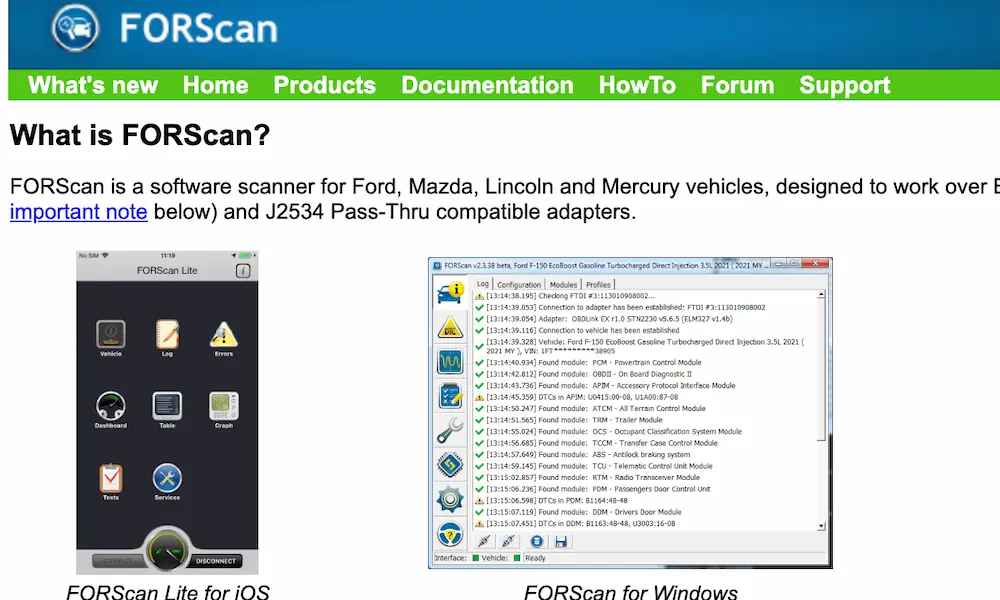
An OBD-II scanner can read the specific trouble codes from your Fiesta’s computer, pointing you toward the exact system or component that’s causing the issue.
Where to access: The OBD-II port is typically located under the dashboard on the driver’s side.
Code examples:
- P0171: System too lean (possible vacuum leak or MAF sensor issue)
- P0300-P0304: Cylinder misfire codes (spark plugs or coils)
- P0420: Catalytic converter efficiency below threshold
Many auto parts stores will scan your vehicle for free, or you can purchase an inexpensive Bluetooth scanner that works with smartphone apps.
3. Reset Warning (Temporary Fix)
If you’ve addressed a minor issue like a loose fuel cap, you might be able to reset the warning:
- With the engine off, turn the key to the “ACC” position
- Press and hold both the brake and accelerator pedals for approximately 30 seconds
- Release both pedals, turn the key off for 10 seconds, then start the engine
Note: This reset is temporary if the underlying issue isn’t fixed. The warning will return once the ECU detects the problem again.
Repair Recommendations for Common Issues
Based on your diagnostic findings, here are repair approaches for common problems:
Fuel System Issues
- Replace cracked or damaged fuel cap with an OEM part
- Check for fuel pressure issues with a pressure gauge
- Inspect fuel lines for leaks or damage
Sensor Problems
- Clean the MAF sensor with electronics-safe MAF cleaner
- Replace faulty O₂ sensors with OEM or high-quality aftermarket parts
- Reset the ECU after sensor replacement to allow for adaptation
Ignition System Fixes
- Replace spark plugs according to Ford’s recommended intervals
- Inspect and replace faulty ignition coils
- Use only OEM-grade parts for the ignition system
Throttle Body Maintenance
- Clean carbon deposits from the throttle body
- If cleaning doesn’t resolve sticking issues, replacement may be necessary
- Perform throttle body relearn procedure after cleaning
Electrical System Solutions
- Test battery voltage (should be 12.6V when off, 13.7-14.7V when running)
- Replace weak batteries with a high-quality unit
- Have the alternator tested if voltage is low while the engine is running
Cost Estimates for Common Repairs
Understanding potential costs helps you prepare financially:
| Repair | DIY Cost | Professional Cost | Difficulty Level |
|---|---|---|---|
| Fuel Cap Replacement | $15-30 | $50-75 | Easy |
| O₂ Sensor Replacement | $50-150 per sensor | $150-300 per sensor | Moderate |
| MAF Sensor Replacement | $75-300 | $200-400 | Moderate |
| Spark Plugs | $30-60 for set | $150-250 | Moderate |
| Ignition Coils | $30-80 each | $150-300 | Moderate |
| Throttle Body Cleaning | $10-20 (cleaner) | $100-200 | Moderate |
| Throttle Body Replacement | $150-400 | $300-600 | Difficult |
| Catalytic Converter | $300-1,000 | $500-1,500 | Very Difficult |
Preventing Future Engine Malfunction Warnings
To reduce the likelihood of seeing this warning again:
- Follow Ford’s maintenance schedule for your specific Fiesta model year
- Use quality fuel from reputable stations
- Address minor issues promptly before they cascade into bigger problems
- Replace wear items preemptively (spark plugs, filters, etc.)
- Check for technical service bulletins (TSBs) that might indicate known issues for your vehicle
The Ford Fiesta has generally proven reliable, but like all vehicles, it has common problem areas worth monitoring, especially as it ages.
Driving Safely With an Engine Malfunction Warning
If you must drive with the warning light on (not flashing):
- Avoid high speeds and heavy acceleration
- Don’t tow anything
- Monitor engine temperature closely
- Be prepared to pull over if you notice any change in vehicle behavior
- Get to a repair facility as soon as reasonably possible
Remember that continuing to drive with certain engine problems can transform a simple fix into a major repair. The engine malfunction warning is designed to protect both you and your vehicle.
Final Thoughts
The “Engine Malfunction Service Now” message in your Ford Fiesta requires attention but doesn’t always mean catastrophic problems. By understanding the common causes and taking a systematic approach to diagnosis, you can often identify the issue yourself before deciding whether DIY repair or professional service is appropriate.
Prompt attention to this warning not only keeps your Fiesta running smoothly but also prevents more expensive repairs down the road. And remember—regular maintenance is your best defense against seeing this warning in the first place.