Dead battery, empty parking lot, no idea what to do next? AAA might be your fastest fix. But does AAA replace batteries, or do they just jump-start your car and leave? This post breaks down exactly what AAA offers, how much it costs, and what you need to know before you call them.
Yes, AAA Does Replace Batteries
AAA doesn’t just give your car a jump. Their Mobile Battery Service sends a certified technician directly to you — at home, at work, or on the side of the road — to test and replace your battery on the spot.
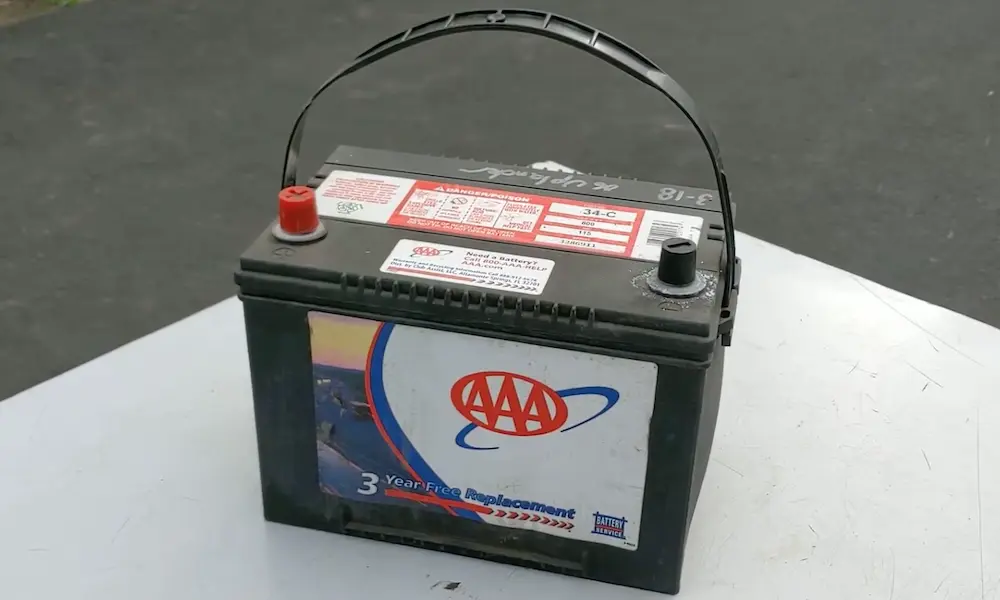
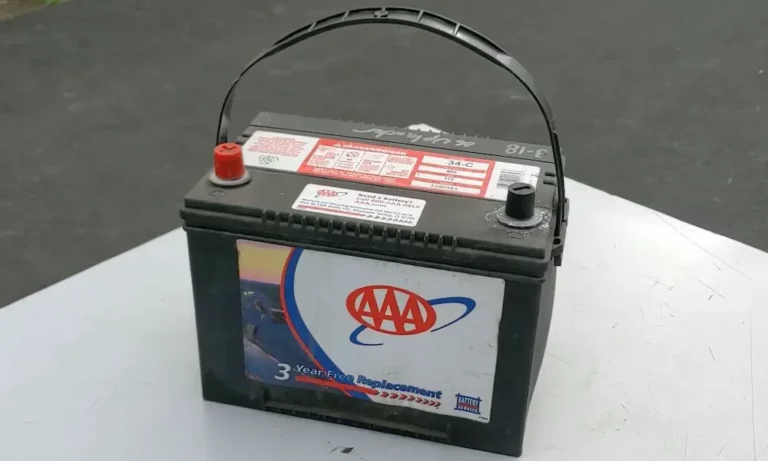
The service runs 24/7, 365 days a year. The technician brings a fresh AAA-branded battery (activated at the factory less than 150 days before your appointment), installs it, and hauls away your old one for recycling. No tow truck needed. No waiting at a shop.
What Does AAA’s Battery Service Actually Include?
Here’s what you get when a AAA technician shows up:
- Full diagnostic testing using conductance battery testers that detect weak internal cells without needing a full recharge first
- Charging system check — they test your alternator too, not just the battery
- Physical inspection for corrosion, loose connections, and faulty hold-down clamps
- On-site installation of a replacement battery if needed
- Free recycling of your old battery
- A 3-year free nationwide replacement warranty on the new battery
One thing worth knowing: if your car dies after a jump-start or stalls right after the cables come off, the problem might be your alternator, not your battery. A healthy alternator delivers between 13.8 and 14.5 volts. AAA’s diagnostic checks for that too.
How Much Does AAA Battery Replacement Cost?
Pricing depends on your battery type and membership status. Standard batteries start at $204.99 for mobile service.
Members save $22 to $32 off regular pricing on mobile battery calls. Non-members can still get service — but there’s a catch (more on that below).
Three Ways AAA Replaces Your Battery
You’ve got options beyond the roadside truck. Here’s how the three service channels compare:
| Service Option | How It Works | Member Savings | Warranty |
|---|---|---|---|
| AAA Mobile Battery Service | Technician comes to you | $22–$32 off | 3-year free replacement |
| AAA Car Care Center / Approved Repair Facility | You drive to a shop | $22+ off battery, or 10% off labor (up to $75) | 3-year free replacement |
| NAPA Auto Parts (DIY) | Buy the battery yourself | $22 (up to 14%) off retail price | 3-year free replacement |
All three routes come with the same 3-year warranty. The mobile option is the most convenient. The NAPA route works if you’d rather swap the battery yourself and save on labor.
What If You’re Not a AAA Member?
You can still get roadside battery service without a membership. Here’s how it works:
- Buy an annual AAA membership on the spot
- Pay a non-refundable immediate-use fee of $75–$125 (varies by region)
- That fee applies to any roadside requests filed within your first three days of membership
It’s not the cheapest way to go, but if you’re stranded with no other options, it gets the job done.
Some regional clubs sweeten the deal for existing members. For example, AAA Washington members who buy a premium battery during a mobile roadside call don’t lose one of their annual emergency service allowances.
How to Request AAA Battery Service
Got a dead battery right now? Here are all the ways to reach AAA:
| Contact Method | Details | Available |
|---|---|---|
| Mobile Battery Line | 1-877-516-0528 | 24/7 |
| Roadside Assistance Line | 1-800-AAA-HELP (1-800-222-4357) | 24/7 |
| AAA Mobile App | Request via smartphone | 24/7 |
| Online Portal | AAA.com/BatteryService | 24/7 |
The online portal takes under four minutes to submit a request. When you call or submit online, have your vehicle’s make, model, year, and engine type ready. The system uses that info to generate an instant price quote and make sure the technician brings the right battery.
Which Battery Type Does Your Car Need?
This part matters more than most people realize. AAA technicians work with three main battery types, and picking the wrong one can damage your car’s electrical system:
Standard Flooded Lead-Acid
The traditional option. Uses liquid electrolyte. Requires ventilation because it vents gas during normal use. Works fine for most older vehicles.
Enhanced Flooded Battery (EFB)
A step up from standard. Thicker internal plates and calcium alloys give it a longer cycle life. Good for vehicles with light start-stop systems.
Absorbent Glass Mat (AGM)
The premium choice. Fiberglass mats hold the electrolyte, making it spill-proof and vibration-resistant. It’s 40% to 100% more expensive than standard flooded batteries — but if your car came with one, don’t swap it for a cheaper model.
Here’s why that last point is critical: modern vehicles with AGM batteries have charging systems tuned specifically for AGM charge-acceptance rates. Drop in a standard flooded battery, and your charging system will mismanage it from day one.
The Battery Management System Reset (Don’t Skip This)
Many newer cars — especially those with automatic start-stop engines — have a Battery Management System (BMS). This system tracks your battery’s age, temperature, and voltage, then adjusts how the alternator charges it.
When you install a new battery, the BMS needs to be reset. Skipping this step causes real problems:
- The alternator overcharges the new battery using settings meant for the old one
- The battery undercharges, building up sulfate crystals that kill capacity early
- Start-stop systems stop working, so your engine runs at every red light
- Electrical glitches appear — sluggish windows, blown fuses, dashboard warning lights
AAA technicians use a diagnostic scan tool connected to your car’s OBD port to perform this reset properly. Some vehicles also support a manual reset sequence — typically involving flashing your high beams five times and pressing the brake pedal three times with the ignition on — but this only works on select compatible models.
Cold Weather and Your Battery: What You Need to Know
Cold weather hits batteries hard. At 32°F, a standard car battery only operates at 65% efficiency — both for delivering starting power and accepting a charge.
Short winter trips make this worse. Your alternator needs at least 10 consecutive minutes of driving to replenish what the cold start burned. Short grocery runs don’t cut it.
Here’s how to protect your battery in winter:
- Drive for at least 10 minutes after a cold start to let the alternator recharge
- Use a battery maintainer or trickle charger if your car sits idle for more than three weeks
- Park in a garage when temperatures drop below zero
- Never try to jump-start a frozen battery — the casing can crack, short-circuit internally, or explode
A frozen battery is a safety hazard, not just a dead one. If you suspect your battery froze overnight, don’t touch it until a technician has a look.
Understanding the AAA Battery Warranty
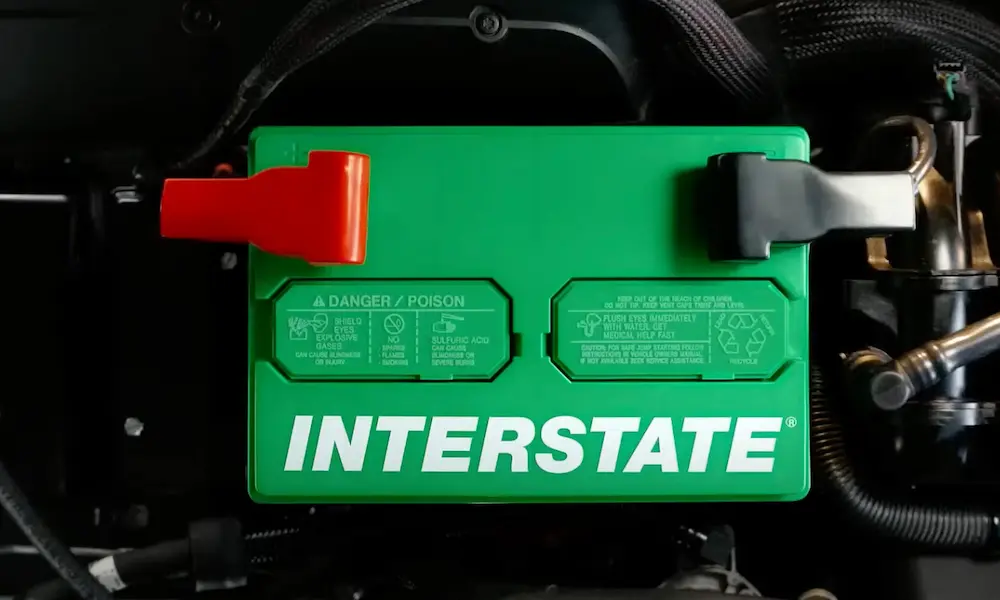
AAA batteries come with a structured warranty administered in partnership with Interstate Batteries, covering the U.S. and Canada.
| Warranty Period | What You Get |
|---|---|
| Months 0–36 | Free battery replacement, labor included |
| Months 37–48 | 40% off current AAA battery price |
| Months 49–60 | 25% off current AAA battery price |
| Months 61–72 | 10% off current AAA battery price |
The first three years are the most valuable — full replacement, no questions, no labor charge. After that, you get a sliding discount if you need a new one.
What the warranty doesn’t cover:
- Leaving your lights on and draining the battery
- Physical damage or cracked casing
- Frozen cells
- Overcharging
- Modifications to the battery or vehicle
Commercial vehicle exception: If the battery goes into a commercial truck, a vehicle carrying more than one ton, or a diesel-powered vehicle (excluding personal diesel cars and light pickups), the free replacement coverage drops to one year only. All the discount phases after that disappear entirely.
Transferability: The warranty only transfers to a new owner if you sell the vehicle to another active AAA member. Sell to a non-member? The warranty voids immediately. Move the battery to a different vehicle? Also void.
One more thing most people overlook: the warranty includes a binding arbitration clause. Any dispute about your battery purchase must go through individual arbitration — not a class-action lawsuit, not a jury trial. You’ve also got a two-year window to file any claim after the problem occurs.
Is AAA Battery Replacement Worth It?
If you’re already a AAA member, the mobile battery service is genuinely one of the most convenient options out there. A technician comes to you, runs a full diagnostic, installs the right battery for your car, handles the BMS reset if needed, and recycles your old one. The 3-year free replacement warranty is solid too.
If you’re not a member and you’re just comparing prices at a shop, it’s worth doing the math. The $22–$32 member discount plus the convenience factor often tips the scale — especially in bad weather or awkward locations where you really don’t want to be swapping a battery yourself.
The key takeaway: AAA doesn’t just replace batteries. They diagnose your entire starting and charging system before touching anything. That’s the part that makes the service worth more than a simple parts swap.