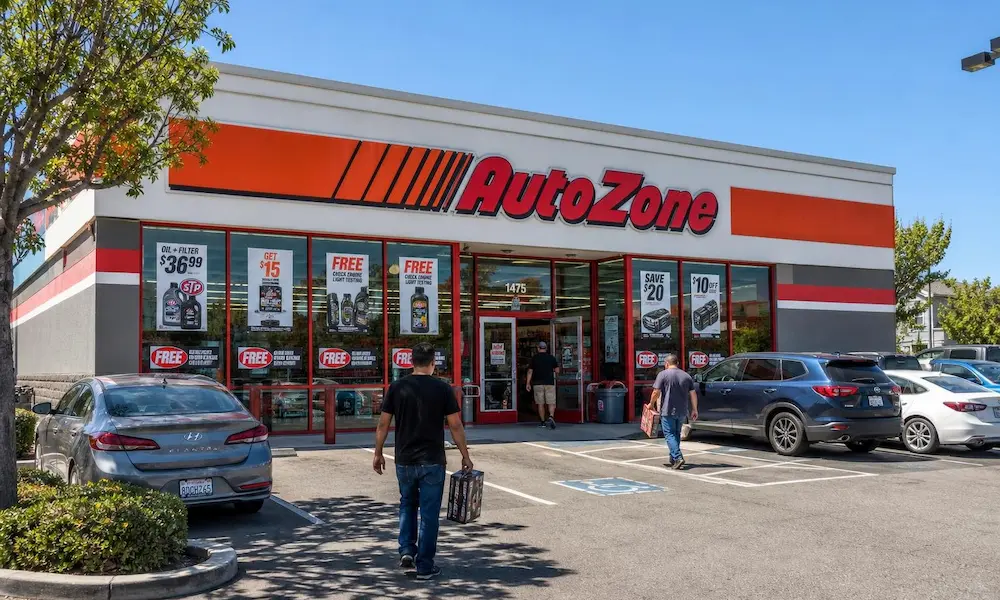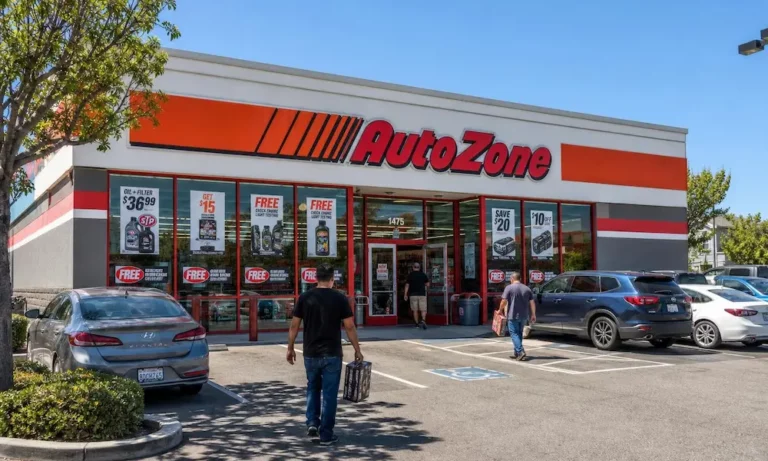
Your car won’t start, and you need a battery — fast. AutoZone is right down the street. But does AutoZone install batteries, or will you end up carrying a heavy battery home to wrestle with yourself? The answer depends on a few things most people don’t know going in. Read to the end, and you’ll know exactly what to expect before you pull into that parking lot.
Yes, AutoZone Installs Batteries — But There’s a Catch
AutoZone does install batteries, and for most drivers with a standard vehicle, it’s completely free. Walk in, buy a battery, and an associate will swap it out in the parking lot at no extra charge.
But here’s the thing: it’s classified as a courtesy service, not a guaranteed one. That means the store can decline based on your car, the weather, or a handful of other factors. It’s not a bait-and-switch — it’s just more conditional than the signage suggests.
Think of it like a neighbor offering to help you move. They want to help, but if you’ve got a piano on the third floor with no elevator, they might politely back out.
What AutoZone Actually Offers for Free
Before we get into when they’ll say no, here’s the full picture of what AutoZone provides at no cost:
| Service | What You Get |
|---|---|
| Battery testing | Full state-of-health diagnostic on the spot |
| Battery charging | Free 30-minute charge if your battery isn’t dead — just drained |
| Battery installation | Free on most standard vehicles |
| Old battery recycling | They take your old one; you get a $10 credit if you’re not buying |
| Check engine light scan | Free Fix Finder scan for dashboard warning lights |
The testing piece matters more than people realize. A dead battery and a bad alternator look the same from the driver’s seat. AutoZone’s free diagnostic testing can tell the difference. You don’t want to buy a new battery when the real problem is your alternator draining it overnight.
When AutoZone Will — and Won’t — Install Your Battery
This is where it gets real. AutoZone associates are trained to install batteries that are easy to access with basic hand tools. If your battery is tucked away somewhere weird, expect a polite refusal.
Vehicles They’ll Usually Install
- Standard engine bay batteries with clear access to terminals
- Common domestic and Japanese makes (Toyota, Honda, Ford, Chevy, etc.)
- Older vehicles without complex electronics tied to the battery
Vehicles They’ll Likely Decline
| Battery Location | Likely Outcome | Why |
|---|---|---|
| Under the engine cowl or crossbar | Discretionary | Requires panel removal |
| Under the rear seat or passenger seat | Usually refused | Risk of damaging interior or airbag sensors |
| In the trunk | Usually refused | Interior damage risk; venting reconnection needed |
| Wheel well or behind fender liner | Always refused | Requires lifting the car — not a parking lot job |
| Near ECM or fuse box | Always refused | One wrong move can fry the car’s computer |
Certain Dodge and Chrysler models, for example, hide the battery behind the fender. Getting to it requires a jack, stands, and a removed wheel. That’s a mechanic’s bay job — not a parking lot swap.
AutoZone’s internal computer system (called Z-net) flags specific vehicles with warnings like “Professional Install Required.” Associates check these notes before agreeing to anything.
The Hidden Problem: Modern Cars Need More Than a Swap
Here’s something most people don’t know. A lot of newer vehicles have a Battery Management System (BMS) that needs to be reset after you install a new battery.
If it doesn’t get reset, your car’s computer keeps charging the new battery like it’s the old, worn-out one. That means potential overcharging, warning lights, and a new battery that dies ahead of schedule. Resetting the BMS requires proprietary software — and AutoZone doesn’t carry it for most European brands.
BMW, Mercedes, Audi, and similar vehicles almost always need professional battery registration. The swap itself might be easy. But without that computer reset, you’re setting yourself up for problems down the road.
There’s also the memory wipe issue. Disconnecting a modern battery without a “memory saver” device can cause you to lose:
- Radio presets and Bluetooth pairings
- Clock settings
- Transmission shift points
- Idle calibration data
AutoZone associates can use a memory saver — but using one keeps the battery cables live, which increases the short-circuit risk during the swap. It’s a trade-off either way. If electrical issues after replacing your car battery are a concern, it’s worth knowing this before you go in.
Weather and Conditions That Can Pause Your Install
AutoZone installs happen in the parking lot. That means real-world conditions call the shots.
Associates can — and regularly do — decline installs when:
- It’s pouring rain: Water near live battery terminals is a legitimate shock and short-circuit risk
- It’s over 100°F: Heat exhaustion is a real concern for employees working outside
- It’s below freezing: Plastic clips and connectors get brittle and snap during removal
- It’s dark or poorly lit: Reversed polarity mistakes are more likely at night
- Your terminals are heavily corroded: Severe terminal corrosion can fuse the clamp to the post, and forcing it off can snap your battery cable
None of this is unreasonable. These are real safety concerns — for the associate and your vehicle.
How the Core Charge Works (Don’t Get Caught Off Guard)
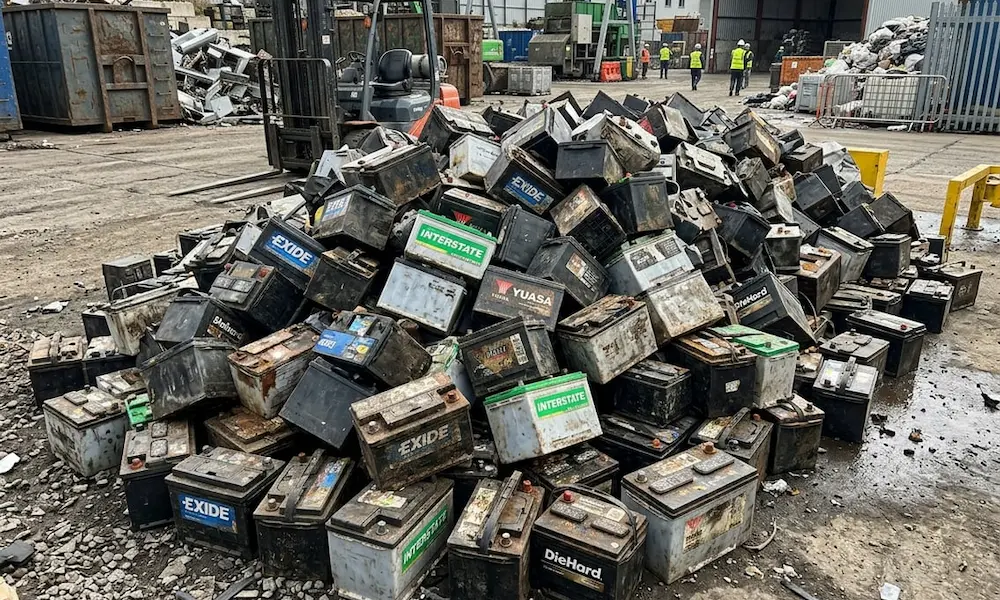
When you buy a battery at AutoZone, you’ll see a core charge added to your receipt. It typically runs $18–$22 and exists because lead-acid batteries are hazardous waste — and the government wants them back.
Here’s how the core charge plays out:
| Situation | What Happens |
|---|---|
| You bring your old battery in at purchase | Core charge is waived — you never pay it |
| You buy first, return old battery later | You pay the charge upfront, get refunded within 90 days |
| You don’t have a receipt | AutoZone can often look up your purchase by phone number |
| You have an old battery sitting in your garage | Bring it in for a $10 merchandise credit, no purchase required |
Don’t throw your old battery in the trash. Lead and sulfuric acid don’t belong in a landfill — and AutoZone recycles nearly 100% of the material back into new batteries.
Step-by-Step: What Happens When You Go to AutoZone for a Battery
Here’s the process from start to finish so you know what to expect:
- Drive in or walk up — an associate brings out the handheld tester and checks your battery’s voltage and cold-cranking amps right at your car
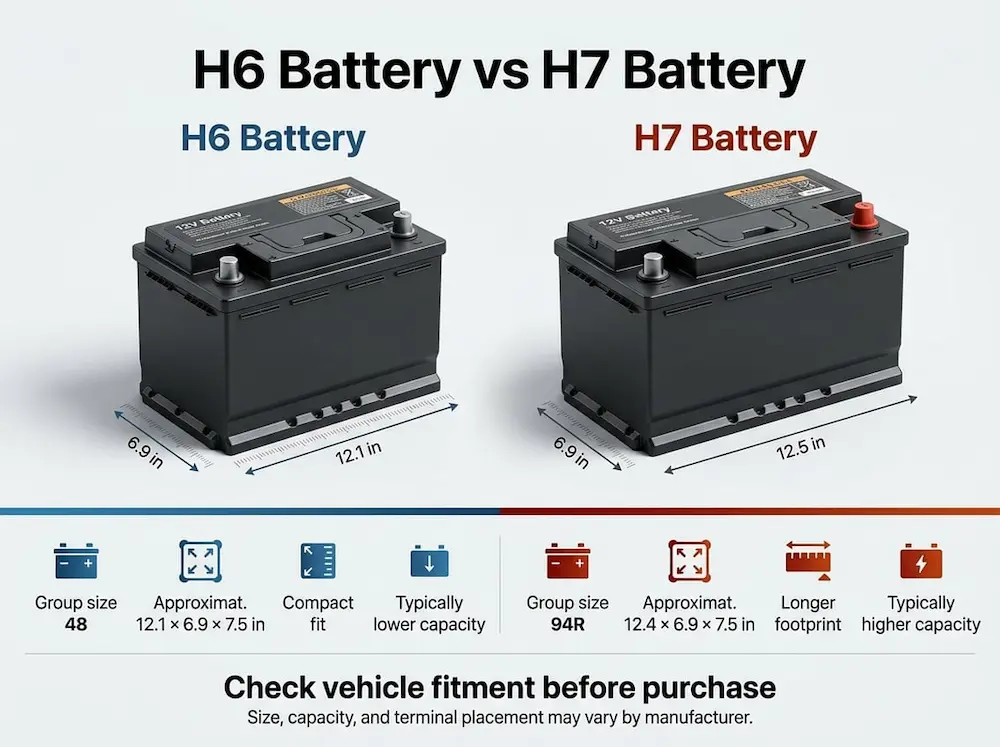
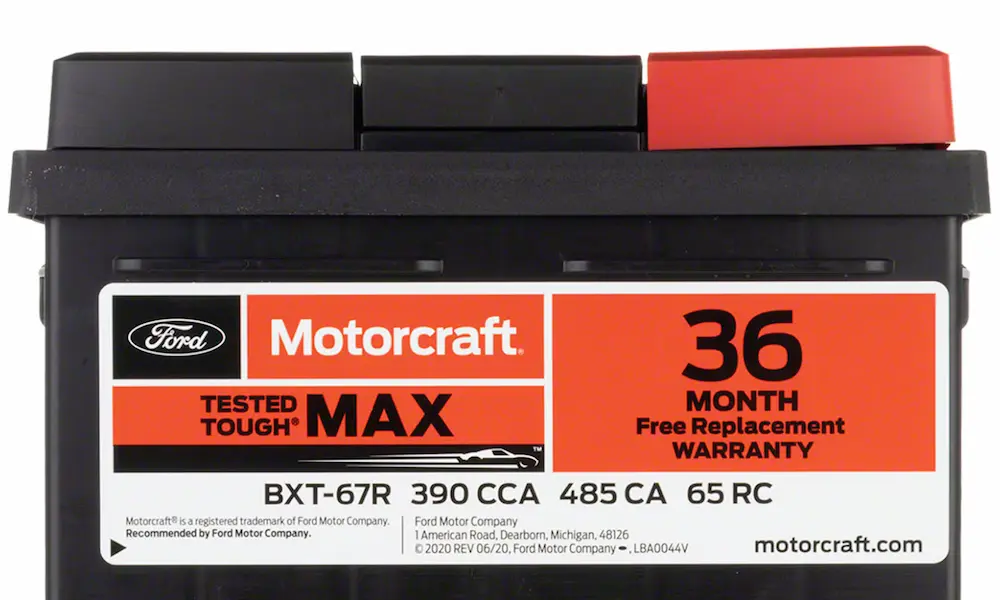
- If it’s dead, they’ll confirm it and help you find the right replacement by group size and power rating
- They check the core situation — if you brought your old battery, the charge disappears from your total
- They look up your vehicle in Z-net — this is where they’ll see any flags about your car’s battery location
- If it’s a go, they disconnect the negative cable first (to prevent shorts), then positive, swap the battery, clean the terminals, and reconnect positive first, then negative
- Your old battery goes straight to recycling, and you drive off with a receipt for your warranty records
The whole thing usually takes 15–30 minutes for a standard install.
What Your Battery Warranty Covers
AutoZone sells batteries at a few different tiers, and each comes with its own warranty window:
| Battery Tier | Free Replacement Period |
|---|---|
| Economy/Standard | 90 days to 1 year |
| Mid-Tier (Duralast) | 2 years |
| Premium/Gold/Platinum | 3 years |
| Marine/RV | 1–2 years |
If it fails within the free replacement window, you get a new one at no cost. After that window closes (but still within the warranty’s total life), you get a pro-rated credit toward a new battery based on remaining time.
One thing worth knowing: these warranties don’t transfer. If you sell the car, the warranty stays with you — not the vehicle.
So Should You Go to AutoZone for a Battery?
If you drive a standard domestic or Japanese vehicle and your battery is in a normal engine bay location, yes — AutoZone is a solid, convenient option. You’ll get a free diagnostic, a competitively priced battery, free installation, and responsible recycling for your old unit.
If you drive a European luxury vehicle, a newer car with a BMS, or anything with a battery hidden in an unusual spot — go straight to a mechanic or dealer. The swap itself might be simple, but the computer registration isn’t, and skipping it can cost you more than you saved on a free install.
Either way, testing before buying is always the smart move. It takes five minutes and might save you from buying a battery you don’t actually need.