Got a dead car battery taking up space in your garage? You might be sitting on more money than you think. This guide breaks down exactly who buys batteries for cash, how much you’ll actually get, and the legal hoops you’ll need to jump through depending on your state.
The Short Answer: Who Buys Batteries for Cash?
Several types of buyers will pay you for used batteries, but how much you get depends entirely on what type of battery you have and how many you’re selling.
Here’s the quick breakdown:
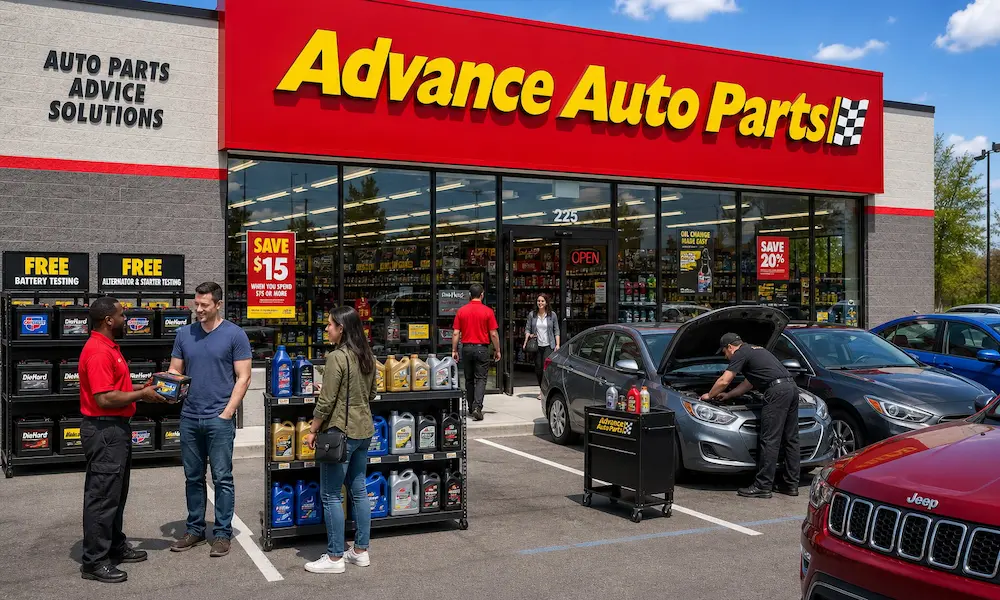
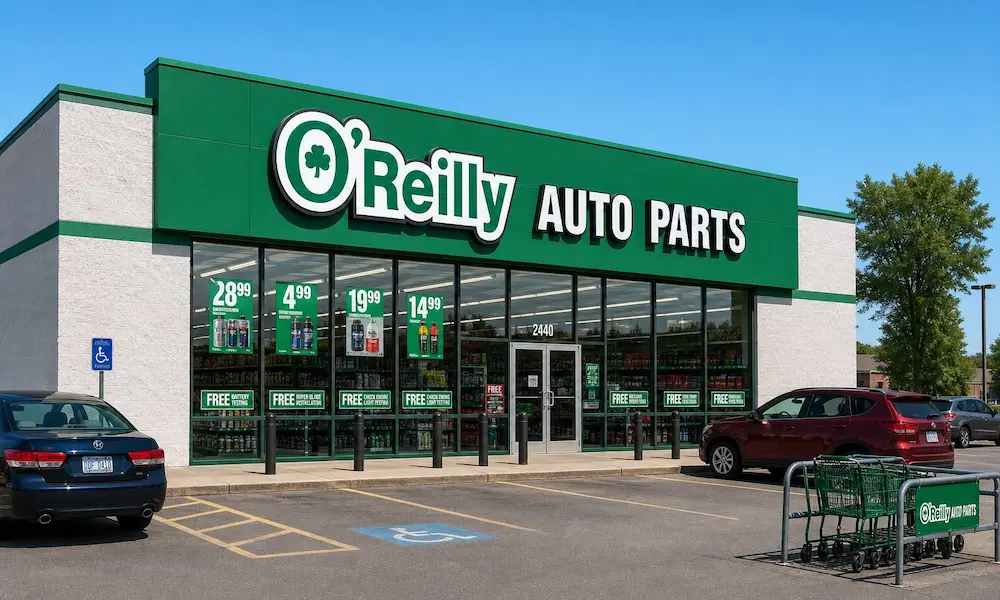
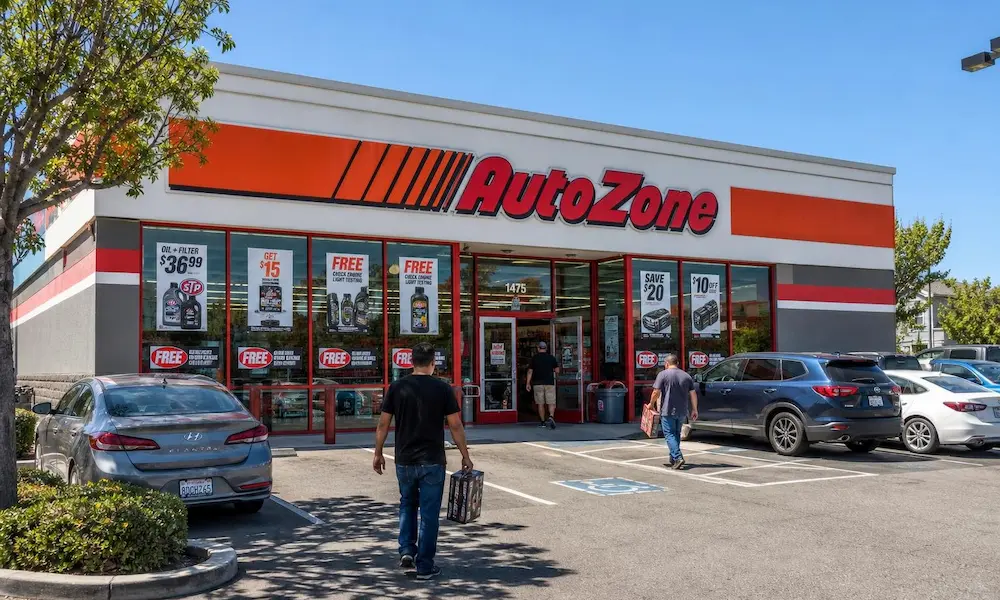
- Auto parts stores (AutoZone, O’Reilly, Advance Auto Parts) — store credit or gift cards
- Scrap metal yards — direct cash based on weight
- Specialty hybrid and EV battery buyers — cash for high-voltage packs
- National recycling programs — bulk buybacks for businesses
The type of battery you have determines which channel pays the most. Let’s dig into each one.
Auto Parts Stores: The Easiest Route for Car Batteries
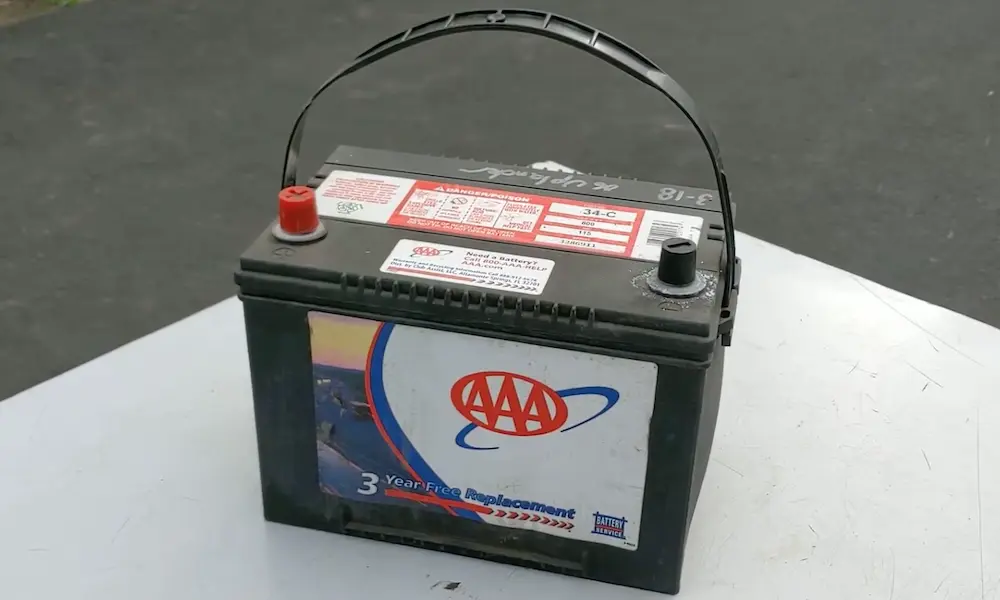
If you’ve got a single dead car battery, your local auto parts store is the fastest option. Most major chains run two separate programs: core charge refunds and standalone battery bounty programs.
How Core Charge Refunds Work
When you buy a new car battery, the store adds a refundable core charge to your bill — usually $10 to $75. Think of it as a deposit on the recyclable lead and plastic inside your old battery.
Bring your old battery back within 30 days (45 days in California), hand it over with your receipt, and you get that deposit back. Simple.
A few things to keep in mind:
- The old battery must be structurally intact — cracked or severely damaged cores get rejected
- You can’t return lead-acid batteries by mail; NAPA Auto Parts explicitly prohibits shipping them due to acid spill risks
- Walmart labels its core charge as a “merchandising fee” during online checkout, which causes a lot of confusion — store associates need to scan a specific barcode to process your refund
Standalone Battery Bounty Programs
Don’t have a receipt or a concurrent purchase? No problem. Several chains will still pay you just for dropping off an old automotive battery.
| Retailer | Standalone Bounty | Restrictions |
|---|---|---|
| AutoZone | $10 merchandise credit | Automotive/light truck batteries only |
| Advance Auto Parts | $10 store gift card | Excludes lawnmower, power sport, and lithium-ion batteries |
| O’Reilly Auto Parts | $10 store gift card | Max 5 batteries per day drop-off |
| Walmart | None | No standalone bounty program |
| NAPA Auto Parts | None (core refund only) | Accepts motorcycle, marine, lawnmower batteries |
| Pep Boys | None | All returns require in-store testing first |
These bounty programs are separate from core refunds. You don’t need to buy anything. Just walk in, hand over the battery, and walk out with credit.
The trade-off? You get store credit, not cash. If you want actual money, scrap yards are your next stop.
Scrap Metal Yards: Where You Get Real Cash
Scrap yards pay you based on weight and current commodity prices, not flat store credits. For people with multiple batteries, this is where the real money is.
What You’ll Actually Get Paid
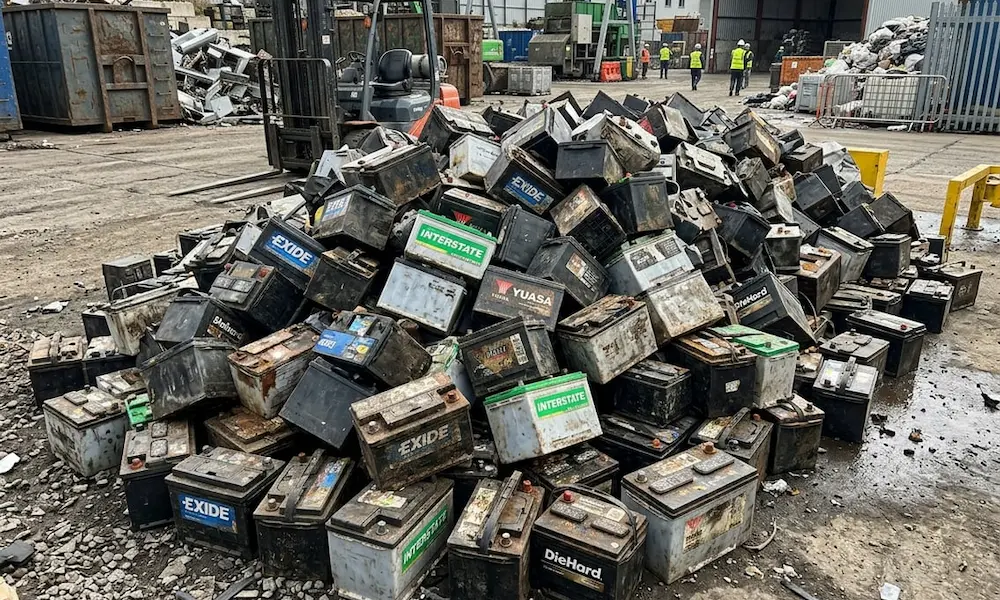
Lead-acid batteries pay 10 to 30 cents per pound at scrap yards. A standard passenger car battery weighs 35 to 40 pounds, so you’re looking at $5 to $12 per battery. Heavier truck or marine batteries pay more because they contain more lead.
Prices shift daily based on global lead markets tracked through exchanges like the London Metal Exchange. When manufacturing demand rises in major economies, your local scrap payout goes up too.
Volume matters a lot here. Scrap yards pay less per pound for small individual drop-offs compared to large commercial loads — the economics of handling smaller quantities just don’t favor the seller. If you’ve got multiple batteries, consolidate them before you go.
Here’s a breakdown of what different battery types fetch:
| Battery Type | Primary Metals | Average Payout | Notes |
|---|---|---|---|
| Standard passenger lead-acid | Lead | $5–$12 per unit | Must be physically intact |
| Heavy-duty truck/marine | Lead | $15–$25 per unit | Remove metal mounting brackets first |
| Hybrid nickel-metal hydride | Nickel, cobalt | Hundreds of dollars for functional units | Needs specialized buyer |
| Bulk lithium-ion (industrial) | Cobalt, lithium, nickel | $1.50–$2.50 per pound | Requires Material Safety Data Sheet |
| Small sealed lead-acid | Lead | ~$6 flat rate at select dealers | Stack on pallets with car batteries |
How Scrap Yards Process Your Drop-Off
When you arrive at a scrap yard, staff inspect and classify your batteries, check for contamination, and weigh everything on platform scales. Your payout gets calculated against that day’s posted scrap metal index. Mixed or contaminated loads get lower prices, so keep different battery types separated.
Rockaway Recycling buys scrap batteries nationwide but requires a Material Safety Data Sheet for any non-lead chemistry like nickel-metal hydride or lithium-ion. Standard lead-acid batteries go straight through without paperwork delays.
Regional Battery Specialty Shops
Some local shops offer a middle ground between scrap yards and stores. California Batteries Inc., operating across Fontana, San Bernardino, Hesperia, Victorville, and Barstow, buys spent lead-acid batteries directly from residents. They recondition functional units and sell them back to budget-conscious drivers for $30 to $40 with a five-month warranty. Dead batteries get routed to smelting facilities for material recovery.
Hybrid and EV Batteries: Specialized Buyers Pay the Most
High-voltage nickel-metal hydride and lithium-ion packs from hybrid and electric vehicles sit in a different category entirely. Standard scrap yards reject them because of electrocution risks and the danger of thermal runaway — a chemical fire that’s extremely difficult to extinguish. You need a specialized buyer.
Who Buys Hybrid and EV Batteries
The Hybrid Geek purchases used, functional, or dead hybrid battery packs from Toyota, Honda, Ford, and Chevrolet vehicles. They offer nationwide pickup, shipping assistance, or drop-off, and pay cash immediately after verifying the battery’s condition. Selling your hybrid battery through them is straightforward if you’re not near a local specialist.
Greentec Auto operates 35 locations across the US and buys nickel-metal hydride and lithium iron phosphate packs. They test and grade incoming batteries — functional ones get reconditioned and resold, completely dead ones go through emission-free chemical recovery. You can sell your old hybrid or EV battery directly through their site.
GreenTec Recycling handles commercial-scale high-voltage batteries from transit fleets, electric forklifts, and dealerships, extracting battery-grade materials to reintroduce into domestic manufacturing supply chains.
Business and Fleet Buyers: Bulk Programs Pay More Per Pound
If you run an auto shop, fleet, or industrial facility accumulating dozens of batteries, bulk programs beat retail and scrap yard rates.
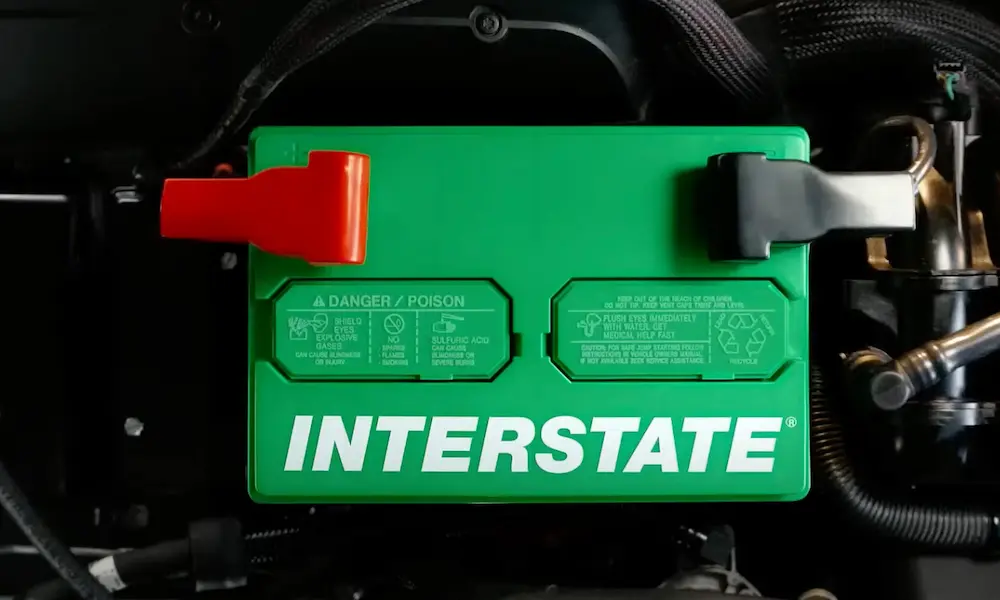
Interstate Batteries runs a corporate recycling buyback program that accepts lead-acid, lithium-ion, and nickel-cadmium batteries. The minimum volume to qualify for direct corporate cash payouts is 1,000 pounds. They handle shipping logistics, pay standardized national commodity rates, and issue recycling certificates confirming EPA-approved processing.
Under 1,000 pounds? Interstate’s network of local independent distributors buy from repair shops, agricultural operations, and individual collectors at competitive market rates.
GlobalTech Environmental handles bulk high-voltage batteries from commercial operations. They execute controlled discharging and deconstruction to recover valuable materials for domestic manufacturing re-entry.
What Batteries Have Zero Cash Value
Not every battery earns you money. Knowing which ones to skip saves you wasted trips.
Single-use alkaline batteries (the AA, AAA, C, and D cells in your junk drawer) contain zinc and manganese. Federal laws in the 1990s phased out mercury from these batteries — great for the environment, terrible for scrap value. Recovering those metals costs more than they’re worth. No cash buyback programs exist for alkaline batteries in the US.
In most states, you can legally toss alkaline batteries in regular trash. Just tape the positive terminals first — loose batteries rubbing together in a garbage truck can spark fires.
Zinc-carbon and zinc-air batteries (flashlights, hearing aids, toys) also hold zero scrap value. Dispose of them through your local household hazardous waste program.
Rechargeable household batteries are a different story:
- Nickel-cadmium — contains toxic cadmium; Call2Recycle runs free drop-off bins at Home Depot and Walmart, but scrap yards rarely pay cash for small quantities
- Nickel-metal hydride — some scrap value, but only in large bulk quantities
- Small sealed lead-acid (alarm panels, ride-on toys) — accepted at scrap yards when palletized with car batteries
- Lithium-ion (laptops, phones, power tools) — certified e-waste processors pay cash by weight for bulk consolidations, but standard scrap yards reject individual units due to fire risk
State Laws That Affect How You Get Paid
Here’s the part most people skip — and then get surprised by at the scrap yard window. Many states ban immediate on-site cash payments to prevent metal theft. You might be expecting a cash handshake and instead get a check in the mail three days later.
| State | Cash Payment Rules | Key Requirements |
|---|---|---|
| California | No on-site cash; check mailed or held 3 days | Photo ID, thumbprint, vehicle plate, seller photo |
| Arizona | No cash for transactions over $300 | Electronic upload to DPS database within 24 hours; 7-day physical hold on batteries |
| Tennessee | No immediate cash; voucher or mailed check | Valid photo ID; vouchers expire after 6 months |
| New York | Cash allowed for small transactions | $5 mandatory return incentive on new purchases; retailers accept up to 2 spent batteries/month free |
| Arkansas | Check payments required for high-value lots | Photo ID, thumbprint, vehicle photos |
Arizona’s House Bill 2087 is particularly strict — dealers must photograph the batteries and seller, upload everything to the Department of Public Safety within 24 hours, physically hold the batteries for seven days for law enforcement inspection, and confirm sellers are at least 16 years old.
California requires scrap yards to mail checks to your home address unless you hold a registered commercial account — that paper trail is deliberate. Scrap metal recycling laws vary significantly by state, so check your local rules before you load up the truck.
The fastest way to bypass these delays if you’re a business? Pre-register as a commercial account. Most yards process registered commercial sellers with bank transfers instead of postal checks.
The Fastest Way to Pick the Right Buyer
Match your situation to the right channel and you’ll skip the runaround:
Single battery, no receipt → Take it to AutoZone or O’Reilly for a $10 store gift card. Fast, no ID paperwork.
Single battery with receipt → Return it to where you bought it within 30 days and claim your core deposit back.
Multiple batteries → Consolidate them and sell directly to a local scrap yard for weight-based cash payouts.
Hybrid or EV battery → Contact The Hybrid Geek or Greentec Auto for a direct quote.
Business or fleet volume → Contact Interstate Batteries’ corporate division or a local distributor for bulk pricing and formal buyback contracts.
The scrap battery price you receive depends on chemistry, weight, quantity, and what the commodity markets are doing that week. Check current lead prices before you go — timing your drop-off during a market high makes a real difference when you’re selling in bulk.