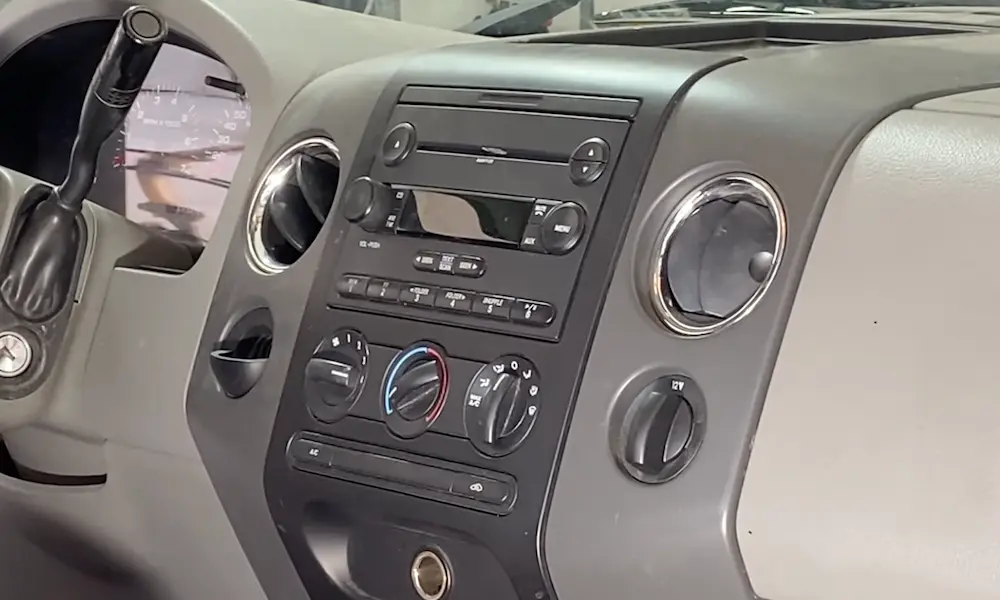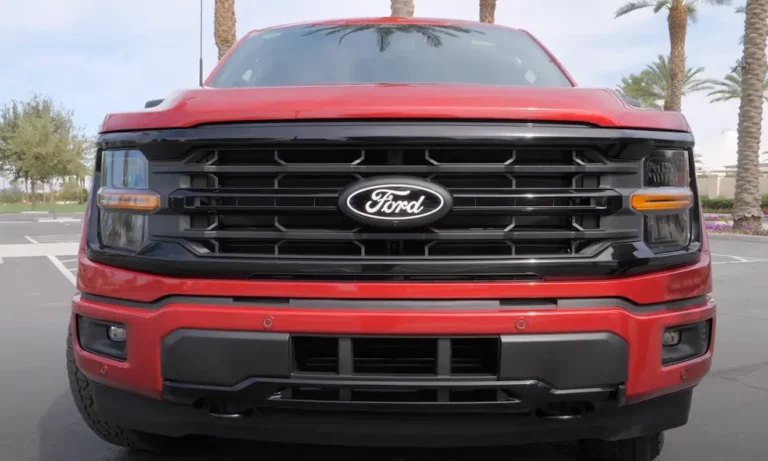
Are you driving a Ford F150 and worried about potential transmission issues? With multiple recall announcements affecting over 1.3 million trucks and ongoing investigations by the National Highway Traffic Safety Administration, it’s important to stay informed. This guide breaks down everything you need to know about current Ford F150 transmission recalls, how to check if your vehicle is affected, and what steps to take.
The Current State of Ford F150 Transmission Recalls
Ford F150 trucks have faced a series of transmission-related recalls spanning several model years. The most significant current concern is an active NHTSA investigation affecting 1.3 million trucks.
2015-2017 F150 Under Federal Investigation
In March 2025, the NHTSA opened a preliminary investigation into approximately 1.3 million Ford F150 pickup trucks from model years 2015-2017. This investigation was triggered by 138 consumer complaints reporting dangerous transmission behavior.
The primary concerns reported include:
- Sudden downshifts to lower gears while driving at highway speeds
- Temporary rear wheel lockup or skidding during these unexpected downshifts
- Potential loss of vehicle control, creating serious safety risks
All affected vehicles in this investigation are equipped with 6-speed automatic transmissions. Transport Canada has launched a parallel investigation, having received complaints about both 6-speed and 10-speed transmissions in F150s.
Recent Ford F150 Transmission Recalls (2024-2025)
2024-2025 Model Year Recall (269 Vehicles)
In March 2025, Ford issued recall 25S19 affecting select 2024-2025 Ford F150 trucks built between November 22, 2024, and January 31, 2025. This recall also includes several other Ford models.
The problem: The transmission valve body was incorrectly machined, which can cause reverse gear failure or unexpected forward movement when the vehicle is in reverse or neutral.
The solution: Ford dealers will replace the transmission main control valve body at no cost to owners. Owner notification letters were scheduled to be mailed by May 5, 2025.
2021 F150 Recall (567 Vehicles)
Ford also recalled certain 2021 F150 vehicles in March 2025 (recall 25S24) that were previously repaired incorrectly under an earlier recall. The issue involves a false Diagnostic Trouble Code for low transmission fluid pressure, which can cause the transmission to unexpectedly shift into neutral while driving.
Major Historical F150 Transmission Recalls
2014 F150 Recall (668,000 Vehicles)
In June 2024, Ford recalled over 668,000 model year 2014 F150 trucks worldwide, with 552,000 in the United States. The primary issue was sudden downshifting into first gear due to intermittent failure of the output shaft speed sensor.
This defect caused:
- Loss of vehicle control
- Rear tire sliding or lockup
- Increased crash risk
Ford documented 300 warranty claims, 96 field reports, and 124 customer complaints related to this issue, including 40 reports of rear wheel lockup and two injury reports.
2011-2013 F150 Recall (1.48 Million Vehicles)
One of the largest F150 transmission recalls occurred in February 2019, affecting approximately 1.48 million trucks from model years 2011-2013. This recall addressed similar sudden downshifting issues and was linked to five accidents, including one report of “whiplash” injuries.
10-Speed Transmission Problems
Ford’s 10R80 10-speed transmission, used in many F150 models, has also faced significant issues. A class-action lawsuit in Canada targets 2017-2020 F150s and other Ford models equipped with this transmission.
Common 10-speed transmission problems include:
- Unintended lurching when shifting from park to drive
- Harsh shifting and shuddering
- Premature clutch plate wear
- Sudden, unintended gear shifts
How to Know if Your F150 is Affected by a Recall
Checking if your truck is included in a recall is straightforward. Here are the most reliable methods:
1. Use Ford’s Official Recall Website
Visit Ford’s recall page and enter your Vehicle Identification Number (VIN) to see if any active recalls apply to your truck.
2. Check Through the FordPass App
If you use the FordPass app, check the Service screen for any active recalls associated with your vehicle.
3. Use the NHTSA VIN Lookup Tool
The National Highway Traffic Safety Administration maintains a recall database where you can enter your VIN to check for any open recalls.
4. Contact Ford Customer Service
Call Ford’s customer service at 1-866-436-7332 to inquire about recalls affecting your specific vehicle.
Finding Your VIN
Your Vehicle Identification Number can be found in several locations:
- Lower left corner of the dashboard (visible through the windshield)
- Driver’s side door jamb
- Vehicle registration documents
What to Do If Your F150 Is Under Recall
If your truck is affected by a recall, take these steps immediately:
1. Schedule a Service Appointment
Contact your local Ford dealer to schedule a repair service. Don’t delay—these recalls address serious safety issues.
2. Understand That Recall Repairs Are Free
All recall-related repairs are performed at no cost to vehicle owners. This is required by federal law.
3. Ask About Alternative Transportation
If your truck needs to stay at the dealership for an extended period, ask about loaner vehicles or rental reimbursement options. Some dealers may offer pickup and delivery service.
Signs of Transmission Problems in Your F150
Even if your truck isn’t currently under recall, it’s important to recognize potential transmission issues before they become dangerous. Watch for these warning signs:
1. Unexpected Shifting or Jerking
If your truck suddenly shifts gears without driver input, especially at highway speeds, this could indicate a serious problem.
2. Delayed Engagement
When you shift from park to drive or reverse and there’s a noticeable delay before the truck moves, this may signal transmission troubles.
3. Unusual Noises
Grinding, whining, or humming noises, especially when the truck is in a specific gear, can indicate transmission issues.
4. Transmission Warning Light
If the transmission warning light appears on your dashboard, don’t ignore it. This requires immediate attention.
| Model Years | Affected Components | Symptoms to Watch For | Recall Number (if applicable) |
|---|---|---|---|
| 2015-2017 | 6-speed automatic transmission | Sudden downshifts, rear wheel lockup | Under NHTSA investigation |
| 2024-2025 | Transmission valve body | Reverse gear failure, unexpected movement | 25S19 |
| 2021 | Transmission control system | Unexpected shifts to neutral | 25S24 |
| 2014 | Output shaft speed sensor | Sudden downshifts to first gear | 24V444 |
| 2011-2013 | Transmission control system | Sudden downshifts | 19V075 |
| 2017-2020 | 10-speed transmission (10R80) | Harsh shifting, shuddering | No official recall yet |
Ford’s Quality Control Challenges
The recurring transmission issues across multiple F150 model years suggest systemic problems. Ford has issued 29 recalls since January 1, 2025, reflecting broader quality control challenges. In 2024, NHTSA imposed a $165 million civil penalty on Ford for delayed recalls—the second-largest in the agency’s history.
Protecting Yourself as an F150 Owner
As an F150 owner, here are key steps to protect yourself:
1. Check for Recalls Regularly
Don’t wait for a notice in the mail. Check for recalls at least quarterly using the NHTSA’s recall database or Ford’s recall site.
2. Report Problems Promptly
If you experience unusual transmission behavior, report it to both your Ford dealer and the NHTSA. Consumer complaints help identify patterns that may lead to recalls.
3. Keep Service Records
Maintain thorough records of all service and repairs. These can be critical if you need to demonstrate that you’ve properly maintained your vehicle.
4. Consider Extended Warranties
If you own an F150 with a history of transmission problems, an extended warranty might provide peace of mind—especially if your truck is approaching the end of its factory warranty.
The Future of Ford F150 Transmission Reliability
Ford continues to work on addressing transmission issues in its F150 lineup. The current NHTSA investigation into 2015-2017 models may result in additional recalls, making regular checks essential for affected vehicle owners.
For now, stay vigilant, respond promptly to recall notices, and address any unusual transmission behavior immediately. Your safety—and that of others on the road—depends on it.
Have you checked if your F150 is affected by a transmission recall lately? It only takes a minute and could prevent a serious safety issue.