If your F-150 has ever jolted, slipped into the wrong gear, or felt like it got rear-ended while sitting still, you’re not imagining things. The Ford F-150 transmission recall history is long, complicated, and still unfolding. This guide breaks down exactly what’s happening, which trucks are affected, and what you should do today.
The Ford F-150 Transmission Problem: A Quick Overview
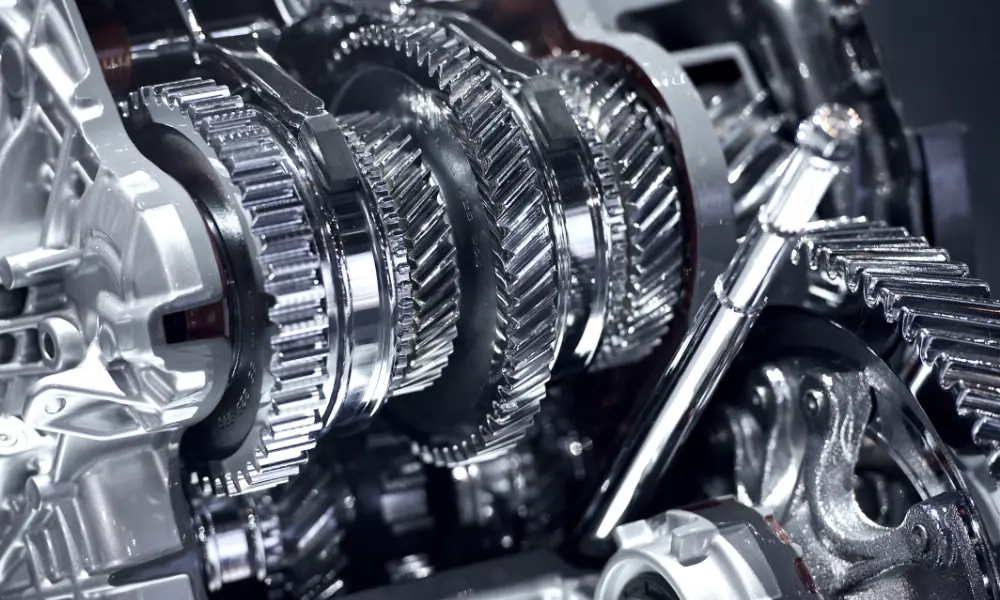
Ford’s F-150 has run two main automatic transmissions over the past decade: the 6R80 six-speed and the 10R80 ten-speed. Both have serious documented issues. Both have triggered recalls. And as of early 2026, federal regulators are still actively investigating more trucks.
Here’s the short version:
- 6R80 (2011–2014 models): A faulty electrical component causes sudden, violent downshifts at highway speeds
- 10R80 (2017–present): Mechanical and software defects cause harsh shifts, slipping, power loss, and gear confusion
- 1.3 million additional trucks (2015–2017 models) are currently under NHTSA investigation as of January 2026
The 6-Speed 6R80: When Your Truck Decides to Downshift at 65 mph
What Actually Goes Wrong
Inside the 6R80, a component called the molded lead frame acts as the electrical spine of the transmission. It carries signals from sensors and solenoids to your truck’s brain—the Powertrain Control Module (PCM).
The Output Shaft Speed (OSS) sensor connects through this lead frame. When heat cycles and vibration degrade those electrical connections, the OSS signal drops out. The PCM reads that as zero speed—and commands a downshift to first gear. At highway speeds, this causes the rear tires to lock up, skid, and the truck lurches violently.
The NHTSA has logged over 300 complaints from owners who experienced exactly this. Many report tire screeching, skidding, and near-crashes.
The Recall Timeline for 6-Speed Trucks
Ford didn’t fix this in one shot. It took years, multiple recalls, and millions of affected trucks before the patches caught up.
| Recall / Program | Affected Model Years | Vehicles Affected | Fix Applied |
|---|---|---|---|
| 16S19 / 16N02 | 2011–2012 | ~202,000 | PCM software update + 10yr/150k lead frame warranty |
| 19S07 / 19N01 | 2011–2013 | ~1.5 million | Software update to block 1st gear downshift |
| 19S19 | 2013 (5.0L/6.2L) | Not disclosed | Fix for faulty PCM calibration from prior update |
| 24S37 | 2014 | ~552,000 | Software inhibits sudden downshift |
Worth noting: the software fix doesn’t repair the lead frame. It reprograms the PCM to hold the current gear instead of slamming to first when the signal drops. That prevents tire lockup, but it can still cause a sudden loss of power—which carries its own risks in traffic.
The 2026 Investigation: 2015–2017 Trucks Now in the Crosshairs
On January 30, 2026, the NHTSA opened a new investigation covering approximately 1,270,970 trucks from the 2015, 2016, and 2017 model years.
This one adds a new twist: directional instability. NHTSA testing found that if the Transmission Range Sensor (TRS)—also inside the lead frame—loses its signal while you’re reversing uphill, the truck can drop into neutral. A heavy pickup on a hill with no drive engagement and no park lock is a runaway hazard. One complaint already documents a vehicle hitting a concrete barrier after an unexpected gear change.
The investigation is currently in the Engineering Analysis phase. That’s typically the last step before a mandatory recall.
The 10-Speed 10R80: Smooth on Paper, Rough in Reality
The Two Main Mechanical Failures
Ford introduced the 10R80 in 2017, co-developed with General Motors. More gears mean better fuel economy and towing ratios—in theory. In practice, two specific hardware problems turned this transmission into a headache.
1. The CDF Clutch Drum (also called “The Trash Can”)
A small bushing inside the CDF clutch cylinder tends to slide out of position due to axial movement. When it migrates, it blocks hydraulic passages and causes pressure loss. The result: harsh shifts, delayed engagement from Park to Drive, and gear slipping. Ford’s TSB 24-2254 calls for replacing the drum with an updated hard-coat anodized version.
2. The Valve Body Casting Defect
The valve body houses the solenoids that control gear changes. In Recall 23S54, Ford identified a casting flaw causing a poppet valve to stick. This restricts lubrication to the rear of the transmission, generates excess heat, and can prevent the park pawl from locking—meaning your truck might not stay in Park when you need it to.
The “Adaptive Learning” Problem
The 10R80 uses an Adaptive Shift Strategy—software that watches wear patterns and adjusts hydraulic pressure to keep shifts smooth. Sounds clever. The problem is that when the CDF drum bushing fails, the software tries to compensate by cranking up hydraulic pressure.
This causes:
- Erratic gear hunting
- The “phantom bump” sensation (a sharp jolt while stationary)
- Unpredictable shift timing
When a dealer resets the software, the truck re-learns its shifts and temporarily feels fine. Then the mechanical issue reasserts itself. It’s a loop that frustrates owners and masks defects.
The Class Action Lawsuits: What’s Playing Out in Court
Multiple class action suits target the 10R80. The central claim: Ford knew about the defects before selling these trucks and didn’t provide a real fix under warranty.
| Legal Case | Focus | Status (Early 2026) |
|---|---|---|
| O’Connor / Barcelona v. Ford | Power loss during maneuvers | Class certification pending; MA consumer claims survived dismissal |
| Daniel McCabe v. Ford | “Life-threatening” gear slips, 2017–present | Ongoing |
| Marino v. Ford | Clunking sounds, 2019 F-150 | Discovery phase |
In February 2026, a federal judge denied Ford’s attempt to exclude the plaintiffs’ technical experts. That ruling is significant—it means design flaw evidence will reach the jury. Massachusetts consumer protection claims also survived, which could expose Ford to liability for marketing these trucks as safe when defects were allegedly known.
If you own an affected truck, checking your eligibility to join an active suit costs nothing. Wallace Miller’s case page lays out current options.
What Transmission Repairs Actually Cost Out of Pocket
If you’re outside your warranty window, brace yourself.
| Repair | Estimated Dealer Cost | Notes |
|---|---|---|
| Full 10R80 Reman Replacement | $9,500 – $13,500 | Part alone: $4,500–$6,000 |
| CDF Drum Rebuild | $6,000 – $8,000 | 22–26 labor hours |
| CDF Clutch Cylinder Part | ~$245 MSRP | Aftermarket: $208–$249 |
| Valve Body Replacement | $1,200 – $1,800 | |
| PCM Software Reprogramming | $150 – $350 |
Ford Protect Extended Service Plan holders typically pay only a $100–$200 deductible. However, those plans can cost up to $4,500 for high-mileage coverage—so you’re essentially pre-paying for the risk. Factor that into your ownership math.
Three More Recalls You Probably Haven’t Heard About
The Rollaway Risk (Recall 25C69)
In February 2026, Ford recalled nearly 273,000 vehicles including the F-150 Lightning (2022–2026) for a software error in the integrated park module. If you move the shifter to Park but don’t apply the electronic parking brake, the park pawl may not engage. The fix: an over-the-air update or dealer software patch.
The Trailer Brake Failure (4.3 Million Vehicles)
In March 2026, Ford expanded a recall covering 4.3 million vehicles, including roughly 2.3 million F-150s from 2021–2026. The integrated trailer module can lose communication on startup, cutting trailer brake function and turn signals while towing. Ford initially argued a dashboard warning light made it acceptable. The NHTSA disagreed and pushed for a formal recall.
The Missing Bearing in Remanufactured Units (Recall 25E070)
Even trucks that already had their transmissions replaced under warranty aren’t safe. Recall 25E070 covers 34,481 remanufactured 10R80 units built between 2020 and 2025. A critical T10 bearing was missing from these units during assembly. Without it, the transmission can fail to engage Park or seize during operation.
How to Check If Your F-150 Is Affected Right Now
Don’t wait for a letter in the mail. Here’s what to do today:
- Find your VIN on the lower-left corner of your windshield (17 digits)
- Check the NHTSA database at safercar.gov — this covers all open federal recalls
- Check Ford’s own recall center at ford.com/support for Customer Satisfaction Programs like 19N01, which extends lead frame warranty coverage to 150,000 miles
- Ask your tech to pull specific codes if you’re experiencing shifting issues:
- P0720 / P0722 → OSS sensor failure (6-speed)
- P0751 / P0757 → Valve body or CDF drum issues (10-speed)
Do this check every few months. Recalls get added to the database regularly, and coverage you weren’t eligible for last year may apply now.
What the Future Looks Like for 10-Speed Owners
Early reports on 2026 model year 10-speed transmissions suggest Ford has finally made real hardware changes to address the CDF drum and valve body problems—not just software patches. That’s encouraging, but it doesn’t help the millions of trucks from 2017–2025 already on the road.
The NHTSA’s investigation into 2015–2017 trucks is also moving forward. Given the agency’s increasingly assertive stance on directional instability risks, a formal Ford F-150 transmission recall for those model years looks more likely than not before the end of 2026.
Stay current on your VIN checks. Document every shift complaint with your dealer in writing. And if you’re facing a repair bill above $1,000 for a known transmission defect, get a legal consultation before you pay it.