Ever stared at your Ford’s dashboard as multiple warning lights suddenly illuminated? If your mechanic mentioned “U3000-49” while delivering bad news about repair costs, you’re dealing with one of Ford’s most challenging diagnostic trouble codes. This comprehensive guide will help you understand what’s happening inside your vehicle and what steps you should take next.
What Is the Ford U3000-49 Diagnostic Trouble Code?
The Ford U3000-49 code indicates an “Internal Electronic Failure” within one of your vehicle’s control modules. Unlike typical diagnostic codes that point to specific component failures, U3000-49 represents a permanent internal malfunction that can’t be fixed through conventional means.
When this code appears, it means the affected module has reached its fault tolerance threshold and has permanently disabled certain outputs to prevent further damage. This activates Ford’s Field Effect Transistor (FET) protection strategy, essentially putting the module into a permanent failsafe mode.
The most frustrating part? Once the FET protection is fully activated, you can’t clear this code using standard diagnostic procedures. The code will immediately return even with just the key in the “on” position without starting the engine.
Which Control Modules Can Be Affected?
Ford U3000-49 can appear in multiple vehicle systems, each with distinct symptoms:
Anti-Lock Brake System (ABS) Module
This is the most commonly affected module, controlling critical safety functions including:
- Anti-lock braking
- Electronic stability control
- Traction management systems
When your ABS module throws this code, you’ll see the ABS, brake, and traction control warning lights illuminated on your dashboard.
Power Steering Control Module (PSCM)
A failure here results in complete loss of power steering assistance, making your vehicle extremely difficult to steer, especially at low speeds. You’ll likely see a “Power Steering Assist Fault” message on your instrument cluster.
Image Processing Module A (IPMA)
This module processes data from your front-facing camera system, affecting advanced driver assistance systems including:
- Adaptive cruise control
- Lane keeping assist
- Collision avoidance systems
Body Control Module (BCM)
The BCM controls various electrical functions including lighting, door locks, and security systems. When affected, multiple electrical systems may malfunction simultaneously.
Warning Signs and Symptoms of U3000-49
Your Ford will display several telltale signs when experiencing this code:
Dashboard Warning Lights
Multiple warning indicators will activate simultaneously, including:
- ABS light
- Brake system warning
- Traction control off indicator
- Service engine soon lamp
- Advanced driver assistance system warnings (like “Front Camera Fault Service Required”)
System Failures
Affected systems enter “safety mode,” disabling non-essential functions:
- Power steering assistance may be completely lost
- Electronic stability control becomes inoperative
- Traction management systems stop working
- Driver assistance features may disable
Persistent Problems
The key identifier of U3000-49 is its stubbornness. Initial occurrences might be intermittent, with warning lights appearing and disappearing randomly. However, once FET protection fully activates, the malfunction becomes permanent and symptoms persist continuously.
What Causes the U3000-49 Code?
Several factors can trigger this problematic code in your Ford:
Water Damage
Water intrusion is the leading cause of U3000-49 failures, particularly affecting power steering and ABS modules. Ford’s electric power steering systems are vulnerable to water entry around bulkhead boots and pinion shaft housing joints. When moisture penetrates these sealed areas, it damages sensitive torque sensors and electronic components.
Wiring and Connection Issues
Shorted door harness wiring is a significant contributor to U3000-49 codes, especially in Ford Transit vehicles. Door wiring harnesses experience repeated flexing during normal operation, leading to wire insulation breakdown and short circuits. Poor electrical connections, particularly battery connections and module grounds, can also trigger internal electronic failures.
Field Effect Transistor Protection Activation
Ford’s FET protection system monitors current flow through module outputs and automatically shuts down circuits experiencing excessive current draw. Each protected circuit has predetermined fault tolerance levels – typically 200, 400, and 600 fault events. When these thresholds are exceeded, the module permanently disables affected outputs and sets U3000-49.
How to Diagnose the U3000-49 Code
While professional diagnosis is recommended, here’s how technicians approach this code:
Initial Assessment
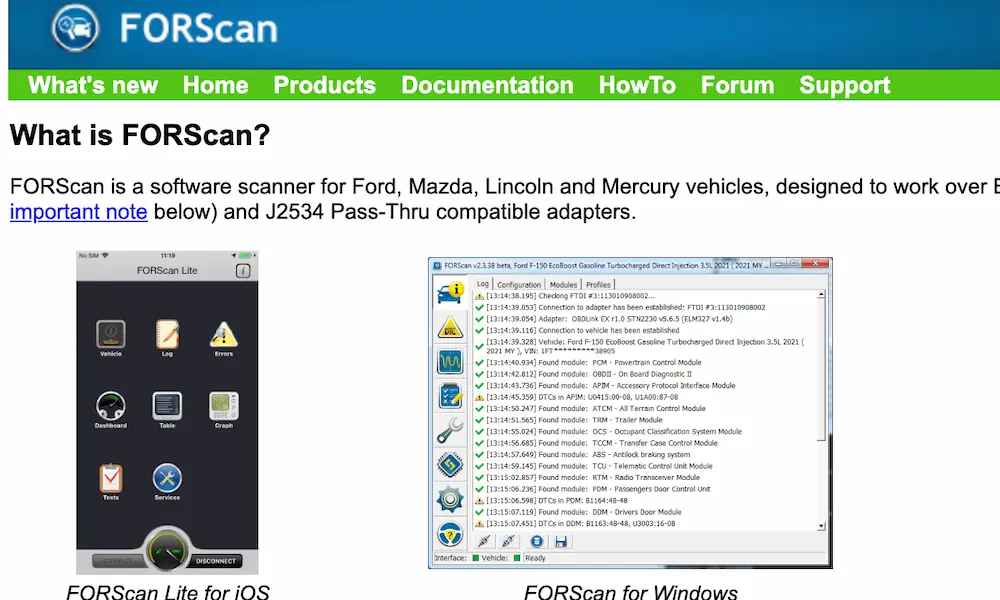
The diagnostic process begins with a comprehensive vehicle scan to identify all present trouble codes. The critical first step is attempting to clear the U3000-49 code – if it returns immediately upon key-on, this confirms permanent module failure requiring replacement.
Power Supply Verification
Technicians will test battery voltage and charging system operation, as low voltage conditions can trigger false internal electronic failures. They’ll verify the 12-volt supply to affected modules and ensure ground connections exhibit less than 100 millivolts resistance.
Network Communication Testing
Proper diagnosis includes checking Controller Area Network (CAN) communication lines for proper voltage levels – typically 2.5 volts on both high and low circuits. Loss of communication with multiple modules may indicate network-wide problems rather than individual module failures.
Module-Specific Testing
For ABS-related U3000-49 codes, technicians verify wheel speed sensor operation through live data monitoring. All four sensors should display consistent speed readings during test drives.
For IPMA-related failures, they inspect coaxial cables connecting the front camera to the processing module. Ford Technical Service Bulletin 23-2137 provides specific procedures for cable inspection and replacement.
Repair Options for U3000-49
When facing this code, here are your potential solutions:
Module Replacement
When FET protection has permanently disabled a module, replacement becomes the only viable solution. New or remanufactured modules require proper programming and configuration to match your specific vehicle.
| Module Type | Typical Replacement Cost (Parts & Labor) |
|---|---|
| ABS Module | $800-$1,500 |
| Power Steering System | $2,500-$4,700 |
| IPMA Module | $600-$1,200 |
| Body Control Module | $700-$1,800 |
System-Specific Repairs
ABS Module Replacement: Requires specialized scan tools capable of performing module programming and initialization. The replacement process involves hydraulic brake line disconnection, necessitating system bleeding upon completion.
Power Steering Module Replacement: Ford Focus and C-Max models require complete steering rack replacement, as the electric motor and control module are integrated units.
Camera System Repairs: For front camera issues, repairs might involve replacing damaged coaxial cables rather than the entire module, potentially saving significant costs. Mustang Mach-E owners should check for applicable TSBs.
Addressing Root Causes
To prevent recurring issues:
- Locate and repair shorted circuits before installing replacement modules
- Ensure proper sealing of module housings and electrical connections
- Replace damaged bulkhead boots and pinion shaft seals on power steering systems
- Check for TSBs and recalls that might cover your specific issue
Cost-Saving Options
Facing the high costs of U3000-49 repairs? Consider these alternatives:
Remanufactured Modules
Remanufactured modules offer cost savings of approximately 80% compared to new parts while maintaining similar reliability. Companies like ActronICS and Xemodex specialize in repairing and remanufacturing these modules.
Check for Recalls and Extended Warranties
Certain Ford models have active safety recalls related to power steering control module failures that generate U3000-49 codes. Before paying for repairs, verify recall status through Ford’s customer service or authorized dealers.
DIY Considerations
While some repairs like wheel speed sensor replacement are accessible to skilled DIYers, module replacement and programming typically require professional equipment and expertise. Attempting unauthorized repairs may void warranty coverage and potentially create safety hazards.
Preventing Future U3000-49 Codes
Take these preventive measures to reduce the likelihood of encountering this expensive code:
Regular Maintenance
- Battery maintenance: Ensure stable voltage supply to control modules
- Electrical connection inspection: Clean corrosion and ensure tight connections at battery terminals and module grounds
- Check fluid levels: Proper brake fluid levels help prevent ABS module issues
Environmental Protection
- Maintain door seals and weatherstripping to prevent water intrusion
- Inspect module housing integrity regularly
- Keep drain holes clear in areas where modules are mounted
Wiring Protection
- Route harnesses away from sharp edges and moving components
- Pay special attention to door jamb areas where wires frequently flex
- Check for frayed or damaged wiring during routine maintenance
Understanding Ford’s Technical Service Bulletins
Ford has issued multiple Technical Service Bulletins addressing U3000-49 codes in specific vehicle models:
- TSB 23-2137 addresses front camera faults in 2021-2023 Mustang Mach-E vehicles
- TSB 23-2155 covers additional camera system issues in similar models
These bulletins provide dealership technicians with detailed diagnostic and repair procedures for specific manifestations of the U3000-49 code.
| Vehicle Model | Common U3000-49 Issues | Related TSBs |
|---|---|---|
| Ford Focus/C-Max | Power steering failures | Multiple regional bulletins |
| Explorer/Edge | ABS module failures | Regional bulletins vary |
| Mustang Mach-E | Front camera system failures | TSB 23-2137, TSB 23-2155 |
| Transit | Door wiring harness shorts | Model-specific bulletins |
Taking Action When You See U3000-49
If your Ford displays this code, here’s what to do:
- Don’t ignore the warning lights – this code often affects critical safety systems
- Get a professional diagnosis to confirm which module is affected
- Check for recalls or TSBs that might cover your specific issue
- Consider all repair options including remanufactured modules
- Address any underlying causes like water intrusion or wiring issues
When U3000-49 codes appear, immediate professional diagnosis is recommended to prevent secondary damage to related systems and ensure continued vehicle safety. Early intervention may allow repair of underlying causes before FET protection permanently disables affected modules.
By understanding this complex diagnostic code, you’re better equipped to discuss repair options with your technician and make informed decisions about your Ford vehicle.