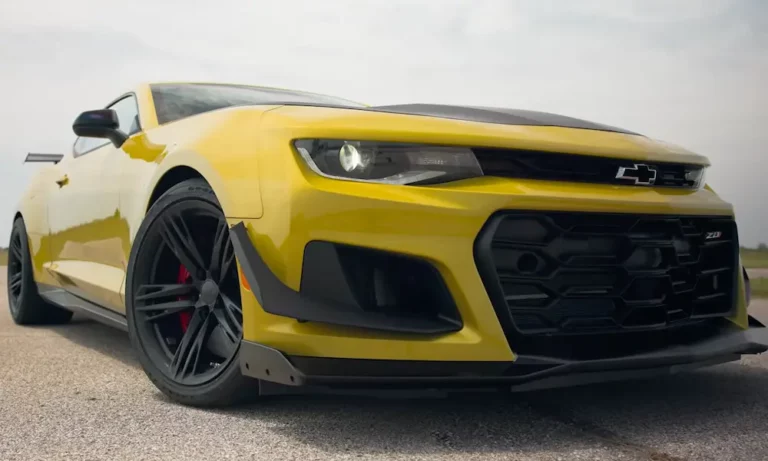
Are you driving a Cadillac or Camaro and worried about the recent transmission recall? If you own a 2019-2022 model, your vehicle might be one of the 90,000+ affected by GM’s latest safety recall. This critical issue involves transmission control valves that could cause your wheels to lock up while driving – a scary situation that’s already caused accidents.
Let’s dive into what’s happening, which vehicles are affected, and exactly what you need to do to keep yourself and your family safe.
Which Vehicles Are Affected by the GM Transmission Recall?
The GM cadillac camaro transmission recall (officially NHTSA campaign number 25V-148) targets specific high-performance and luxury vehicles with 10-speed automatic transmissions manufactured between 2019 and 2022.
Here’s a breakdown of the affected models:
| Vehicle Model | Model Years | Number of Vehicles |
|---|---|---|
| Chevrolet Camaro | 2020-2022 | 50,147 |
| Cadillac CT5 | 2020-2021 | 27,097 |
| Cadillac CT6 | 2019-2020 | 10,602 |
| Cadillac CT4 | 2020-2021 | 2,235 |
This recall specifically focuses on GM’s Hydra-Matic 10L80/10L90 10-speed automatic transmission – a sophisticated gearbox that GM developed jointly with Ford Motor Company. Even premium performance models like the Cadillac CT4-V Blackwing and CT5-V Blackwing are included in this recall, which demonstrates the severity of the issue.
What’s Actually Wrong With the Transmissions?
The GM cadillac camaro transmission recall centers on a dangerous defect that can lead to momentary wheel lock-up while driving. Here’s what’s happening inside your transmission:
The Technical Problem Explained
The core issue involves excessive wear within transmission control valves located in the valve body assembly. These valves control hydraulic pressure throughout your transmission, and when they wear prematurely, they create a cascade of problems:
- Initial valve wear causes gradual pressure loss
- This leads to harsh shifting as the first noticeable symptom
- As wear continues, pressure drops become severe enough to cause valves to move unexpectedly
- This can result in momentary wheel lock-up lasting less than 150 milliseconds
While brief, these lock-ups typically occur during downshifts from eighth to seventh gear – precisely when you’re decelerating and vehicle stability is most critical. According to NHTSA reports, even these momentary lock-ups significantly increase crash risk.
Real-World Impact and Risks
The safety implications are severe despite the short duration of wheel lock-ups. GM’s internal investigation identified 115 field reports of wheel lock-up incidents between February 2022 and November 2024, including one confirmed accident.
In one particularly alarming case, a 2021 all-wheel-drive Cadillac CT5 experienced transmission failure severe enough to damage both the engine and front differential. The vehicle required towing and major component replacement – showing these transmission failures can lead to far more extensive damage than just temporary lock-ups.
Warning Signs Your Transmission Might Be Failing
If you’re wondering whether your vehicle is experiencing this transmission issue, watch for these warning signs:
Early Warning Symptoms
The most common early warning sign is harsh shifting. If you notice your transmission shifting roughly, especially during deceleration, this could indicate the beginning stages of control valve wear.
Other symptoms to watch for include:
- Hesitation during gear changes
- Clunking sounds when shifting
- Momentary loss of power during acceleration
- Vibration or shuddering during gear changes
When It’s Getting Serious
As the problem progresses, you might experience:
- Brief wheel lock-ups (momentary loss of control)
- Warning lights on your dashboard
- Transmission slipping between gears
- Difficulty accelerating
If you experience any of these symptoms, especially wheel lock-up, you should stop driving the vehicle and contact your dealer immediately.
GM’s Response Timeline: Was It Fast Enough?
The GM cadillac camaro transmission recall process reveals both the complexity of modern automotive safety investigations and how long these issues can take to address.
How the Problem Was Discovered
The recall process began on September 27, 2024, when a GM brand quality manager submitted a report through the company’s “Speak Up for Safety” program. This internal whistleblower system allowed the quality manager to report a specific incident where a 2021 Cadillac CT5 experienced front wheel lock-up while driving.
Interestingly, GM had previously investigated similar complaints but closed the investigation because lock-ups lasted less than 150 milliseconds and no accidents had been reported at that time.
GM’s Investigation and Decision Timeline
Here’s how GM’s response unfolded:
- September 27, 2024: Initial safety report filed
- November 21, 2024: GM launches comprehensive investigation
- December 18, 2024: Investigation data analysis completed
- February 27, 2025: GM’s Safety Field Action Decision Authority makes formal recall decision
- March 6, 2025: Recall officially announced
- April 21, 2025: Customer notifications begin
This timeline shows a thorough investigation process that took approximately seven months from initial report to customer notification – a considerable period during which affected vehicles remained on the road.
The Fix: What GM Is Doing to Solve the Problem
GM’s approach to fixing the transmission issue involves both software and hardware solutions.
Software Update: The Primary Solution
The main remedy is a software update to the Transmission Control Module (TCM), which will be provided free of charge to all affected vehicle owners. This sophisticated software update represents a proactive approach to preventing wheel lock-up incidents before they occur.
The updated software will:
- Continuously monitor valve performance
- Detect excessive wear approximately 10,000 miles before a wheel lock-up could occur
- When excessive wear is detected, automatically limit the transmission to fifth gear maximum
- Prevent shifts into higher gears where lock-up incidents typically occur
This limitation effectively eliminates the dangerous downshift from eighth gear that triggers most lock-up events. According to GM’s technical bulletin, the software update takes approximately 1-2 hours to complete at your dealer.
Hardware Replacements for Already Damaged Transmissions
For vehicles that have already experienced significant valve wear, GM has developed a more comprehensive solution. The company will:
- Replace the entire transmission control valve body assembly
- Install new seals
- Add 9 quarts of Dexron ULV transmission fluid
This repair addresses the root cause by replacing the worn components entirely. GM estimates approximately 1% of the recalled vehicles will need this more extensive repair.
Extended Warranty Coverage
Recognizing the severity of this defect, GM has also implemented Special Coverage Bulletin N242480631, providing 15 years or 150,000 miles of extended coverage for transmission control valve repairs on affected Cadillac CT4 and CT5 models.
This extended warranty demonstrates GM’s commitment to addressing long-term reliability concerns stemming from this defect, though some consumer advocates argue it should cover all affected models, not just certain Cadillacs.
Broader Context: GM’s Pattern of Transmission Problems
The 10-speed transmission recall represents just one facet of broader transmission quality issues affecting General Motors vehicles.
The 8-Speed Transmission Lawsuit
GM simultaneously faces a massive class action lawsuit involving approximately 800,000 vehicles equipped with 8-speed automatic transmissions from model years 2015-2019. This litigation alleges that GM knowingly sold vehicles with defective transmissions that cause harsh shifting, shuddering, and dangerous driving conditions.
The 8-speed transmission issues affect a significantly larger number of vehicles, including:
- Cadillac CTS, CT6, and Escalade
- Chevrolet Camaro, Colorado, Corvette, and Silverado
- GMC Canyon, Sierra, and Yukon
Plaintiffs in the class action claim that GM was aware of these defects but failed to adequately address them, instead instructing dealers to reassure customers that harsh shifts were “normal.”
Financial and Legal Implications
The financial implications of GM’s transmission issues are substantial:
- The current 10-speed recall alone is estimated to cost approximately $16.7 million
- The broader 8-speed transmission litigation could affect over 800,000 vehicles
- Internal GM documents revealed in litigation show that the company developed a transmission flush solution in 2018 that would cost approximately $305 per vehicle, totaling $592 million for all affected vehicles
This pattern of transmission issues across multiple GM product lines raises questions about the company’s quality control processes and commitment to addressing known defects before they become safety hazards.
What Affected Owners Should Do Now
If you own one of the vehicles covered by the GM cadillac camaro transmission recall, here are the immediate steps you should take:
Check If Your Vehicle Is Included
Verify if your specific vehicle is included in the recall by:
- Visiting NHTSA’s recall lookup page and entering your VIN
- Checking GM’s dedicated recall site at my.gm.com/recalls
- Calling your local GM dealer’s service department with your VIN
Remember that not all vehicles within the model years are necessarily included – specific production dates determine eligibility.
Schedule Your Free Repair
Once you’ve confirmed your vehicle is affected:
- Contact your local GM dealer to schedule the software update
- Mention any symptoms you’ve experienced (harsh shifting, momentary lock-ups)
- Ask about the extended warranty coverage for your specific model
- Request written documentation of all work performed
The software update will be provided free of charge and takes approximately 1-2 hours to complete.
Keep Detailed Records
It’s crucial to maintain detailed records of:
- Any transmission-related symptoms you experience
- All communications with the dealer
- Dates of service and work performed
- Any expenses incurred related to this issue
These records may be valuable for warranty claims or potential legal action if your vehicle experiences continued problems after the recall remedy is applied.
Legal Options for Affected Owners
If you’ve already experienced significant problems with your vehicle due to this transmission defect, you may have additional legal options.
When to Consider Legal Action
Consider consulting with an attorney specializing in automotive defects if:
- You’ve experienced a wheel lock-up incident that caused an accident or injury
- Your vehicle has required multiple repairs for transmission issues
- The recall remedy doesn’t resolve your transmission problems
- You’ve incurred significant expenses due to transmission failures
Given the broader pattern of GM transmission issues, affected owners should also monitor ongoing class action litigation that may provide additional remedies or compensation options.
Lemon Law Protections
Most states have “lemon laws” that provide recourse for consumers with repeatedly defective vehicles. While requirements vary by state, generally:
- Your vehicle must have a substantial defect covered by warranty
- The defect must occur within a certain period (usually 1-2 years or 12,000-24,000 miles)
- The manufacturer must have multiple opportunities to fix the problem
- The vehicle must be out of service for a specified number of days
If you believe your vehicle qualifies as a “lemon,” contact your state’s consumer protection agency or consult with a lemon law attorney.
The Engineering Behind 10-Speed Transmission Problems
Understanding the engineering aspects of this defect helps explain why the problem is occurring and why it affects these specific models.
Advanced Transmission Design Challenges
The Hydra-Matic 10L80/10L90 10-speed automatic transmission represents cutting-edge automotive technology, but this complexity comes with increased potential for failure points:
- More gears mean more shifting components and control valves
- Higher performance vehicles place greater stress on transmission components
- Compact design requirements mean smaller, potentially more fragile components
- Advanced electronic controls introduce software complexities
The joint development between GM and Ford aimed to spread development costs across more vehicles, but some critics argue this may have led to compromises in durability testing.
Why High-Performance Vehicles Are More Affected
The recall disproportionately affects GM’s performance-oriented vehicles, which have several characteristics that may contribute to the problem:
- Higher engine torque places greater stress on transmission components
- More aggressive shift patterns increase wear on control valves
- Performance driving styles typically involve more frequent gear changes
- These vehicles often experience more rapid acceleration and deceleration
These factors combine to accelerate wear on the transmission control valves, making performance vehicles more likely to experience the defect before reaching high mileage.
How This Compares to Other Recent Transmission Recalls
The GM cadillac camaro transmission recall is significant, but how does it compare to other recent transmission recalls?
GM’s Recent Recall History
This isn’t GM’s first major transmission recall in recent years:
- In 2019, GM recalled over 100,000 Chevrolet Malibu sedans for transmission software issues
- In 2021, certain Chevrolet and GMC trucks were recalled for transmission fluid leaks
- The ongoing 8-speed transmission litigation affects nearly 800,000 vehicles
The current 10-speed recall represents a continuation of transmission challenges across multiple GM product lines.
Industry-Wide Transmission Challenges
GM isn’t alone in facing transmission problems:
- Ford has issued multiple recalls for its 10-speed transmissions (which share some design elements with GM’s)
- Honda faced class action lawsuits over CVT transmission failures
- Nissan settled a major class action regarding CVT reliability issues
As transmissions become more complex to meet fuel efficiency standards while delivering performance, reliability challenges have increased across the automotive industry.
Industry Expert Opinions on the Recall
Automotive experts have weighed in on the significance of this recall and what it means for owners and the industry.
What Transmission Specialists Say
Transmission specialists have identified several key points about this recall:
- The software-based fix is innovative but may not address underlying hardware vulnerabilities
- The 10-speed transmission’s complexity makes it more susceptible to wear issues
- Proper maintenance becomes even more critical with these sophisticated transmissions
As one transmission specialist explained in Gears Magazine, “The 10L series transmissions represent a significant advance in efficiency, but their complexity introduces new failure modes that weren’t present in older, simpler designs.”
Consumer Advocate Perspectives
Consumer advocates have raised several concerns about GM’s handling of the recall:
- The extended time between problem identification and recall announcement
- The limited scope of the extended warranty (only certain models)
- Questions about whether the software fix will be sufficient for all vehicles
Many consumer advocates recommend owners document all transmission-related symptoms thoroughly and be prepared to advocate strongly if their vehicle experiences problems after the recall repair.