Worried your Honda battery isn’t covered — or that you’re missing out on protection you didn’t know existed? Honda’s battery warranty is more layered than most owners realize. From a simple 12-volt replacement to a high-voltage traction pack in a hybrid or EV, the coverage rules are very different. Read this to the end so you don’t leave money on the table.
What the Honda Battery Warranty Actually Covers
Honda’s battery warranty isn’t one-size-fits-all. It splits into two distinct categories: the standard 12-volt battery and the high-voltage traction battery found in hybrids and EVs. Each has its own rules, timelines, and fine print.
Here’s a quick snapshot before we dive deeper:
| Battery Type | Standard Coverage | Extended Option |
|---|---|---|
| 12-Volt (New Vehicle) | 3 years / 36,000 miles | 100-month replacement program |
| High-Voltage Hybrid/EV (Federal) | 8 years / 100,000 miles | N/A |
| High-Voltage Hybrid/EV (CARB States) | 10 years / 150,000 miles | N/A |
The 12-Volt Battery: New Vehicle Coverage First
Every new Honda — gas, hybrid, or electric — comes with a 12-volt battery warranty baked into the New Vehicle Limited Warranty. This covers the original factory-installed battery for 3 years or 36,000 miles, whichever comes first.
During that window, if your battery fails due to a manufacturing defect, Honda replaces it free. That means:
- The battery itself
- Labor and installation
- Diagnostic fees to confirm the defect
Once you hit 36,000 miles or three years, the factory coverage ends. That’s when the real Honda battery warranty game begins.
The 100-Month Replacement Battery Warranty Explained
This is where Honda separates itself from competitors. Buy a genuine replacement 12-volt battery from an authorized Honda dealership, and you unlock the 100-Month Replacement Battery Limited Warranty — that’s 8 years and 4 months of coverage.
It runs in two phases.
Phase One: Free Replacement (Months 0–36)
For the first 36 months after you buy the replacement battery, Honda covers everything. Defective battery? You get a brand-new one at zero cost — including parts, labor, and diagnostics. This matches what you’d get on a new vehicle, which is genuinely impressive for an aftermarket part.
Phase Two: Prorated Credits (Months 37–100)
After month 36, the warranty shifts to a prorated credit system. You won’t get a free replacement, but you’ll receive a percentage discount toward your next genuine Honda battery purchase. One catch: labor is entirely on you during this phase.
| Months in Service | Credit Toward New Battery | Labor Responsibility |
|---|---|---|
| 0–36 | 100% (Free Replacement) | Fully Covered |
| 37–45 | 60% Credit | Customer Pays |
| 46–55 | 50% Credit | Customer Pays |
| 56–65 | 40% Credit | Customer Pays |
| 66–75 | 30% Credit | Customer Pays |
| 76–85 | 20% Credit | Customer Pays |
| 86–95 | 10% Credit | Customer Pays |
| 96–100 | 5% Credit | Customer Pays |
The credit can’t be taken as cash — it applies only toward a new battery purchase at an authorized dealership. It’s a smart incentive to keep you in the Honda ecosystem, and honestly, it’s not a bad deal if you’re keeping your car long-term.
High-Voltage Battery Warranty: Hybrids and EVs
For hybrid and electric vehicles, the stakes are much higher. A high-voltage traction battery can cost anywhere from $2,000 to over $8,000 to replace. Honda’s warranty here is built around federal requirements — and then some.
The Federal 8-Year / 100,000-Mile Baseline
Honda complies with federal mandates by covering high-voltage traction batteries for 8 years or 100,000 miles. This applies to all hybrid and EV models across the U.S.
This warranty covers:
- Complete battery failure from manufacturing defects
- Internal cell shorts or electrical failures
- Severe capacity loss below defined thresholds
The 75% Capacity Retention Guarantee
Here’s what most owners miss. For modern EVs like the Honda Prologue, Honda doesn’t just cover sudden failure. If the battery drops below 75% of its original rated capacity within the warranty period, Honda is contractually required to repair or replace the pack.
That’s a hard, measurable number — not vague language about “greater than normal degradation.” It gives you a real benchmark to hold Honda accountable to.
Hybrid vs. EV Battery Coverage: Key Differences
For traditional hybrids, the language around capacity degradation has historically been less precise. Coverage centers on defects rather than a guaranteed capacity floor. Honda Accord Hybrid batteries, for example, are covered under the 8-year/100,000-mile window, but the capacity guarantee is most clearly defined for fully electric models.
CARB States: Where Coverage Gets Even Better
If you live in California or one of the states that follows California Air Resources Board emissions standards, your Honda battery warranty is significantly stronger. The CARB mandate requires automakers to cover high-voltage batteries for 10 years or 150,000 miles on qualifying vehicles — that’s two extra years and 50,000 additional miles of protection.
Which States Fall Under CARB Rules?
These states typically enforce the extended emissions warranty standards:
- California
- Colorado
- Connecticut
- Delaware
- Maine
- Maryland
- Massachusetts
- New Jersey
- New York
- Oregon
- Pennsylvania
- Rhode Island
- Vermont
- Washington
Beyond the battery itself, CARB regulations require manufacturers to warrant the entire emissions control system. For certain Honda hybrid models, this means expensive components — catalytic converters, engine control modules, electric compressors, and emissions sensors — may be covered for up to 15 years or 150,000 miles.
Does This Coverage Transfer When You Buy Used?
Yes — and this matters enormously for the used car market. The high-voltage battery warranty follows the Vehicle Identification Number, not the original owner. Whether you buy through Honda’s HondaTrue Certified Pre-Owned program or a private seller, the remaining battery coverage transfers with the car.
The catch with CARB coverage: the vehicle typically needs to have been originally sold new in a compliant state and remain registered there for the extended warranty to stay valid.
Charging Habits That Protect Your EV Battery Warranty
How you charge directly affects whether your battery degrades faster than the warranty threshold. Honda official recommend these habits:
| Charging Type | Speed | Battery Health Impact |
|---|---|---|
| Level 1 (120V Outlet) | Very slow (3–5 miles/hour) | Gentle on battery chemistry |
| Level 2 (240V Home Charger) | Practical overnight charging | Ideal for daily use |
| DC Fast Charging (Public) | Very fast, adds hundreds of miles | Generates heat; accelerates wear if overused |
Daily best practices:
- Stick to Level 2 charging at home whenever possible
- Keep the battery between 20% and 80% for daily commuting
- Reserve DC fast charging for road trips, not routine top-offs
- Avoid letting the battery sit at 0% or 100% for extended periods
Consistent DC fast charging isn’t a warranty violation on its own — but if the battery degrades unusually fast and a technician links it to thermal stress from excessive fast charging, it could complicate your claim.
What Voids the Honda Battery Warranty
The warranty covers defects in materials and factory workmanship. It doesn’t cover everything. Honda’s official warranty documentation is explicit about what gets your claim denied.
Neglect and Misuse
- Leaving headlights or accessories on, draining the battery to zero repeatedly
- Letting the vehicle sit undriven for months without a maintenance charger
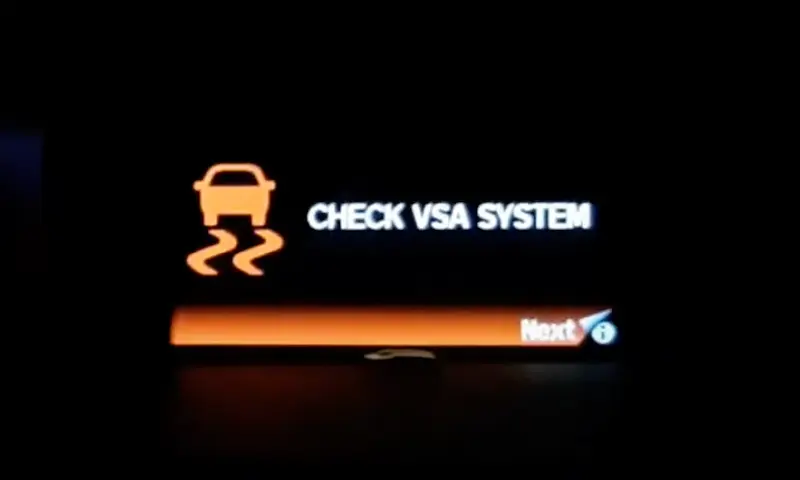
- Ignoring dashboard warning lights until a minor issue becomes major damage
- Failing to document routine maintenance with receipts or logs
Unauthorized Modifications
Installing aftermarket accessories — unapproved remote starters, heavy-draw audio systems, spliced wiring harnesses — can place unpredictable electrical loads on the battery. If a technician determines an aftermarket device caused the failure, the warranty claim is denied. Full stop.
Physical Damage and Environmental Events
Collision damage, flooding, fire, or road hazard impacts to a battery pack aren’t warranty issues — they’re insurance claims. If a vehicle’s been totaled and rebuilt with a salvage title, the manufacturer’s warranties are generally voided entirely.
Beyond Batteries: Other Warranties Worth Knowing
Tires
Honda’s factory tires are not covered by Honda’s warranty. They’re covered directly by the tire manufacturer — Michelin, Maxxis, or Kenda — under their own prorated tread-depth warranties. Your dealership can help you file the claim, but Honda doesn’t underwrite it.
Accessories
Genuine Honda accessories installed at the time of vehicle purchase: covered under the 3-year/36,000-mile warranty. The same accessories installed after the sale: only 1 year or 12,000 miles. Timing matters.
Exhaust Components
Honda offers a Lifetime Limited Warranty on specific genuine replacement exhaust parts like mufflers — for the original owner only. It’s non-transferable and ends when you sell the car.
Filing a Warranty Claim: How the Process Works
Step one: Take the vehicle to an authorized Honda dealership. All warranty repairs must go through the authorized service network under standard warranty terms.
Step two: The technician connects to proprietary diagnostic equipment and assesses voltage, cold cranking amps, or state-of-health for high-voltage packs.
Step three: If the vehicle can’t be driven due to a covered defect, towing to the nearest authorized facility is typically covered through Honda’s roadside assistance program.
In genuine emergencies far from a dealership, you may be able to use an independent repair shop for certain covered components — but you must save all failed parts, document the emergency thoroughly, and submit paid receipts to a dealer for potential reimbursement. Labor reimbursements are capped at standard regional rates.
What Happens If the Dealership Disputes Your Claim?
If you and the dealer can’t agree, Honda’s warranty documentation outlines a clear escalation path:
- Escalate to dealership management (Service Manager or General Manager)
- Contact Honda’s regional customer service division
- If unresolved, use the National Center for Dispute Settlement (NCDS) — an independent arbitration board that reviews evidence from both sides
In many states, completing this arbitration process is required before you can pursue Lemon Law protections or legal action.
Honda Certified Pre-Owned: Battery Protection After the First Owner
Buying used through HondaTrue? Here’s what each tier covers for the high-voltage battery:
| HondaTrue Tier | Eligibility | High-Voltage Battery Coverage | Additional Warranty |
|---|---|---|---|
| HondaTrue Certified | 2021–2026, under 80K miles | 8 years / 100,000 miles | 2 extra years or up to 100K miles |
| HondaTrue Certified+ | Newer models, under 12K miles | 8 years / 100,000 miles | 5 years / 86,000 miles from in-service date |
| HondaTrue Certified EV | 2024–2025 EVs, under 80K miles | 8 years / 100,000 miles | 2 extra years or up to 86,000 miles |
| HondaTrue Used | 2016–2026, no mileage limit | Remaining original coverage | 6 months / 10,000 miles |
The high-voltage battery coverage is tied to the VIN — so even a private-sale used Honda carries the remaining factory battery warranty to the new owner. That’s a meaningful financial advantage when shopping the used EV market.
The Geographic Disparity You Can’t Ignore
Here’s the blunt reality: the same Honda Accord Hybrid carries a different battery warranty depending on where it was sold and where it’s currently registered.
- Texas or Florida buyer: 8-year / 100,000-mile high-voltage battery protection
- California or New York buyer: 10-year / 150,000-mile protection for the same vehicle
That’s a 25% longer coverage window — just because of your zip code. If you’re shopping for a used hybrid or EV, checking whether the vehicle was originally sold and remains registered in a CARB-compliant state could save you thousands in potential battery costs down the road.