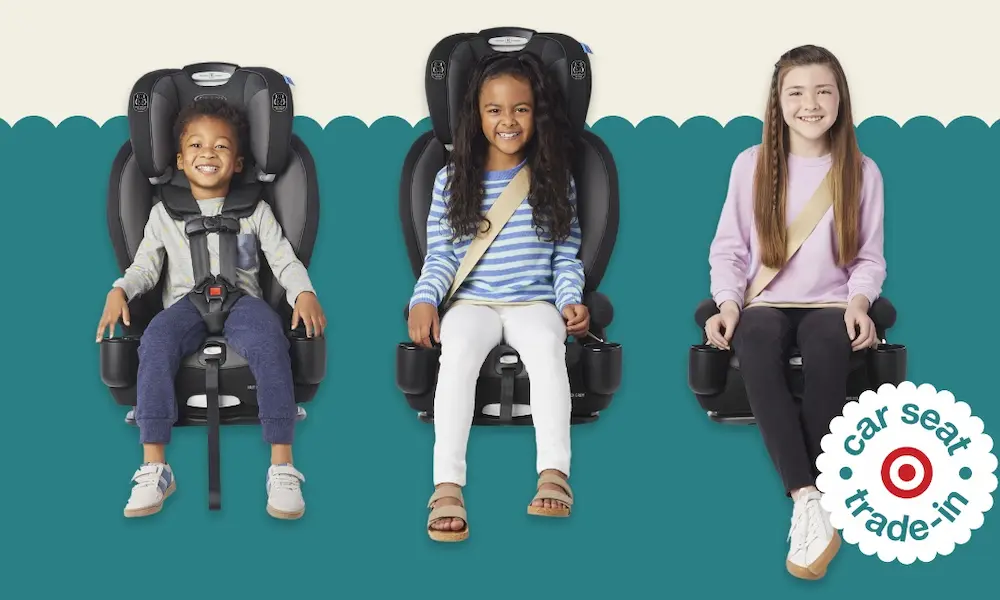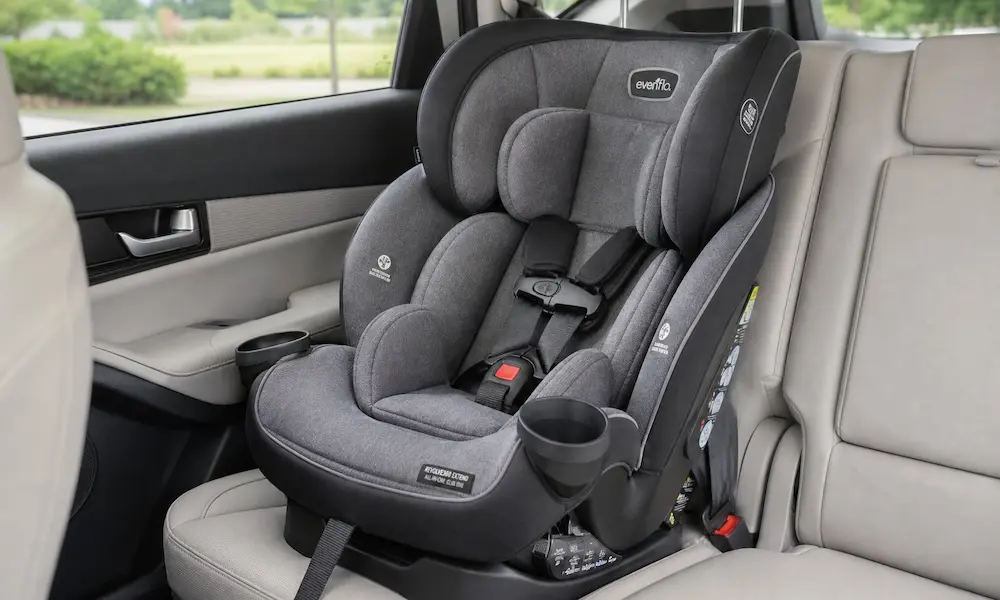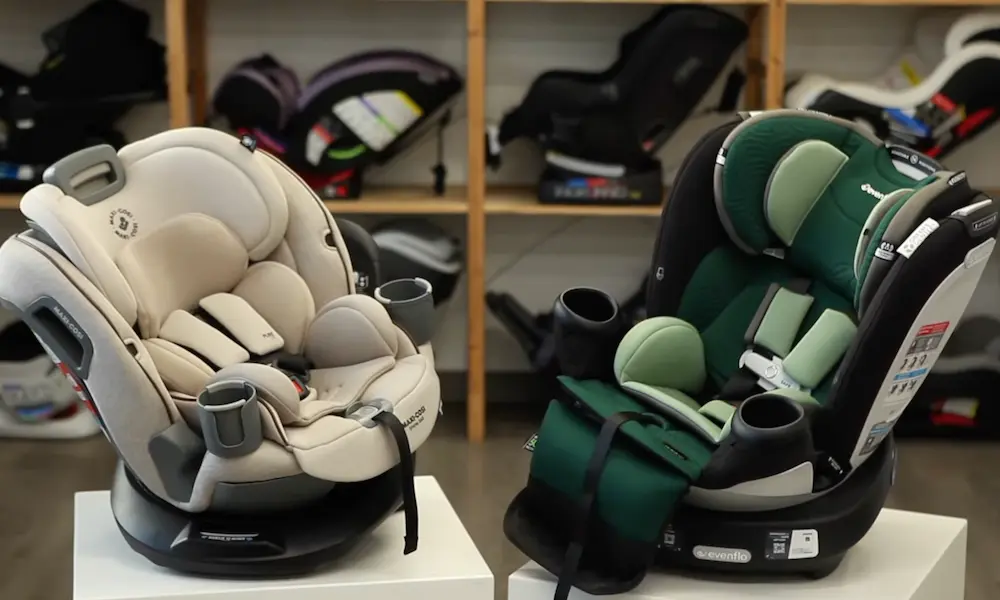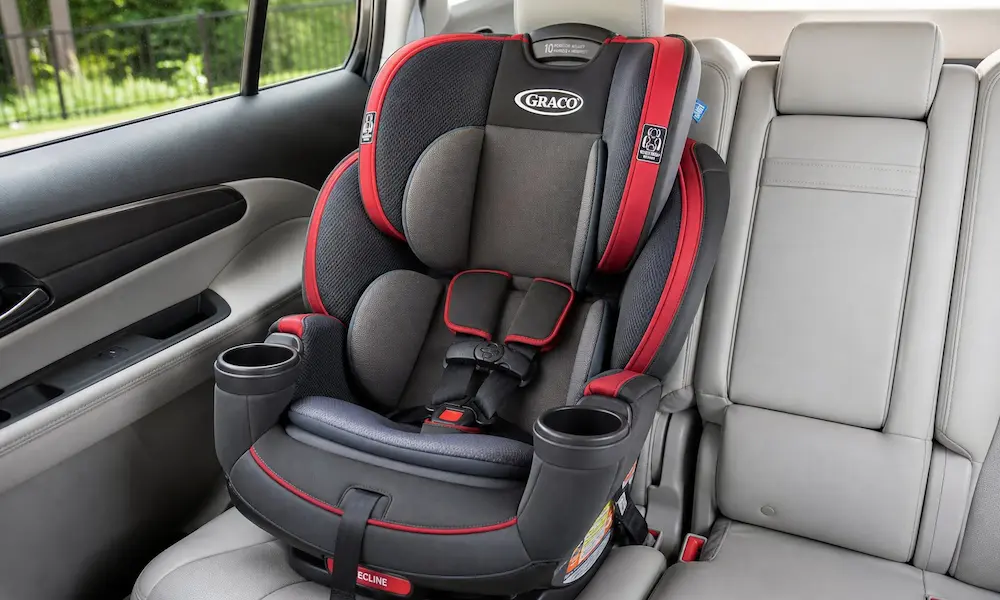
Car seats are expensive, and not every family can afford one fresh out of the box. The WIC free car seat program might be your answer — but it works differently than most people expect. This guide breaks down exactly who qualifies, what to bring, and how to get your seat without the runaround. Stay with me — there’s a lot here that could save you real money.
What Is the WIC Free Car Seat Program?
Here’s the short version: WIC doesn’t hand out car seats at the front desk like formula or vouchers. Instead, WIC offices act as a referral and coordination hub, connecting low-income families to local safety seat programs run by county health departments, hospitals, fire departments, and safety nonprofits.
Think of WIC as the front door. The car seat program is the room behind it.
This decentralized setup means your experience depends heavily on where you live. Programs in Ohio, Texas, Minnesota, and Virginia all work differently — but they all share the same core goal: getting safe, new car seats to families who can’t afford them.
Who Qualifies for a Free Car Seat Through WIC?
Income Limits
Most programs follow the federal WIC income threshold: 185% of the Federal Poverty Level (FPL). Here’s what that looks like in real numbers:
| Family Size | Max Annual Gross Income (185% FPL) |
|---|---|
| Family of 2 | $39,128 |
| Family of 3 | $49,303 |
| Family of 4 | $59,478 |
These figures update each year. Always check with your local program for the current numbers.
Already on Public Assistance? You May Automatically Qualify
If you’re enrolled in any of these programs, most states consider you automatically income-eligible:
- SNAP (food stamps)
- Medicaid
- TANF (Temporary Assistance for Needy Families)
- FAMIS (Virginia’s family health insurance program)
You don’t always need to be an active WIC participant. Ohio, for example, only requires that your income falls within the 185% threshold — no active WIC enrollment needed.
Who Counts as an Eligible Caregiver?
Programs typically serve:
- Pregnant individuals (usually from 28 weeks gestation onward)
- Biological or adoptive parents
- Legal guardians
- Foster parents
Child age limits vary by county, but most programs cover children from birth up to age 7 or 10.
What Documents Do You Need?
Don’t show up empty-handed. Most programs ask for a combination of these:
- Valid photo ID (driver’s license or state ID)
- Proof of address (utility bill or lease agreement)
- Proof of public assistance enrollment (Medicaid card, SNAP approval letter, WIC card)
- Medical referral or prescription from a doctor, OB-GYN, or nurse practitioner
That last one surprises most people. Some programs require a written referral that includes your child’s full name, date of birth, current height and weight — and for expecting moms, the anticipated due date. Technicians use this info to match you with the right seat size.
The Car Seat Safety Class Is Not Optional
Here’s a detail that trips people up: you must complete a safety education class to receive the seat.
This isn’t a checkbox requirement. Studies show that a large majority of car seats are installed incorrectly, which makes even a high-quality seat nearly useless in a crash. The class fixes that.
Classes are led by certified Child Passenger Safety Technicians (CPSTs). Here’s what they cover:
- The inch test — checks that the seat base doesn’t shift more than one inch side to side
- The pinch test — confirms the harness straps have correct tension over your child’s shoulders
- Rear-facing requirements — children under 2 must ride rear-facing in most states
- Booster graduation rules — most kids need to reach age 8 or 4’9″ before moving to a belt-only seat
Format varies by location. Fairfax County, Virginia requires caregivers to watch five safety videos before their in-person appointment. Summit County, Utah charges a $40 class fee — waived entirely for WIC, SNAP, or Medicaid enrollees.
If you miss or skip the class, most programs won’t give you the seat until you reschedule.
Free Car Seat Programs by State: What’s Available Near You
Midwest
- Ohio (Statewide): The Ohio Buckles Buckeyes program covers all 88 counties. No WIC enrollment required — just income eligibility.
- Wood County, WI: The Wood County Health Department pairs car seat distribution with safe sleep education. Convertible seats run a $25 suggested donation; boosters are $10.
- Ward County, ND: First District Health Unit offers convertible seats for $30 and backless boosters for $5 to WIC, SNAP, Medicaid, or TANF recipients.
| Program | Location | Fee | Contact |
|---|---|---|---|
| Ohio Buckles Buckeyes | Statewide, OH | Free | Via local health department |
| Wood County Health Dept. | Wood County, WI | $25 / $10 (donations) | 715-421-8911 |
| First District Health Unit | Ward County, ND | $30 / $5 | 701-837-5195 |
| CountyCare Medicaid | Cook County, IL | Free | 312-864-8200 |
South and East
- Virginia: The Virginia Department of Health’s Low Income Safety Seat Program distributes Evenflo Titan65 convertible seats and Evenflo Maestro boosters at no cost to families on WIC, SNAP, Medicaid, TANF, or FAMIS. Call 1-800-732-8333.
- Texas: The Safe Riders Program (run jointly by DSHS and TxDOT) provides free car seats to low-income families statewide. Call 800-252-8255.
- Maryland: Kids in Safety Seats (K.I.S.S.) offers free seats and a helpline at 800-370-7328.
- Miami-Dade County, FL: Safe Kids Miami-Dade runs low-cost and free seat distribution from Nicklaus Children’s Hospital. Call 305-663-6800.
West
- New Mexico: The NM Child Safety Seat Distribution Program operates at roughly 40 locations statewide. There’s a $25 fee — cash or money order only. Call 800-231-6145.
- San Diego County, CA: The Safety Center offers free or low-cost seats. Text “CAR SEAT” to 619-455-8194.
- Carson City, NV: Ron Wood Family Resource Center charges $10–$45 or offers seats free during community events. Call 775-884-2269.
- Hawaii: No direct distribution program, but the state offers a $25 annual tax credit when you purchase a car seat or booster.
Does Medicaid or Your Health Insurance Cover a Free Car Seat?
Yes — and more people should know this. Many Managed Care Organizations (MCOs) now include car seat distribution as a preventive care benefit. Preventing one serious crash injury costs far less than a pediatric ER visit.
Here’s how some states handle it:
- Nevada Medicaid: Plans including Molina, Silver Summit, Anthem BCBS, and UnitedHealthcare offer free car seats to pregnant members who attend prenatal and postpartum checkups on time.
- UnitedHealthcare (Nationally): The Healthy First Steps program gives pregnant Medicaid members access to car seats at no cost alongside breast pumps, doula support, and baby supplies.
- Minnesota — Blue Plus: Blue Cross MN’s County Car Seat Program gives one car seat and one booster to children under 9 at no cost. Kids 9+ may still qualify if they can’t pass the five-point safety test due to size.
- Minnesota — Hennepin Health: Hennepin Health partners with Milk Moms and Everyday Miracles for seat delivery. If your seat is damaged in a crash, they’ll replace it — no repeat class required, just a police report.
- Michigan MIHP: Michigan’s Maternal Infant Health Program coordinates directly with Medicaid health plans. Eligible participants must be pregnant or have an infant under 12 months and qualify for TANF. The MIHP provider handles the paperwork and submits the form to your health plan.
Call your Medicaid plan directly and ask: “Does my plan include a free car seat benefit?” Many people never claim it simply because they don’t ask.
Your Step-by-Step Roadmap to Getting a Free Car Seat
Step 1: Find Your Local Program
Call your local WIC office, county health department, or dial 211 (the national social services helpline). Because programs are locally managed, funding and inventory shift frequently. Apply early — ideally in your second or third trimester — to avoid waiting lists.
Step 2: Gather Your Documents
Collect your photo ID, proof of address, and evidence of enrollment in WIC, SNAP, Medicaid, TANF, or another qualifying program. If a medical referral is required, contact your OB-GYN or pediatrician and ask for a note that includes your child’s name, date of birth, height, weight, and your due date if applicable.
Step 3: Complete the Safety Class
Register for the required child passenger safety class in your county. Show up, pay attention, and complete every module. Skipping the class means no seat.
Step 4: Pay Any Required Fee
Some programs are fully free. Others use a cost-recovery model. New Mexico requires $25 in cash or money order. Wood County, Wisconsin accepts voluntary donations. Come prepared and check the fee structure before your appointment.
Step 5: Get Your Seat Installed Correctly
After you receive the seat, a certified technician will walk you through installation in your actual vehicle. They’ll confirm correct positioning (rear-facing for infants), check the LATCH system or seat belt connection, secure the top tether on forward-facing seats, and teach you both the inch test and pinch test before you drive away.
You leave with a brand-new, properly installed seat — and the know-how to reinstall it correctly every time.